Hidden Pantries Boost Home Value by 6 Percent
Hidden pantries represent a practical kitchen upgrade that merges additional storage with a streamlined appearance. This feature can increase overall home value by approximately 6 percent. Homeowners considering a remodel gain both everyday utility and stronger resale potential.
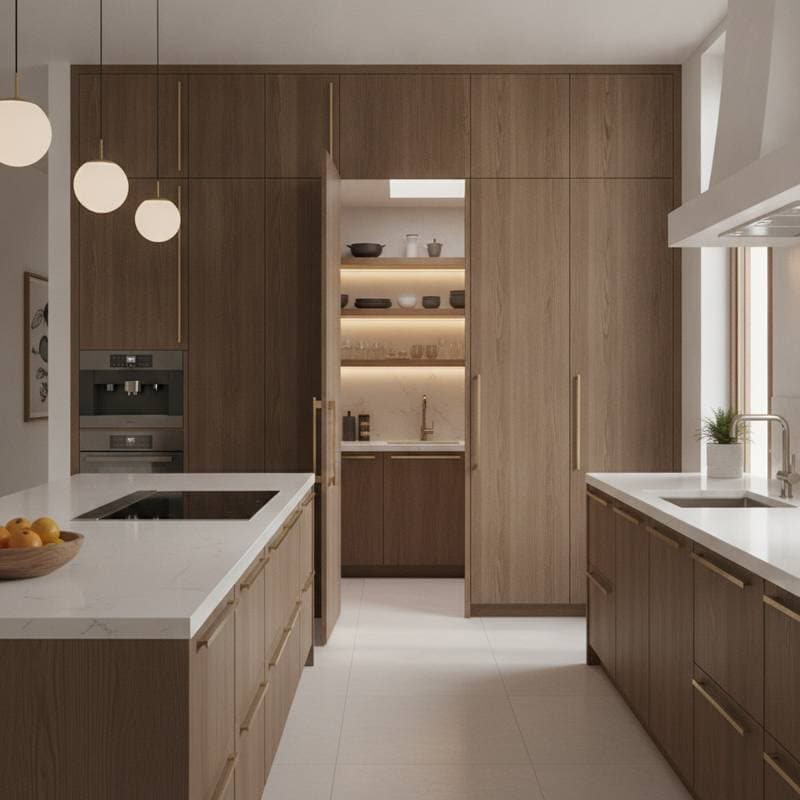
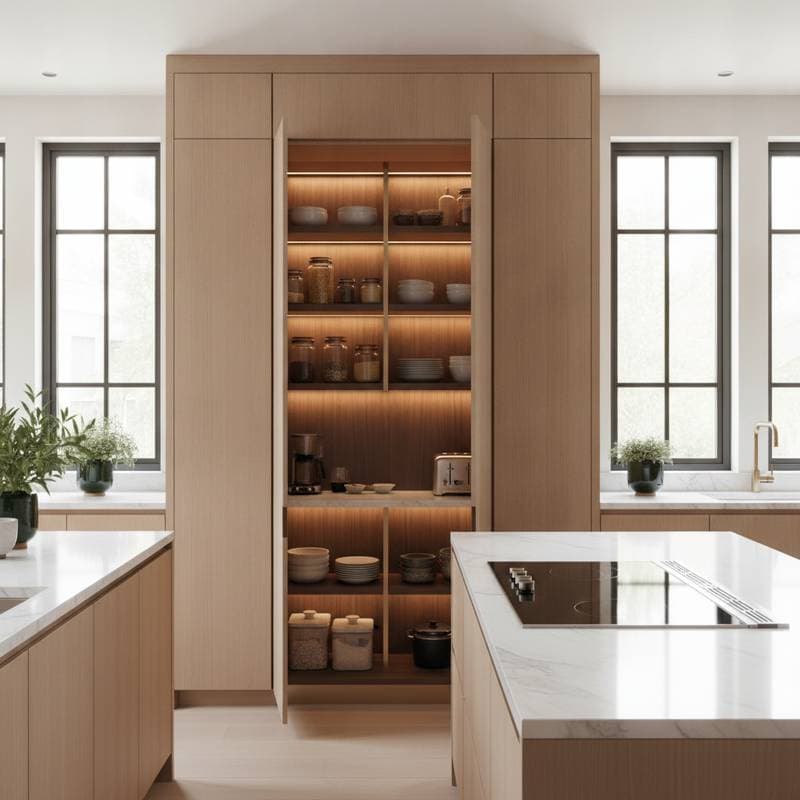
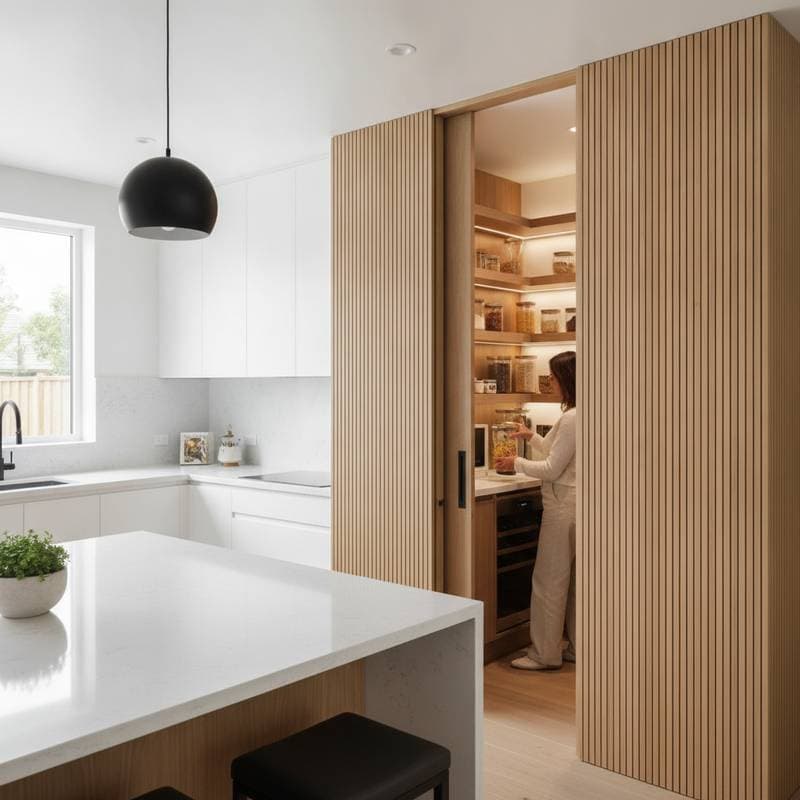
A hidden pantry conceals itself behind a flush door or integrated cabinet panel. It stores food items, small appliances, and bulk goods without disrupting the main kitchen view. This approach suits open concept layouts where maintaining visual order remains essential.
Cost Overview
National average cost ranges from 5000 dollars to 15000 dollars. A typical mid range installation falls between 8000 dollars and 12000 dollars. Larger or high end designs may exceed 20000 dollars.
Several elements influence the final price. These include the pantry dimensions, door mechanism, material selections, lighting additions, and local labor rates. A basic retrofit often costs less than a full build during new construction.
Advantages and Limitations
-
Increases resale value through added functional space.
-
Maintains clear countertops and reduces visible clutter.
-
Supports modern minimalist aesthetics in open floor plans.
-
Offers flexibility to serve as a secondary prep area.
-
Consumes floor space that may feel tight in smaller kitchens.
-
Requires higher investment than basic shelving options.
-
Can involve moving existing utilities during installation.
-
Demands consistent organization due to reduced visibility.
Available Configurations
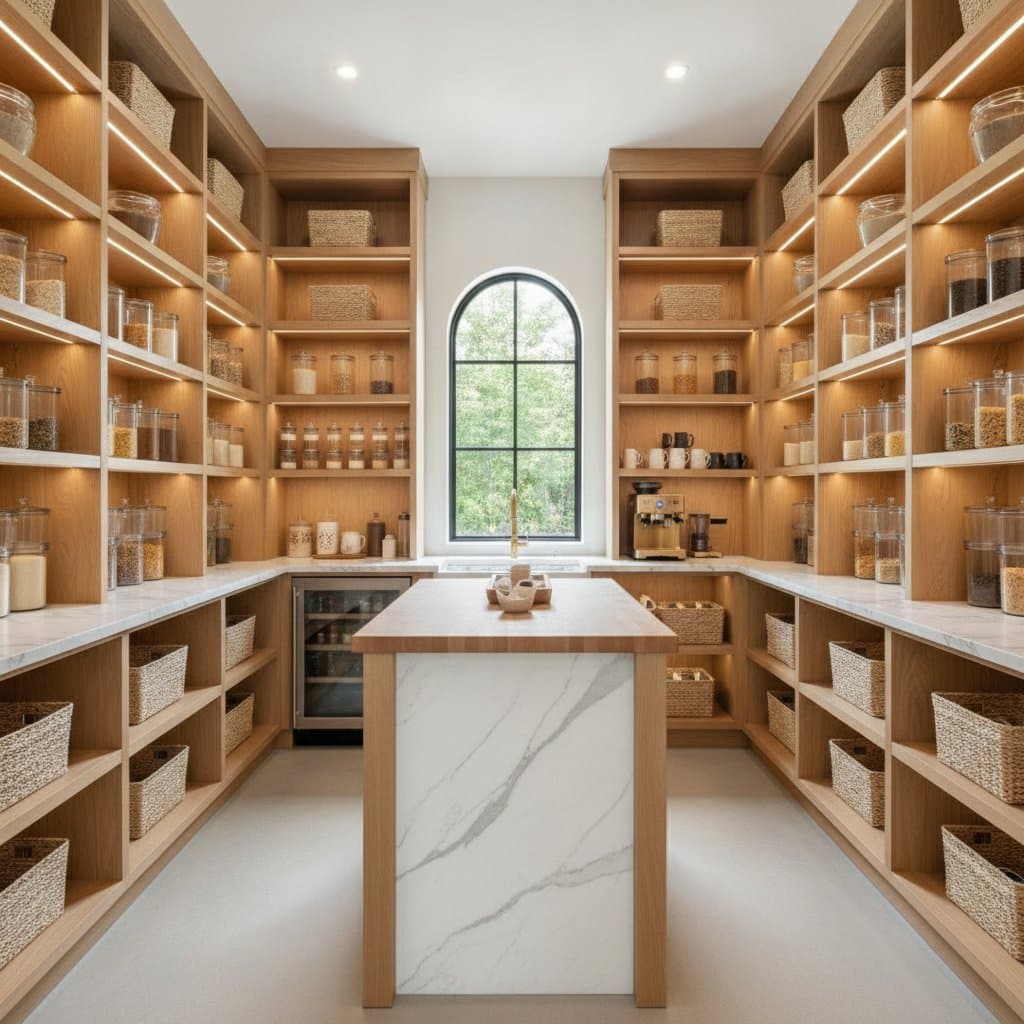
A walk in hidden pantry creates a full room behind a concealed entry. It works well in spacious kitchens for households that cook frequently.
Cabinet front designs match surrounding millwork and suit compact areas. They preserve a continuous surface without major structural changes.
A butler pantry adds a sink or workspace between kitchen and dining zones. Pocket door versions slide away to save clearance in narrow rooms.
Professional Installation Considerations
This project involves framing, finish carpentry, and sometimes electrical work. The typical skill level required is advanced. Simple conversions take two to five days while full rooms require more time.
Homeowners should engage licensed contractors when load bearing walls or wiring are involved. Professionals handle permits and ensure door alignment matches existing cabinetry.
Installation Sequence
- Assess available wall or corner dimensions.
- Select shelving depth and door style.
- Remove current surfaces as needed.
- Construct framing for walls or openings.
- Add lighting, outlets, and ventilation.
- Attach door hardware and panels.
- Apply finishes to blend with the kitchen.
- Arrange contents and verify smooth operation.
Ongoing Care
Annual checks of hinges and tracks prevent sagging. Surface refinishing every few years keeps the pantry aligned with kitchen updates. Quality LED fixtures typically operate for ten to fifteen years.
Other Storage Solutions
Pull out cabinet units provide easier retrofits at lower cost. Open shelves allow quick access yet expose contents. Freestanding units offer mobility without construction. Adjacent closet conversions deliver moderate capacity gains.
Regional Considerations
Labor and material prices rise in urban markets. Coastal homes benefit from humidity resistant coatings. Cold climate installations near exterior walls need added insulation. Local codes may dictate electrical standards or fire separation requirements.
Value at Resale
Buyers recognize hidden pantries as premium additions that reflect efficient design. Homes featuring organized, uncluttered kitchens tend to attract offers more quickly.
Safety Practices
Disconnect power before any electrical modifications. Avoid alterations to structural walls without engineering review. Apply moisture protection near plumbing lines. Obtain required permits before beginning major work.
Planning Your Hidden Pantry Project
Evaluate available kitchen space and sketch possible layouts. Obtain detailed bids from three qualified contractors. A carefully executed hidden pantry enhances daily use while supporting long term property value.