Hidden Pantries That Can Help Homes Sell 15 Percent Faster
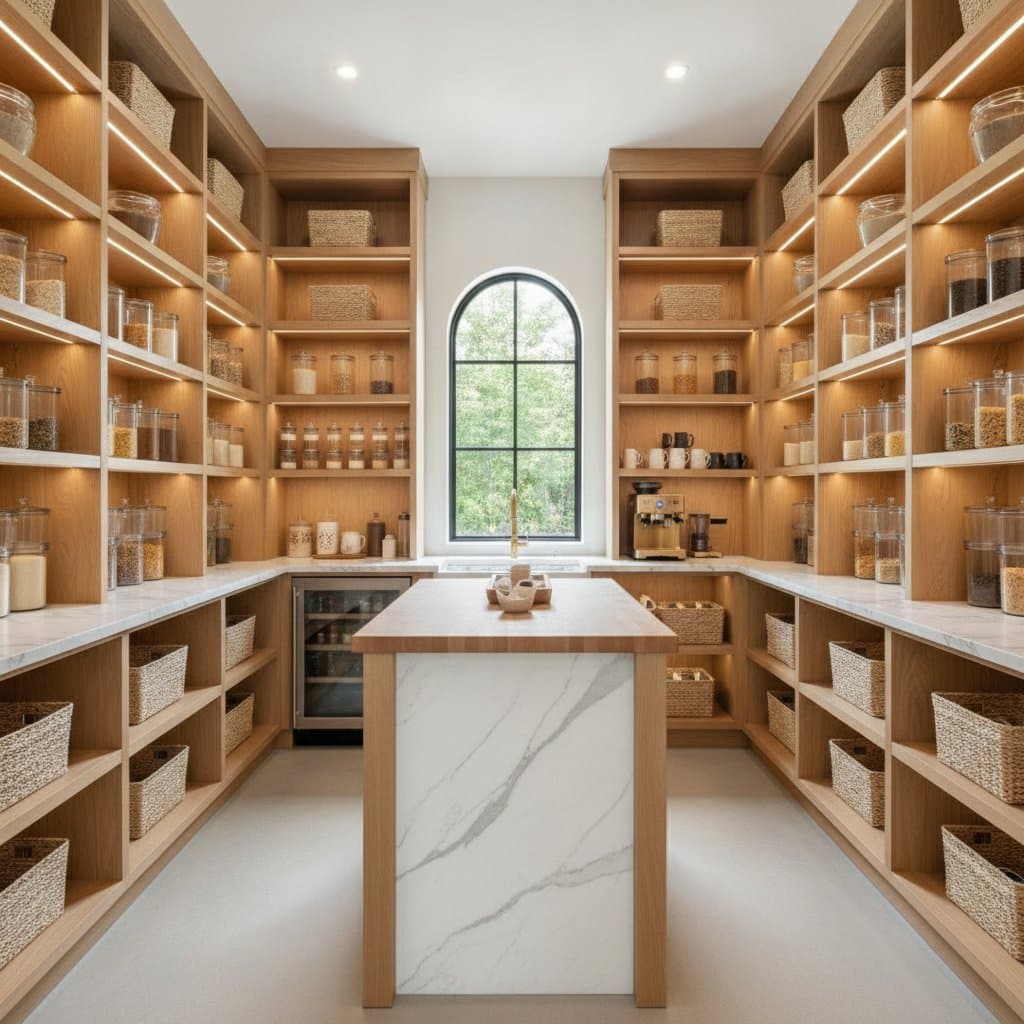
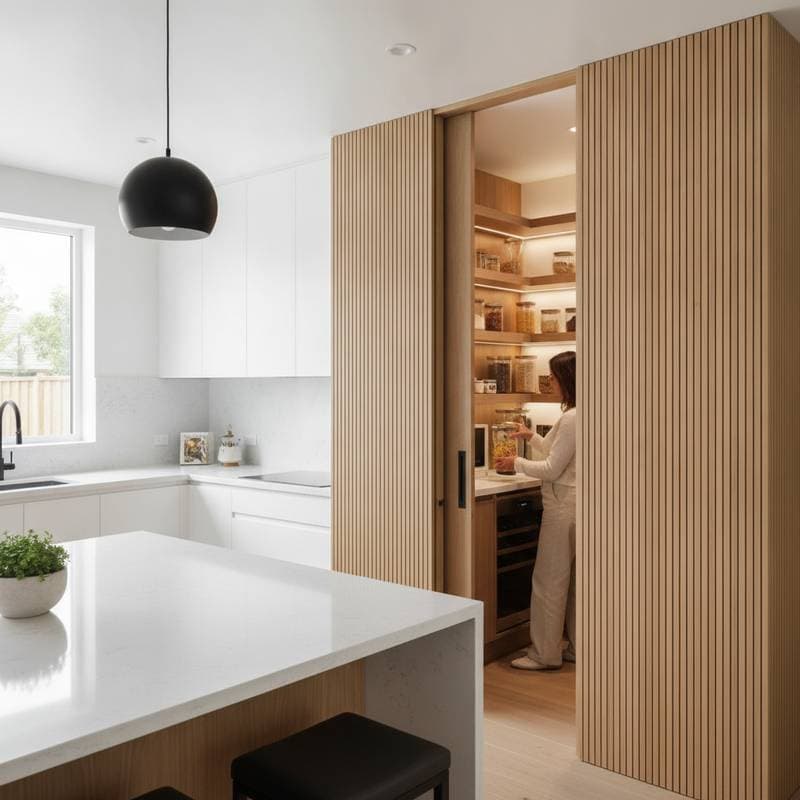
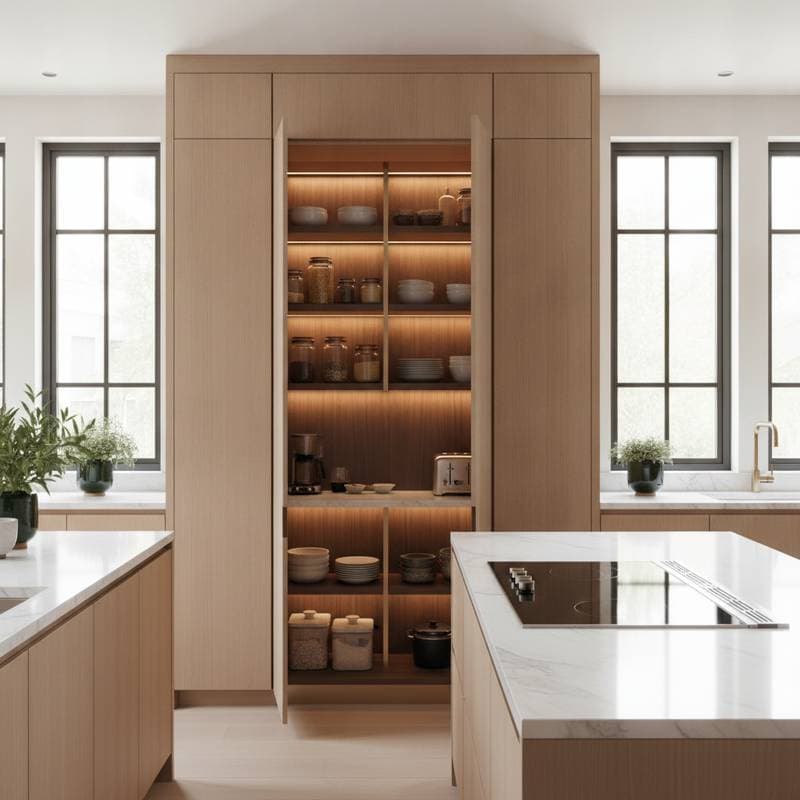
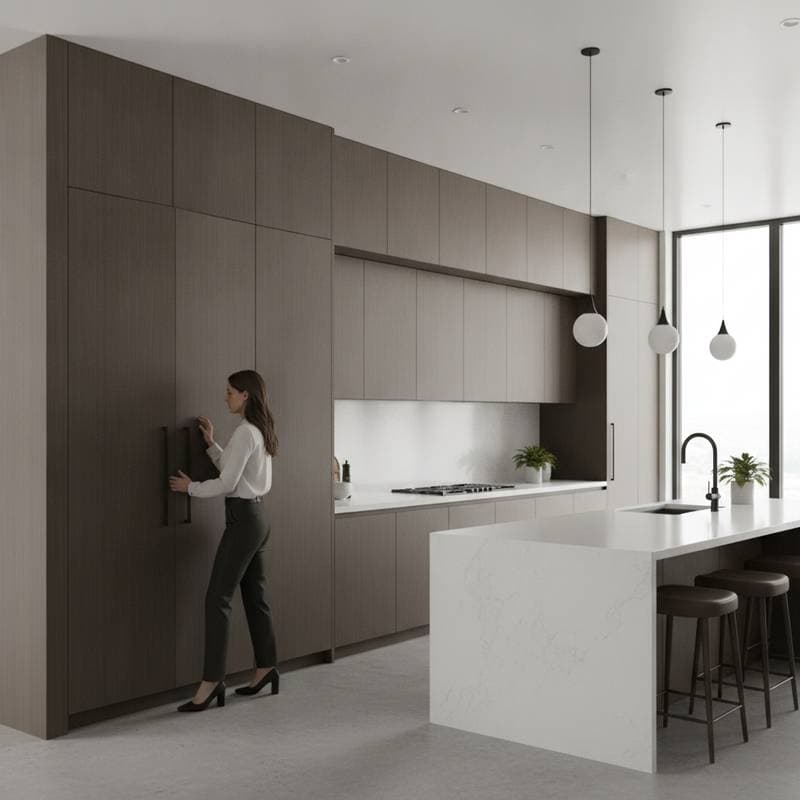
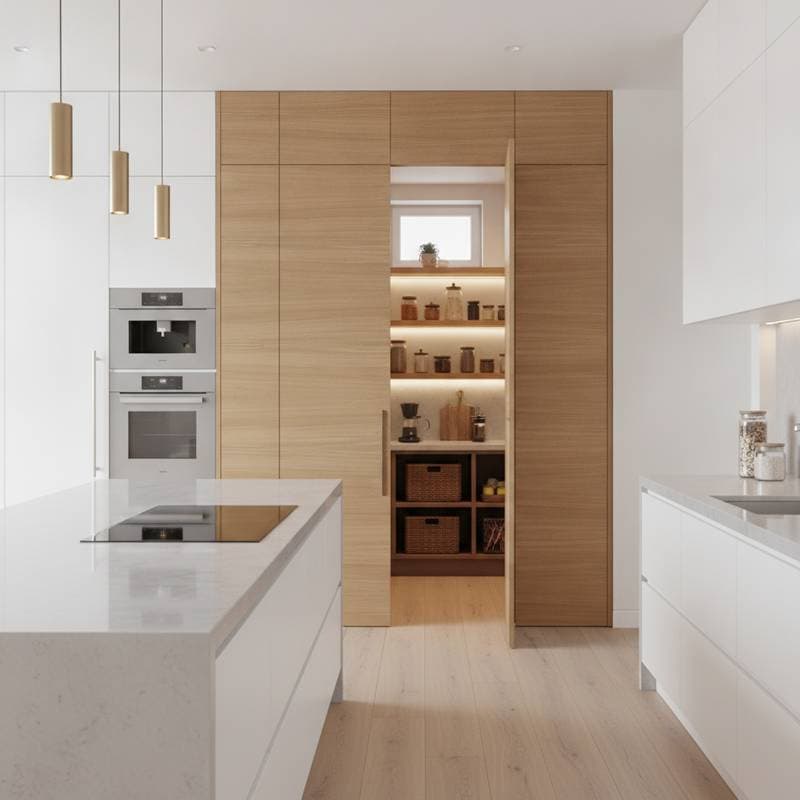
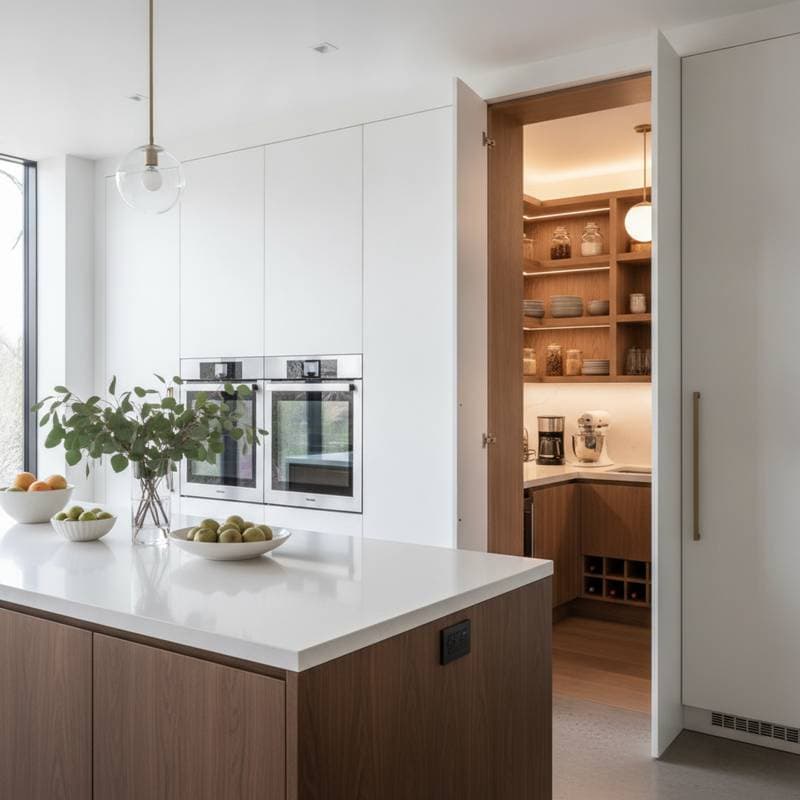
A hidden pantry is a discreet storage area built into or behind kitchen cabinetry. It keeps the kitchen clean, organized, and open. Homeowners choose hidden pantries to reduce clutter and impress buyers who value smart design. In competitive markets, this feature can help homes sell faster and closer to asking price.
Hidden pantries make sense for homes with open layouts or limited visible storage. They also appeal to homeowners who entertain often or prefer a minimalist kitchen look.
Pros and Cons
Pros
- Increases home appeal and resale speed
- Keeps counters clear and kitchen visually larger
- Adds valuable hidden storage
- Supports better organization for bulk goods and appliances
- Can be integrated without changing kitchen footprint
Cons
- Higher upfront cost than open shelving
- Requires precise design and carpentry work
- May reduce adjacent cabinet space
- Adds complexity to plumbing or electrical runs if relocated
- Limited access if poorly planned or too narrow
DIY vs Pro
Building a hidden pantry is moderate to high difficulty. Expect 2 to 5 days for most projects.
DIY Feasibility
- Skill level: Intermediate to advanced carpentry
- Tools: Drill, saw, level, stud finder, and cabinet hardware
- Time: 15 to 40 labor hours
- Risk: Medium. Misaligned doors or poor ventilation can reduce usability and value
When to Hire a Pro
Hire a professional when modifying structural walls, electrical, or plumbing. A licensed contractor or cabinetmaker ensures clean fit and finish. Pros also handle permits for structural or code changes.
Step By Step Basics
- Measure wall space and kitchen layout.
- Determine door style and concealment method.
- Frame or reinforce wall if creating a walk in space.
- Install drywall, flooring, and basic shelving.
- Fit cabinetry or door panels to match kitchen finish.
- Add lighting and ventilation if enclosed.
- Seal and paint or stain to match existing decor.
- Install handles or magnetic latches for clean closure.
- Clean up debris and test door operation.
Hidden pantries require careful alignment so doors close flush with the rest of the cabinetry.
Maintenance and Lifespan
A hidden pantry has a long lifespan if built with quality materials. Inspect hinges, latches, and lighting annually. Repaint or refinish doors every 5 to 10 years as needed. Keep shelves dry and free of leaks. Some high end cabinetry includes limited lifetime warranties for hinges or finishes.
Alternatives
1. Open Shelving
Cheaper and faster to install. Reduces visual weight but exposes clutter.
2. Freestanding Pantry Cabinet
Portable and flexible. Less integrated appearance but easy to move or replace.
3. Pantry Closet Conversion
Uses existing hall or laundry closet near the kitchen. Low cost but limited capacity.
4. Modular Pantry Systems
Prefabricated units that fit into standard cabinet openings. Quick installation but less custom fit.
Local Factors
Regional construction costs influence total price. Urban markets or high labor areas may see 20 to 30 percent higher costs. In humid or coastal zones, use moisture resistant materials and ventilation fans. Cold climates may need insulated walls if the pantry sits on an exterior wall. Always check local building codes before cutting into walls or moving electrical lines.
ROI and Resale
Hidden pantries can help homes sell up to 15 percent faster in markets that value custom kitchens. They signal smart design and storage efficiency. Buyers often perceive them as luxury upgrades even in mid range homes. While the exact return varies, most homeowners recover 50 to 75 percent of the cost through resale value or faster sale time.
Safety
- Always check for electrical or plumbing lines before cutting walls.
- Use circuit testers before drilling.
- Avoid blocking ventilation or return air ducts.
- Ensure lighting meets electrical code for enclosed spaces.
- Secure heavy shelving to studs.
- Pull permits for structural or electrical changes as required by local rules.
FAQ
How much space do I need for a hidden pantry?
At least 3 feet of depth for a small walk in or 18 inches for a cabinet style version. Measure carefully to avoid reducing walkway clearance.
Can I add a hidden pantry in a small kitchen?
Yes. Cabinet front or sliding door designs fit smaller layouts while maintaining flow.
Does a hidden pantry need ventilation?
Yes. Airflow prevents moisture buildup and mold growth. Install a small vent or fan if the space is fully enclosed.
Planning Your Upgrade
A hidden pantry adds both function and appeal. Whether you build a small cabinet version or a full walk in, the key is seamless design and solid workmanship. Start with a clear plan, accurate measurements, and realistic budget. Get quotes from licensed pros, compare materials, and check code requirements before starting work.