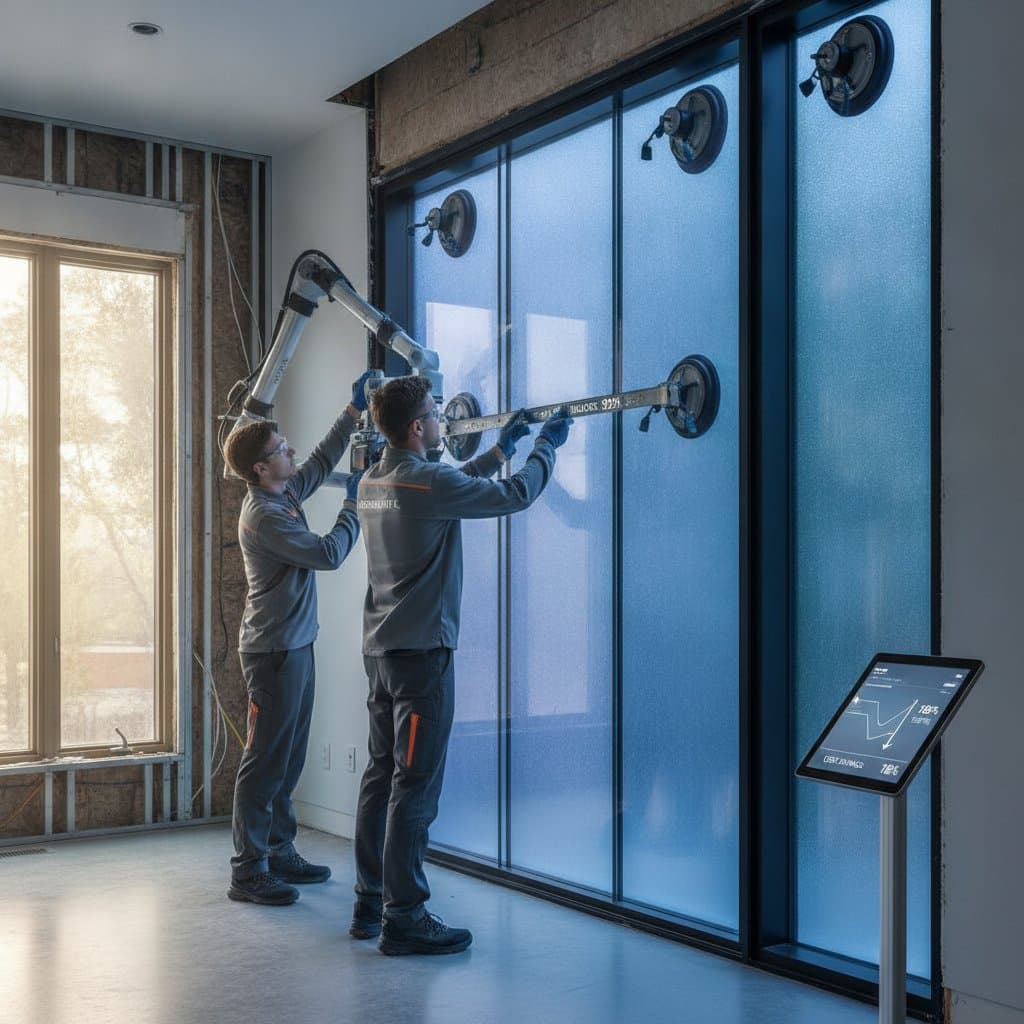
UV-Resistant Windows Cut Your Cooling Costs by 18%
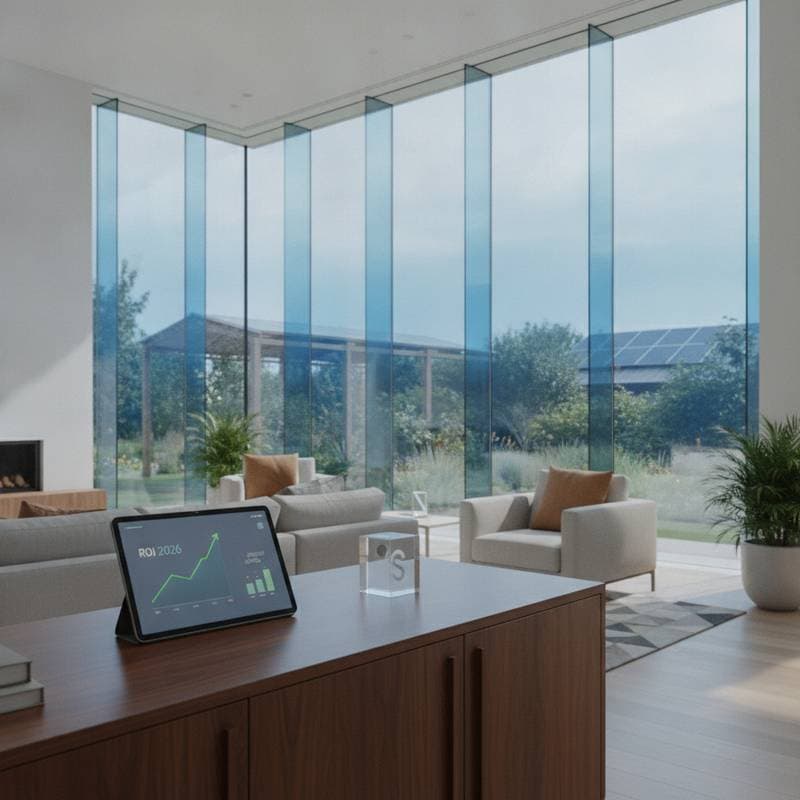
UV-resistant windows reduce solar heat gain while blocking nearly all ultraviolet radiation. Homeowners in warm climates often see cooling expenses drop by up to 18 percent after installation. These windows also preserve furniture and flooring from fading.
How UV-Resistant Windows Work
Special coatings on the glass reflect or absorb ultraviolet wavelengths before they enter the home. Most units block 99 percent of UV rays while allowing visible light to pass. Lower solar heat gain coefficients keep indoor temperatures stable without extra air conditioning use.
Cost and Savings Breakdown
Installed prices range from 14 to 28 dollars per square foot depending on glass type and frame material. A typical three-bedroom home requires 15 to 20 windows. Annual energy savings average 150 to 400 dollars in hot regions. Payback occurs in five to eight years when utility rates remain steady.
Choosing the Right Glass Package
Select a solar heat gain coefficient of 0.25 or lower for southern exposures. Northern climates perform better with values near 0.35 to capture winter sun. Triple-pane options add sound reduction of up to 30 percent in urban settings. Coastal homes benefit from laminated glass that resists wind-driven rain and salt corrosion.
DIY vs Professional Installation
Situations Suitable for DIY
Single insert replacements or exterior sealing projects succeed when the following conditions exist:
- Accurate measuring tools and basic carpentry experience are available.
- Frames remain square and free of rot.
- Ladders provide safe access to second-story openings.
Homeowners save 150 to 300 dollars per window with this approach. However, improper sealing can cancel efficiency gains and void manufacturer warranties.
When Professional Help Is Required
Licensed installers should handle projects that involve:
- Opening resizing or structural framing.
- More than three windows replaced in one phase.
- Tempered or triple-pane units.
- Evidence of water damage around sills.
Certified crews complete flashing and insulation correctly. Many glass warranties require documented professional installation.
Maintenance Practices That Protect Performance
Clean exterior surfaces twice each year with mild soap and water. Inspect perimeter seals annually for gaps or condensation between panes. Apply silicone lubricant to sliding tracks every 12 months. Clear weep holes at frame bottoms to maintain proper drainage.
Manufacturers typically provide 10 to 20 years of coverage on seals and frames. Labor warranties usually last one to two years. Retain all documentation and installation receipts for future claims.
Repair Options Before Full Replacement
| Option | Cost per Square Foot | Performance Gain | Best Application |
|---|---|---|---|
| UV film application | 6 to 10 dollars | Blocks 85 percent of UV rays and reduces cooling loads 8 to 10 percent | Sound frames less than 10 years old |
| Glass unit swap | 10 to 16 dollars | Restores UV protection and eliminates fogging | Intact frames with damaged panes |
| Complete frame replacement | 14 to 28 dollars | Delivers maximum insulation and longevity | Deteriorated frames or poor original insulation |
Climate-Specific Recommendations
Hot southern zones require the lowest solar heat gain coefficients. Coastal properties need corrosion-resistant hardware and impact-rated glass. Cooler northern areas can accept slightly higher heat gain values to offset winter heating demands. Dense urban neighborhoods gain extra noise reduction from triple-pane construction.
Practical Next Actions
Schedule a whole-home energy audit to locate the largest heat gain sources. Record exact opening dimensions before ordering. Collect three detailed bids that list glass specifications and warranty terms. Confirm rebate eligibility with local utilities before purchase. Schedule work during moderate weather to ensure proper sealant curing. Save the rating labels from new units for future resale documentation.