Smart Windows Investment Returns
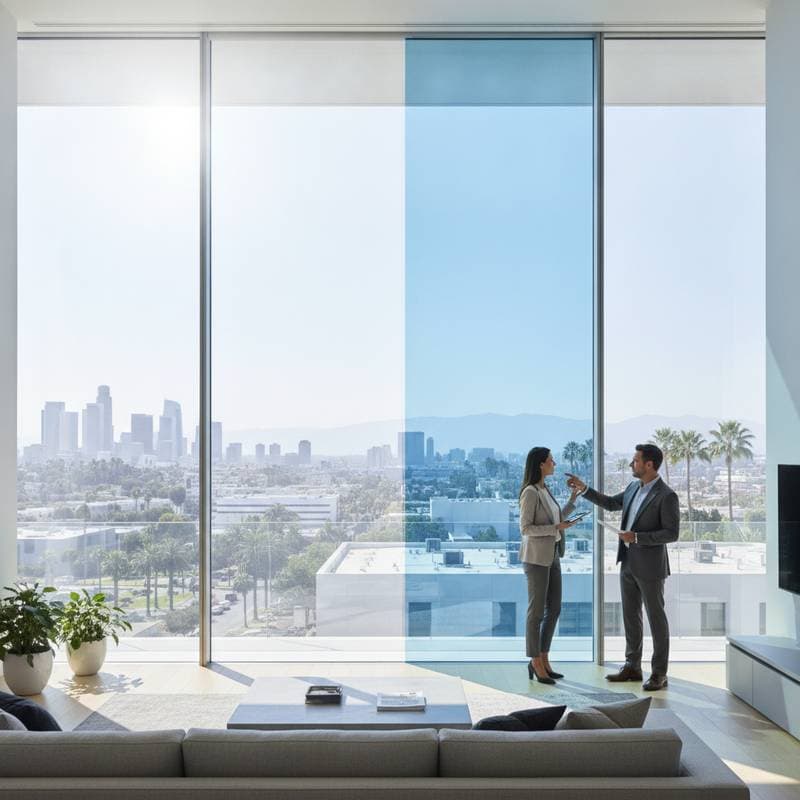
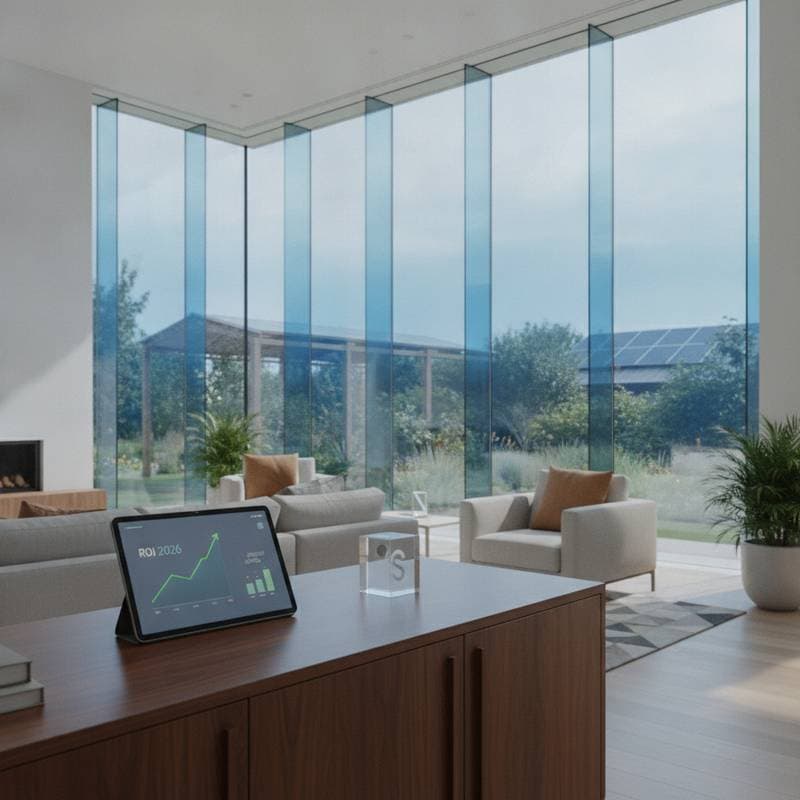
A full smart window upgrade costs about $15,000 and can return roughly $22,000 in energy savings and resale value within two years.
Cost Factors
Material Type
Electrochromic glass drives most expenses. Expect $100 to $150 per square foot installed. The tinting layer and wiring system add about 20 percent more than premium double pane glass.
Labor
Labor typically runs $4,000 to $6,000 for a full home retrofit. Removing old frames, running low voltage wiring, and sealing the new units safely can take two workers several days.
Window Count and Size
Larger windows or floor to ceiling panels raise both material and labor costs. A 4 by 6 foot window can cost twice as much to install as a standard 3 by 4 foot unit.
Electrical Integration
Smart windows need a control hub and power source. Adding a small transformer or wireless controller adds $500 to $1,000. Homes with solar panels already in place can connect directly to existing circuits for less.
Permits and Code
Some cities require an electrical permit for low voltage wiring. Plan for $150 to $350 and a short inspection. Skipping this step can delay resale or void warranties.
Disposal and Add ons
Removing and hauling old glass adds $300 to $500. Optional features such as voice control or smart home integration can add another $400 to $800.
DIY versus Professional Installation
Smart window installation is not a weekend project. It requires proper glazing tools, electrical knowledge, and lifting gear. The risk of cracked glass or shorted wiring is high.
Hire a licensed installer with glazing and electrical experience. Ask for proof of low voltage certification. Professionals will handle safe removal of heavy panes, test electrical continuity before sealing frames, and calibrate tint levels to meet building codes.
Hire a professional when windows are larger than 3 by 4 feet, when no nearby power access exists, or when existing water damage appears in frames.
Maintenance and Warranties
Electrochromic glass requires almost no maintenance. Clean like standard glass with mild soap and water. Avoid harsh abrasives that can damage the tinting layer.
Expect a manufacturer warranty of 10 to 20 years on glass integrity, 5 to 10 years coverage on controllers, and a 1 year typical labor warranty from installers.
To extend lifespan keep wiring junctions dry and accessible, schedule a quick system test once a year, and replace control batteries or backup power packs as recommended. If one pane fails to tint evenly, call your installer. Do not attempt to remove or reset the window yourself, as this may void the warranty.
Steps to Begin
Start with a home energy audit. It confirms whether smart windows will make the biggest difference or whether attic insulation and HVAC upgrades should come first.
Next steps include obtaining quotes from at least three licensed installers, checking rebate lists from your utility or state energy office, confirming power access at each window before ordering, scheduling during off peak seasons, and reviewing the warranty in writing before the first pane is removed.
Long Term Value
Smart windows are one of the few energy upgrades that directly raise both comfort and resale value. They block heat on hot days, keep warmth in during winter, and adjust light levels automatically. Plan your budget at $1,200 to $1,500 per window, confirm your contractor is certified for electrochromic systems, and set realistic lead times. Done right, the investment becomes a durable, efficient, and visually comfortable upgrade that pays back in both dollars and daily comfort.