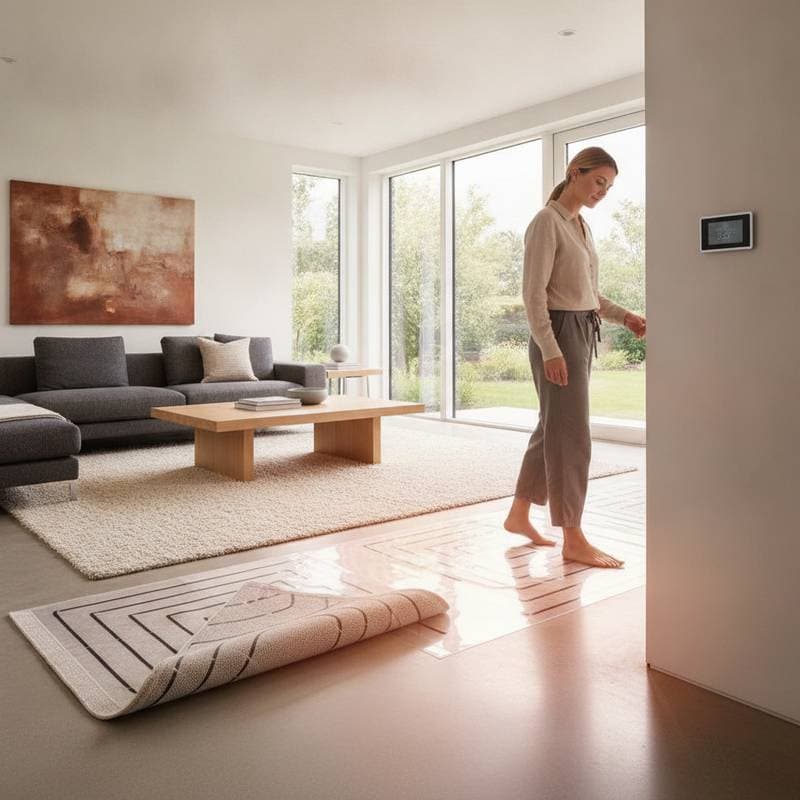
Radiant Floor Heating Systems Enhance Home Comfort and Value
Radiant floor heating delivers warmth directly from the floor surface. This approach creates even temperatures throughout a room without the drafts common in forced air systems. Homeowners report lower energy use because the heat stays near the living space instead of rising to the ceiling.
Core Advantages for Daily Living
- Systems operate silently and require minimal upkeep once installed.
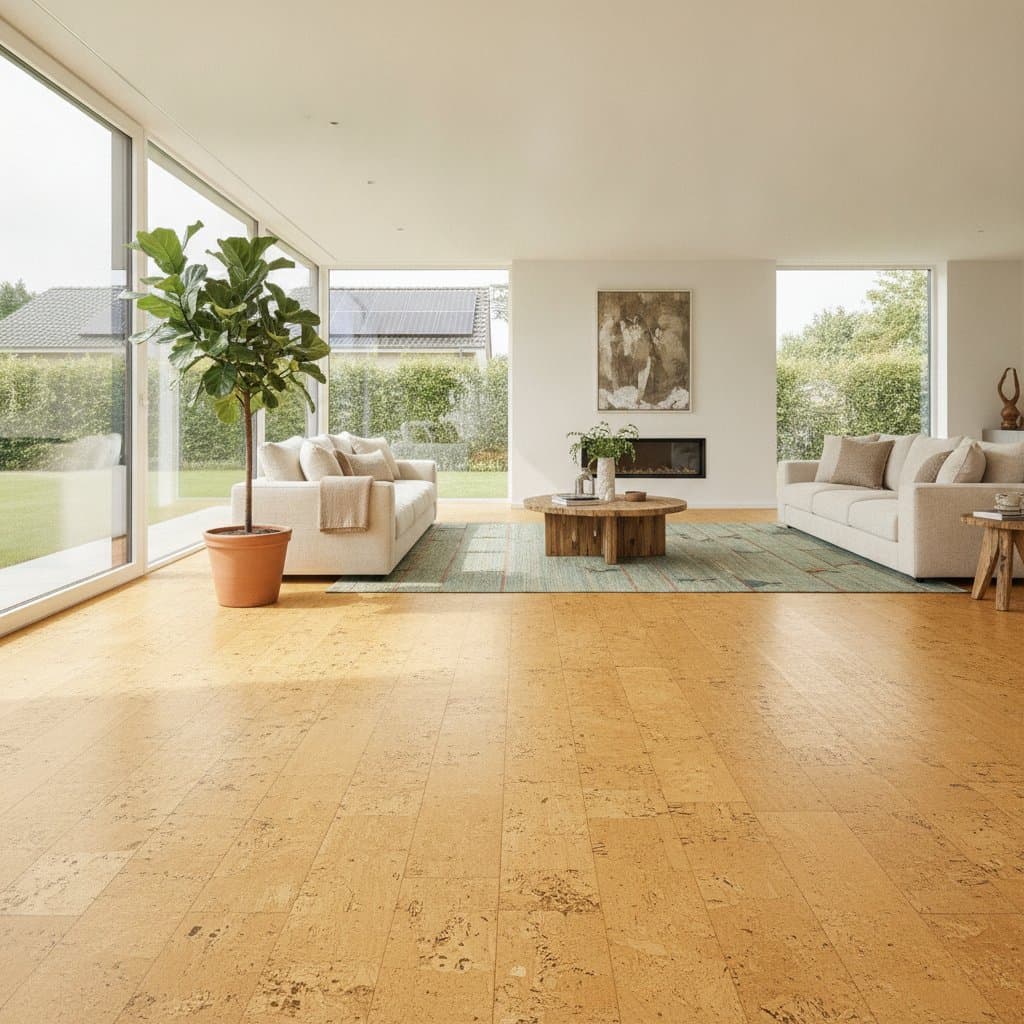
- Floor surfaces stay warm to the touch, which suits tile, stone, and hardwood finishes.
- Design flexibility allows placement under most flooring types without visible vents or registers.
These features combine to improve daily routines while supporting long term property goals. Installation choices include electric mats or hydronic tubing connected to a boiler. Each option fits different home sizes and climate needs.
Impact on Resale Value by 2026
Market data indicates that homes with radiant floor heating can command up to an 11 percent higher sale price. Buyers increasingly seek energy efficient upgrades that reduce monthly costs. Appraisers note the system as a premium feature that differentiates a property in competitive neighborhoods.
The value increase stems from both comfort and documented utility savings. Homes built or remodeled with this technology often sell faster than comparable properties without it. Real estate professionals advise documenting installation details and energy performance to strengthen listing presentations.
Steps to Plan an Installation
Assess the existing floor structure and subfloor condition before selecting a system type. Consult a licensed contractor to calculate heat load requirements for each room. Compare electric and hydronic options based on upfront cost, expected lifespan, and local energy rates.
Schedule the work during a larger remodel when possible to reduce labor expenses. Verify that the chosen flooring material conducts heat effectively. Request references from previous projects to confirm workmanship quality.
Energy Performance and Maintenance
Properly designed systems lower heating bills by targeting occupied spaces only. Thermostats with zoning controls allow different temperatures in separate areas. Annual inspections of pumps, valves, and connections keep performance consistent over time.
Homeowners should keep records of maintenance visits and any repairs. These documents support warranty claims and future resale negotiations. Modern controls integrate with smart home platforms for remote adjustments and usage tracking.
Selecting Materials and Professionals
Choose a contractor experienced with both new construction and retrofit projects. Request detailed proposals that list equipment brands, warranty terms, and projected operating costs. Review local building codes to confirm permit requirements before work begins.
Test flooring samples for thermal conductivity ratings prior to final selection. This step prevents performance issues after installation. Budget for controls and insulation upgrades that maximize overall efficiency.
Preparing for Long Term Ownership
Track energy consumption during the first heating season to establish baseline performance. Adjust zoning schedules based on household patterns. Consider supplemental insulation in exterior walls to further reduce demand on the heating system.
Owners who maintain clear access panels for mechanical components simplify future service calls. This preparation protects the investment and supports continued efficiency gains throughout the life of the home.