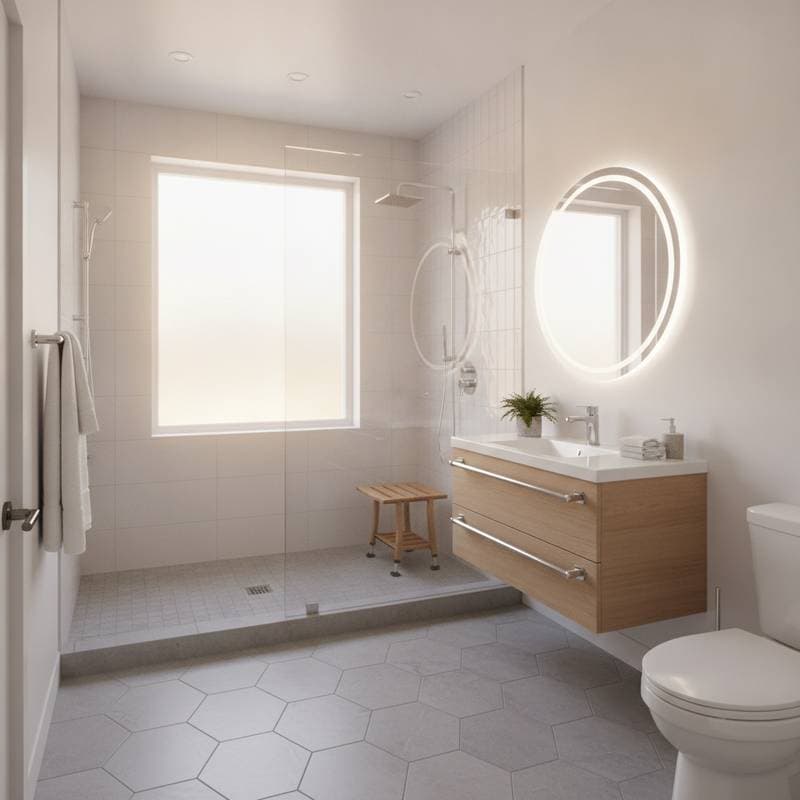
Aging-in-Place Bathrooms Deliver Strong Resale Returns
Upgrading a bathroom for long-term accessibility can return up to 15 percent at resale. The right improvements enhance safety, comfort, and lasting property value. This approach suits homeowners who plan to remain in place or those updating homes for older family members.
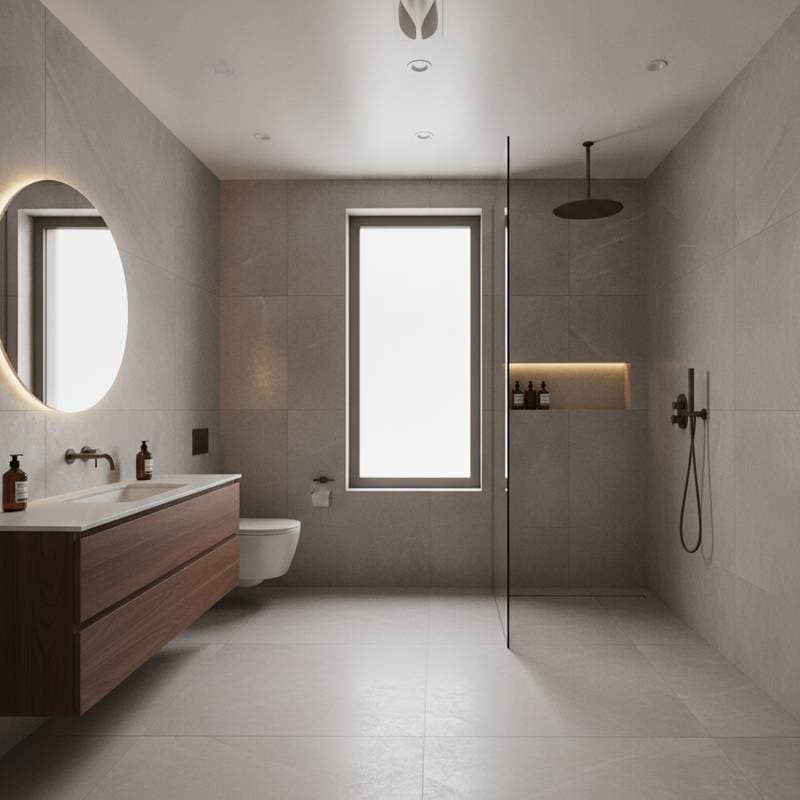
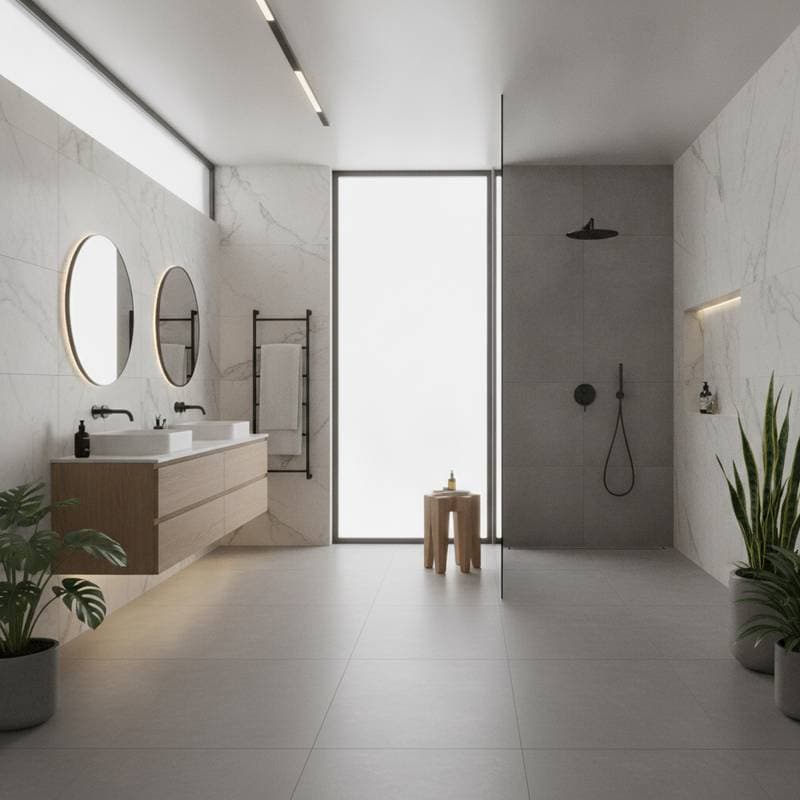
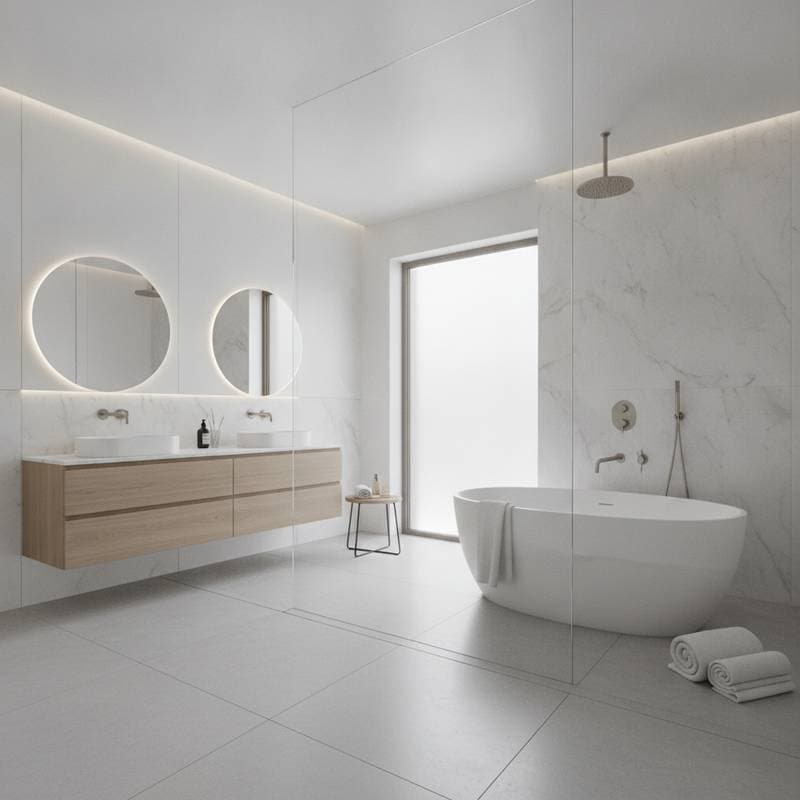
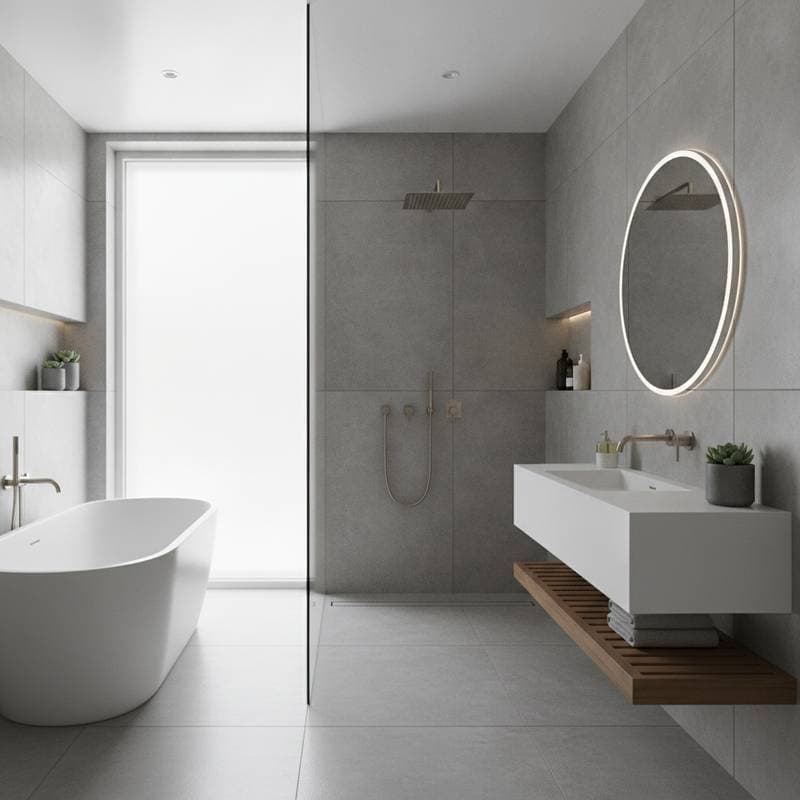
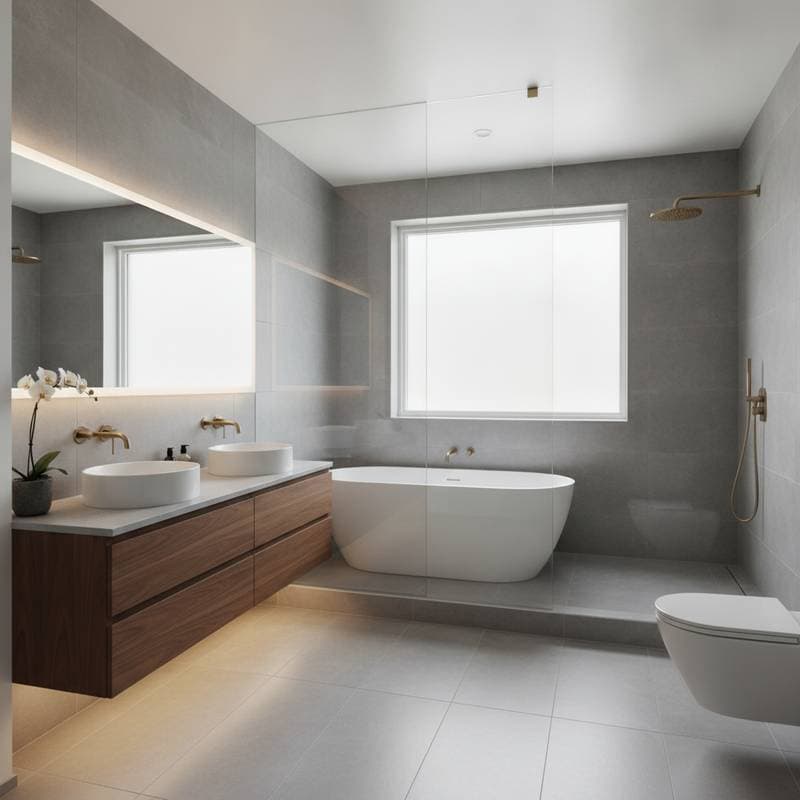
An accessible bathroom integrates practical features with contemporary style. Typical additions include grab bars, wider doorways, curbless showers, and slip-resistant flooring. These elements reduce risk without creating an institutional appearance.
Benefits of Accessibility Upgrades
- Increases safety for residents of every age
- Strengthens resale value and buyer interest
- Lowers future costs associated with assisted living
- Enhances everyday comfort and ease of movement
- Pairs universal design principles with current aesthetics
Potential Drawbacks to Consider
- Requires greater initial investment than a standard remodel
- Often involves permits and inspections
- Certain features demand specialized professional installation
- Poor design choices can diminish visual appeal
- Actual return depends on local market conditions
Professional Installation Versus DIY Approaches
Difficulty ranges from moderate to high. A complete remodel typically requires two to four weeks. Necessary tools include a tile saw, drill, level, safety equipment, and plumbing implements. Risks involve water leaks, electrical hazards, and code violations.
Homeowners can handle minor tasks such as installing grab bars, updating lighting, and adding handheld shower wands. Plumbing, tiling, and structural modifications warrant professional attention. Certified aging-in-place specialists understand proper layout and regulatory requirements. Incorrect shower slope or inadequate waterproofing can produce expensive repairs.
Ongoing Care and Durability
Clean floors, drains, and grab bars weekly to avoid buildup. Inspect caulk lines and fixtures monthly. Check grout, seals, and flooring adhesion each year. Replace worn flooring or regrout tile every ten to fifteen years.
Most accessibility components last as long as conventional fixtures. Grab bars and non-slip surfaces frequently include limited lifetime warranties. Retain product manuals for future part replacements.
Regional Considerations for Success
Select mold-resistant and corrosion-resistant materials in humid climates. Install moisture-rated ventilation fans to limit damage. Many municipalities require permits for plumbing or electrical work and mandate anti-scald valves along with GFCI outlets.
Labor expenses run higher in urban and coastal markets. Rural locations may have fewer certified contractors available. Certain states and localities provide tax credits or low-interest financing for accessibility projects. Contact local housing offices to determine eligibility.
Essential Safety Measures
Engage licensed plumbers for all shower and toilet work to prevent leaks and pressure problems. Protect every outlet within six feet of water with GFCI devices. Hire an electrician for lighting and fixture connections.
Reinforce wall studs before mounting grab bars or seats. Avoid attachment to drywall alone. Install an exhaust fan sized for the room to control moisture and mold. Secure permits for any plumbing, electrical, or structural changes to avoid complications during future sale or insurance claims.
Common Questions About Accessible Bathrooms
A five-foot turning radius meets wheelchair standards. Entry doors should measure at least thirty-two inches wide. Existing tubs can remain in use after addition of grab bars, slip-resistant mats, and handheld showerheads. A tub cutout further improves access.
Textured porcelain tile, rubber, and slip-resistant vinyl perform well for older users. Glossy finishes and small tiles with numerous grout lines increase fall risk. A full remodel generally takes three to five weeks depending on design complexity and permit timing.
Planning Your Remodel Project
Obtain three or more bids from contractors experienced with accessibility standards. Confirm CAPS certification and review warranty details. Even modest changes such as a reinforced grab bar, improved lighting, or slip-resistant flooring reduce injury risk and increase daily security.
A well-executed project supports extended independent living while preserving market value.