Earn 15% ROI with Aging-in-Place Bathrooms Now
A smart aging-in-place bathroom upgrade pays back fast. It boosts property value and keeps you or your loved ones safe and independent longer. The right design saves on long-term care costs and attracts more buyers when you sell.
Typical return reaches 15% ROI on a well-planned accessible bathroom renovation.
Cost Factors
Every accessible bathroom project depends on the same six drivers. Knowing them helps you set a realistic budget.
-
Layout and Size
Expanding a small bath to meet mobility standards adds 2000 dollars to 6000 dollars. Keeping existing walls cuts costs sharply. -
Plumbing and Electrical
Moving drains or wiring for new lighting and grab bars adds 1500 dollars to 4000 dollars. Keeping fixtures in place saves both time and money. -
Fixtures and Finishes
A basic acrylic shower pan costs around 800 dollars. A fully tiled roll-in shower with linear drain can top 5000 dollars. Flooring choices matter too. Slip-resistant vinyl runs about 4 dollars per square foot, while porcelain tile can reach 10 dollars or more. -
Accessibility Equipment
Grab bars start near 60 dollars per set. Fold-down seats run 250 dollars to 600 dollars. Walk-in tubs average 3000 dollars to 9000 dollars installed. -
Permits and Inspection Fees
Plan for 300 dollars to 800 dollars depending on your city and scope. Accessibility conversions often require inspection for electrical and plumbing safety. -
Disposal and Cleanup
Demolition debris and fixture disposal can run 300 dollars to 700 dollars. Adding dust barriers and waste removal protects your home and speeds cleanup.
Add a 10 to 15 percent contingency for hidden water damage or structural work behind old tile.
Midrange Remodel: Barrier-Free Shower, Better Access
Typical cost falls between 18000 dollars and 28000 dollars.
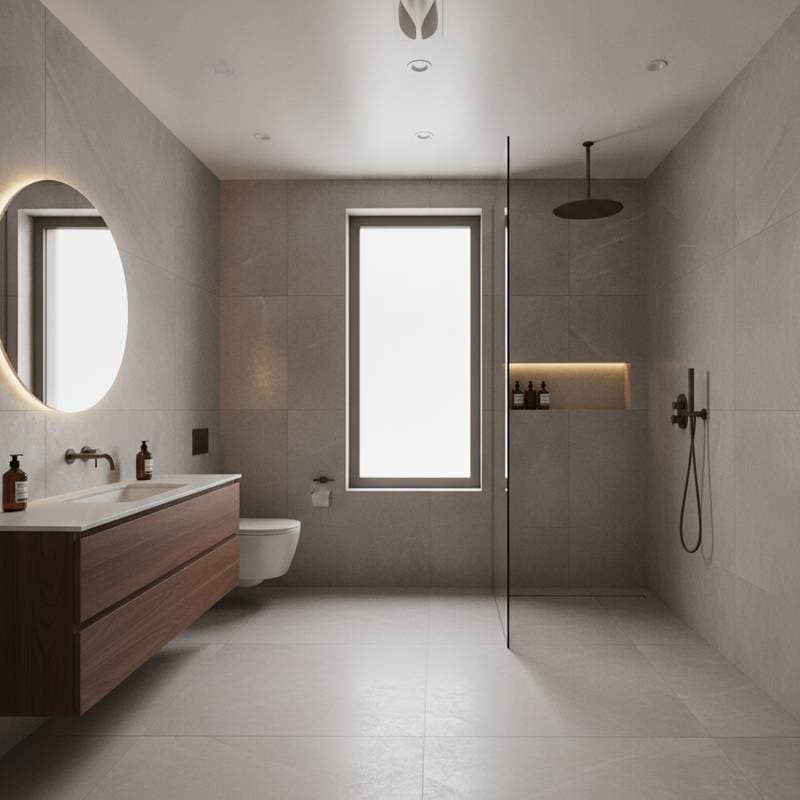
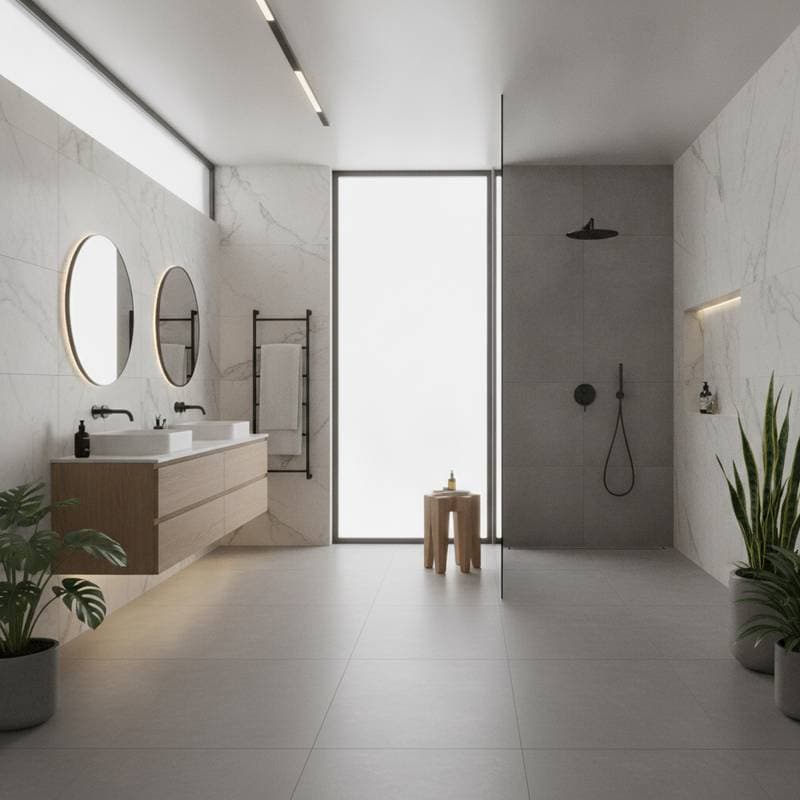
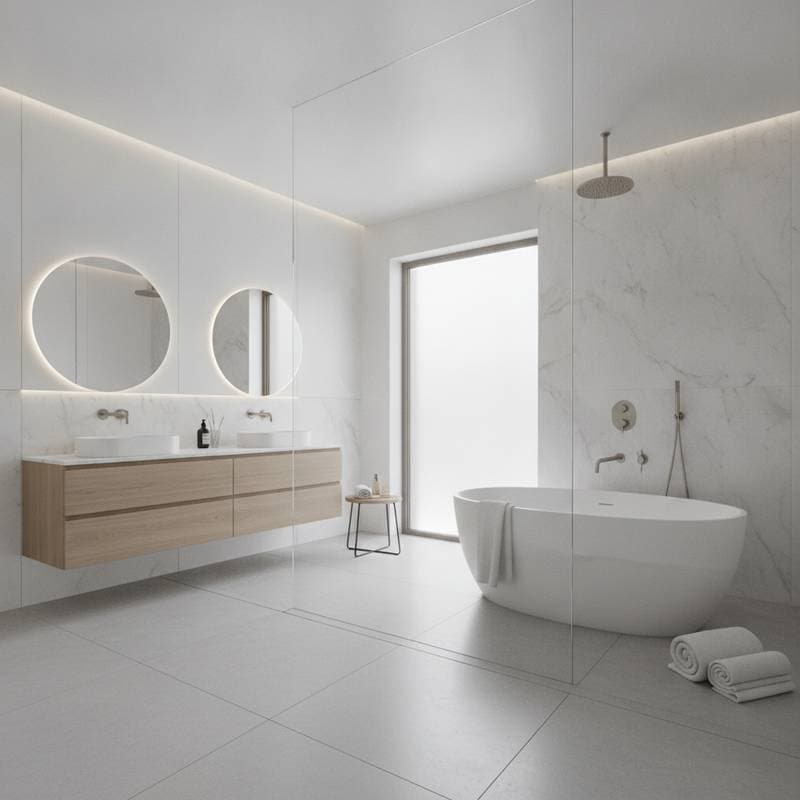
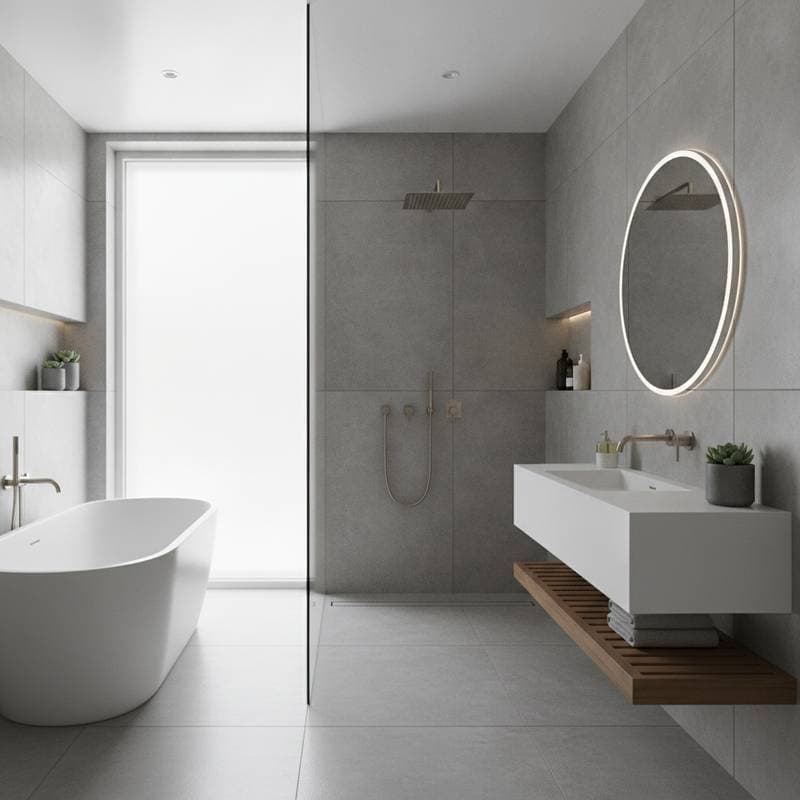
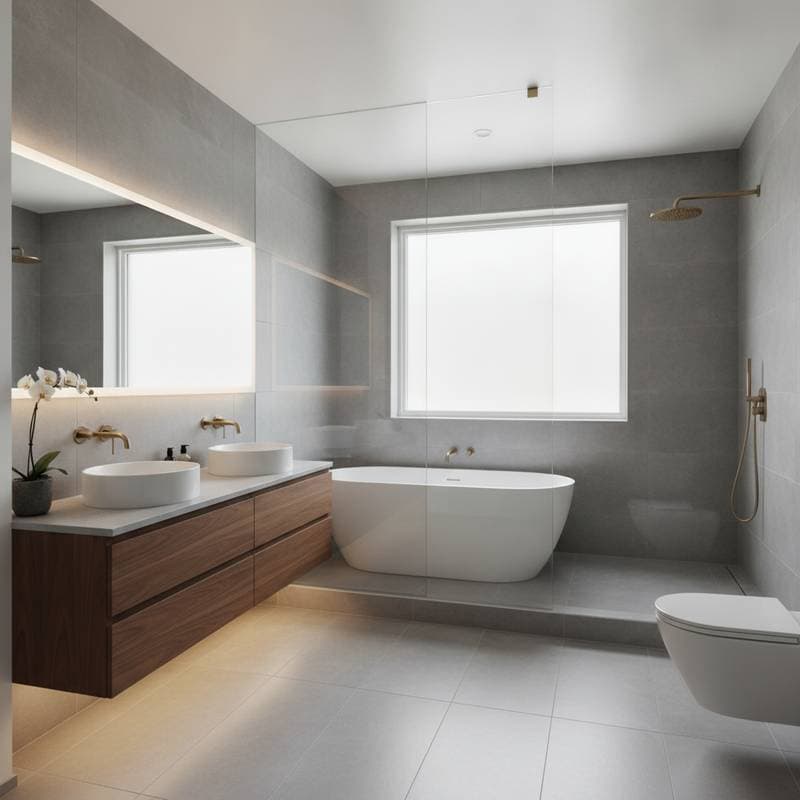
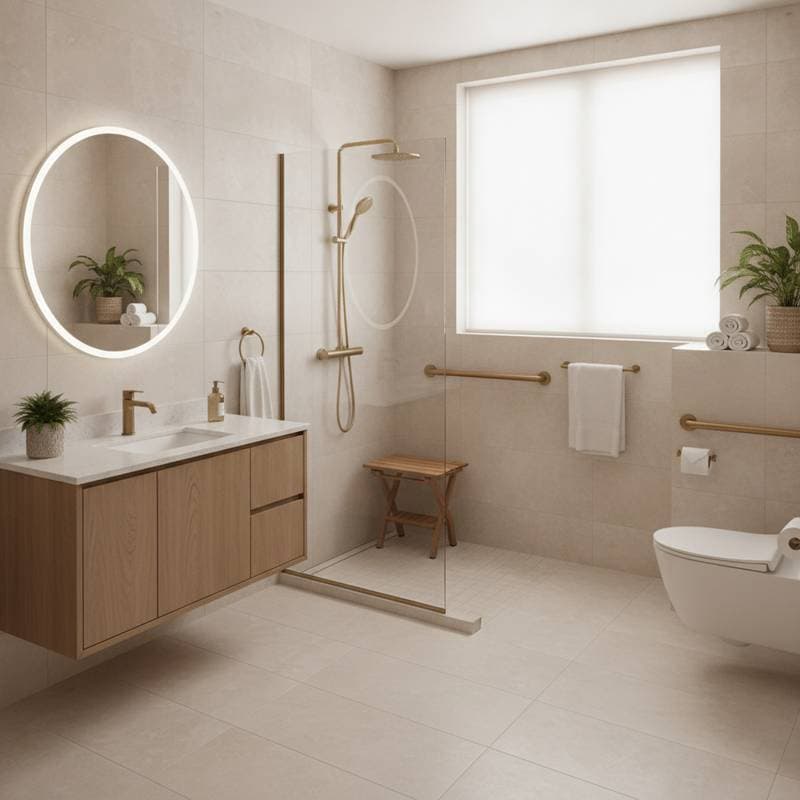
Key features include conversion of a tub to a curbless shower. Add a handheld showerhead on an adjustable slide bar. Install slip-resistant porcelain tile. Include a fold-down seat and recessed shelving. Widen the doorway to at least 34 inches.
This tier gives lasting accessibility and looks modern for resale. It fits most single-family homes where owners plan to stay long term.
DIY vs Pro
When DIY Makes Sense
Install grab bars, handheld showerheads, or non-slip mats. Paint, upgrade lighting, or swap simple faucets. Replace cabinet hardware for easier grip. These tasks cost little and carry minimal risk if you follow safety basics.
Turn off water at the main shutoff before working on plumbing. Use a stud finder before drilling for grab bars. Wear gloves and safety glasses when handling tile or adhesives.
When to Hire a Pro
Any plumbing or electrical rewiring requires a professional. Structural changes, wall removal, or layout expansion also need expert handling. Walk-in tub or curbless shower installations belong in this category.
Improper slope or drain connections cause leaks and costly mold repairs. Electrical work in wet areas must meet code and usually requires a licensed contractor.
Hire a pro when you see existing water damage. Outdated wiring or fuse panels signal the need for help. Low water pressure or poor drainage also indicates professional involvement.
A general contractor or certified aging-in-place specialist ensures compliance and warranty coverage.
Maintenance and Warranties
Accessibility fixtures last longer when maintained properly. Set a quarterly reminder to inspect seals, caulking, and grab bars.
Clean tile grout and reseal every 2 to 3 years. Test grab bars for looseness. Inspect flooring for cracks or lifting edges. Replace silicone around showers when discoloration appears.
Fixtures carry warranties from 1 to 10 years depending on the manufacturer. Tile and flooring reach up to 20 years with proper sealing. Labor typically covers 1 year from the contractor.
Ask for written warranty documents before final payment. Extended warranties make sense for walk-in tubs and electronic fixtures.
Keep humidity under control with a vent fan rated for your room size. Moisture damage shortens lifespan faster than any other factor.
Safety and Compliance
Before starting, confirm local requirements for electrical outlets and GFCI protection. Check non-slip flooring standards. Verify minimum clearances around toilets and showers. Observe water temperature limits to prevent scalding.
Use gloves, non-slip shoes, eye protection, and a dust mask during demolition. Turn off power at the breaker when working near outlets or lighting. Shut off water before removing fixtures. Licensed professionals must handle any work that touches structural walls or load-bearing framing.
Skipping permits or code checks can void insurance coverage. Always verify with your local building department before demolition begins.
Begin Your Renovation
Start by assessing your current bathroom for hazards and limitations. Measure doorway widths, check lighting levels, and look for trip risks. Then match your goals to one of the three project levels.
Get a home evaluation from a certified aging-in-place specialist. Set a realistic budget using the cost ranges above. Gather three quotes from licensed contractors. Include project scope, materials, and timeline. Plan for contingency funds of at least 10 percent. Order materials early to avoid delays during installation.
If you complete one upgrade first, choose a curbless shower with grab bars. It prevents slips, adds resale value, and works for every age group.
Aging-in-place bathrooms create smarter, safer spaces that fit any modern home. With careful planning and clear budgeting, you earn a 15% ROI while preparing your home for every stage of life.