Smart Glass Windows Reduce Energy Costs by Up to 40 Percent and Increase Home Value
Typical installed cost ranges from 850 to 1200 dollars per window. Users report heating and cooling expenses dropping by as much as 40 percent.
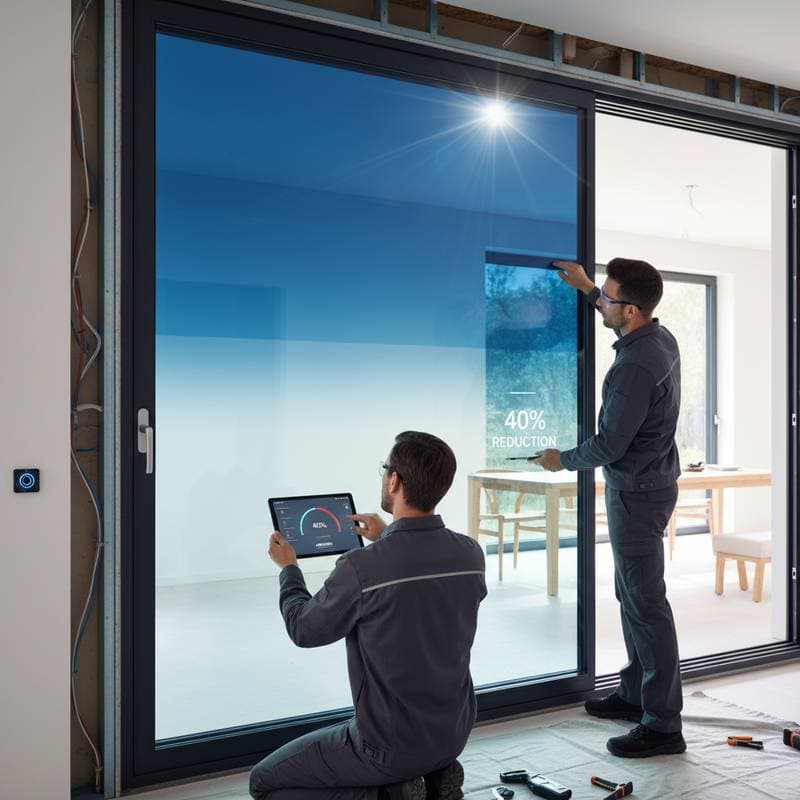
Smart glass windows rely on electrochromic technology that applies a low voltage current to adjust tint levels in response to sunlight intensity. The glass reduces solar heat gain during summer months and retains interior warmth during winter. Glare is controlled without additional window treatments, which creates a quieter indoor environment that many buyers view as a high end feature.
Cost Factors
Glass type and technology represent the largest expense. Standard electrochromic panels cost between 400 and 700 dollars each, while advanced models with zone control and smart home integration range from 800 to 1200 dollars.
Frame material affects both price and performance. Aluminum conducts heat readily. Vinyl offers lower cost but reduced rigidity on large openings. Wood clad frames improve insulation yet increase total expense by 20 to 30 percent.
Size and shape influence material and labor requirements. Custom or curved units raise project costs by approximately 25 percent because of added handling and structural support.
Electrical integration requires connection to a low voltage control system. Homes with an existing smart hub incur only wiring expenses. New installations may require a transformer that adds 600 to 1200 dollars.
Professional labor typically costs 150 to 300 dollars per window. Older homes sometimes need electrical upgrades or permit inspections that add 100 to 300 dollars.
Removal of existing windows adds 20 to 50 dollars per unit. Subsequent trim repairs or repainting can total 200 to 600 dollars depending on the scope of work.
Allocate an additional 10 to 15 percent of the budget for unforeseen conditions, particularly in structures built before 1990.
DIY Installation versus Professional Service
Homeowners considering a do it yourself approach need advanced electrical skills, precise glazing experience, and specialized tools such as voltage testers and suction cups. Risks include electrical shock, glass breakage, and loss of manufacturer warranty coverage.
Professional installation remains the recommended path for nearly every project. Certified teams handle wiring, weather sealing, and code compliance while preserving warranty terms. A complete home project usually finishes within three to five days after materials arrive.
Schedule professional service when existing windows show seal failure, when integration with a control hub is required, or when automation with heating and cooling systems is desired.
Maintenance and Warranties
Routine care consists of cleaning with mild soap and a soft cloth. Abrasive pads and ammonia based products must be avoided to protect surface coatings.
Service life extends 20 to 30 years depending on climate exposure and model quality. Warranties commonly cover glazing for 10 to 15 years and electrical components for 5 to 10 years.
Perform annual inspections of seals and caulking. Keep sensor lenses free of dust. Test tint response at the start of each season. Contact a technician if a panel fails to respond or displays uneven shading.
Moisture intrusion and power surges cause most malfunctions. Surge protection devices and regular seal maintenance reduce early failure rates.
Repair versus Full Replacement
Repair makes sense when only one panel loses tint function and the control system can be reset without extensive rewiring.
Replacement becomes necessary when glass shows fogging or delamination, when multiple panels fail simultaneously, or when connectors exhibit corrosion.
Full replacement generally delivers superior long term energy performance and eliminates recurring service visits. Homes with windows older than ten years or visible condensation between panes benefit most from a complete upgrade.
Project Planning Steps
Begin by mapping sun exposure on each elevation to prioritize high gain rooms. Obtain three detailed quotes that itemize both materials and labor warranties. Verify compatibility with any existing smart home platform before ordering equipment.
Include allowances for control panels, transformers, and surge protection in the budget. Schedule work during moderate weather so sealants cure properly. Submit rebate documentation prior to the start date and retain all receipts for future resale support.
Long Term Value
Smart glass windows deliver measurable reductions in utility costs while filtering ultraviolet radiation that fades interior furnishings. The technology adds a contemporary appearance that aligns with buyer preferences for energy efficient properties. Annual performance checks sustain reliable operation across the full service life.