Hidden Prep Spaces That Deliver Strong Returns
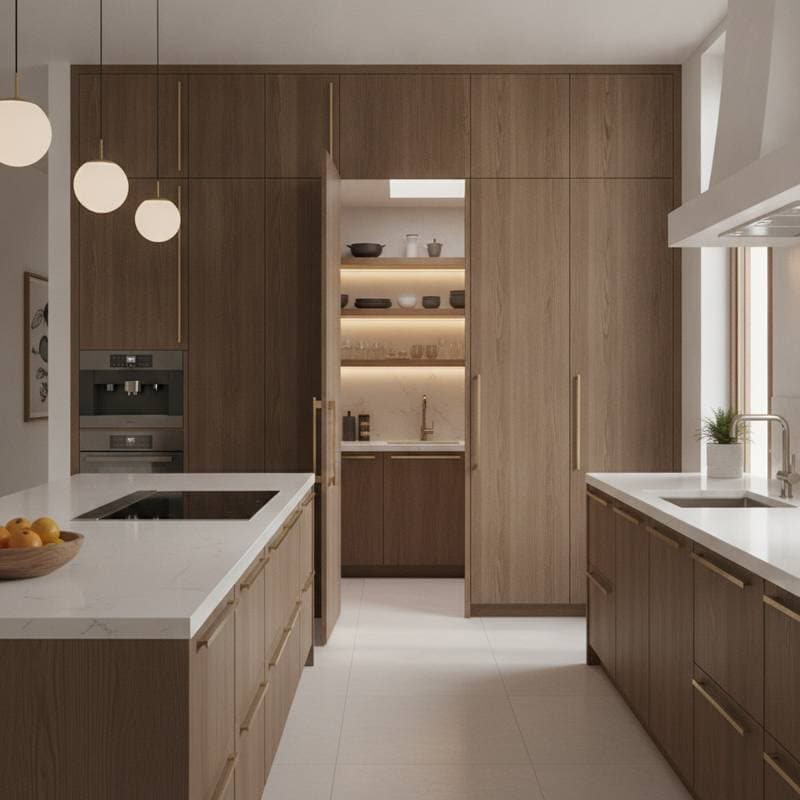
A butlers pantry brings together luxury and utility in residential design. Homeowners achieve up to a 92 percent return on investment with thoughtful planning. This feature supports both daily routines and high-end entertaining.
Core Purpose and Layout
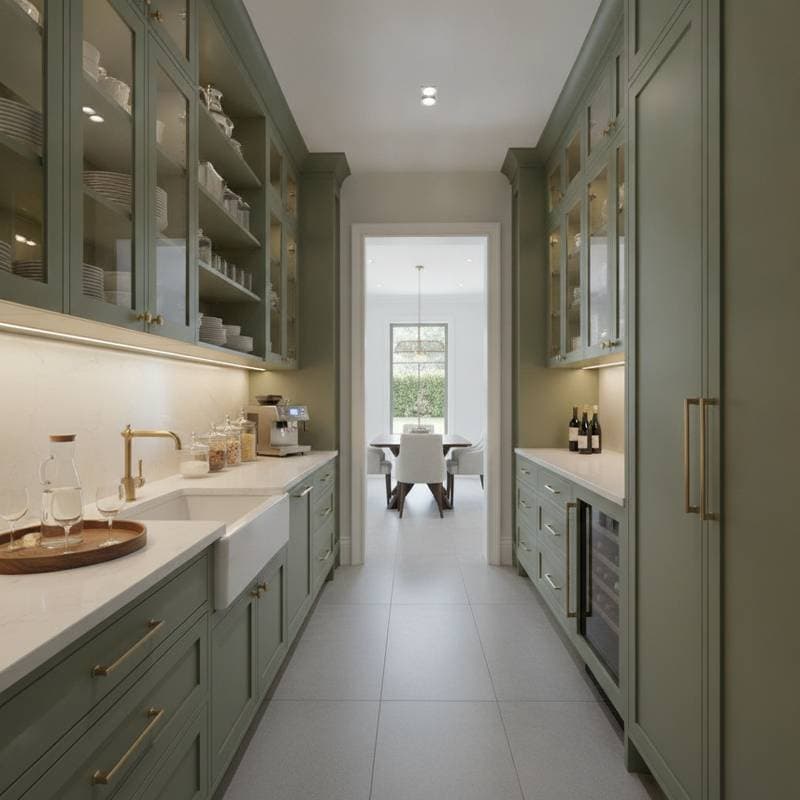
This space functions as a compact transition zone between kitchen and dining areas. It handles food staging, appliance storage, and cleanup tasks out of guest view. Typical dimensions range from 25 to 50 square feet, though smaller alcoves succeed with efficient cabinet placement.
Modern iterations often incorporate a secondary sink, beverage refrigerator, or dishwasher drawer. These additions create a dedicated work zone that keeps the main kitchen counters clear.
Design Steps for Best Results
- Select an adjacent location such as a hallway recess or underutilized closet.
- Confirm minimum dimensions of five feet by six feet for comfortable movement.
- Allocate counter space plus room for one or two appliances.
- Select cabinetry and counter materials that either match or intentionally contrast with the primary kitchen.
- Install task lighting, electrical outlets, and plumbing connections where needed.
- Incorporate organizational elements including labeled containers and open shelving.
Budget and Timeline Expectations
| Task | Typical cost | Factors that influence price |
|---|---|---|
| Framing and drywall | $800 to $2,000 | Wall modifications and room size |
| Cabinetry and counters | $3,000 to $10,000 | Material grade and customization level |
| Plumbing and electrical | $1,200 to $3,000 | Addition of sink or dedicated circuits |
| Flooring and finishes | $1,000 to $3,000 | Material selection and trim details |
| Appliances and extras | $1,500 to $4,000 | Specialty refrigeration or dishwashers |
Total project costs generally fall between $7,500 and $22,000. Most installations require two to five weeks when professionals manage permitting and custom orders.
Professional Versus Owner Installation
Owners can handle simple conversions of existing closets using basic shelving and paint. Projects that involve new plumbing, electrical work, or structural changes require licensed contractors to maintain code compliance and protect future resale value.
Value-Enhancing Features
Neutral cabinet finishes paired with hidden storage appeal to a broad buyer pool. Quartz or premium laminate surfaces reduce maintenance demands. Under-cabinet LED lighting improves both appearance and task visibility. Dedicated zones for coffee service or wine storage increase daily usefulness.
Regional considerations include moisture-resistant materials in humid areas and proper insulation around pipes in colder climates. Coastal installations benefit from stainless fixtures and mildew-resistant coatings.
Daily Advantages
The addition keeps preparation mess separate from guest areas. Small appliances move off primary counters. An extra sink or dishwasher speeds cleanup after large gatherings. Many homeowners report that the second workspace becomes indispensable once experienced.
Key Drivers of the Reported Return
Quality finishes that align with the rest of the kitchen increase perceived value. An intentional layout avoids any sense of leftover space. Bright, layered lighting ensures the room feels functional rather than cramped. Integrated appliances add convenience that buyers notice during showings.
Practical Recommendations
Maintain clear traffic paths so the pantry does not interrupt main kitchen circulation. Choose pull-out drawers over deep shelves for easier access. Motion-activated interior lights aid quick retrieval. Ventilation prevents odor buildup when cooking appliances are present.
Common Questions
What size works best?
Most successful examples measure between 25 and 50 square feet, yet compact versions deliver similar benefits with careful storage planning.
Is a sink required?
A sink is optional yet adds convenience for rinsing glassware and preparing beverages.
Does the space need natural light?
Windows are unnecessary. Effective artificial lighting and ventilation prove more important for usability.
Integration During Home Projects
The ideal moment occurs alongside a full kitchen renovation when walls remain open. New construction allows planners to allocate the space from the outset. Even modest homes gain function from a compact cabinet with counter surface and outlets.