Moody Earthy Palettes Lead 2026 Interior Trends
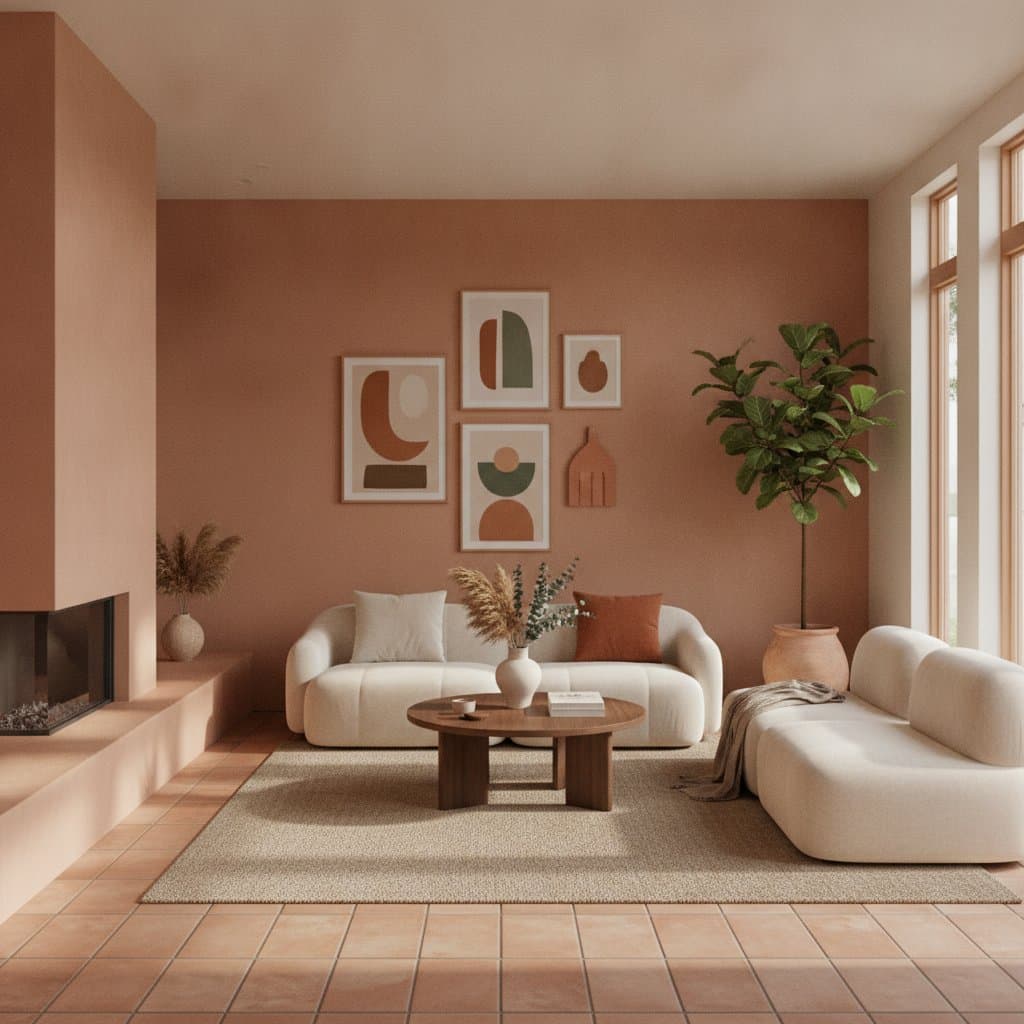
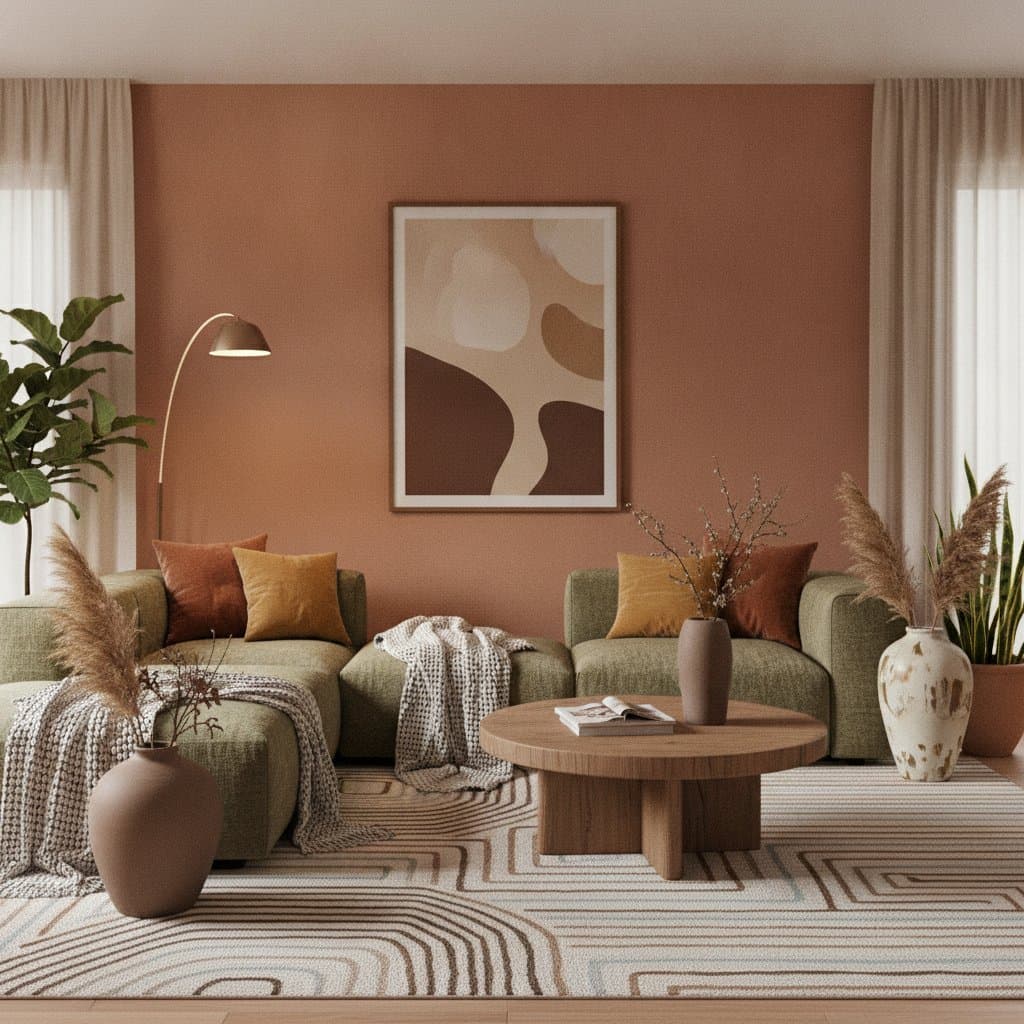
Earthy color palettes now define interior design. Deep terracotta, olive green, mushroom beige, and soft clay create rooms that feel grounded, warm, and lived in. The approach stays moody yet calm, emphasizing comfort paired with character.
Core Elements of the Palette
Moody earthy palettes rely on muted natural colors that carry visible warmth. They avoid bright whites and cool grays in favor of hues drawn from soil, stone, bark, and clay. The outcome produces spaces that read as steady and timeless.
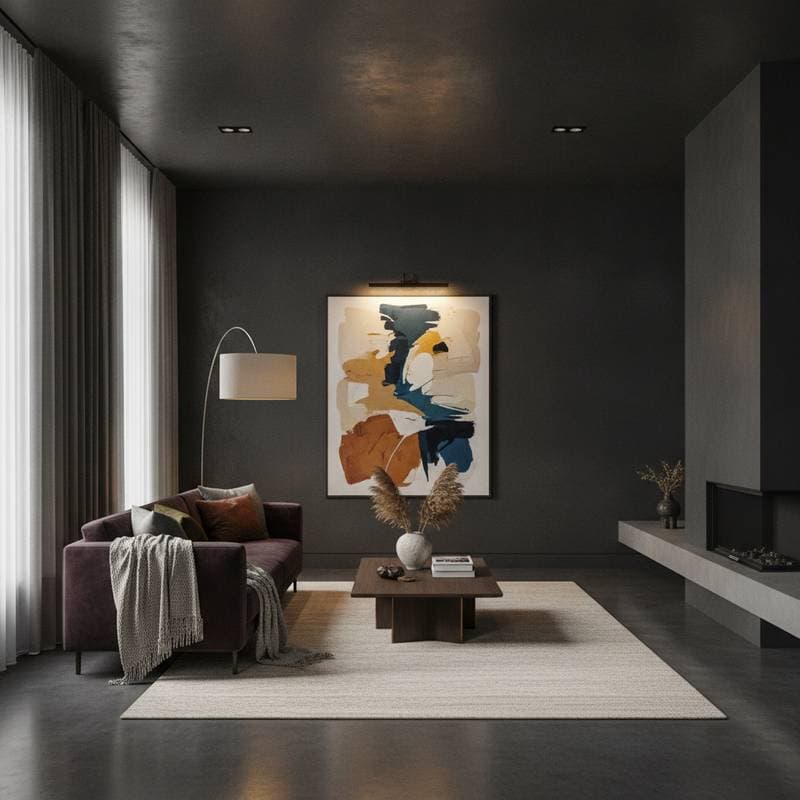
Matte finishes, layered textures, and low contrast support the effect. The aim remains a room that functions as a retreat: cozy without weight and minimal without coldness.
Steps to Create the Look
- Select one dominant earthy tone such as terracotta, taupe, or olive.
- Introduce a grounding neutral like sand, mushroom, or clay to balance the scheme.
- Layer textures through linen, wool, plaster, and unpolished wood.
- Replace bright bulbs with warm tone lighting rated 2700 to 3000 Kelvin.
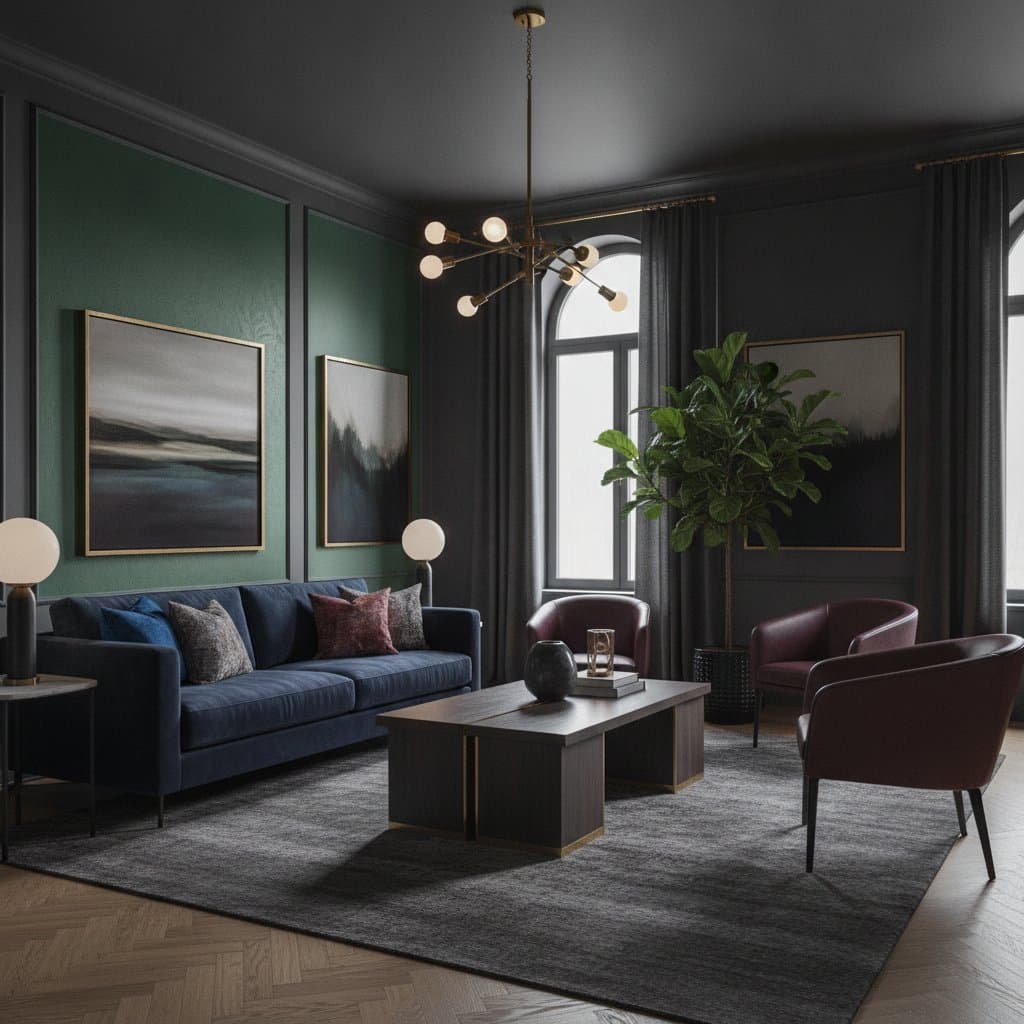
- Introduce measured contrast with one black frame or dark vase.
- Maintain open surfaces and limited decor so color remains the focus.
Budget Considerations
| Task | Typical Cost | Factors That Influence Price |
|---|---|---|
| Repainting interior walls | $2 to $5 per square foot | Paint quality, wall preparation, labor |
| Replacing textiles and decor | $400 to $1,200 | Fabric type, room size |
| Adding texture finishes such as limewash or plaster | $4 to $10 per square foot | Application skill, wall condition |
Costs shift by region. Areas with higher humidity often require additional preparation or sealing.
Project Timeline
A complete room refresh that includes paint, lighting, and decor generally requires two to four days. Painting one coat usually occupies a full day, with drying time between coats. Limewash or plaster applications add one or two extra days for curing. Simple swaps of pillows or lamps can finish in a single afternoon.
When to Choose DIY or Professional Help
DIY suits projects limited to one or two rooms where walls remain in good condition and clean edges are achievable. Professional assistance becomes advisable when textured finishes are planned, when ceilings or trim require color blending, or when lighting and electrical fixtures will change. Professionals deliver even coverage and manage prep on older walls safely.
Recommended Tools and Materials
- Paint rollers, brushes, and trays
- Drop cloths and painter tape
- Sandpaper or spackle for surface repair
- Warm tone bulbs rated 2700 to 3000 Kelvin
- Natural textiles such as linen or cotton
- Soft rugs or woven mats
Standard tools combined with patience produce better results than premium brands.
Climate and Code Adjustments
Humid regions benefit from mildew resistant paint. Desert areas can reduce heavy texture to prevent cracking. Colder climates gain warmth from wool or velvet layers. Many municipalities require low VOC or eco certified paints, so local codes should be checked before work begins.
Safety Practices and Upkeep
Ventilate rooms during painting and keep open flames away from solvents. Gloves protect skin when handling limewash or plaster. Finished surfaces need only gentle dusting with a dry cloth. Harsh cleaners that remove pigment or texture should be avoided.
Long Term Enjoyment
Moody earthy interiors develop subtle depth as paint ages. Seasonal rotation of a few accessories keeps the scheme current without large changes. A terracotta vase used in summer can give way to a dark ceramic bowl in winter. The palette supports flexible styling with minimal ongoing effort.
Common Questions
Which colors belong in a moody earthy palette? Terracotta, olive, clay, sand, rust, and espresso combine effectively.
Can small rooms accommodate dark earthy tones? Matte finishes and warm lighting maintain a cozy atmosphere rather than a cramped one.
Do these colors suit modern furniture? Clean lines and natural wood complement muted tones well.
Is limewash paint a worthwhile investment? The material adds depth and texture that standard paint cannot replicate.
How long will this trend remain relevant? Earth tones shift gradually yet retain timeless appeal across seasons.
First Steps Forward
Begin with a single accent wall or a few textile changes before committing to full repainting. The shift in atmosphere becomes clear once terracotta or olive enters the space.