Electric Panel Upgrades That Increase Home Value
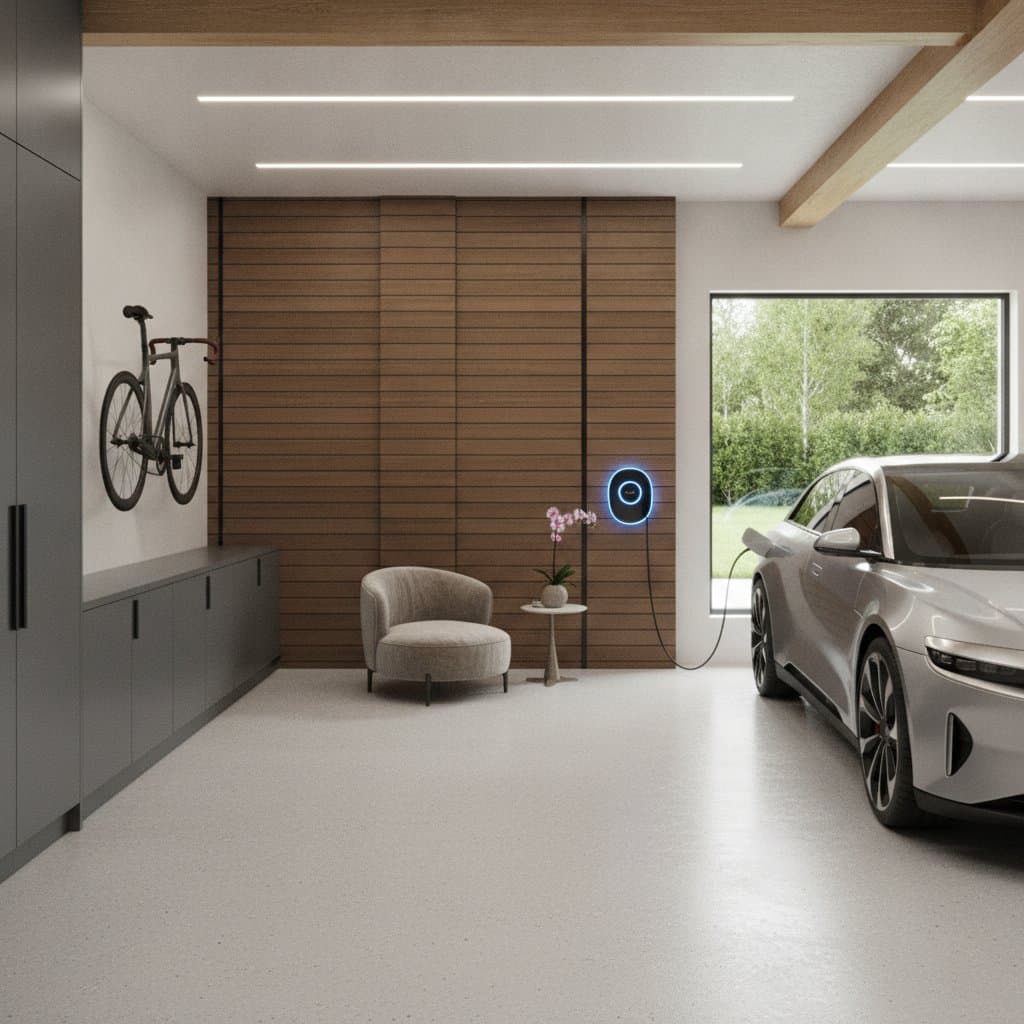
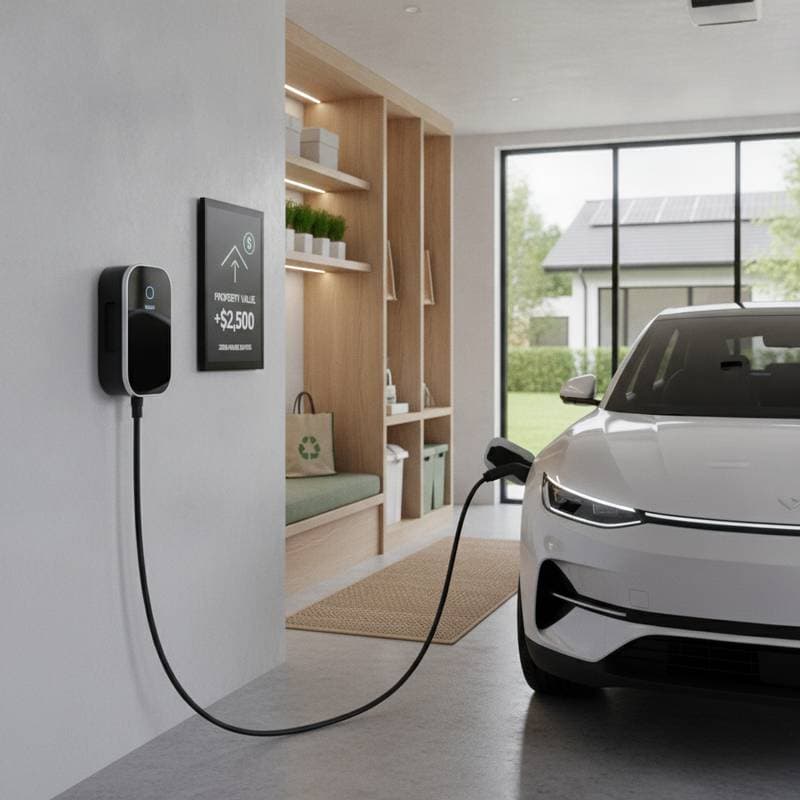
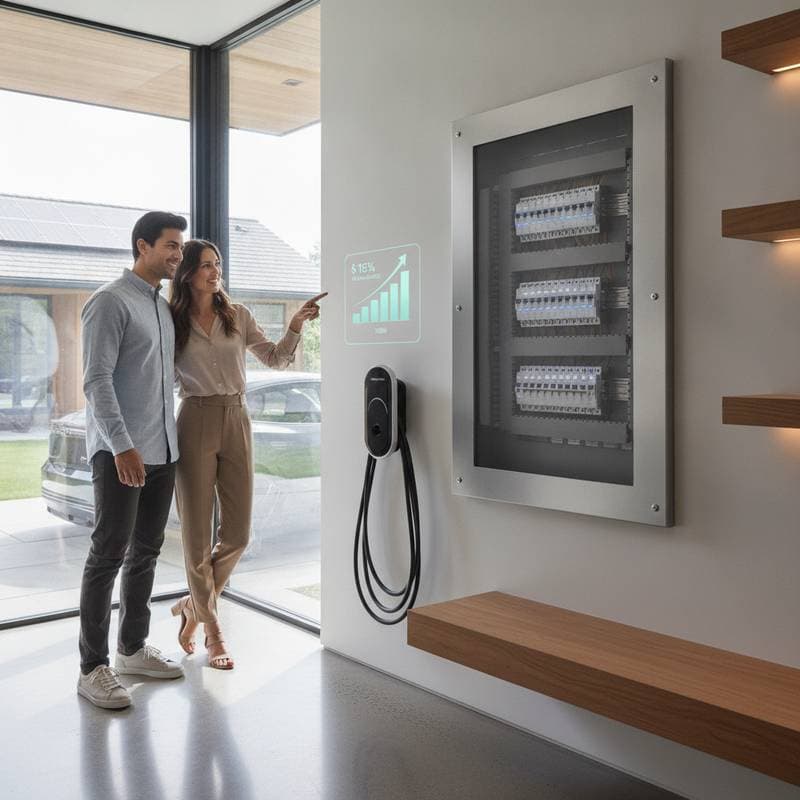
Upgrading an electric panel improves safety, meets higher power demands, and often raises resale value. Appraisers and real estate agents note that homes with updated electrical capacity frequently sell for 10 to 15 percent more than comparable properties with older service. Homeowners who plan to add electric vehicle chargers, heat pumps, or solar arrays commonly require greater panel capacity.
This upgrade suits properties that experience repeated breaker trips, still rely on fuse boxes, or will soon host high demand appliances.
Key Advantages
- Supports increased electrical loads from modern devices and systems
- Strengthens buyer interest and supports stronger offers during resale
- Lowers chances of circuit overloads and associated fire risks
- Accommodates future additions such as EV charging stations or solar connections
- Improves compliance with current codes, which can reduce insurance concerns
Potential Drawbacks
- Requires a larger initial investment than many other home improvements
- Involves a temporary power shutdown during the work
- May encounter permit reviews and inspection scheduling that extend the timeline
- Can require coordination with the utility company that adds steps
Professional Installation Is Essential
Difficulty: High.
Time: 6 to 10 hours including inspection.
Tools needed: Multimeter, conduit bender, wire strippers, torque wrench, and proper safety equipment.
Risk level: Severe shock, fire, or code violation if performed incorrectly.
A licensed electrician should handle every panel upgrade. Professionals calculate conductor sizes accurately, obtain required permits, and ensure full code compliance. Work completed by homeowners is frequently rejected by inspectors and may void insurance coverage.
Lifespan and Routine Care
A properly installed panel typically functions for 25 to 40 years. Schedule terminal tightening during periodic electrical inspections. Keep the area around the panel dry and free of stored items. Replace any worn breakers at the first sign of trouble and inspect for corrosion or heat marks.
Manufacturer warranties usually span 10 to 20 years. Retain all documentation for insurance records and future sale negotiations.
Regional and Code Factors
Coastal locations with high moisture or salt exposure benefit from corrosion resistant enclosures. Some jurisdictions now mandate arc fault and ground fault protection on most circuits, which increases material expenses. Labor costs run 20 to 30 percent higher in urban markets because of permit and inspection requirements. Underground service replacements involve trenching and extra conduit, while overhead connections remain simpler and less expensive.
Safety Requirements
Panel work carries inherent hazards. Shut off the main breaker and confirm zero voltage before any conductor is touched. Wear insulated gloves and eye protection at all times. Follow National Electrical Code rules for conductor sizing and grounding. Maintain a dry, well lit workspace and install only listed breakers matched to the panel brand. Never begin a panel replacement without permits and final inspection.
Next Steps for Homeowners
Obtain a load calculation and written estimate from a licensed electrician. Request at least three bids that itemize permit and inspection fees. Address the project promptly if lights flicker, breakers trip often, or unusual sounds come from the panel. A 200 amp upgrade prevents later rewiring when EV chargers or solar systems are added. Review local incentive programs and insurance discounts that reward electrical safety improvements.
Preparing Your Home for Modern Demands
An updated panel delivers immediate safety gains while positioning the property for clean energy technologies and higher market appeal.