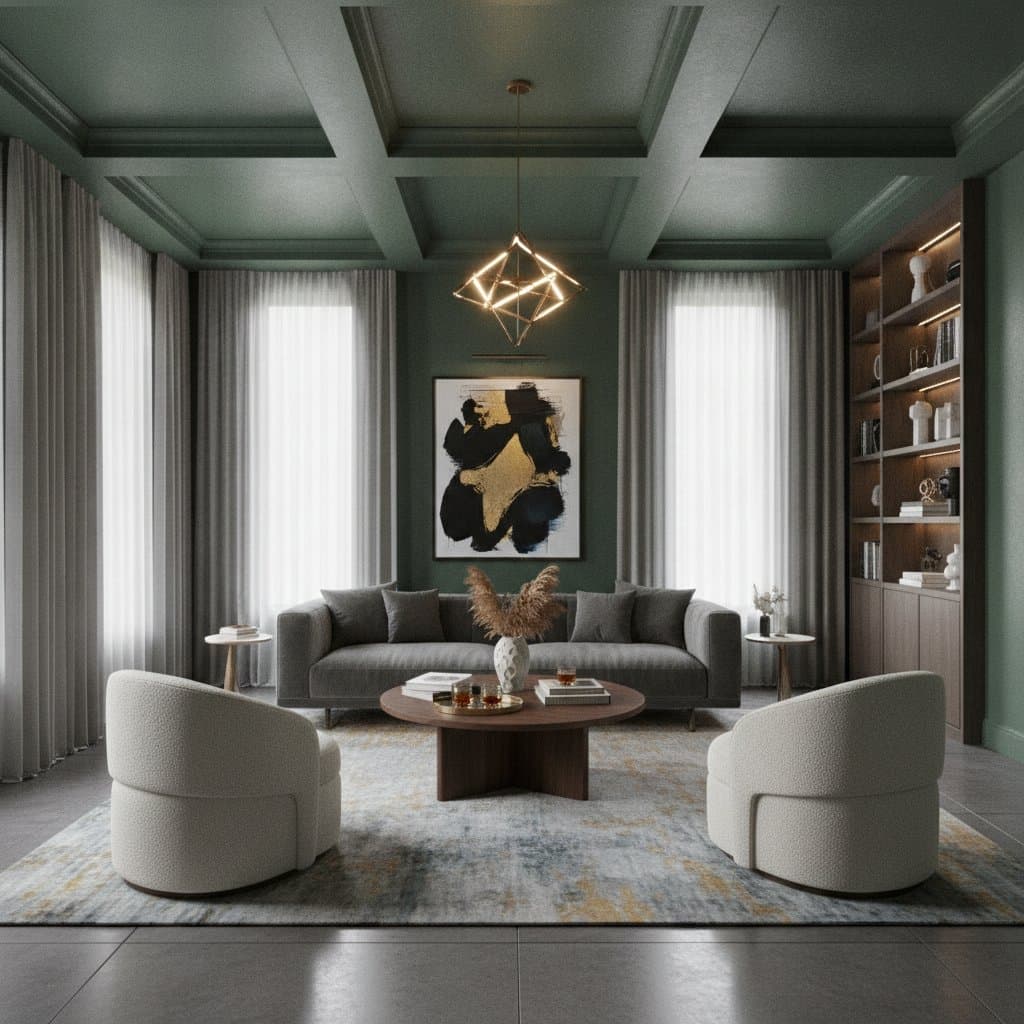
Dark Walls for Modern Drama in 2026
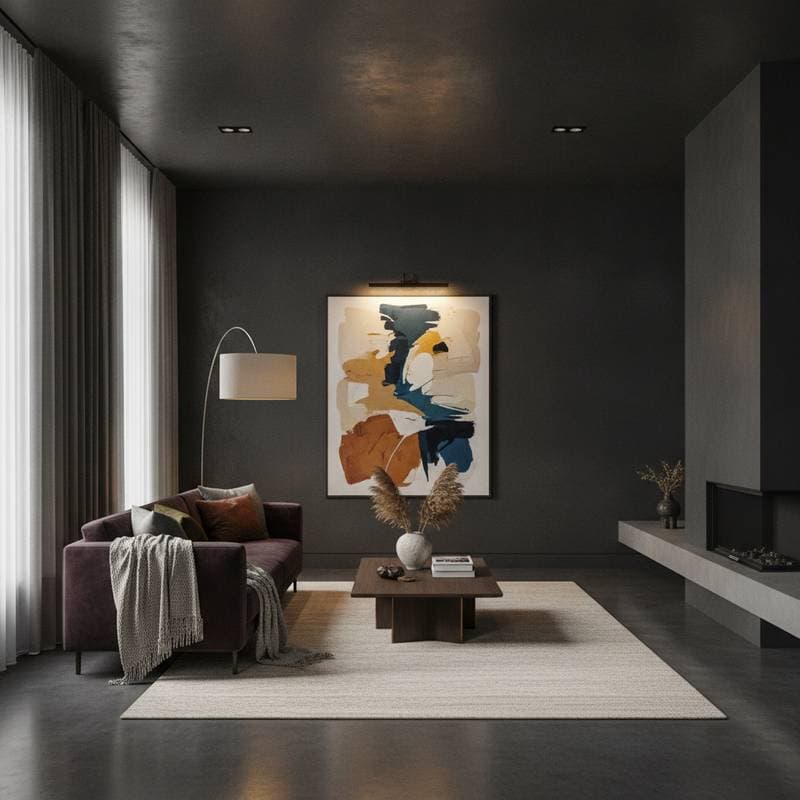
Dark walls deliver bold sophistication to contemporary homes. They introduce warmth and character across diverse architectural styles. Homeowners select deep hues to craft intimate yet refined environments.
Selecting the Ideal Shade
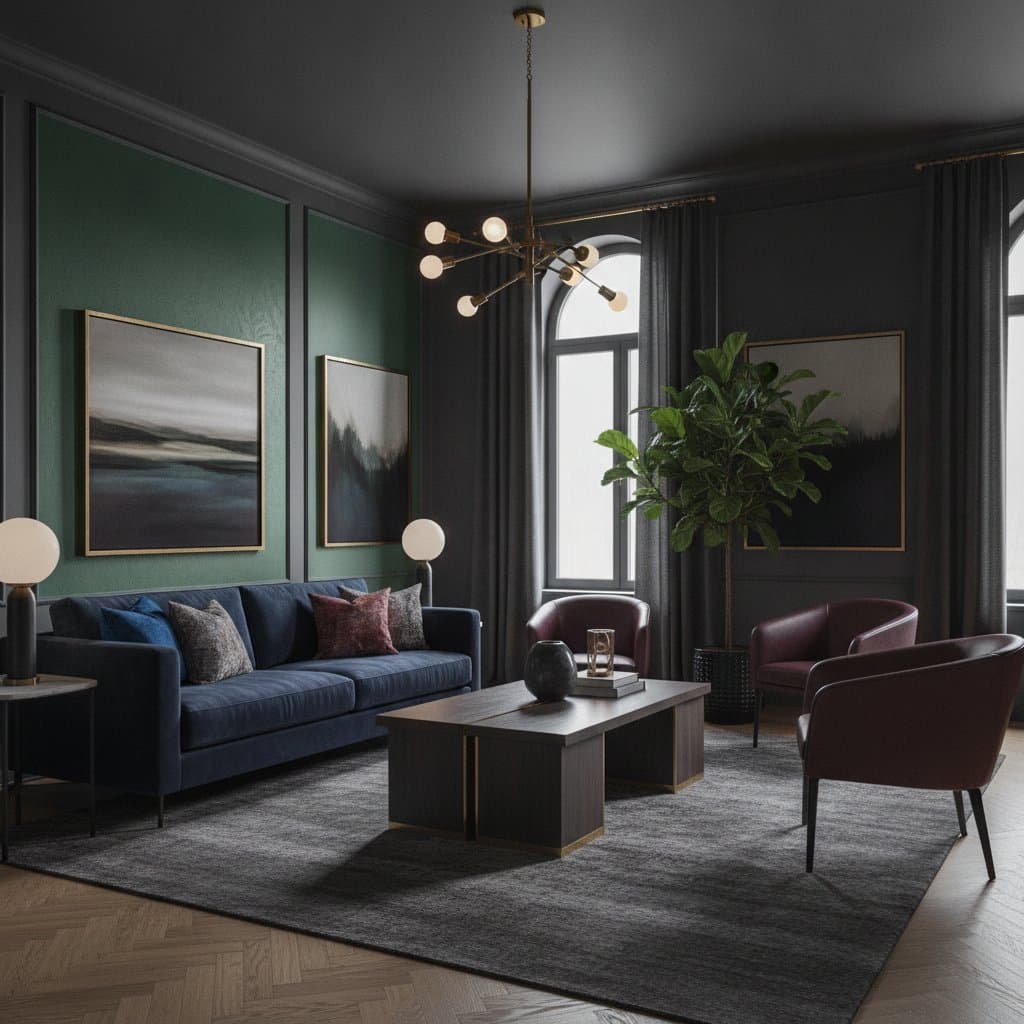
Consider the desired atmosphere before committing to a color. Deep navy creates a structured and timeless impression in formal spaces. Charcoal gray complements minimalist designs with its clean neutrality. Forest green introduces organic depth that pairs well with natural elements. Aubergine offers an unexpected elegance suitable for creative rooms. Black provides enduring versatility when offset by ample illumination and tactile materials.
Apply multiple test patches on different walls. Observe how each shade transforms under morning light, afternoon sun, and evening fixtures. Natural light softens tones while artificial sources can intensify them.
Essential Tools and Preparation
Gather these items for consistent results. Use a premium roller and angled brush to achieve even coverage. Secure painter tape and drop cloths to protect surrounding surfaces. Apply tinted primer as the foundation for dark pigments. Select matte or eggshell paint to minimize visible imperfections. Keep a ladder and damp cloth nearby for safety and quick corrections.
High-quality tools prevent streaks that become prominent on saturated colors.
Application Timeline and Considerations
A typical room requires one to two days including preparation and final cleanup. Humidity extends drying periods between coats. Professional painters complete projects more efficiently through superior equipment and technique.
Homeowners who attempt the work themselves reduce expenses yet must allocate additional time for corrections. Uneven application shows readily on dark surfaces.
Design Approaches for Balance
Offset depth with strategic brightness and texture. Display artwork in light frames or metallic finishes. Incorporate natural wood furnishings to introduce warmth. Position mirrors to reflect light and enlarge the perceived area. Layer textiles in soft neutrals, rust, or blush tones for comfort. Maintain minimal furnishings so the color remains the focal point.
Tone-on-tone treatments on trim and ceilings produce a cohesive cocoon effect for added luxury.
Avoiding Common Pitfalls
Apply tinted primer to prevent streaking on dark paint. Choose matte finishes to conceal roller marks and surface flaws. Evaluate lighting conditions to avoid overly enclosed results in windowless areas. Test trim colors separately under actual room illumination. Allow full drying time between coats for uniform appearance.
Adjustments for Different Environments
Select mildew-resistant formulas in humid or coastal locations. Opt for wipeable finishes in dusty regions where marks appear more readily. Favor warmer undertones such as cocoa or olive in colder climates to counter subdued daylight. Verify building regulations before altering colors in shared structures.
Evaluating Suitability for Your Space
Dark walls enhance both expansive and compact rooms when applied thoughtfully. They foster closeness in large areas and intentional design in smaller ones. Begin with a single accent wall to assess the effect before expanding. These shades conceal everyday wear better than lighter alternatives and adapt to future decor changes.
Expert Recommendations for Lasting Results
Paint large sample areas to evaluate performance in varied lighting. Specify matte finishes for living areas and bedrooms. Retain white or pale ceilings unless pursuing a fully immersive effect. Address minor marks with targeted touch-ups using a foam brush. Install dimmer controls to adjust ambiance throughout the day.
Enjoying the Timeless Appeal of Dark Walls
Properly executed dark walls create enduring style that evolves with changing tastes. They reward careful planning with spaces that feel both dramatic and welcoming.