AI Color Tools That Transform Home Interiors
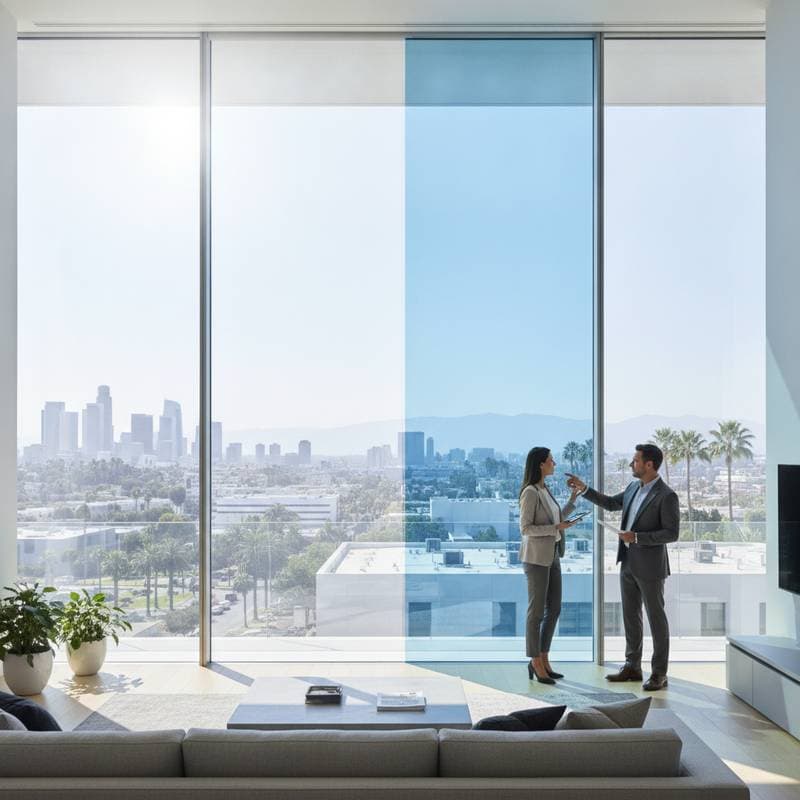
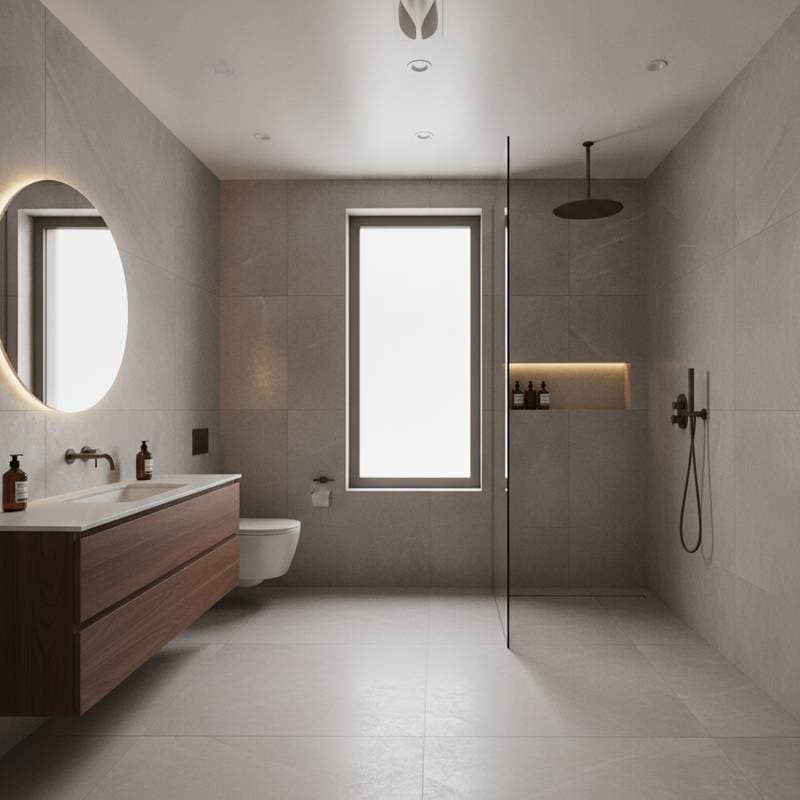
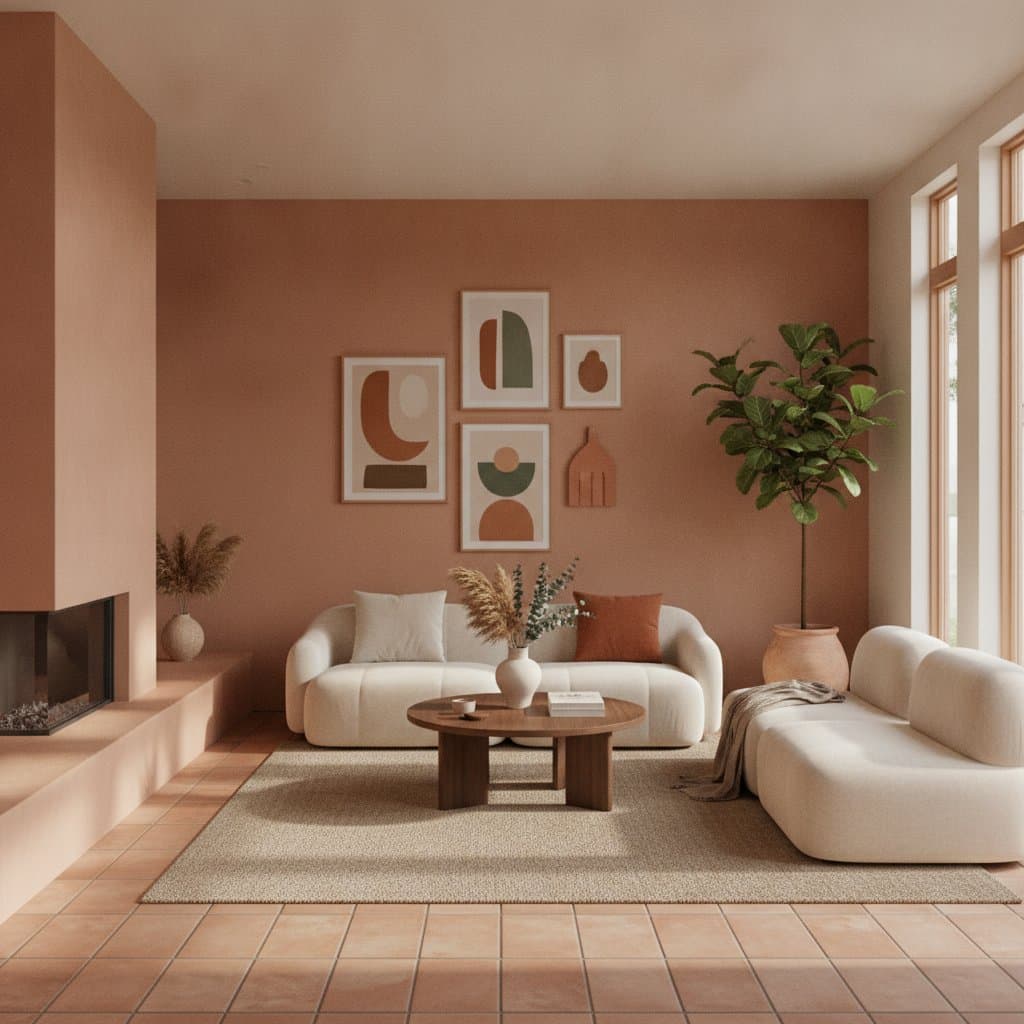
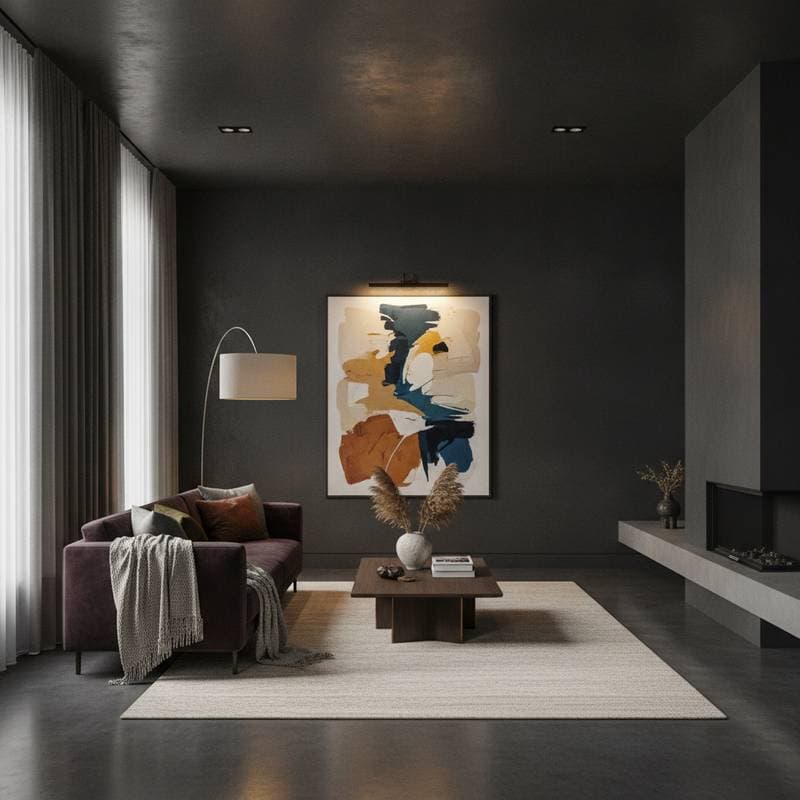
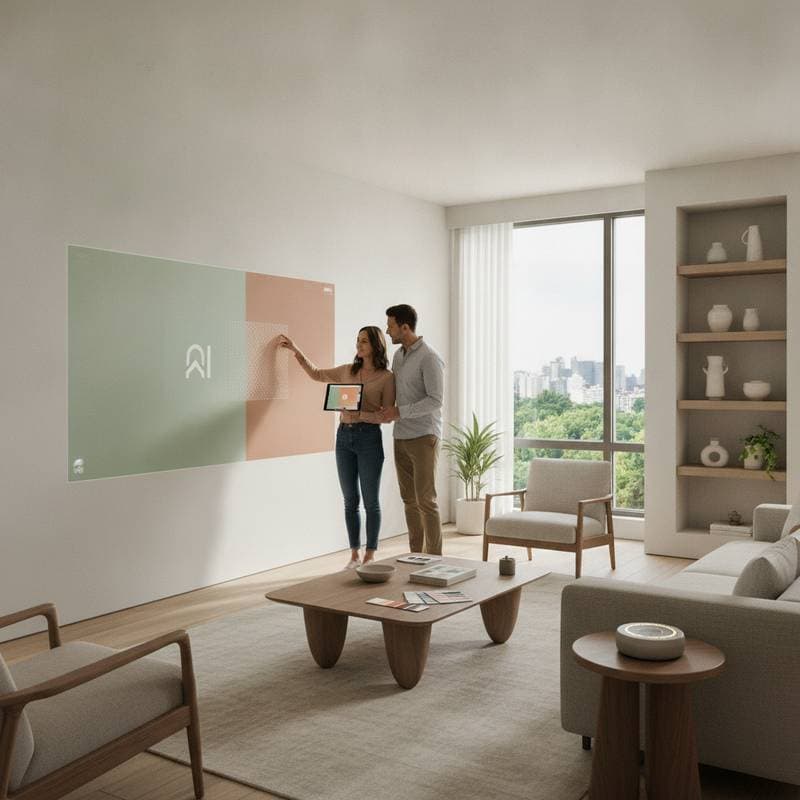
AI color tools help homeowners select paint and finishes with greater precision. These systems analyze lighting conditions, existing furniture, and room dimensions to generate tailored suggestions. Users gain visual previews that reduce uncertainty during planning stages.
Key Advantages and Limitations
Advantages
- Narrow color options quickly through automated analysis of room data.
- Minimize excess paint purchases by confirming selections via digital previews.
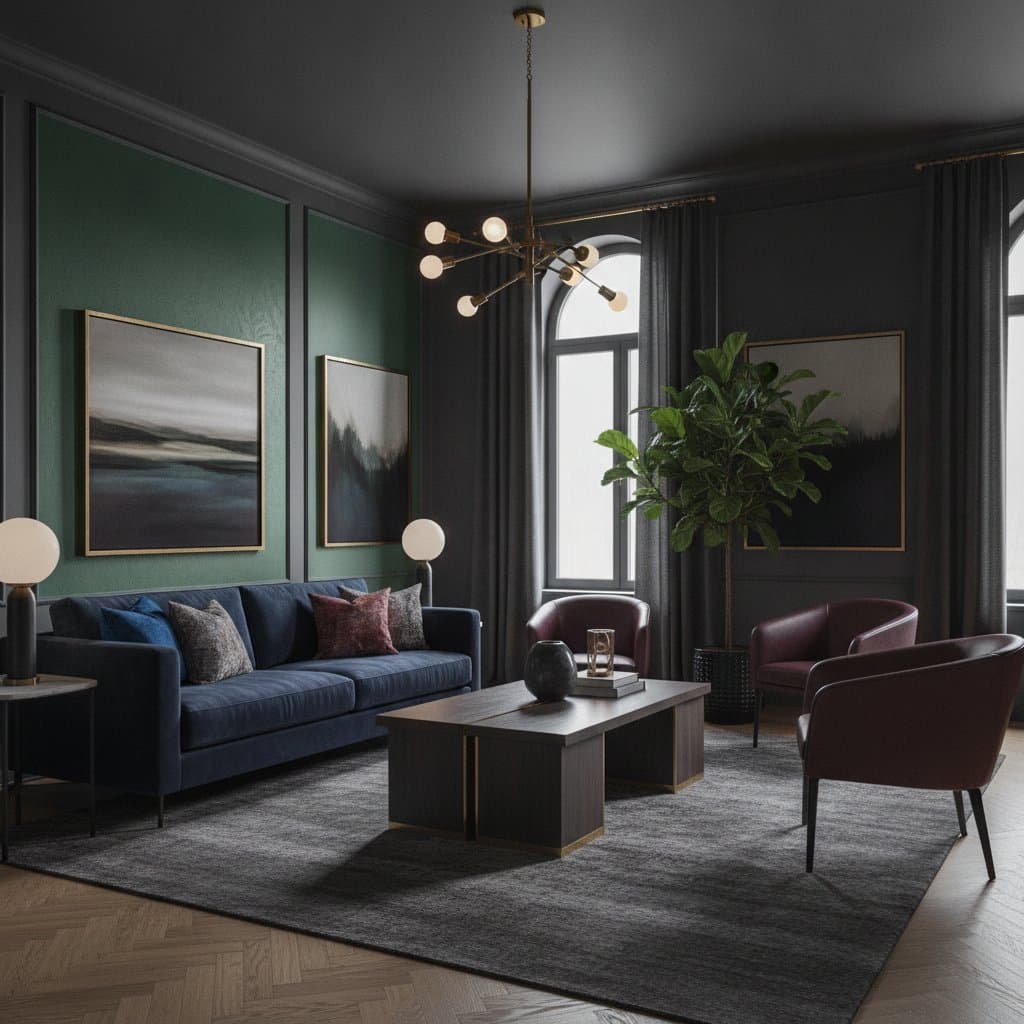
- Align new colors with current furnishings without manual matching.
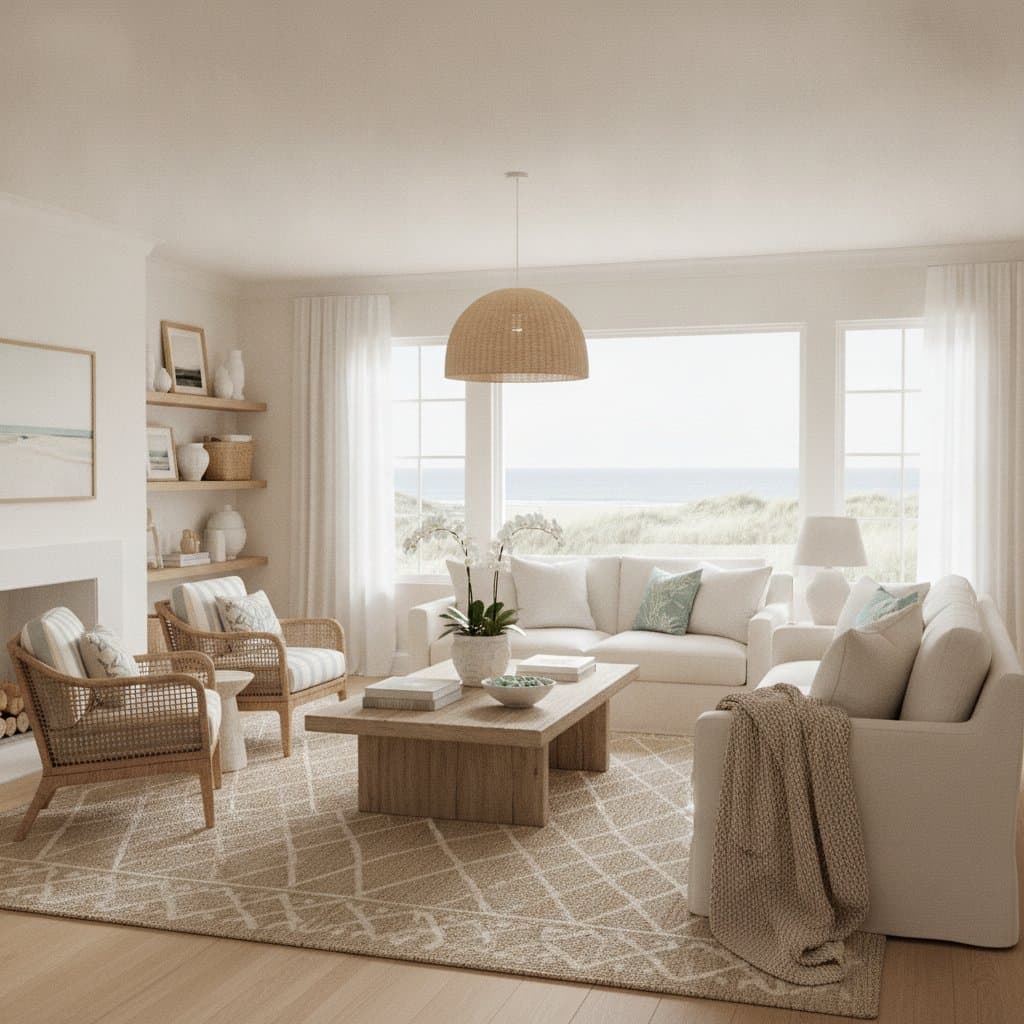
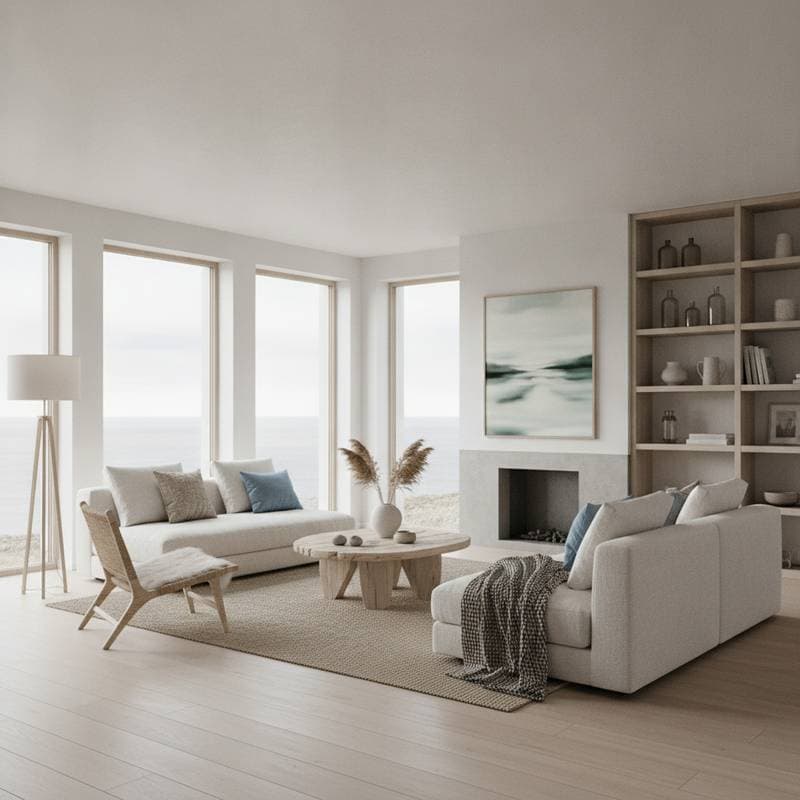
- Extend a single theme across multiple spaces using coordinated suggestions.
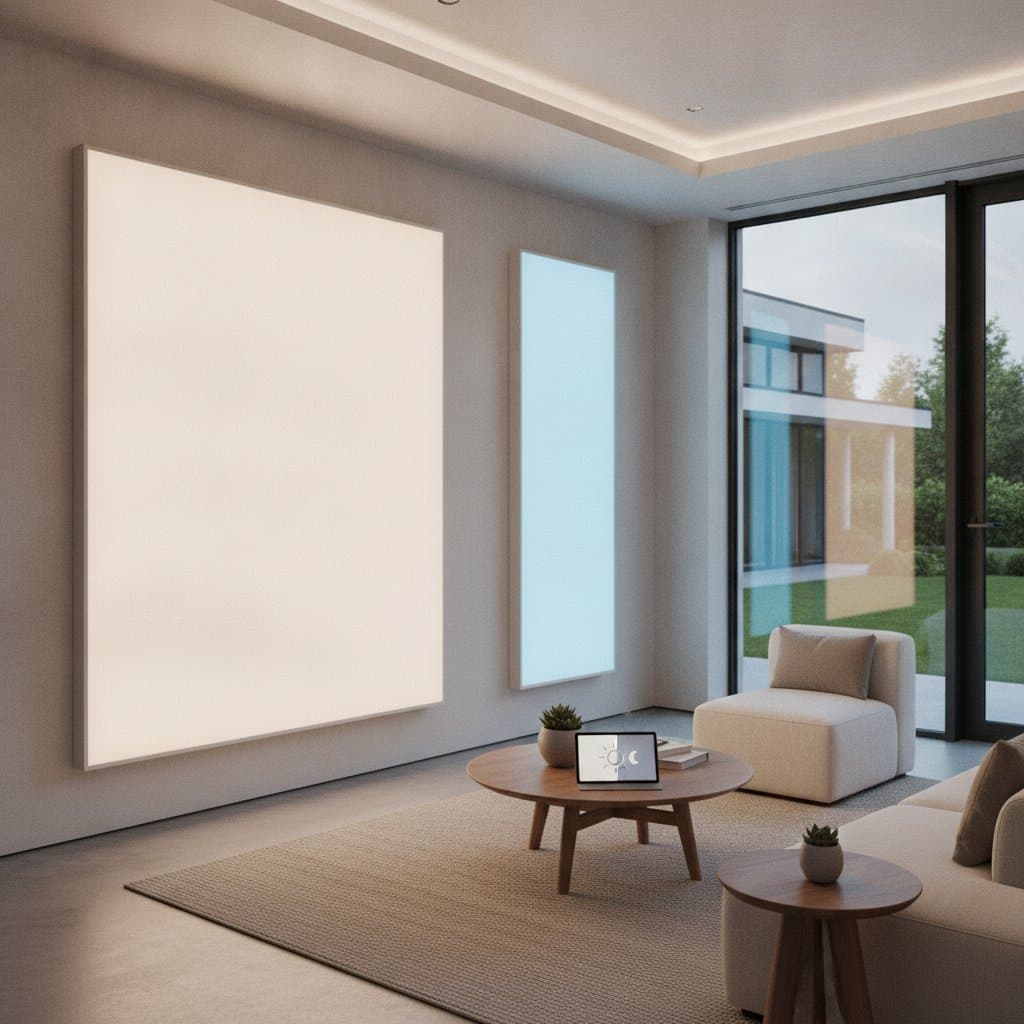
- Simulate lighting changes from morning through evening hours.
Limitations
- Depend on reliable internet connections and capable device hardware.
- Require accurate monitor settings to avoid color discrepancies.
- Restrict options to partnered paint manufacturers in some cases.
- Accumulate ongoing fees for premium access levels.
- Necessitate physical sample tests to verify texture and sheen.
Selecting the Right Approach
Apps and handheld scanners present low barriers for individual users. Full platforms demand moderate technical comfort. Projects typically require thirty minutes for single rooms or several hours for larger areas. A smartphone or tablet serves as the primary device.
Risk remains minimal when users verify lighting conditions before final decisions. Professional designers become valuable for complete interior overhauls, integration with custom cabinetry, or commercial lighting setups. These experts apply the same digital tools alongside principles of color balance and spatial harmony.
Ongoing Use and Updates
Software support determines the functional lifespan of most tools. Annual subscription renewals maintain access to current features.
Recommended routine
- Install app updates several times per year to access expanded color libraries.
- Perform annual recalibration on scanner hardware for frequent users.
- Store saved palettes in cloud services or external backups.
Potential issues
- Monitor for color variations following major software releases.
- Replace outdated brand libraries when new products enter the market.
- Account for reduced performance in low-light environments.
Premium options sometimes provide extended warranties. Review terms prior to commitment.
Regional Considerations
Local climate and regulations affect both visual outcomes and project expenses.
- Intense sunlight in certain areas fades warm hues faster, favoring cooler selections instead.
- Higher humidity levels may alter perceived color depth and encourage matte finish avoidance.
- Historic districts often enforce restrictions on exterior palettes.
- Urban labor markets command higher rates for specialized color consultations.
- Rural suppliers may lack inventory for every recommended product line.
Safety Practices
Digital tools carry minimal direct hazards, yet painting activities require standard precautions.
- Disconnect power sources near electrical fixtures before application.
- Maintain airflow throughout work areas to limit vapor exposure.
- Secure ladders properly for elevated surfaces.
- Obtain necessary approvals for exterior modifications in protected zones.
- Review device privacy controls when uploading room images.
Common Questions
How accurate are AI color tools?
Results vary with screen calibration and ambient light. These previews offer reliable direction yet require confirmation through physical paint samples on site.
Can these tools function without internet access?
Limited offline capabilities exist in certain mobile applications. Advanced matching and library features generally need an active connection.
Do AI tools support every paint brand?
Many platforms prioritize partner brands. Cross-brand compatibility appears in select tools and should be verified before use.
Are these tools suitable for small spaces?
They reduce decision time and errors effectively, even in compact areas such as powder rooms or home offices.
What occurs when painted results differ from previews?
Finish type and actual lighting often produce shifts. Physical testing on wall sections remains essential before full commitment.
Applying These Tools to Your Project
Homeowners begin with basic applications to observe how previews interact with their specific lighting and surfaces. Subsequent upgrades to scanner devices or integrated platforms provide additional control when needed.
Final selections receive confirmation through physical samples. Documented palettes support future touch-ups and property value assessments. Three estimates from qualified contractors familiar with digital planning help control costs while local regulations receive review for any exterior work.