Biophilic Lighting Adds 11% Premium to Home Sales
Home buyers pay more for properties equipped with biophilic lighting. Real estate data indicate an average 11 percent premium on homes where lighting aligns with circadian rhythms and natural daylight patterns. This upgrade merges wellness benefits with energy efficiency and comfort.
Biophilic lighting appeals to owners who prioritize health centered design and seek measurable returns. It works well in both renovations and new construction when integrated throughout living spaces.
Installation Cost Ranges
National costs for a complete home system fall between 3500 dollars and 12000 dollars. A typical three bedroom residence requires 6000 dollars to 9000 dollars. Single room retrofits start near 1000 dollars while full custom automation can reach 20000 dollars.
Several factors influence final pricing. These include home size, fixture count, smart controls, tunable LEDs, daylight sensors, electrical upgrades, and chosen control platforms.
Lighting System Options
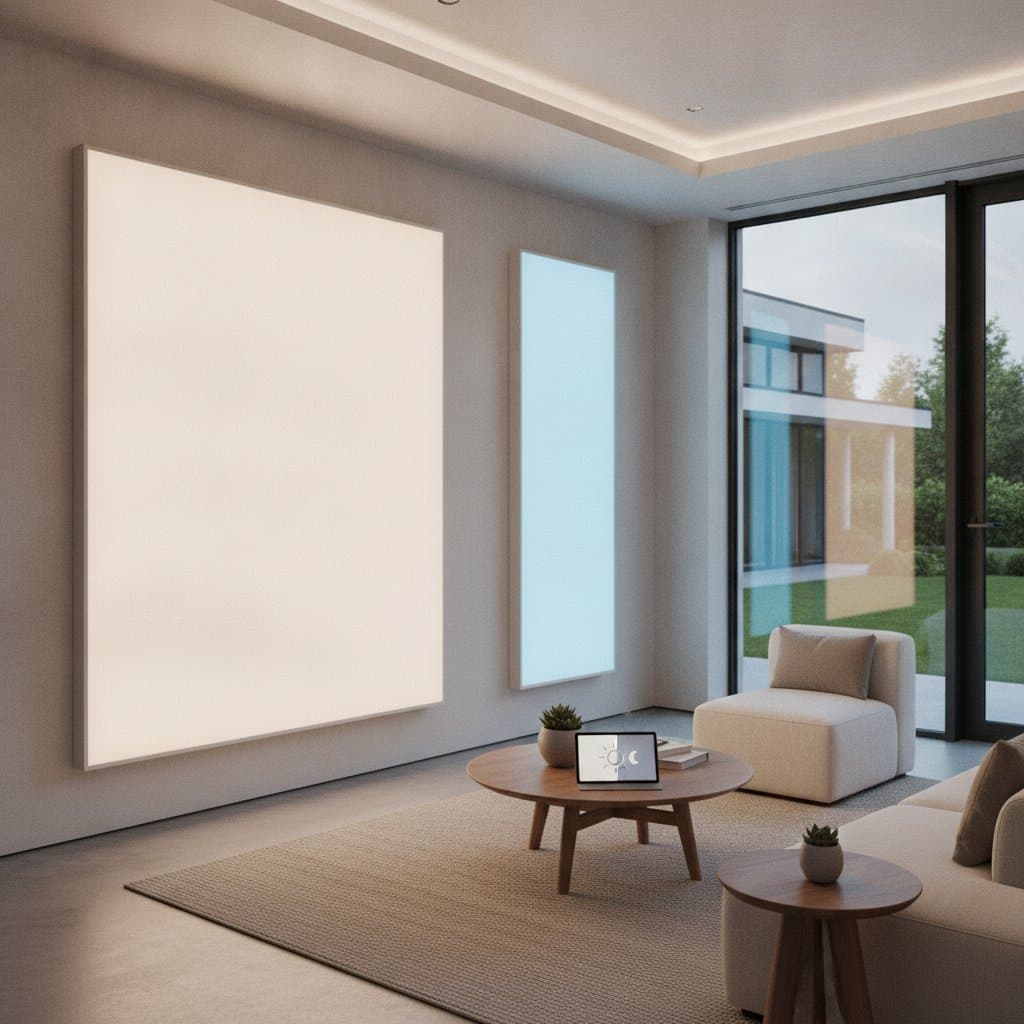
Tunable white LEDs adjust color temperature from warm to cool tones. They suit living areas and home offices. Full spectrum fixtures replicate daylight closely and perform well in wellness spaces or studios.
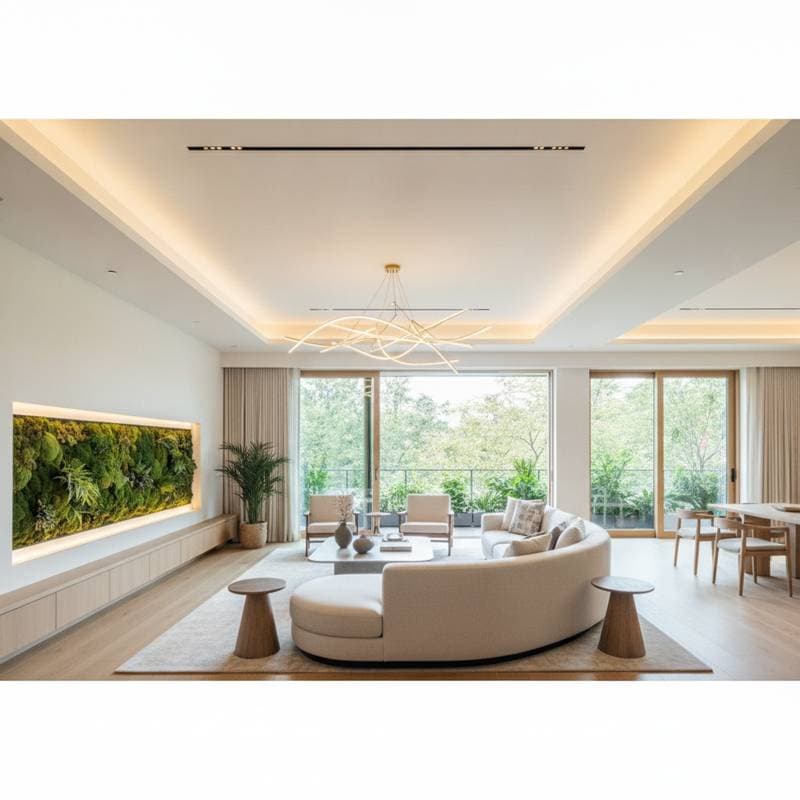
Smart circadian systems use sensors or schedules to automate changes. They support whole house integration. Hybrid setups pair skylights or large windows with responsive artificial lights and suit open plan layouts.
Installation Process
- Define goals for each room that needs circadian support.
- Record window locations and daily light levels.
- Choose between tunable or full spectrum fixtures.
- Map zones for dimming and color adjustments.
- Mount fixtures according to manufacturer electrical requirements.
- Link smart switches or application controls.
- Configure morning, midday, and evening profiles.
- Verify brightness and warmth settings for comfort.
- Dispose of old bulbs and packaging responsibly.
Ongoing Care and Durability
Tunable LED fixtures operate for 30000 to 50000 hours. Clean lens covers twice annually. Recalibrate schedules each season to maintain alignment with outdoor light. Smart controllers benefit from periodic firmware updates. Replace sensors or drivers when response slows. Warranties typically cover fixtures for five to ten years based on brand and installation quality.
Comparable Approaches
Standard LED lighting costs less and installs easily yet lacks circadian advantages. Natural daylight tubes collect rooftop light through reflective channels and reduce energy use during daytime hours. Smart bulb systems allow app based color changes without full automation and suit renters. Architectural skylights introduce genuine daylight but involve higher structural expenses.
Regional Considerations
Climate influences available natural light. Cloudy or northern areas gain consistent indoor illumination from circadian systems. Building codes often mandate specific fixture ratings in damp locations such as bathrooms and kitchens. Some municipalities require energy compliance records for smart lighting installations. Labor expenses rise in dense urban zones compared with suburban markets. Older homes may need wiring upgrades before new controls are added.
Value at Resale
Properties marketed with biophilic or circadian lighting sell more quickly and command higher prices. Documented premiums average 11 percent over similar homes without these features. Wellness oriented buyers in coastal or high sun regions appreciate the comfort and energy management. Application based controls align with expectations for connected residences. Many owners recover a substantial portion of costs through resale value or lower utility bills.
Safety Practices
Disconnect power at the breaker before any fixture work. Use properly rated connectors and follow manufacturer diagrams. Keep low voltage and line voltage wiring separate. Confirm joist support for ceiling mounted units. Protect daylight sensors near windows from moisture and ensure proper grounding. Permits may be required when adding control panels or extending circuits.
Planning Your Project
Identify rooms with limited daylight or uneven illumination. Compare tunable white and full spectrum options against layout and budget. Obtain three quotes from licensed electricians or certified lighting designers. Request itemized costs for fixtures, controls, and labor. Monitor comfort and energy consumption after installation. Refine settings until light feels consistent throughout the day. Biophilic lighting delivers both daily comfort and a measurable market edge when planned carefully.