Blackout Shades and Solar Glass Improve Home Comfort
Homeowners seek better temperature control and lower utility expenses. Blackout shades paired with solar glass deliver both by reducing heat gain and glare. These features also support compliance with current energy standards.
Current Pricing Overview
Blackout shades range from 200 to 700 dollars per window when installed. Motorized versions often exceed 1200 dollars. Solar control glass costs 40 to 90 dollars per square foot installed, with whole house projects typically falling between 8000 and 25000 dollars.
Several elements influence final expense. Window dimensions, frame type, insulation value, and motorization add to the total. Labor rates and local code compliance further affect pricing.
Advantages and Tradeoffs
Blackout shades block nearly all incoming light to support restful sleep. They stabilize indoor temperatures and shield furnishings from sun damage. Regular dusting remains necessary, and daytime light reduction may occur.
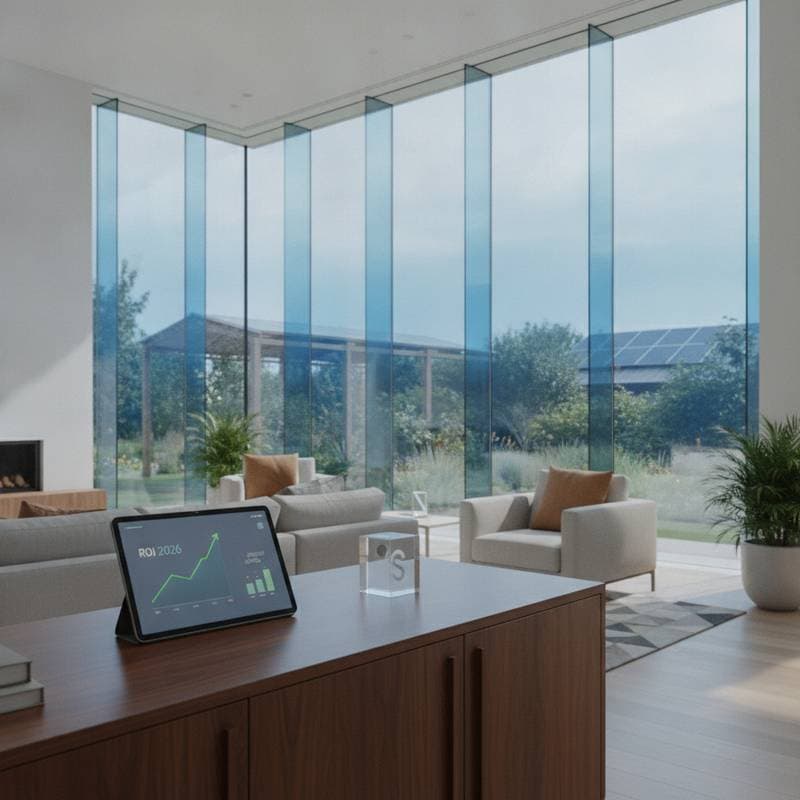
Solar glass limits heat entry while preserving natural daylight. It reduces air conditioning use and requires only occasional exterior cleaning. Higher initial cost and permanent installation represent the main drawbacks.
Available Styles and Configurations
Roller shades provide a streamlined appearance suited to bedrooms. Cellular shades add insulation layers that slow heat transfer. Motorized units allow remote or app based operation for oversized openings. Dual systems combine blackout and sheer panels within one frame.
Low emissivity coatings on glass reflect infrared radiation to maintain cooler interiors. Tinted options reduce brightness yet may decrease nighttime privacy. Electrochromic panels adjust tint on demand through electronic controls.
Installation Choices
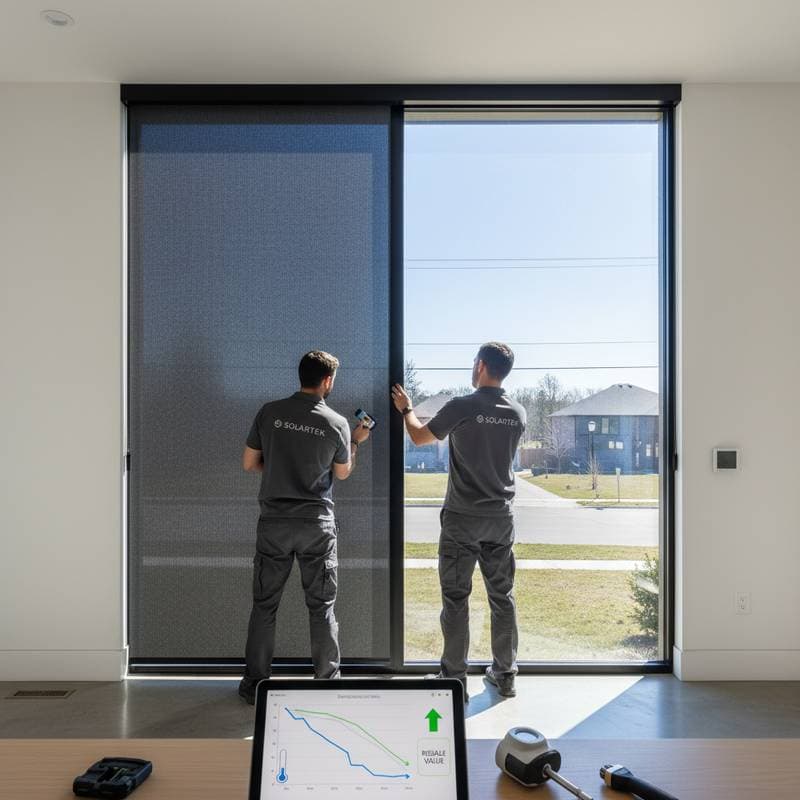
Blackout shades represent a feasible project for experienced homeowners. Each window requires roughly one to two hours using basic tools. Precise measurements and level mounting prevent light gaps.
Solar glass replacement demands professional handling. Glazing work involves permits and specialized equipment. Structural errors can compromise warranties and code approval.
Installation Sequence
Measure every opening twice before ordering materials. Select fabric density or glass performance based on sun orientation. Clear the work area and protect surrounding surfaces. Secure brackets or set new glass units into frames. Verify smooth operation and tight seals. Connect any automated controls last. Dispose of removed components according to local guidelines. Test each room for improved light and temperature management.
Care Requirements and Durability
Blackout shades typically perform well for eight to twelve years. Gentle vacuuming and cord replacement extend service life. Solar glass maintains effectiveness for twenty five years or longer with mild soap cleaning. Annual seal inspections detect moisture issues early. Many products include ten to twenty year coverage on coatings.
Other Window Solutions
Window film offers a lower cost entry point with shorter expected lifespan. Exterior shutters deliver strong shading but alter building appearance. Awnings provide seasonal protection yet require storage and upkeep.
Regional Considerations
Hot climates benefit most from solar glass due to sustained cooling loads. Cooler areas often select dual pane low emissivity units focused on insulation. Strict energy codes or historic district rules may restrict visible exterior treatments. Urban labor rates rise where access equipment is required.
Value at Resale
Energy efficient window treatments recover sixty to eighty percent of installed cost during sale. Buyers respond positively to documented reductions in monthly utilities.
Safety Practices
Wear eye protection during drilling or glass handling. Disconnect power sources before any wiring. Use stable platforms for elevated work. Confirm permit needs with local authorities prior to starting.
Next Steps for Homeowners
Schedule a professional energy assessment to identify primary heat sources. Obtain detailed proposals from three licensed contractors. Select products that match climate demands, budget limits, and aesthetic goals.