Health Tech Homes Sell 11 Percent Faster with UV Surfaces
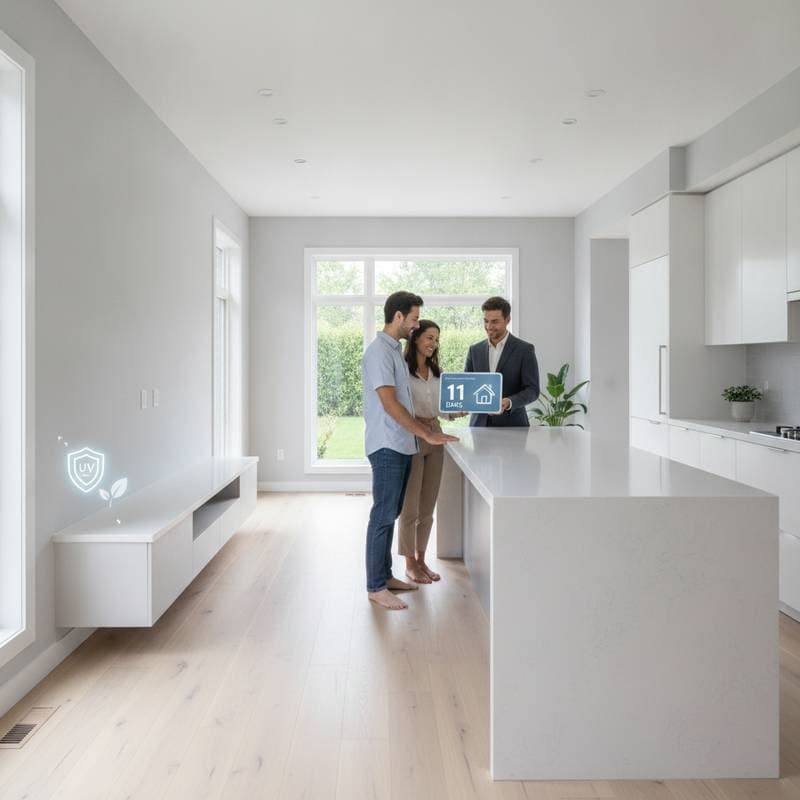
Homes equipped with antimicrobial and UV cleanable surfaces close sales about 11 percent faster than standard listings. Buyers recognize these features as markers of safer and lower maintenance living spaces. Project costs typically range from 2800 to 9500 dollars depending on material choices and scope.
Cost Factors
Material Type
- UV resistant quartz or solid surface options run 65 to 110 dollars per square foot installed.
- Antimicrobial laminate falls between 40 and 70 dollars per square foot.
- Copper infused or silver ion tiles cost 10 to 25 dollars per square foot for backsplashes and high contact zones.
Labor and Access
Removal and installation labor for an average kitchen ranges from 1200 to 2500 dollars. Confined areas or multi level properties add up to 20 percent to the total.
UV Integration
UV sanitizing light strips placed under counters or in HVAC vents add 900 to 1800 dollars. Older homes often require extra wiring that can double this expense.
Permits and Electrical
Surface replacements seldom require permits. Permanent UV systems connected to home wiring may need inspection. Local building codes should be checked before work begins.
Disposal and Add ons
Disposal of old countertops and flooring costs 150 to 400 dollars. Protective sealers and extended warranties add 200 to 500 dollars. Older homes benefit from a 10 to 15 percent contingency for unexpected issues such as hidden water damage.
DIY vs Pro
When DIY Works
Small laminate counter replacements or antimicrobial coating applications suit experienced homeowners. Peel and stick antimicrobial tiles work well for backsplashes. Plug in UV air purifiers or under sink strips connect to standard outlets without special wiring.
Required skills include accurate measuring and cutting. Seams must be sealed against water intrusion. Basic electrical safety knowledge is essential. Projects under 3000 dollars are manageable with proper tools and leveling experience.
When to Hire a Pro
Electrical wiring or built in UV bulbs demand professional installation. Countertops heavier than 100 pounds or requiring custom cutouts also need expert handling. Removal of existing granite or stone benefits from specialized equipment.
Improper wiring risks UV leaks and safety issues. Licensed contractors use tools to verify UV intensity and alignment. Rates run 75 to 120 dollars per hour and add 1000 to 1800 dollars overall while ensuring code compliance.
Maintenance and Warranties
Routine Care
Clean surfaces with mild soap only. Harsh chemicals shorten UV coating lifespan. Weekly microfiber wiping preserves clarity. UV bulbs require replacement every 12 to 18 months or when output declines.
Warranties
Quartz and solid surface products carry 10 to 25 year coverage. UV fixtures include 3 to 5 years of protection. Extended plans cover bulb and electrical replacements. Retain all receipts and labels. Manufacturers often require proof of professional installation.
Preventing Early Wear
Avoid direct cutting on surfaces. Use heat pads under appliances. Motion sensors limit UV operation to empty rooms and extend bulb life.
Planning the Project
Kitchens, bathrooms, and entryways offer the strongest return because they experience the highest moisture and contact. Begin by obtaining quotes from two or three specialists in antimicrobial surfaces. Request UV system compatibility details before ordering materials. Confirm inspection needs with the local building office. Schedule work during slower seasons for improved pricing. Maintain a 15 percent contingency for unforeseen conditions.
The kitchen counter represents the single highest impact upgrade. It receives the most daily touch and supports health focused marketing during resale.
Sustaining Long Term Value
Record all maintenance dates and bulb replacements. Buyers respond positively to documented care when evaluating list prices. UV surfaces cut annual cleaning chemical use by roughly 20 percent. Households with children or elderly members often report fewer surface related illnesses.
Select antimicrobial certified materials that do not require repeated reapplication. These choices preserve appeal across ownership periods while lowering lifetime costs.