Maximize Home Value: Hidden Pantries as the Leading Kitchen ROI Feature in 2026
A hidden pantry elevates home value more effectively than most kitchen modifications. This upgrade combines sophisticated design with practical storage solutions. Homebuyers appreciate the added luxury, while appraisers recognize its contribution to overall appeal. Proper execution yields a robust return on investment.
Defining a Hidden Pantry
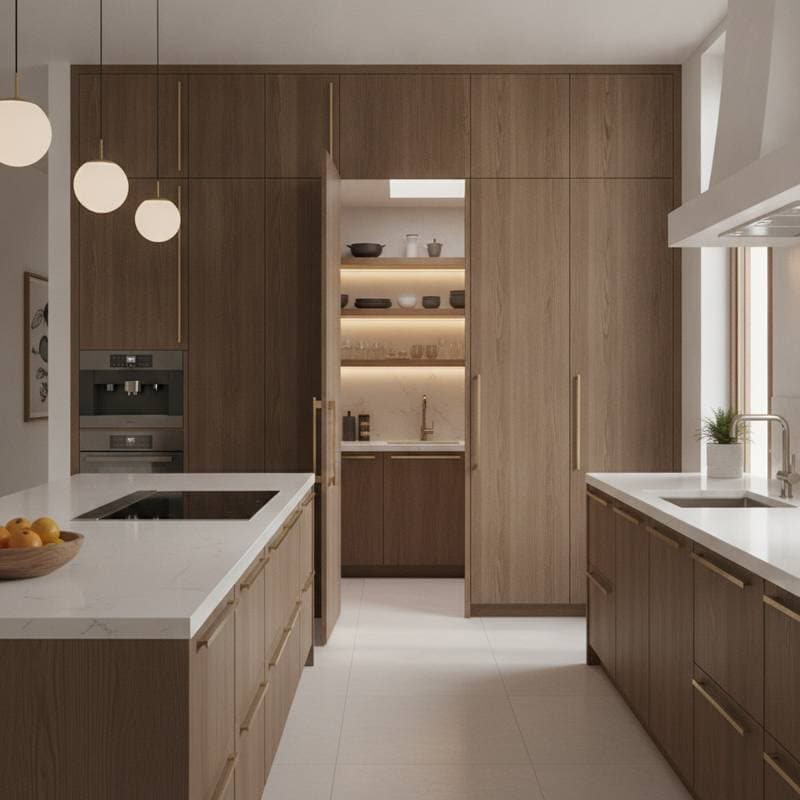
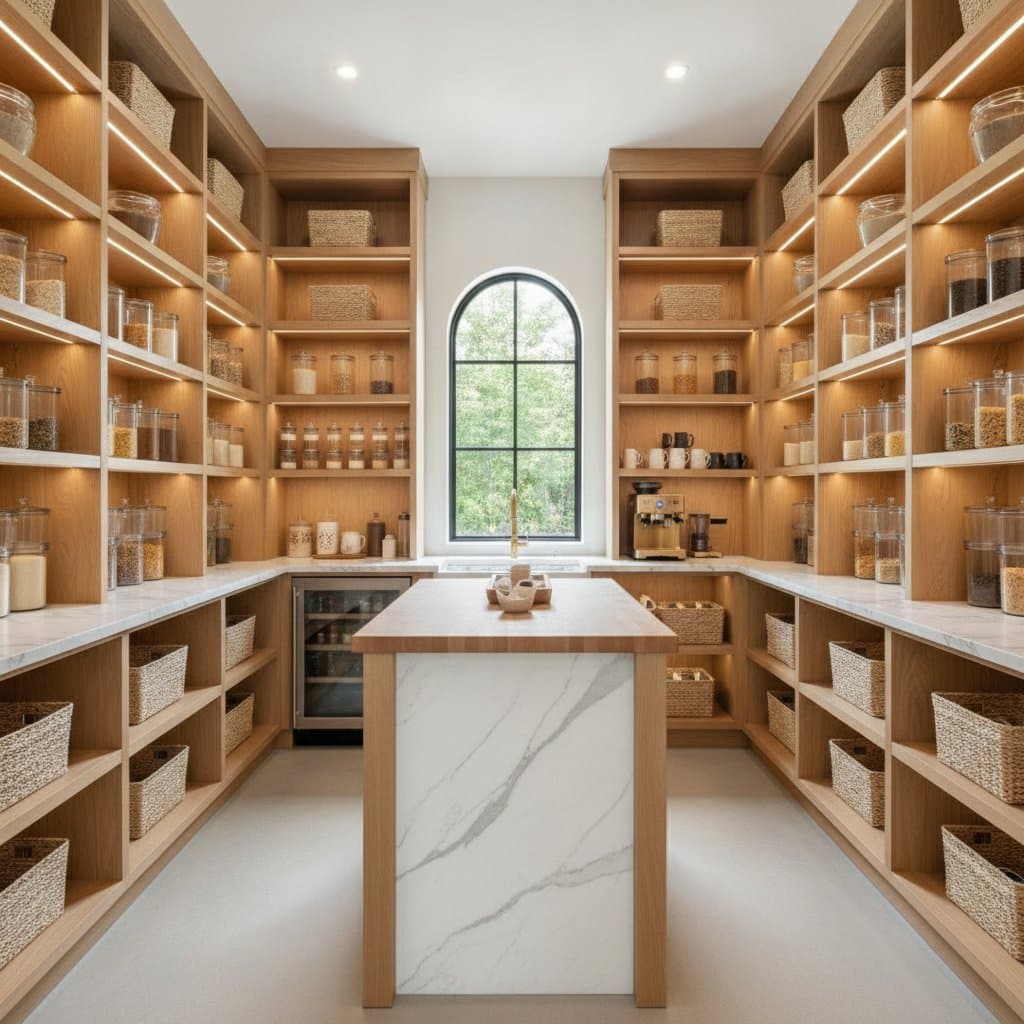
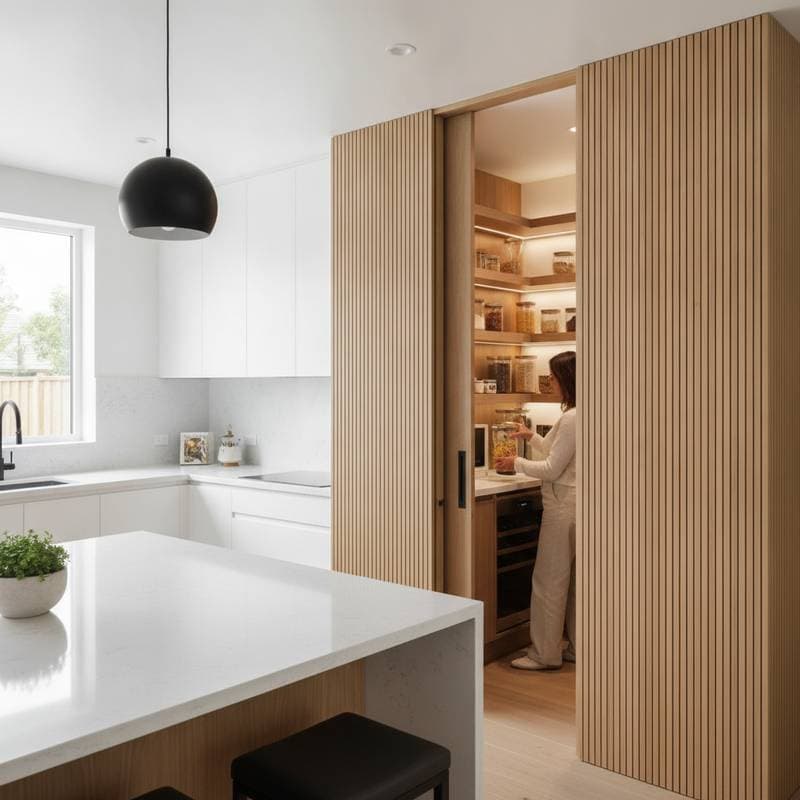
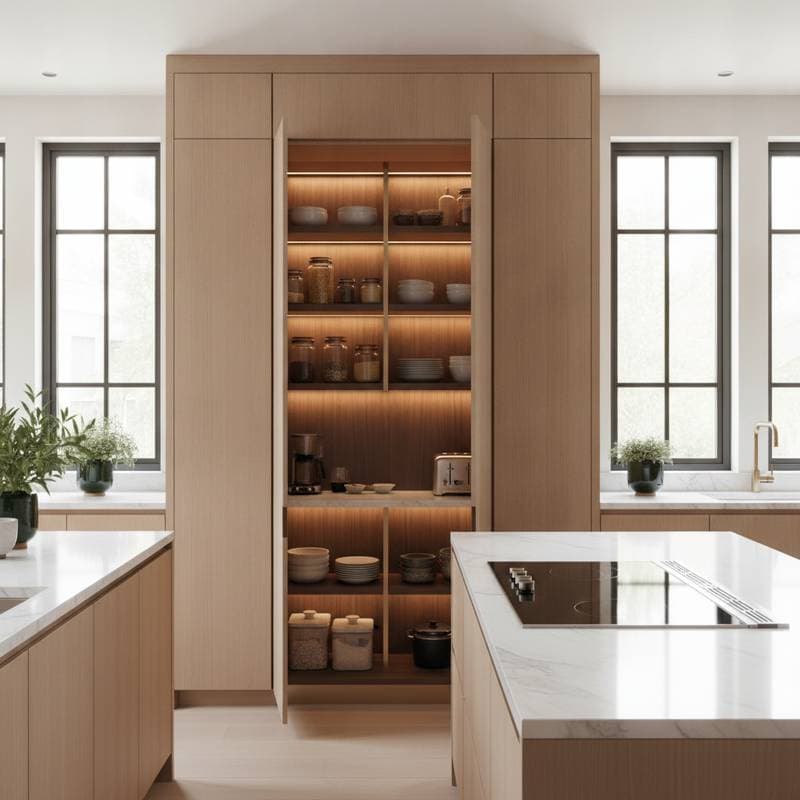
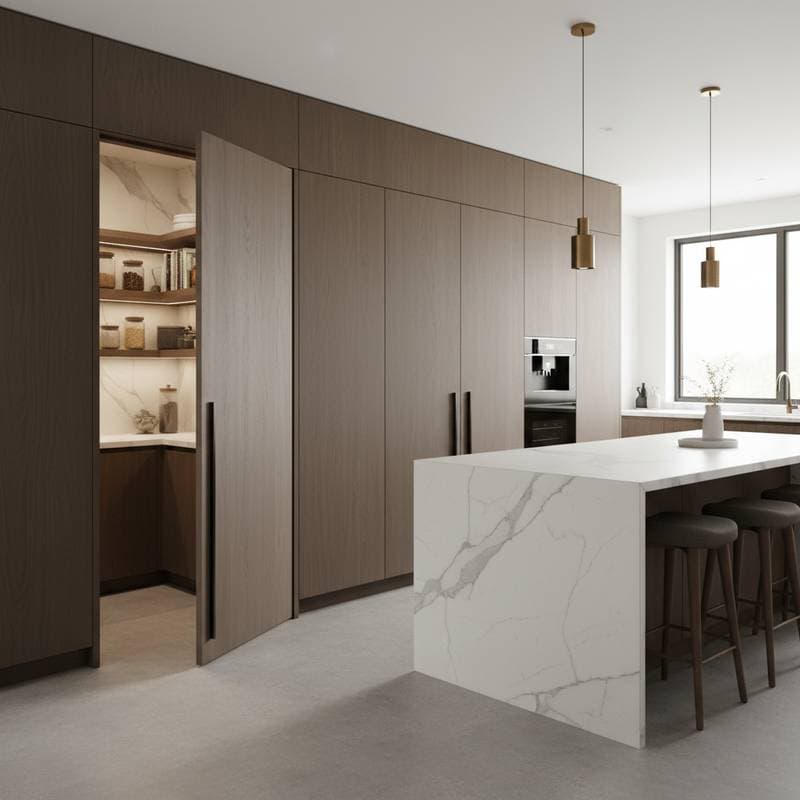
A hidden pantry integrates seamlessly into kitchen cabinetry or walls, concealing a walk-in or reach-in storage area behind disguised doors. These doors mimic surrounding panels or cabinet fronts. The interior accommodates pantry staples, small appliances, and occasionally a preparation sink or auxiliary refrigerator. This setup maintains a clutter-free kitchen aesthetic.
Unlike a butler's pantry, which typically occupies space between the kitchen and dining area, a hidden pantry resides within the primary kitchen layout. It utilizes existing footprints without requiring major structural changes.
Value Enhancement Factors
Hidden pantries deliver luxury and utility, transforming standard kitchens into bespoke spaces. Prospective buyers prioritize ample storage and thoughtful design, making this feature a standout. The upgrade conceals countertop clutter and appliances, preserving visual cleanliness.
It effectively expands usable space without altering room dimensions. This blend of aesthetics and functionality significantly increases market desirability.
| Task | Typical Cost | Price Influences |
|---|---|---|
| Small hidden pantry build | $4,000–$8,000 | Framing, drywall, cabinet quality |
| Hidden door installation | $1,200–$3,000 | Door dimensions, hardware, finish |
| Lighting, power, shelving | $800–$2,500 | Electrical work, LED type, shelves |
| Full remodel with prep area | $10,000–$25,000 | Plumbing, surfaces, custom work |
Costs fluctuate by location; urban areas and premium materials increase expenses.
Return on Investment Overview
A thoughtfully designed hidden pantry recoups 70 to 90 percent of installation costs upon resale. This outperforms many comparable kitchen enhancements. Seamless integration with existing cabinetry and organized interiors amplify returns.
Buyers often highlight the element of surprise in hidden pantries, fostering emotional connections. Such features distinguish properties in saturated markets.
Planning Your Hidden Pantry
Assess kitchen layout to identify suitable locations, such as unused corners or cabinet walls. Consider converting adjacent utility spaces if feasible. Prioritize concealment to ensure the pantry blends invisibly.
Implementation Steps
-
Select and measure space. Target areas with minimum three-foot depth. Inspect for utilities like pipes or wiring prior to any modifications.
-
Construct framing. Employ wood studs or metal for pantry boundaries, ensuring stability.
-
Incorporate concealed entry. Opt for swing doors with matching panels or sliding mechanisms that align with cabinetry.
-
Integrate illumination. Install motion-sensor LED strips or recessed fixtures for convenience.
-
Complete interior setup. Fit adjustable shelves, moisture-resistant flooring, and ventilation for food storage.
-
Align exterior elements. Extend cabinet finishes across the door for undetectable integration.
Key Cost Influences
High-quality cabinetry and soft-close mechanisms elevate expenses. Electrical installations for lighting or outlets add to the budget but enhance usability. Seamless flooring transitions contribute to a polished appearance.
Structural adjustments, such as relocating plumbing or ducts, incur additional labor. Opt for prefabricated components and basic shelving to control spending, though integrated designs yield superior value.
Project Timeline
Standard installations span one to three weeks, varying by scope.
-
Basic framing and shelving: Three to five days of hands-on effort.
-
Custom cabinetry and wiring: An additional one to two weeks.
-
Comprehensive luxury installation: Up to one month, including design and completion.
Account for paint drying and required inspections, which may extend schedules. Professional oversight streamlines coordination among trades.
DIY or Professional Approach
Consider DIY for:
-
Projects involving straightforward framing and carpentry.
-
Installations without plumbing or intricate electrical needs.
-
Use of preassembled hidden door systems.
Engage professionals for:
-
Precise cabinetry matching.
-
Additions like new circuits, ventilation, or lighting.
-
Work affecting structural elements.
Experts ensure compliance with codes, preserve warranties, and guarantee smooth door operation.
Essential Tools and Materials
-
Stud finder and level
-
Circular saw or oscillating tool
-
Drill with screws
-
Framing lumber
-
Drywall and joint compound
-
Matching cabinet panels
-
Concealed door hardware
-
LED lighting options
-
Adjustable shelving units
-
Paint, trim, and caulk
Prioritize safety gear, including eye and ear protection, during cutting or drilling. Consult licensed specialists for electrical or structural uncertainties.
Location and Environmental Considerations
In humid climates, select mold-resistant drywall and sealed surfaces. Insulate exterior-adjacent walls in cold regions. Ensure compliance with local codes in fire-prone or high-wind areas.
Permits may apply to structural, electrical, or plumbing alterations, regardless of project scale.
Design Adaptations
Hidden pantries adapt to diverse aesthetics.
-
Contemporary settings: Handle-free flat panels with push mechanisms and sleek profiles.
-
Classic environments: Molded panels harmonizing with traditional cabinetry.
-
Rustic farmhouses: Barn-style sliding doors in complementary stains.
-
High-end spaces: Reflective glass or mirrored fronts for subtle concealment.
Tailor lighting—warm tones for cozy vibes, cool LEDs for modern precision.
Hidden Pantry Versus Butler's Pantry
| Aspect | Hidden Pantry | Butler's Pantry |
|---|---|---|
| Placement | Within kitchen walls | Linking kitchen to dining |
| Entry | Disguised panel | Visible archway |
| Primary Use | Concealed storage, appliances | Prep, serving, display |
| Aesthetic | Invisible integration | Often exposed and ornate |
| ROI Range | 70–90 percent | 50–75 percent |
Hidden pantries excel in storage efficiency and visual appeal, often providing higher returns. Butler's pantries suit entertaining but demand more space and investment.
Ideal Timing for Installation
Incorporate a hidden pantry when addressing cabinet shortages or counter clutter. It proves valuable during comprehensive remodels or wall expansions.
For existing walk-in pantries, retrofit with concealed access to streamline kitchen lines while retaining utility.
Safety and Regulatory Essentials
Route electrical components through proper conduits. Prohibit flammable storage near outlets or lights. Maintain ventilation around appliances like refrigerators.
Add smoke detection for electrified interiors. Confirm hardware supports panel weights to prevent failures.
Noncompliance risks hazards and may invalidate insurance.
Elements That Maximize Appeal
Prioritize flawless cabinetry blending. Include organizational features such as pull-out drawers or labeled compartments. Automate lighting for effortless use.
Select resilient materials like sealed wood or laminates. The reveal during tours often captivates, creating memorable impressions.
Pitfalls to Sidestep
Avoid undersized doors that hinder bulk access. Do not omit interior lighting. Ensure stylistic consistency between pantry and kitchen.
Provide ventilation for appliance-equipped designs. Review structural blueprints before penetrating load-bearing walls.
Early corrections prevent costly revisions.
Expert Recommendations
Replicate cabinet colors and trims precisely to sustain concealment. Install soft-close hardware for durability. Incorporate discreet outlets for device charging.
Choose easy-to-clean flooring. Implement straightforward labeling for quick item retrieval.
Implementation Roadmap
Consult your designer early in kitchen renovations to embed a hidden pantry seamlessly. Request cabinet-matched specifications. Obtain bids from multiple contractors, evaluating hardware and systems.
This upgrade transcends mere storage; it infuses sophistication, efficiency, and enduring value into your living space. Strategic planning ensures both immediate benefits and future financial gains.
Frequently Asked Questions
What is the typical cost of adding a hidden pantry? Homeowners generally invest $4,000 to $12,000, influenced by dimensions, materials, and electrical additions.
Is a permit required for a hidden pantry? Affirmative for structural changes, wiring, or plumbing; verify with local authorities.
Can an existing pantry be converted to hidden? Yes, by upgrading to cabinet-style or sliding entries.
What dimensions suit a hidden pantry? Minimum three feet deep and four feet wide for ease; expand for appliances.
Does it genuinely increase property value? Indeed, market trends indicate 70 to 90 percent recovery for quality installations.