Hidden Pantries: Boost Home Value by $18,000
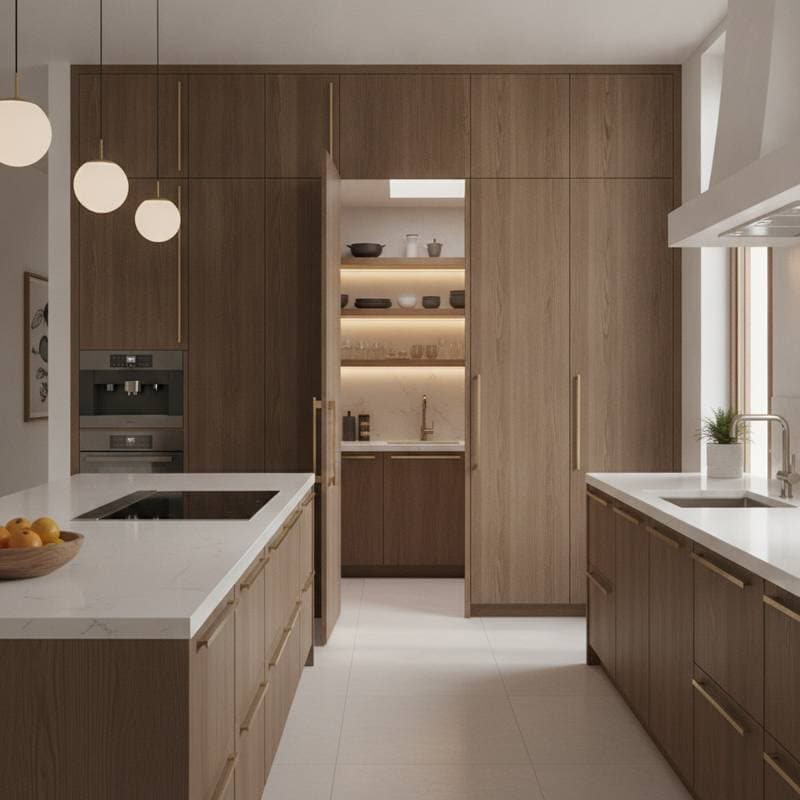
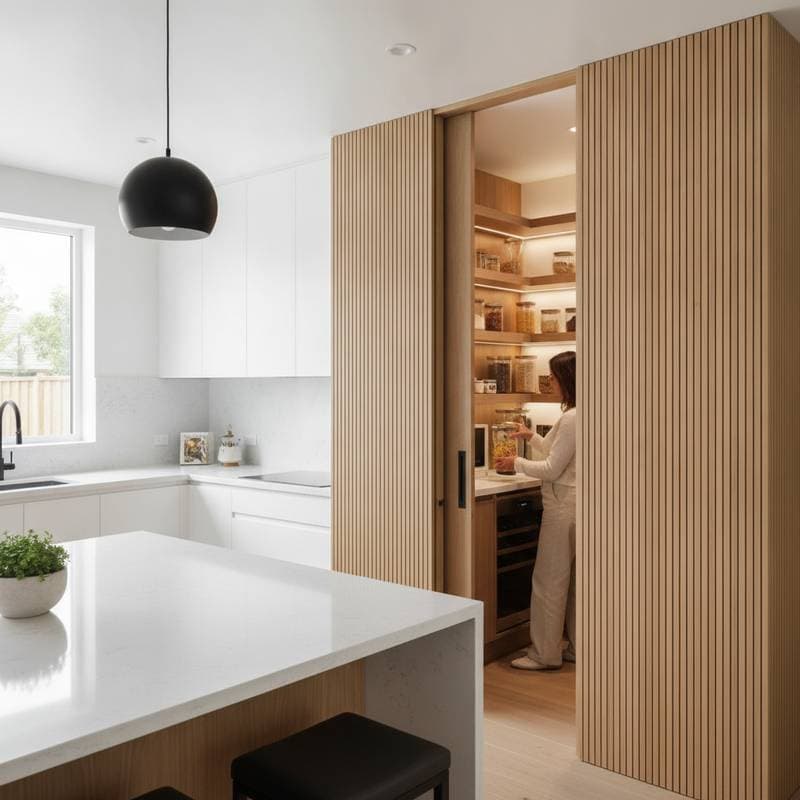
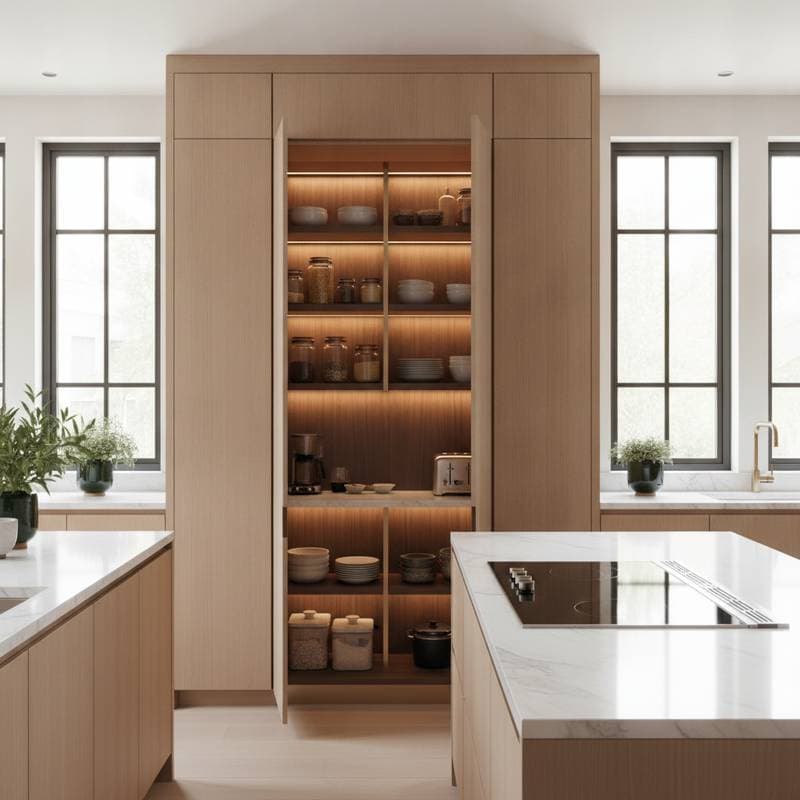
Hidden pantries offer a seamless way to increase storage without compromising kitchen aesthetics. These concealed spaces create a streamlined look that appeals to buyers seeking modern luxury. Well-executed designs can add approximately $18,000 to a home's resale value, combining practical utility with high-end appeal.
Homeowners appreciate the everyday convenience of hidden pantries, which keep essentials organized and out of sight. Buyers view them as thoughtful, custom features that elevate the overall property. The investment pays off quickly upon listing, as the addition stands out in competitive markets.
Cost Breakdown
Several elements influence the total expense of installing a hidden pantry. Materials account for roughly 40 percent of the budget. Framing lumber, drywall, specialized hidden door hardware, and adjustable shelving form the core components.
Opt for medium-density fiberboard or plywood shelving to balance cost and durability. These options perform well in humid kitchen environments without the premium price of solid hardwoods. High-quality finishes on doors and trim ensure the pantry blends invisibly with existing cabinetry.
Labor costs vary based on project complexity. Skilled carpenters typically charge between $60 and $120 per hour. Custom elements, such as recessed panels or intricate molding, extend the time required and increase fees.
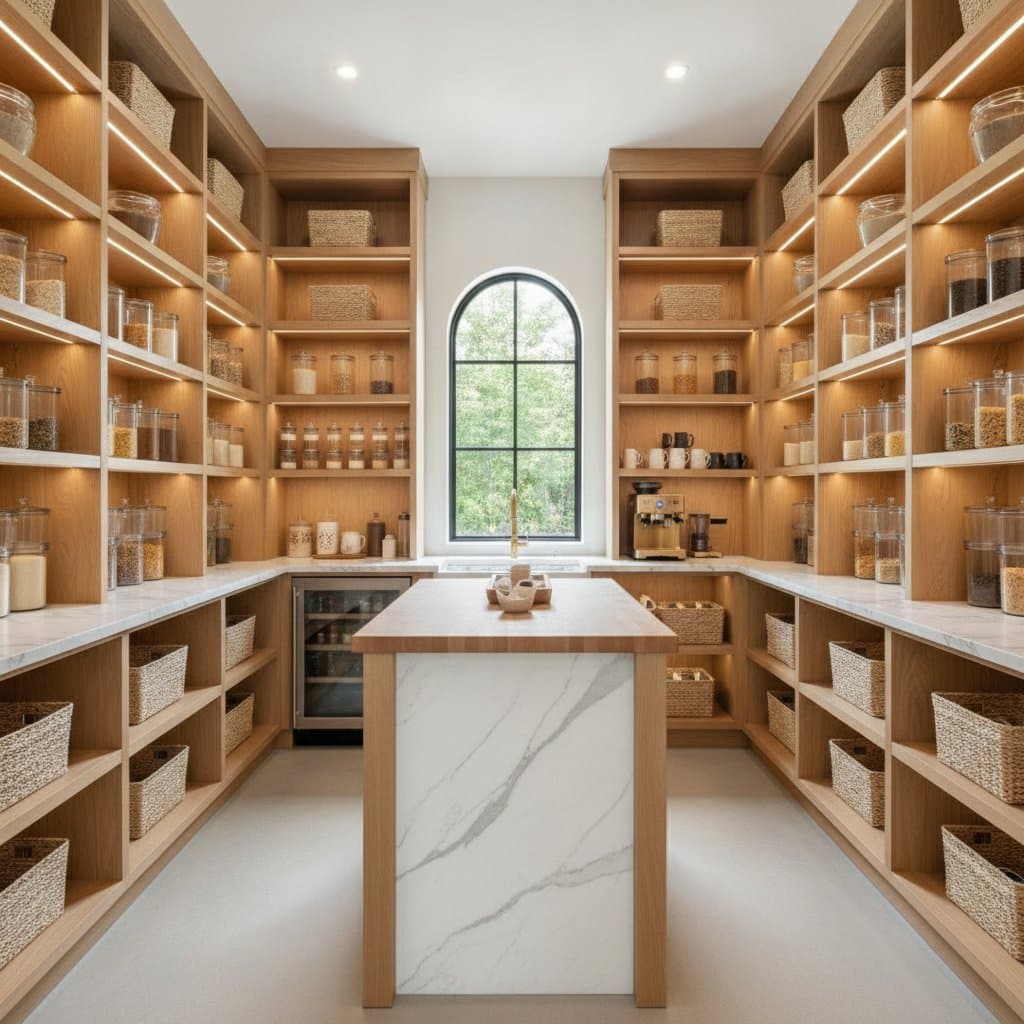
The size and type of access play a significant role. A walk-in hidden pantry, concealed behind a false wall, demands more resources than a shallow recessed unit. Such designs may necessitate adjustments to plumbing or electrical systems, adding to the overall outlay.
Permits represent another consideration in most jurisdictions. Basic building approvals cost between $150 and $400 when structural changes or new wiring occur. Local codes often mandate inspections to verify compliance.
Optional enhancements can elevate functionality. Integrated LED lighting, motion-activated sensors, and smooth pocket doors each contribute $300 to $800. Allocate an additional 10 percent of the budget for unforeseen issues, particularly in older homes with outdated infrastructure.
DIY Installation Versus Professional Services
Homeowners with carpentry experience may tackle a hidden pantry as a DIY project. Essential tools include a stud finder, miter saw, level, and tape measure. Focus on precise measurements to avoid alignment problems that could affect door operation.
However, DIY efforts carry risks, such as uneven drywall seams or binding doors. Avoid any electrical or plumbing modifications without proper licensing, as these tasks require professional expertise. Patience proves essential to achieve a professional finish.
Professional installation becomes necessary for projects involving structural alterations. Licensed contractors manage load-bearing walls safely and ensure all wiring adheres to building codes. They also streamline the permitting process and procure materials that match the kitchen's existing style.
Professionals often complete the work more efficiently, reducing disruption to daily routines. Their access to specialized suppliers speeds up sourcing of custom hardware. For complex installations, hiring experts minimizes long-term maintenance issues.
Essential Safety Measures
- Disconnect power sources prior to cutting into walls.
- Use protective goggles and a dust mask during demolition and finishing.
- Verify the absence of gas lines, water pipes, or critical wiring in targeted areas.
Consult structural plans or hire an inspector if uncertainty arises about wall composition.
Installation Timeline and Cost-Saving Strategies
Most hidden pantry projects span 2 to 4 weeks, accounting for material lead times and on-site labor. Hidden hinges and custom trim often require advance ordering, especially during peak remodeling periods. Secure quotes from multiple contractors early to avoid delays.
Savings opportunities exist through strategic choices. Select unfinished shelving and apply paint or stain personally to reduce expenses by up to 15 percent. Simple laminate countertops or basic hardware maintain affordability without sacrificing quality.
Prioritize energy-efficient upgrades for maximum impact. LED lighting illuminates deep shelves effectively while minimizing heat output and energy use. Neutral finishes, such as white paint or light-toned laminates, facilitate future kitchen refreshes and prevent the need for expensive overhauls.
Schedule work during off-peak seasons, like late fall or winter, when contractors offer competitive rates. Bulk purchasing of materials through design firms can further lower costs. These approaches ensure the project stays within budget while delivering enduring value.
Ongoing Maintenance and Warranty Considerations
Hidden pantries require minimal routine care to remain functional. Regular cleaning with mild soap keeps surfaces pristine. Check door hinges and alignment biannually to address any sagging or misalignment early.
Control indoor humidity levels below 55 percent to safeguard wooden components from warping. Use dehumidifiers in damp climates or near cooking areas. Avoid overloading shelves to prevent stress on framing.
Many cabinet hardware manufacturers provide limited lifetime warranties. Retain purchase receipts and document specifications, including brand and finish details, for straightforward replacements. For added electrical features, outlets with ground fault circuit interrupter protection demand annual testing to confirm reliability.
Prompt attention to minor issues extends the pantry's lifespan. Professional inspections every few years benefit intricate installations, ensuring structural integrity over time.
Steps to Implement Your Hidden Pantry
- Assess wall space by measuring depth; allocate at least 12 inches for effective shelving.
- Obtain quotes from at least two local carpenters or design-build companies, requesting detailed breakdowns of materials and labor.
- Select door style upfront, prioritizing options that integrate seamlessly with cabinet fronts for flawless concealment.
- Incorporate a 10 to 15 percent contingency fund to cover enhancements like specialized lighting or premium trim.
- Time the project for slower seasons to benefit from reduced labor costs and faster scheduling.
Realize Lasting Benefits Through Smart Design
A hidden pantry transforms ordinary kitchen space into an efficient, elegant asset. It conceals clutter effectively, fostering a sense of order and sophistication. Future buyers appreciate the tailored feel, which signals quality craftsmanship throughout the home.
This upgrade delivers both immediate usability and substantial financial returns. By prioritizing durable materials and precise installation, homeowners secure a feature that enhances daily life and marketability for years to come.