Understanding Hidden Pantries
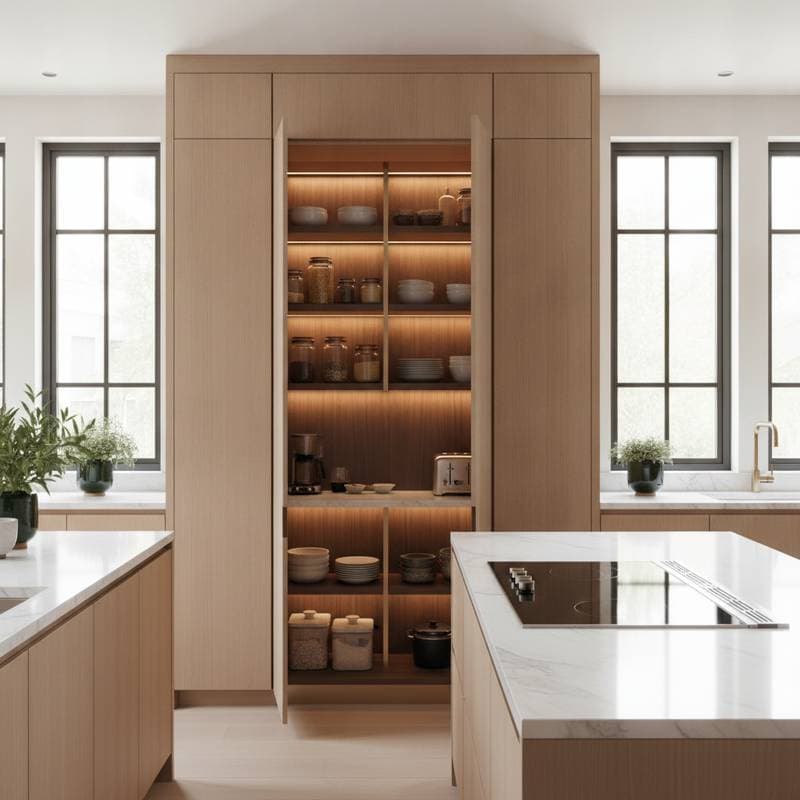
Hidden pantries represent a smart evolution in kitchen design, concealing storage spaces to maintain a clean, minimalist appearance. These features tuck away appliances, dry goods, and utensils behind cabinetry or walls, freeing up visible counter and shelf areas. Homeowners appreciate how such solutions transform chaotic kitchens into serene environments that support efficient cooking routines.
The concept draws from traditional European cabinetry but adapts to modern American homes with customizable elements. Unlike open shelving, hidden pantries prevent dust accumulation and visual overload, making them ideal for families or frequent entertainers. Their versatility allows integration into various kitchen layouts, from compact urban apartments to expansive suburban remodels.
Key Benefits for Functionality and Aesthetics
One primary advantage of hidden pantries lies in their ability to reduce clutter effectively. By storing bulk items out of sight, these spaces keep daily essentials accessible yet organized, minimizing search time during meal preparation. This setup fosters a more intuitive workflow, where ingredients and tools remain within reach without compromising the kitchen's polished look.
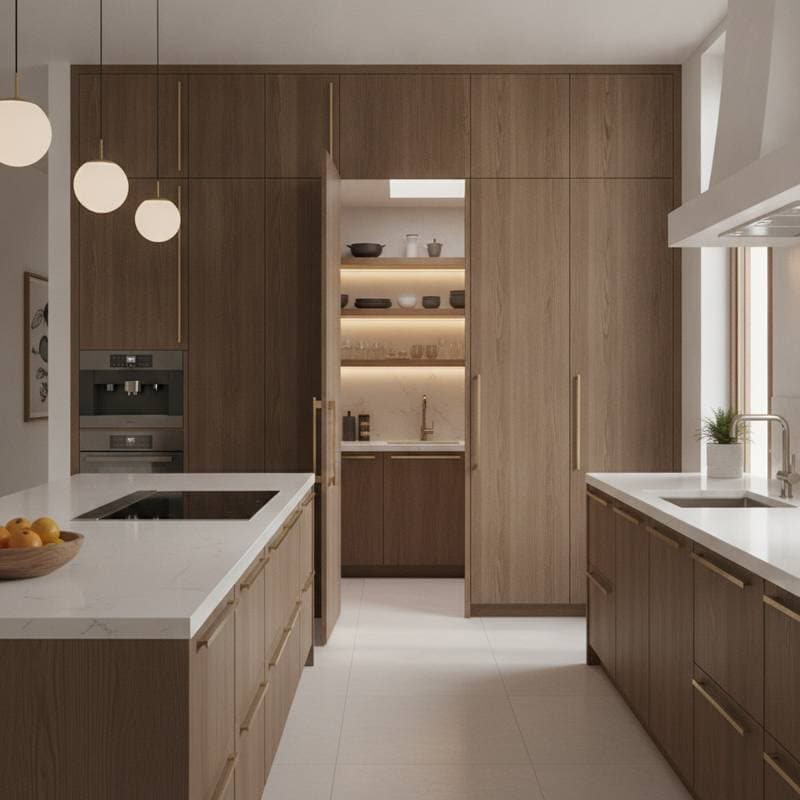
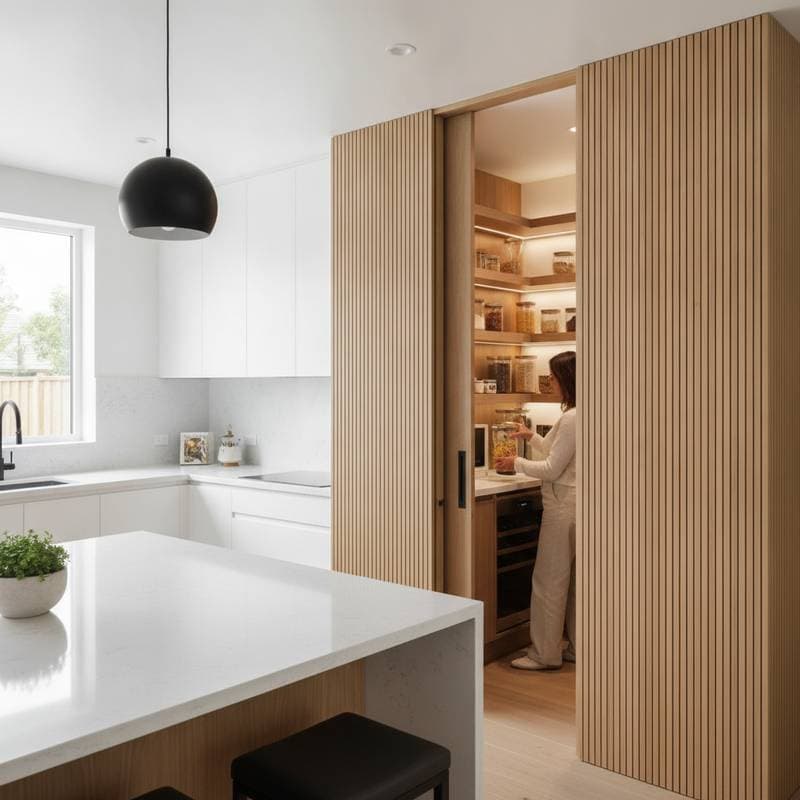
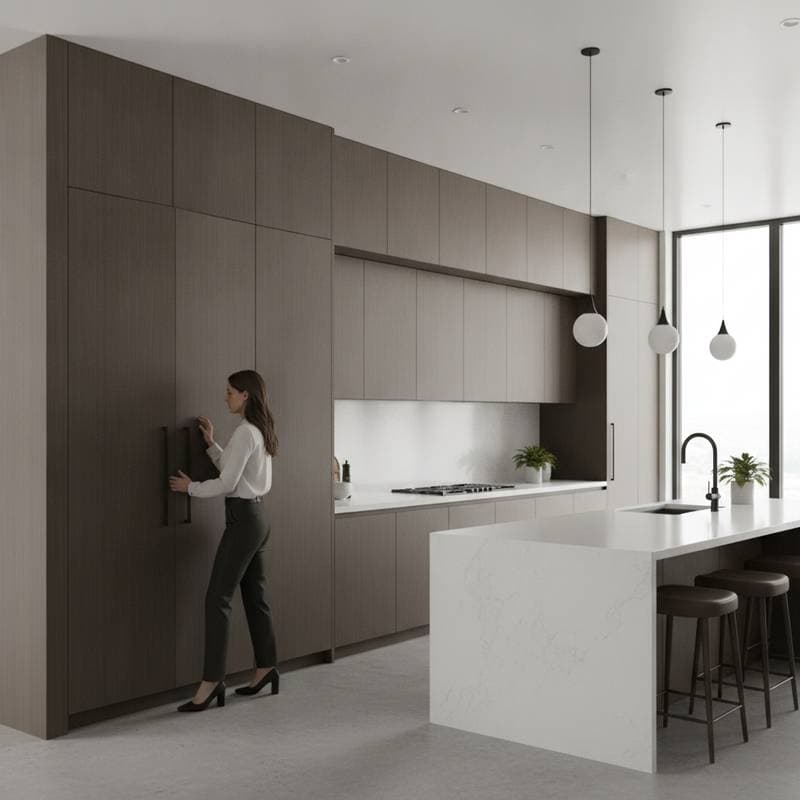
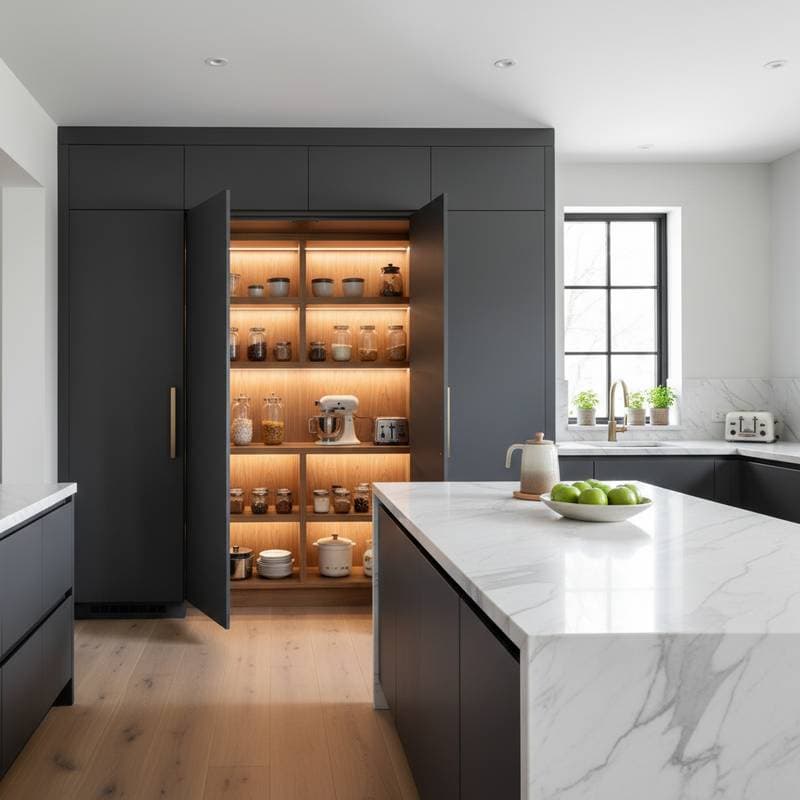
Aesthetically, hidden pantries contribute to a cohesive design narrative. Seamless doors matching surrounding cabinetry create an illusion of unbroken surfaces, enhancing the sense of spaciousness in smaller kitchens. Designers often pair them with soft-close hinges and integrated lighting to elevate both form and function, turning a utilitarian space into a subtle design statement.
From a practical standpoint, these pantries accommodate specialized storage needs. Pull-out drawers for spices, adjustable shelving for canned goods, and dedicated zones for small appliances ensure every item has a designated place. This level of organization not only streamlines routines but also promotes healthier habits by encouraging better inventory management of perishables.
Impact on Home Resale Value
Incorporating a hidden pantry can significantly elevate a property's market appeal. Real estate experts note that buyers prioritize kitchens with ample, concealed storage, viewing it as a marker of thoughtful design and long-term livability. Such features signal to potential purchasers that the home supports contemporary lifestyles, potentially increasing offers by five to ten percent in competitive markets.
Appraisers consider hidden pantries as value-adding upgrades because they address common pain points like insufficient storage without altering the home's footprint. In regions with high demand for updated interiors, like California suburbs, these installations differentiate listings from standard remodels. Data from recent housing trends indicates that kitchens with innovative storage solutions sell faster and command premium prices.
Beyond monetary gains, hidden pantries appeal to eco-conscious buyers by optimizing space efficiency, reducing the need for additional furniture or overbuying. This alignment with sustainable living trends further bolsters resale potential, as more families seek homes that balance utility with environmental responsibility.
Design Options for Every Kitchen
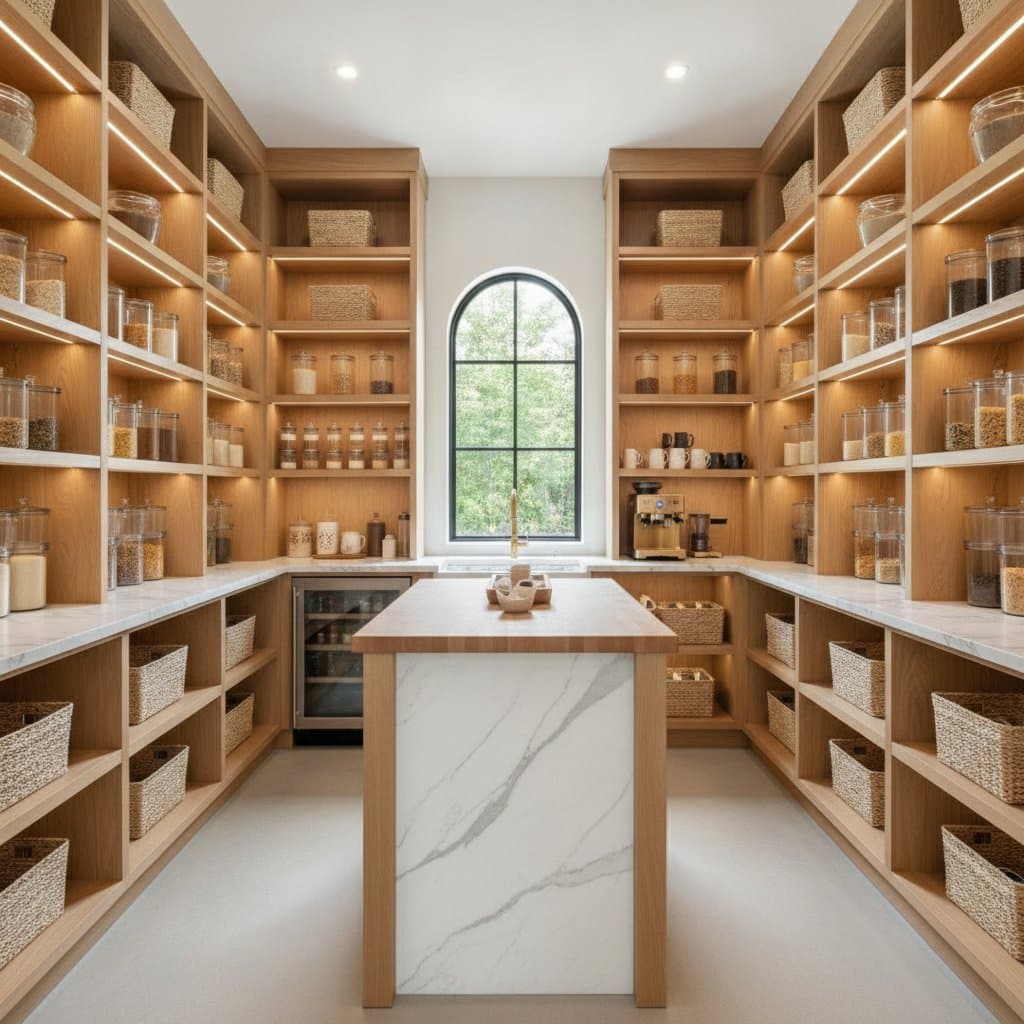
Hidden pantries come in diverse configurations to suit different spatial constraints and preferences. Walk-in versions offer the most capacity, featuring full-depth shelving and room for a rolling cart or step stool. These suit larger kitchens where a dedicated nook can be carved from adjacent areas, often measuring four to six feet in width.
For tighter spaces, appliance garages provide a compact alternative, concealing toasters and mixers behind lift-up panels within upper cabinets. This design maintains countertop clearance while hiding cords and counters, ideal for galley-style layouts. Pull-out pantries, installed beside refrigerators, maximize vertical space with slim, gliding trays that access corner areas effortlessly.
Creative integrations include converting existing cabinet doors into pantry facades. By adding internal organizers behind standard fronts, homeowners achieve a hidden effect without major renovations. Material choices range from painted wood to frosted glass inserts, allowing personalization that harmonizes with overall cabinetry finishes.
Layout Considerations
- Assess available square footage to determine if a walk-in or built-in option fits best.
- Map traffic flow to position the pantry near high-use zones like the stove or sink.
- Incorporate adjustable components for future adaptability, such as modular shelving systems.
Cost Factors and Budgeting
Installation costs for hidden pantries vary based on size, materials, and complexity. Basic cabinet integrations start at around $1,500, covering custom doors and internal organizers for a standard 24-inch unit. Walk-in designs escalate to $5,000 or more, factoring in framing, electrical for lighting, and premium hardware like soft-close mechanisms.
Labor represents a significant portion, typically 40 to 60 percent of the total, depending on whether the project involves structural changes. Homeowners undertaking DIY for simpler setups can save up to 30 percent, though professional installation ensures code compliance and durability. Material selections influence expenses; solid hardwood doors add $500 to $1,000 compared to laminate alternatives.
Ongoing maintenance remains minimal, with occasional cleaning and hardware lubrication sufficient for longevity. Budget-conscious options include retrofitting existing spaces rather than new builds, which can halve upfront costs while delivering comparable benefits. Consulting local contractors helps tailor estimates to regional pricing and material availability.
Expert Tips for Successful Implementation
Start by inventorying current storage needs to avoid under- or over-designing the space. Measure frequently used items to customize shelving heights, ensuring pots fit comfortably and small jars remain visible. Lighting proves essential; LED strips along shelves illuminate contents without casting shadows, improving accessibility during evening use.
Select finishes that resist moisture and stains, as kitchens encounter spills and humidity. Ventilation features, like subtle vents, prevent musty odors in enclosed areas. For families, include child-safe locks on lower sections to secure cleaning supplies out of reach.
Test prototypes with temporary dividers before committing to permanent fixtures. This approach allows refinement based on real-world use, preventing costly adjustments later. Collaborate with designers early to integrate the pantry seamlessly into the kitchen's electrical and plumbing layout.
Realizing the Transformative Potential
A well-executed hidden pantry not only organizes but also inspires confidence in daily home life. It shifts focus from disorder to creativity, enabling hosts to entertain without prep anxiety and families to gather around clutter-free counters. As resale markets evolve, these concealed spaces stand as enduring investments in comfort and curb appeal.
Homeowners who prioritize such upgrades report heightened satisfaction with their living environments. The blend of practicality and elegance ensures the kitchen remains the heart of the home, adaptable to changing needs over time. Embrace this design strategy to unlock a more harmonious and valuable living space.