Hidden Walk-In Pantries: The Essential Kitchen Upgrade for 2026
Homebuyers in 2026 prioritize kitchens that combine functionality with a streamlined aesthetic. Among emerging trends, hidden walk-in pantries stand out as a transformative feature. These concealed storage solutions disguise expansive shelving behind unassuming cabinetry, eliminating visible clutter while enhancing both usability and property appeal.
Understanding the Appeal of Hidden Walk-In Pantries
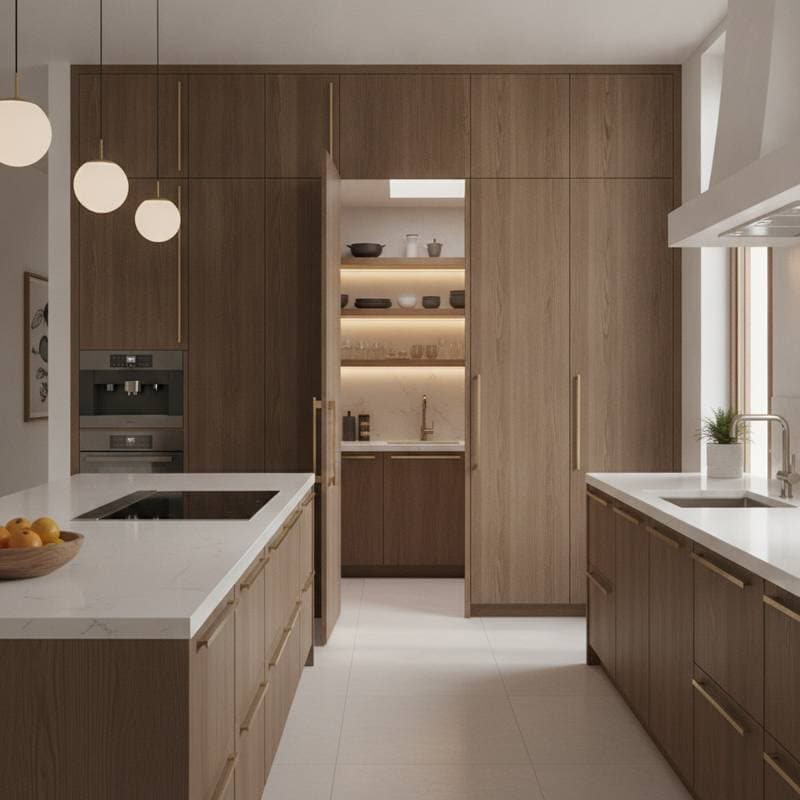
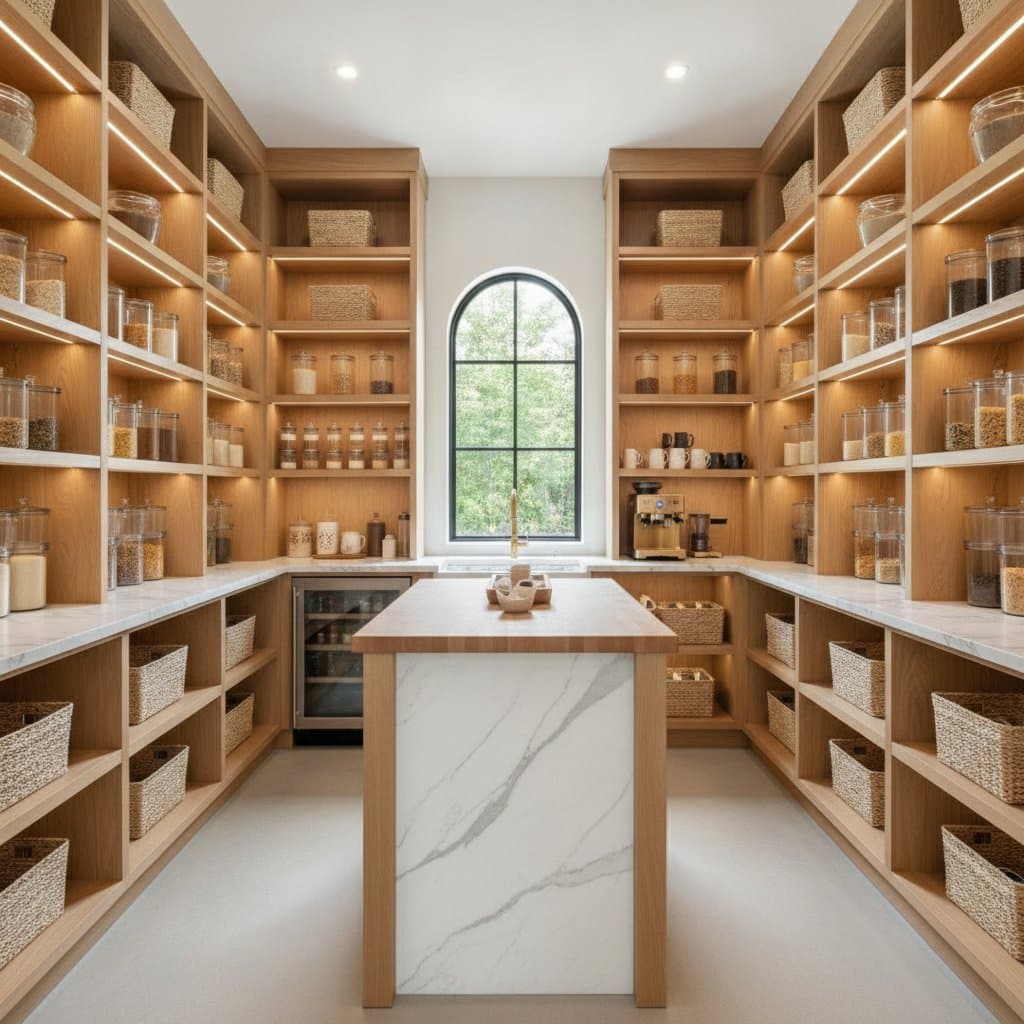
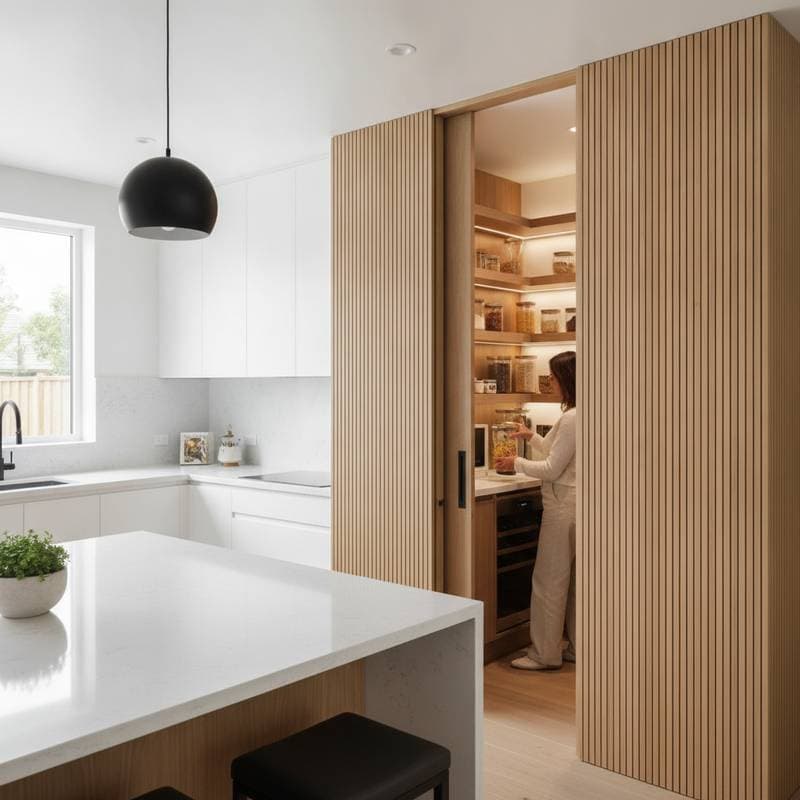
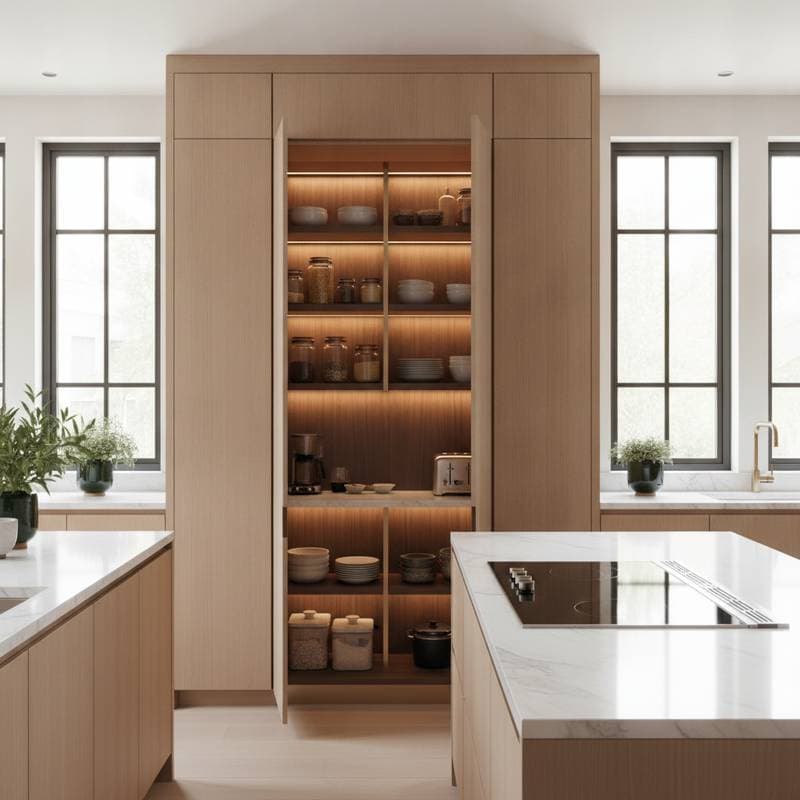
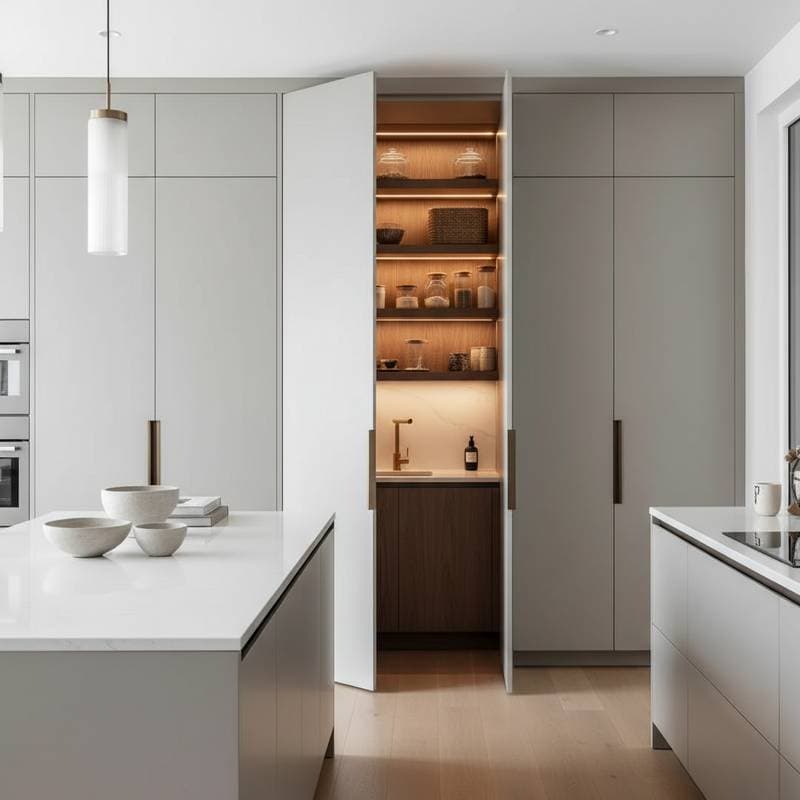
A hidden walk-in pantry integrates seamlessly into the kitchen layout, appearing as an ordinary wall or cabinet panel. Upon opening, it reveals a dedicated room equipped with customizable shelving, counter space, and organizational elements. This design choice addresses the common challenge of limited visible storage in modern homes.
Beyond mere concealment, these pantries contribute to a minimalist environment that feels luxurious and intentional. Real estate professionals note that such features signal high-quality craftsmanship, often increasing perceived home value by up to 5 percent in competitive markets. Appraisers recognize the added square footage as functional space, further elevating resale potential.
The versatility extends to family dynamics as well. Parents appreciate the ability to store bulk groceries and snacks out of reach from children, while cooking enthusiasts value the proximity to workstations. In essence, this upgrade bridges practicality and elegance, making it indispensable for contemporary living.
Designing and Installing a Hidden Walk-In Pantry
Successful integration begins with strategic planning. Select a location adjacent to primary cooking zones, such as behind a perimeter wall or within an existing alcove, to minimize disruption during meal preparation. Ensure the entry point aligns with traffic flow to avoid bottlenecks.
For the entrance, opt for a pivoting door, sliding panel, or pocket door that matches surrounding cabinetry in material and finish. High-quality hinges or tracks prevent sagging over time, maintaining the illusion of continuity. Consider soft-close mechanisms to enhance user experience and durability.
Interior configuration demands thoughtful organization. Install adjustable wire or wood shelving for dry goods and canned items, paired with pull-out drawers for smaller utensils. Incorporate a butcher-block countertop for quick tasks like portioning vegetables or wrapping leftovers. Vertical space utilization, such as over-door racks, maximizes efficiency in compact designs.
Lighting plays a crucial role in functionality. Embed LED strips along shelf edges or install under-cabinet fixtures that activate via motion sensors. This approach illuminates contents without compromising the hidden aesthetic, ensuring easy visibility even in low-light conditions.
Ventilation prevents moisture buildup, which can lead to mold in humid environments. Integrate a quiet inline fan connected to the kitchen's exhaust system, or add passive vents disguised as decorative elements. Proper airflow preserves pantry contents and maintains air quality.
Finishing touches tie the space to the overall kitchen. Extend flooring materials, such as hardwood or tile, into the pantry for cohesion. Apply semi-gloss paint on walls to facilitate cleaning, and add crown molding to elevate the interior's sophistication.
Cost Breakdown for Installation
Budgeting requires consideration of scope and materials. The following table outlines typical expenses for a standard 4-by-6-foot pantry in a mid-sized kitchen.
| Task | Typical Cost Range | Factors Influencing Price |
|---|---|---|
| Framing and Drywall | $800 - $2,000 | Extent of wall modifications, ceiling height |
| Hidden Door or Panel | $600 - $1,800 | Customization level, hardware quality |
| Shelving and Buildout | $1,000 - $3,500 | Material durability, modular vs. custom |
| Electrical and Lighting | $200 - $800 | Number of outlets, wiring complexity |
| Ventilation System | $150 - $400 | Fan type, ductwork length |
| Painting and Trim | $150 - $500 | Labor rates, premium finishes |
Overall, expect to invest between $2,900 and $8,000 for a complete project. Regional labor costs and material availability can adjust these figures; for instance, urban areas often command 20 percent higher rates. Opting for sustainable materials like bamboo shelving may increase upfront costs but yield long-term savings through durability.
Timeline for Completion
Professional installations typically span 7 to 14 days, depending on project complexity. Initial phases involve framing and rough electrical work, which require 2 to 3 days. Subsequent steps, including shelving assembly and finishing, follow over the next week.
Delays may arise from custom fabrications, such as bespoke doors, adding 3 to 5 days for production and delivery. Homeowners should coordinate with contractors early to align with material lead times, ensuring minimal interference with daily routines.
Deciding Between DIY and Professional Installation
DIY approaches suit straightforward conversions, such as repurposing an adjacent closet. Individuals with experience in basic woodworking can handle measurements, shelving installation, and painting. Essential skills include precise leveling to avoid misalignment.
Professional involvement becomes necessary for projects involving load-bearing walls or new electrical circuits. Licensed contractors guarantee compliance with building codes, particularly for ventilation and lighting. Their expertise ensures the pantry integrates flawlessly, preserving the home's structural integrity and aesthetic harmony.
Essential Tools and Materials
Gather these items before starting:
- Stud finder and laser level for accurate framing.
- Circular saw, jigsaw, and cordless drill for construction.
- Measuring tape, clamps, and safety gear for precision.
- LED lighting kits with wiring supplies.
- Hinges, tracks, or magnetic closures for the door mechanism.
- Paint, caulk, and sandpaper for seamless finishes.
Stock up on moisture-resistant drywall and insulated panels if adapting exterior spaces.
Adapting to Regional and Climate Considerations
Climate influences material choices significantly. In humid regions like the Southeast, select green-board drywall and incorporate dehumidifiers alongside fans to combat excess moisture. Cold-weather areas, such as the Northeast, benefit from added insulation on exterior walls to regulate temperature and prevent frost formation.
Local regulations vary; coastal zones may require enhanced ventilation to handle salt air corrosion. Always consult municipal guidelines for permits related to electrical alterations or structural changes. These adaptations not only extend the pantry's lifespan but also enhance energy efficiency.
Enhancing Home Value Through This Upgrade
Hidden pantries elevate kitchens beyond standard appliances, offering tangible storage solutions that appeal to discerning buyers. In listings, photographs showcasing the reveal of organized space can differentiate properties in saturated markets. The investment recoups through faster sales and higher offers, as buyers envision personalized organization.
Functionally, it streamlines routines by centralizing supplies, reducing search time during cooking. This efficiency appeals to busy professionals and families alike, positioning the home as a practical retreat.
Practical Strategies for Optimal Results
Align the door height and width precisely with adjacent cabinets to maintain visual uniformity. Select handle-free designs with push-latch openings for discretion. Illuminate corners with directional spotlights to eliminate shadows, creating an inviting interior.
Incorporate modular components, like rolling carts or lazy Susans, for flexible storage. Regularly assess usage to refine organization, ensuring the space evolves with household needs.
Addressing Common Questions
What minimum dimensions work for a hidden pantry? A space measuring at least 4 feet by 6 feet allows for comfortable navigation and ample shelving without feeling cramped.
Can this feature fit in small kitchens? Yes, compact versions using 3-by-5-foot areas with vertical storage maximize utility in urban apartments.
Does it require special maintenance? Routine cleaning and occasional vent filter replacement suffice; avoid overloading shelves to prevent door strain.