Dark Academia: The 2026 Trend Elevating Home Sales
Dark Academia design returns with influence on real estate transactions. Buyers seek residences that evoke depth, intrigue, and intellect. Envision aged libraries illuminated by candlelight and enveloped in profound color schemes. This aesthetic endures because it transcends fleeting fashions in an era of constant change.
Defining Dark Academia Design
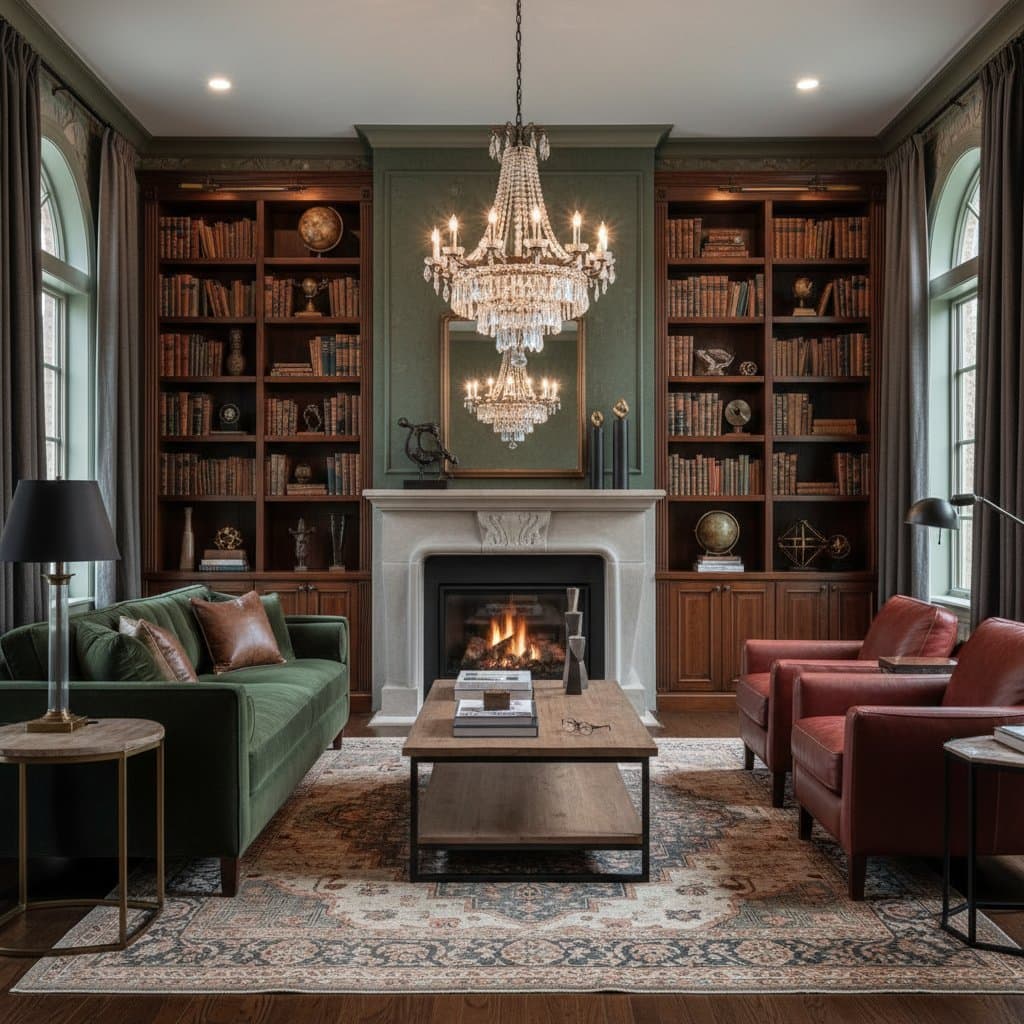
Dark Academia fuses traditional scholarly elements with gothic undertones. It draws inspiration from grand libraries, historic universities, and intimate study nooks. Essential components include richly stained wood, well-worn books, tactile fabrics, and subdued illumination. The intent centers on cultivating an immersive environment that balances intellectual pursuit with a sense of sanctuary.
Unlike the stark emptiness of minimalism, Dark Academia embraces abundance. It highlights intricate details rather than concealing them. Consider pairing substantial velvet drapes with ornate brass fixtures. Each element, from gilded frames to patinated surfaces, infuses a subtle sense of reminiscence.
The Appeal to Home Buyers
Prospective owners desire environments that provide solace and individuality. Dark Academia delivers these qualities through its multifaceted and discerning character. The style lends itself to striking photography, which enhances online listings and draws extended viewings. Real estate professionals observe that properties featuring opulent interiors attract greater digital traffic and in-person interest.
This design integrates seamlessly with established architecture. It masks imperfections through strategic use of hue and materiality, preserving inherent charm without aggressive alterations. Such an approach proves economical for revitalizing spaces while maintaining their narrative integrity.
Implementing the Dark Academia Aesthetic
Achieving this look requires no grand estate or vine-draped facade. Focus initially on establishing mood through color and surface variation.
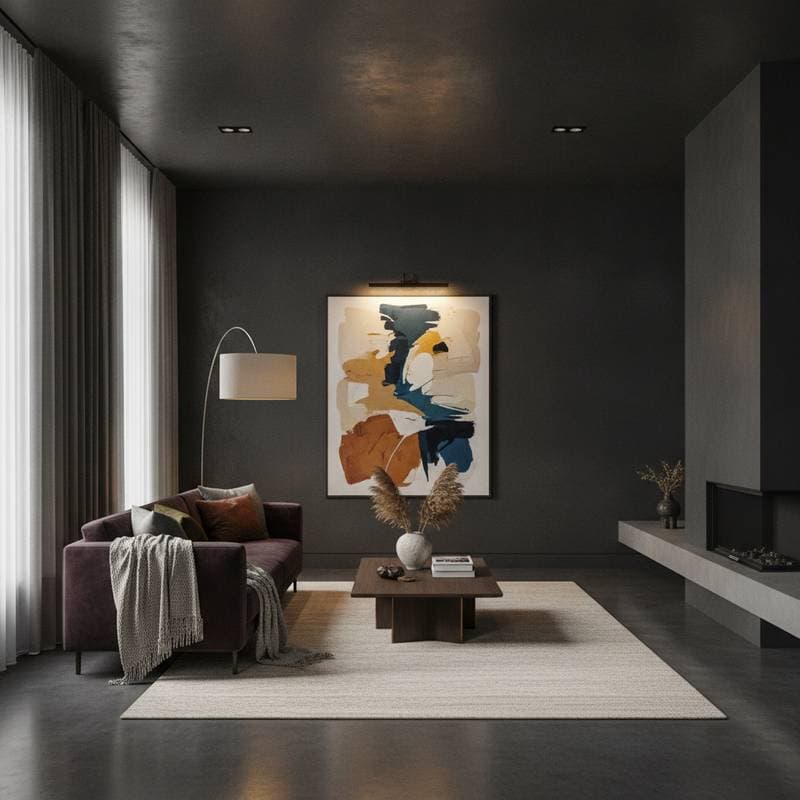
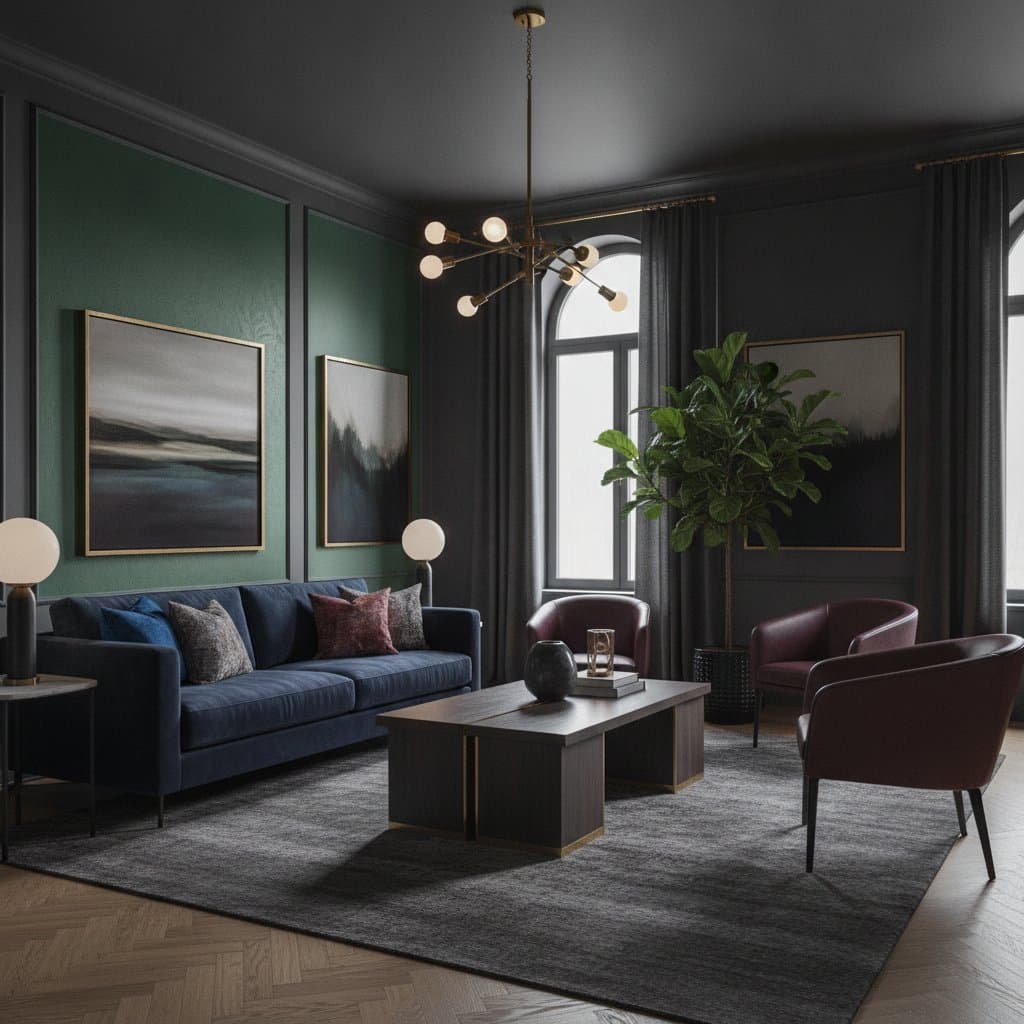
- Select foundational hues. Opt for profound shades such as forest green, midnight blue, burgundy, or soot gray. Prefer finishes with a matte quality to enhance subtlety.
- Incorporate multifaceted illumination. Blend ambient sources like wall-mounted fixtures, desk lamps, and flickering candles. Steer clear of harsh ceiling-mounted options.
- Introduce varied textures. Incorporate woolen accents, silk upholstery, and distressed leather furnishings to convey a sense of habitation.
- Display literature prominently. Utilize open shelving laden with genuine volumes to anchor the composition.
- Harmonize metallic and timber elements. Combine aged brass, antiqued bronze, and ebony-stained oak for cohesive elegance.
- Incorporate artwork and heirlooms. Select classical portraits, antique cartography, or inscribed etchings to weave a compelling tale.
Develop the arrangement incrementally. Each addition contributes to a layered narrative. Aim for an organic evolution that suggests curation over hasty assembly.
Investment Overview
| Element | Estimated Expense | Influencing Factors |
|---|---|---|
| Wall and trim painting | $300 to $1,200 per space | Dimensions, material grade, professional involvement |
| Illumination enhancements | $150 to $800 per unit | Component durability, setup intricacy |
| Furnishings and soft goods | $800 to $5,000 aggregate | Textile durability, antique versus contemporary sourcing |
| Decorative items | $200 to $2,000 | Authenticity of artifacts versus reproductions |
| Integrated storage solutions | $1,500 to $6,000 | Timber selection, bespoke measurements |
Regional differences impact these figures. Sourcing pre-owned items or refurbishing existing ones controls expenditures. Tailored woodworking or premium textiles escalate outlays significantly.
Project Timeline
Refreshing a solitary area spans one to two weeks with personal oversight of painting and arrangement. Specialized woodworking or electrical modifications extend efforts to three or four weeks. Engaging an interior specialist accelerates progress through efficient sourcing and collaboration with suppliers.
Personal Effort Versus Professional Assistance
Pursue independently when:
- Proficiency exists in surface preparation and spatial curation.
- Pleasure derives from sourcing and rehabilitating secondhand pieces.
- Modifications remain superficial without structural demands.
Seek expert guidance when:
- Custom installations or electrical revisions prove necessary.
- Preservation of heritage features requires precision.
- Preparation for market demands unified visual impact.
Specialists excel at harmonizing ambiance with practicality. They apply deep tones without compromising perceived spaciousness. Professionals also navigate regional regulations for installations involving power sources.
Essential Supplies Inventory
- Rollers, applicators, and protective sheeting for coatings
- Detection tools and alignment devices for mounting
- Fastening implements for fixture adjustments
- Gentle-spectrum LED sources in warm tones
- Period-appropriate casings and reflective panels
- Substantial window treatments or adjustable blinds
- Flame sources or subdued desktop illuminators
Favor untreated surfaces. Non-reflective coatings camouflage minor flaws. Glossy elements disrupt the intended serenity.
Considerations for Location and Environment
In temperate zones, select breathable fabrics such as flax or lightweight weaves to sustain ventilation. Replace dense velvets with nuanced neutrals. Colder areas benefit from robust textiles and cumulative light layers to foster coziness.
Moisture levels influence pigmented surfaces and timber components. Apply protective barriers and humidity controls for longevity. Verify compliance with area-specific standards prior to integrating electrical or fixed elements.
Enhancing Property Worth Through Dark Academia
Purchasers form lasting impressions from spaces rich in narrative. Amid listings dominated by neutral palettes and sleek lines, a contemplative, literature-laden interior distinguishes itself. Professionals note superior imaging quality, which amplifies virtual interactions.
The motif complements vintage builds like Elizabethan, artisan, or federal styles. Contemporary apartments gain dimension from a singular themed chamber, introducing contrast and intrigue.
Staging firms increasingly adopt these principles to invigorate bland areas. Positioning a pair of tufted seats alongside curated visuals transforms a utilitarian chamber into an aspirational haven.
Strategies for Market Preparation
- Designate a focal area. Prioritize studies, lounges, or formal dining zones.
- Curate selectively. Maintain partial occupancy on displays to imply expansiveness.
- Counterbalance shadows with highlights. Integrate pale floor coverings or metallic accents to temper intensity.
- Infuse aroma judiciously. Notes of hide, timber, and subtle spices reinforce the ambiance.
- Capture images during dusk. Diffused glow accentuates tonal richness.
Emotional resonance prompts extended engagement. Thoughtful presentation often yields competitive bids.
Practicality and Upkeep Guidelines
Saturated finishes reveal marks readily. Store reserve coatings for prompt corrections. Employ energy-efficient bulbs to minimize warmth accumulation in enclosed fixtures. Anchor substantial racks to framing, particularly under heavy loads. Refrain from overburdening aged circuits with contemporary wiring.
For open flames, ensure placement on firm bases distant from flammables and air currents. With operational hearths, arrange periodic flue inspections before use.
The Enduring Nature of Dark Academia
This style anchors to reliability. It dismisses ephemeral aesthetics in favor of enduring quality. It honors artisanal skill, intellectual engagement, and contemplative pause. As domestic time increases, individuals seek purposeful surroundings. Dark Academia provides such depth with understated poise.
Adaptability spans financial ranges. Temporary residents realize it via salvaged goods and adhesive applications. Property holders commit to bespoke joinery and originals. The core vocabulary remains uniform.
Expert Recommendations for Optimal Results
- Sample hues across surfaces; illumination alters perception markedly.
- Alternate flat and low-sheen applications for dimension.
- Blend periods; a postwar fixture harmonizes with ornate seating if palette unifies.
- Preserve voids; the motif flourishes amid breath and subtlety.
- Conceal devices in shadowed enclosures or bound sheaths to integrate seamlessly.
Executed thoughtfully, the environment emerges as a secluded sanctuary rather than contrived display.
Advancing Your Design Journey
Initiate modestly with a single surface, nook, or relic. Permit gradual refinement. Source elements resonant with personal narrative.
For impending sales, prioritize illumination and coloration for swift impact at modest investment. For sustained pleasure, allocate to durable fabrics and solid woods.
Dark Academia transcends transient vogue. It underscores the primacy of sentiment in spatial creation. Residences imbued with history invariably captivate.