Hidden Pantries Add 11% to Kitchen Resale Value
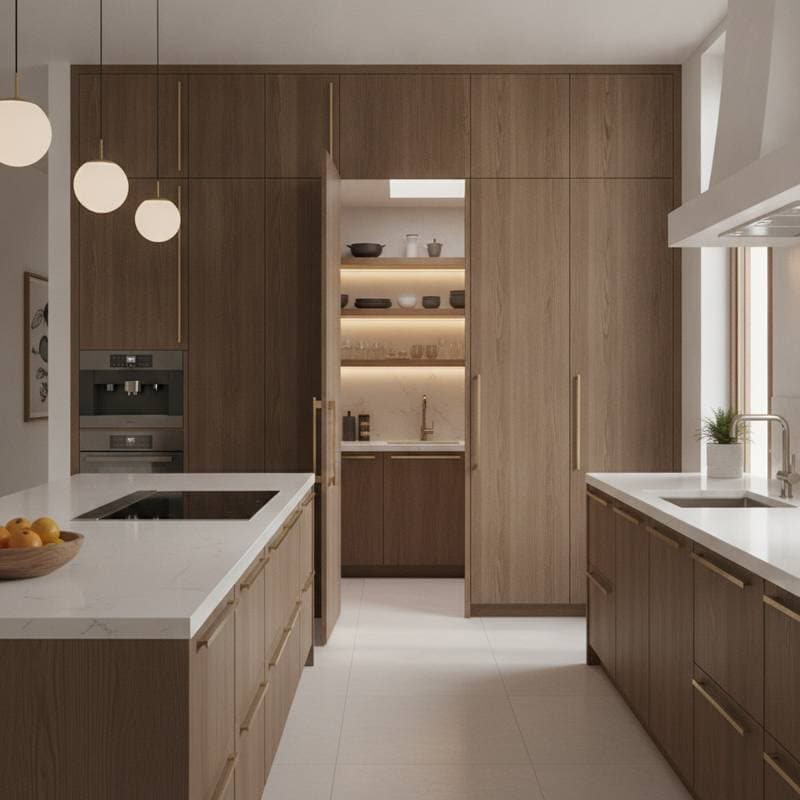
Hidden pantries represent a transformative element in modern kitchen design. These concealed storage solutions integrate seamlessly into cabinetry and walls, offering ample space without compromising aesthetics. Homeowners increasingly favor them for their ability to maintain a clutter-free environment while enhancing overall functionality.
In the evolving landscape of 2026 kitchen trends, hidden pantries stand out as a smart investment. Real estate experts project that incorporating this feature can increase a kitchen's resale value by 11 percent. This boost stems from the appeal of organized, minimalist spaces that attract discerning buyers.
Understanding Hidden Pantries
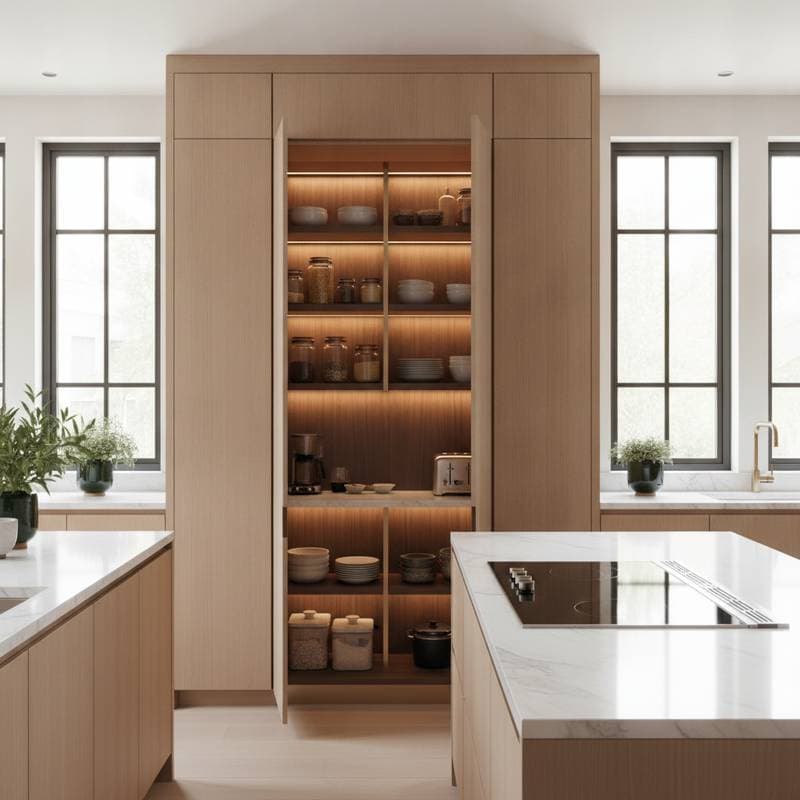
Hidden pantries differ from traditional open shelving or visible cabinets by prioritizing discretion. They utilize custom-built compartments disguised behind cabinet doors or paneled walls. This design choice aligns with contemporary preferences for streamlined interiors that emphasize clean lines and hidden utility.
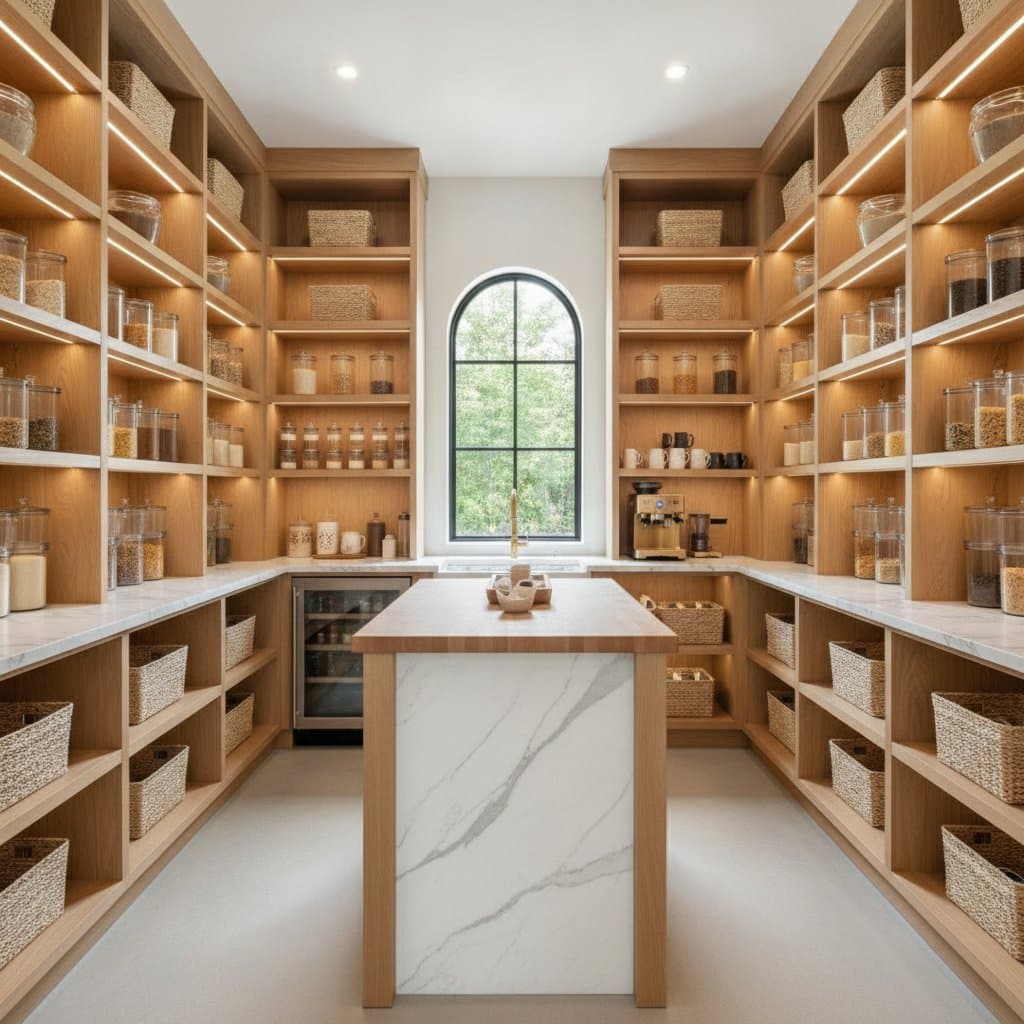
The concept draws inspiration from historical butler pantries but adapts to modern needs. Instead of serving as secondary prep areas, today's versions focus on bulk storage for dry goods, appliances, and utensils. Such integration ensures that kitchens remain visually spacious even in smaller homes.
The Resale Value Advantage
Kitchens often serve as the heart of a home, influencing buyer decisions significantly. A hidden pantry elevates this central space by providing practical storage that buyers appreciate during showings. Appraisers note that features promoting efficiency and organization contribute directly to perceived value.
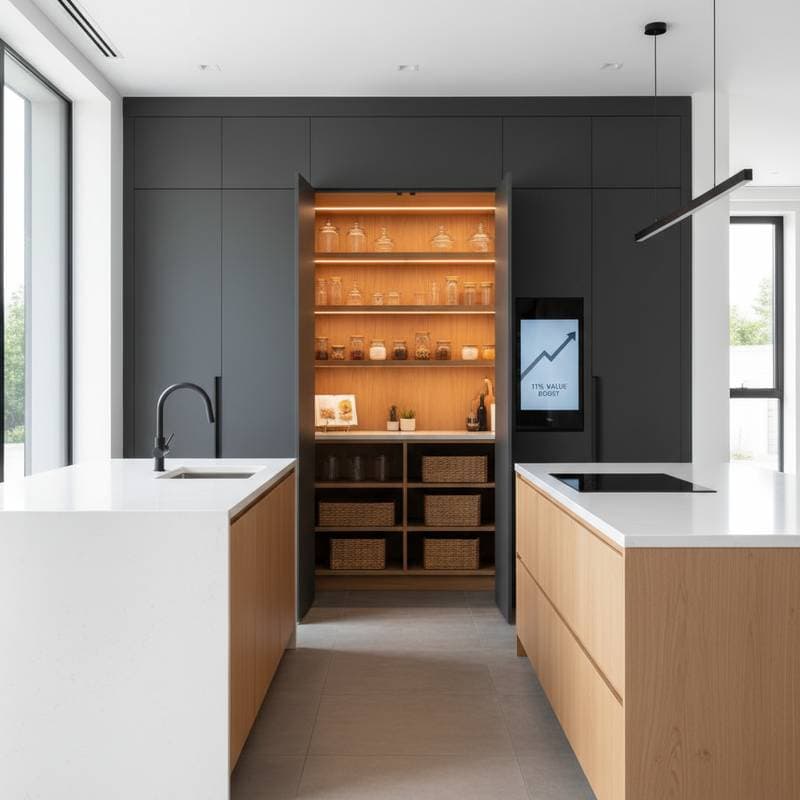
Data from recent market analyses supports this trend. Properties with concealed storage solutions command higher offers, with an average uplift of 11 percent in kitchen-centric valuations. This premium reflects the long-term appeal of designs that balance form and function without visible clutter.
Buyers in urban and suburban markets particularly value these upgrades. They view hidden pantries as evidence of thoughtful planning, which translates to reduced maintenance and enhanced daily living. As a result, homes featuring this element sell faster and at better prices.
Design Options for Every Kitchen
Selecting the right hidden pantry begins with assessing available space and style. For compact kitchens, shallow pull-out units behind standard cabinet fronts offer a subtle solution. These units maximize vertical space with adjustable shelving and dividers for organized item placement.
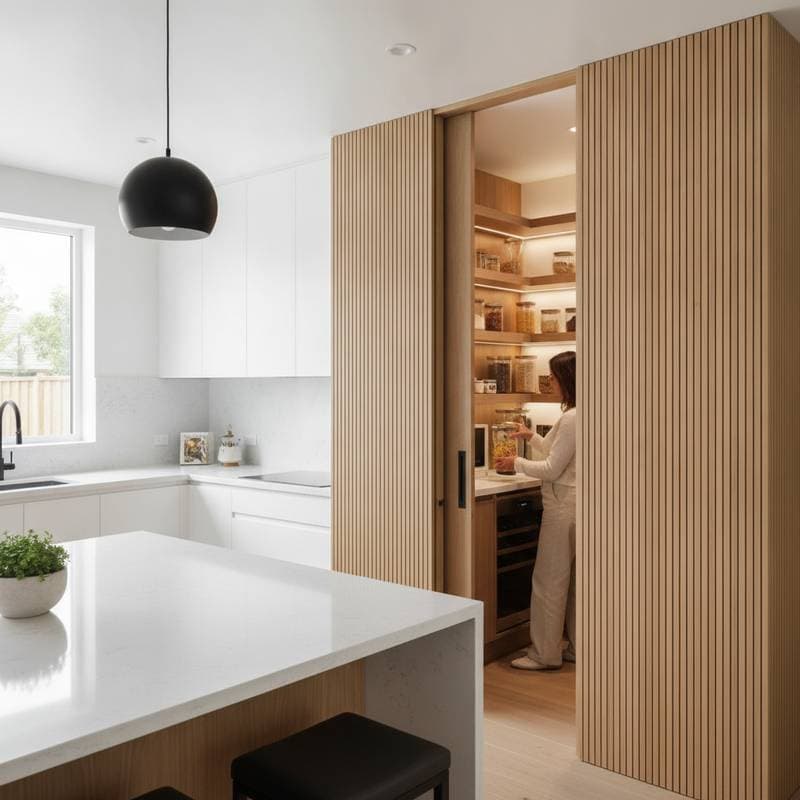
Larger layouts accommodate walk-in pantries disguised as feature walls. Such designs incorporate soft-close doors and integrated lighting to reveal contents upon opening. Materials like matching wood veneers or painted panels ensure the pantry blends invisibly with surrounding cabinetry.
Custom variations include appliance garages for small electronics and corner units that utilize awkward angles. Designers recommend incorporating pull-out trays and lazy Susans to access items effortlessly. These elements transform dead space into functional areas without altering the kitchen's footprint.
Cost Considerations and Budgeting
Implementing a hidden pantry involves varying expenses based on scale and materials. Basic installations, such as retrofitting existing cabinets with concealed drawers, range from $1,500 to $3,000. This option suits budget-conscious homeowners seeking immediate impact.
Mid-range projects feature custom cabinet integrations, costing $4,000 to $8,000. These include professional measurements and hardware like soft-close mechanisms. For luxury setups with walk-in designs, budgets extend to $10,000 or more, incorporating high-end finishes and automation.
Factors influencing costs encompass labor, materials, and complexity. Homeowners should consult contractors for site-specific quotes. Financing through home improvement loans can spread expenses, making the 11 percent resale uplift a compelling return on investment.
Step-by-Step Installation Guide
Planning forms the foundation of a successful hidden pantry project. Measure the intended space meticulously, accounting for door swings and appliance clearances. Sketch initial designs to visualize integration with existing cabinetry.
- Select materials that match current kitchen elements, such as oak or quartz panels.
- Remove or modify cabinets as needed, ensuring structural support remains intact.
- Install shelving and organizers, securing them with brackets for stability.
- Add doors or panels, aligning them flush with surrounding surfaces.
- Incorporate lighting and hardware, testing functionality before final touches.
Professional assistance proves invaluable for electrical or plumbing integrations. DIY enthusiasts can handle simpler retrofits using pre-fabricated kits. Always prioritize safety by following local building codes.
Smart Upgrades for Enhanced Functionality
Elevate a hidden pantry with technology-driven features. Motion-sensor lighting activates automatically, illuminating contents without manual switches. Smart shelving systems include adjustable heights via electronic controls for customized organization.
Incorporate pull-out bins for recycling and composting to promote sustainability. Voice-activated doors open hands-free, ideal for busy cooking sessions. These upgrades not only improve usability but also appeal to tech-savvy buyers in the resale market.
For added durability, opt for moisture-resistant materials in humid climates. Antimicrobial surfaces prevent mold growth, ensuring long-term hygiene. Such details demonstrate foresight, further justifying the value increase.
Realizing the Full Benefits
Hidden pantries deliver more than aesthetic refinement; they streamline daily routines. Families benefit from quick access to essentials, reducing search time during meal preparation. This efficiency fosters a calmer kitchen atmosphere.
On the resale front, the 11 percent value boost positions the upgrade as a strategic choice. Buyers recognize the practicality, envisioning their own organized lifestyle. Homeowners who invest now position their properties advantageously in competitive markets.
Ultimately, this feature embodies modern living's core principles: subtlety, efficiency, and enduring appeal. By concealing storage, kitchens gain sophistication that endures beyond trends.