Walk-In Pantries: Enhancing Home Value by 14 Percent
Walk-in pantries represent a practical upgrade that transforms kitchen functionality and elevates property appeal. Homeowners who incorporate this feature often see a notable increase in resale value, with studies indicating up to a 14 percent boost. This addition combines storage efficiency with aesthetic luxury, making it a worthwhile investment for modern living spaces.
The Appeal of Walk-In Pantries in Today's Homes
In an era where open-concept kitchens dominate, walk-in pantries provide essential organization without cluttering main areas. These dedicated spaces allow for bulk storage of dry goods, appliances, and serving ware, freeing up countertops for meal preparation. Beyond utility, they contribute to a sense of spaciousness and sophistication that appeals to potential buyers.
Real estate experts note that kitchens serve as the heart of the home, influencing buyer decisions significantly. A well-designed pantry signals thoughtful planning and attention to detail. As a result, properties with this feature stand out in competitive markets, often commanding higher offers.
How Walk-In Pantries Drive a 14 Percent Value Increase
The 14 percent value uplift stems from multiple factors, including improved storage capacity and enhanced kitchen flow. Appraisers recognize pantries as upgrades that align with buyer preferences for organized, efficient homes. In urban settings, where space is at a premium, this feature maximizes every square foot.
Market data supports this trend: homes with walk-in pantries sell faster and at premiums compared to those with standard cabinetry. The investment recoups through quicker resales and broader buyer interest. For instance, families prioritize pantries for their ability to handle grocery hauls and seasonal items seamlessly.
Essential Design Principles for Effective Pantries
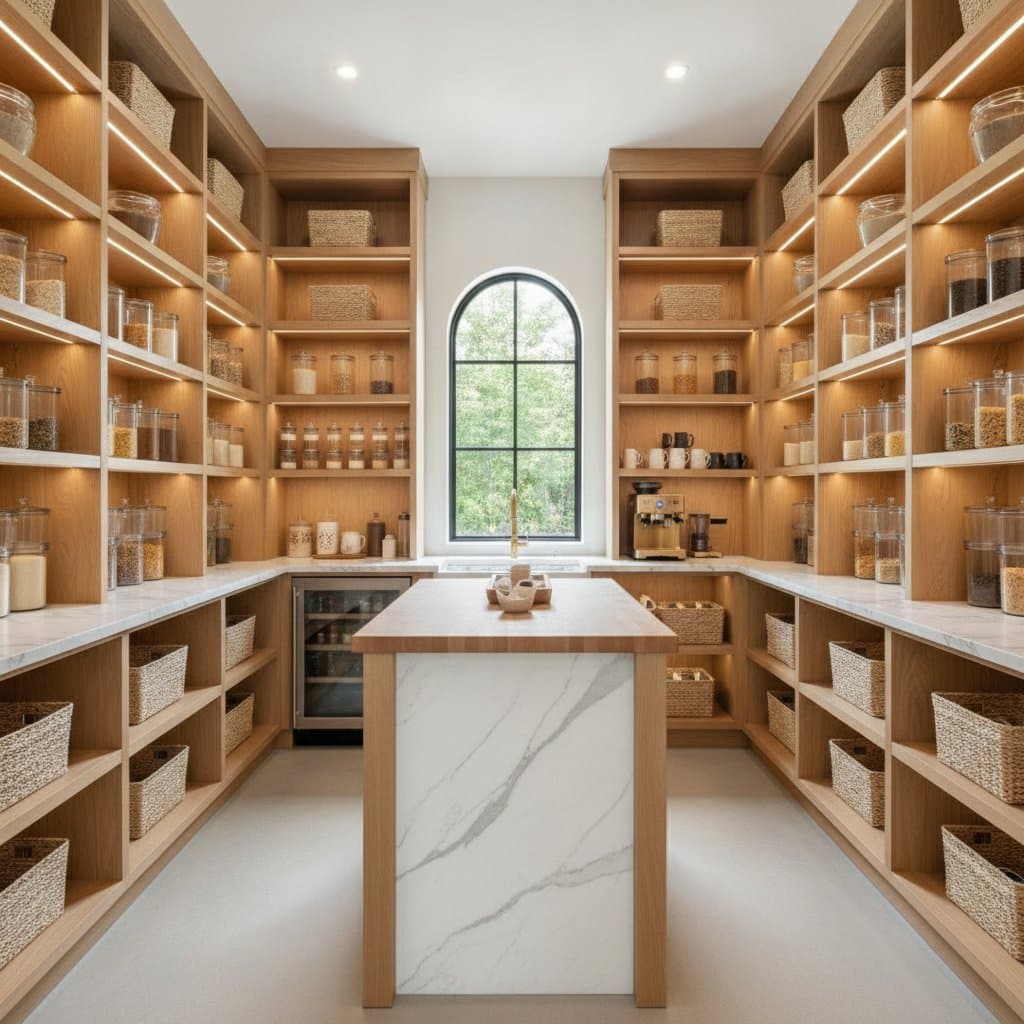
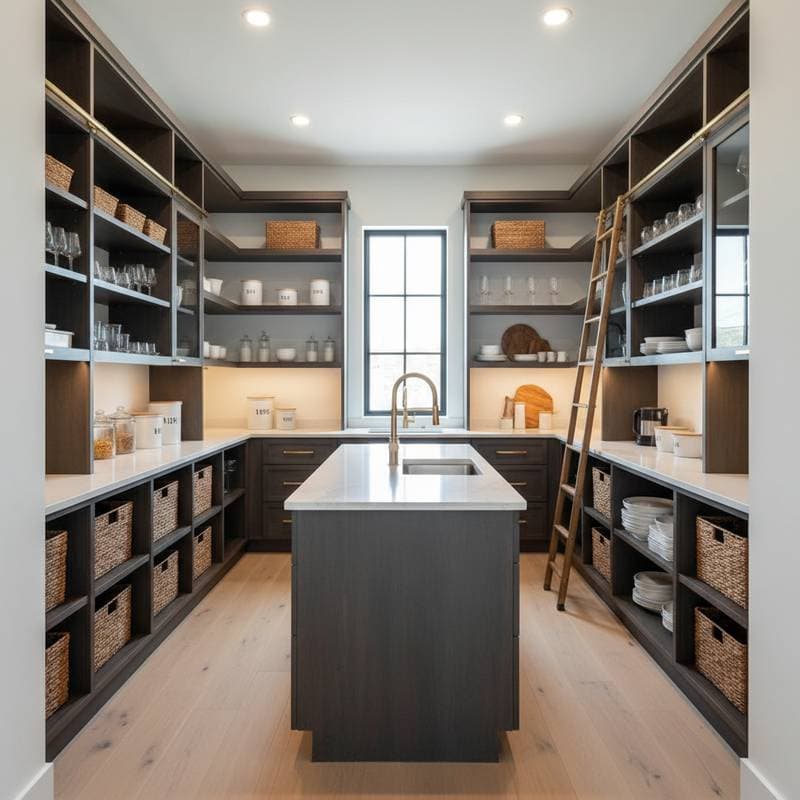
Successful pantry designs prioritize accessibility and durability. Start with measuring the available space to determine layout options, such as U-shaped shelving or pull-out drawers. Materials like wire mesh or solid wood ensure longevity while accommodating various item sizes.
Incorporate zones for different categories: one area for canned goods, another for baking supplies. Adjustable shelving allows customization as needs evolve. Ventilation prevents moisture buildup, preserving food quality over time.
Lighting and Accessibility Features
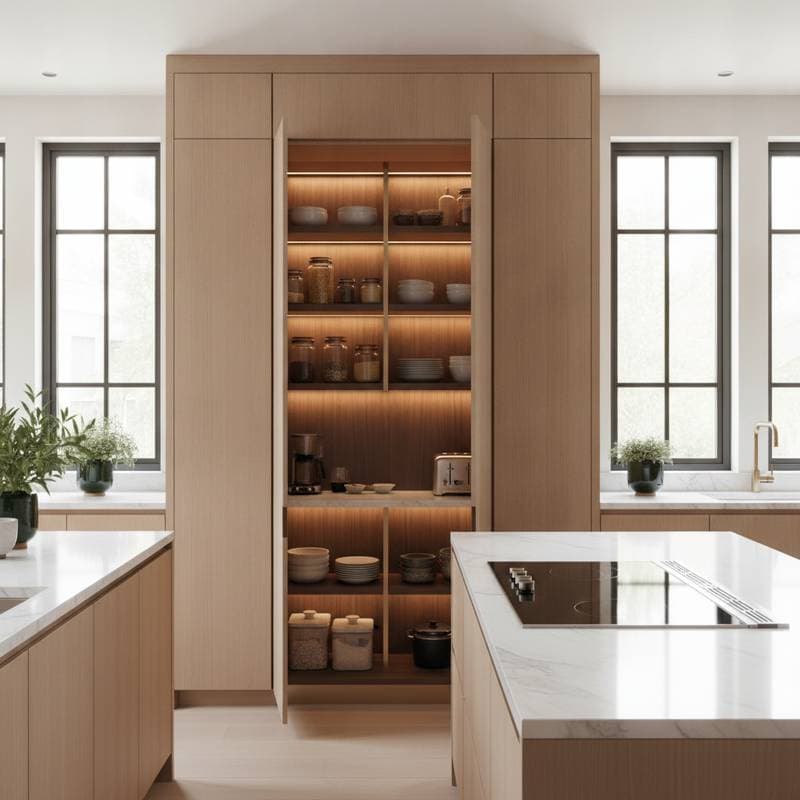
Proper illumination makes pantries user-friendly. Install LED strips under shelves to highlight contents without wasting energy. Motion-sensor lights activate upon entry, enhancing convenience during late-night snacks or early morning routines.
For accessibility, include lower shelves at waist height for everyday items and higher ones for less frequently used goods. Pull-out trays and lazy Susans simplify reaching back corners. These elements not only improve daily use but also impress during home tours.
Cost Considerations for Adding a Walk-In Pantry
Budget plays a key role in pantry projects, with costs ranging from $1,500 for basic conversions to $10,000 for custom builds. DIY approaches keep expenses low by repurposing existing closets, while professional installations ensure structural integrity. Factor in permits if modifying load-bearing walls.
Mid-range options around $4,000 to $6,000 offer a balance of quality and affordability, including custom shelving and lighting. Long-term savings arise from reduced kitchen renovations, as pantries minimize the need for frequent updates. Evaluate return on investment based on local market values to justify spending.
DIY Tips for Creating Your Walk-In Pantry
Homeowners with basic skills can tackle pantry conversions independently. Begin by clearing the space and assessing electrical needs for lighting. Use pre-cut melamine boards for shelving, securing them with brackets for stability.
Organize installation in phases: mount vertical supports first, then add horizontal shelves. Test load capacity with sample items before finalizing. Paint or stain surfaces to match kitchen aesthetics, creating a cohesive look.
- Measure precisely to avoid gaps or overhangs.
- Select modular components for easy adjustments.
- Label bins and baskets for intuitive organization.
These steps yield professional results without extensive expertise. Consult local building codes to ensure compliance.
Professional Insights on Pantry Integration
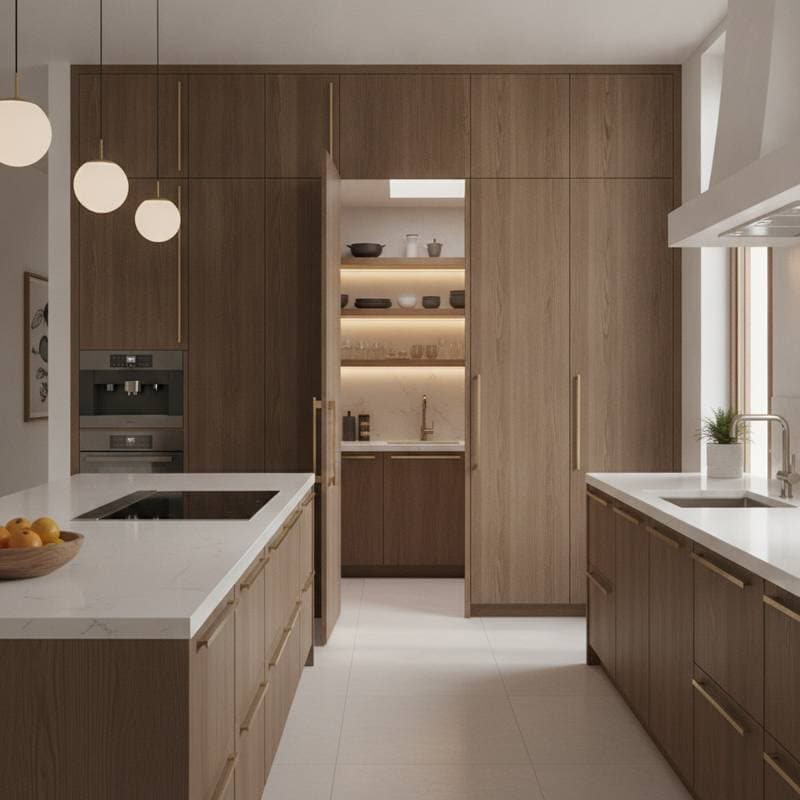
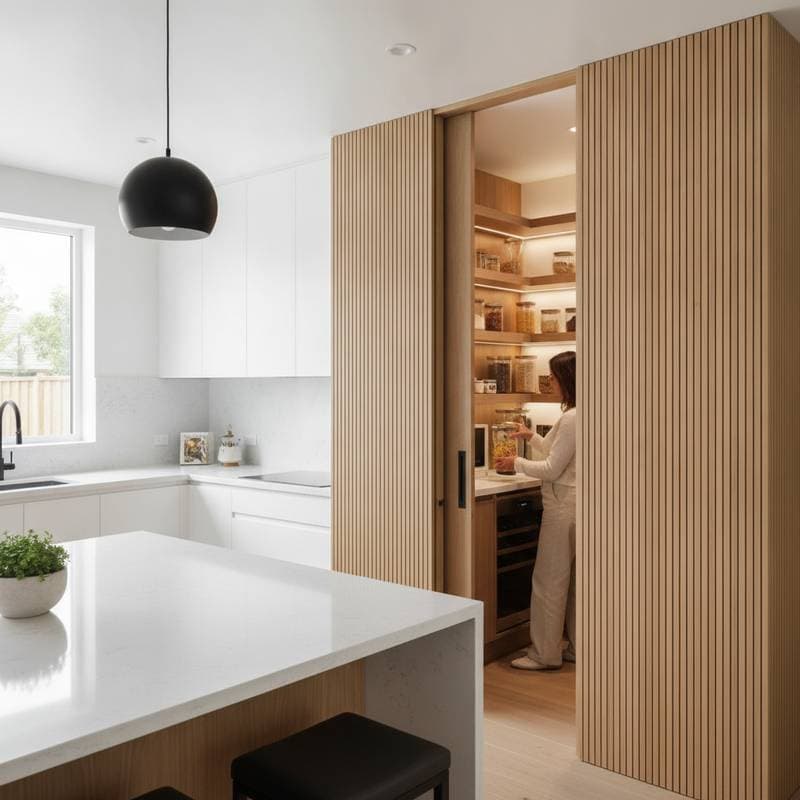
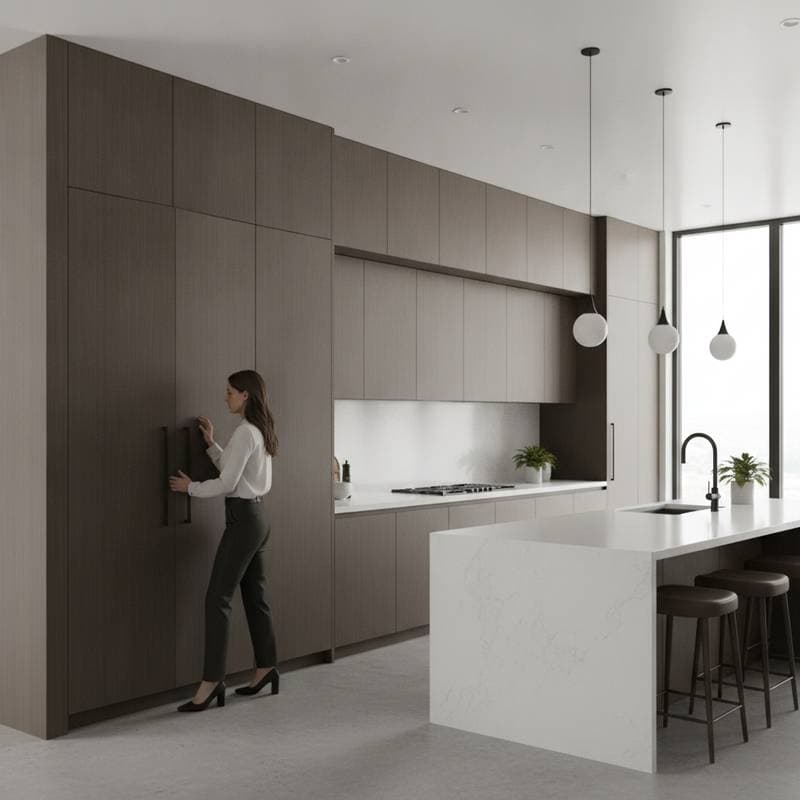
Interior designers emphasize seamless integration with overall kitchen design. Align pantry doors with cabinetry styles, opting for pocket doors to save space. Pros recommend soft-close hardware to reduce noise and wear.
When hiring contractors, review portfolios for similar projects. They can optimize layouts for ergonomics, such as placing heavy items at mid-level. Experts also suggest incorporating smart features like inventory apps tied to pantry cameras for remote monitoring.
In high-end remodels, glass-fronted elements showcase organization, adding visual interest. Professionals advise budgeting 10 percent extra for unforeseen issues, ensuring a smooth process.
Realize Lasting Benefits Through Strategic Upgrades
Investing in a walk-in pantry delivers immediate functionality and future-proof value. This feature adapts to lifestyle changes, from growing families to empty nesters. By enhancing storage and appeal, it positions your home favorably in any market.
Homeowners report greater enjoyment in cooking and entertaining due to reduced clutter. The 14 percent value increase reflects broader trends toward practical luxury. Consider this upgrade as a step toward a more efficient, desirable living space.