Hidden Pantries: The 2026 Kitchen Trend That Adds $15,000 in Value
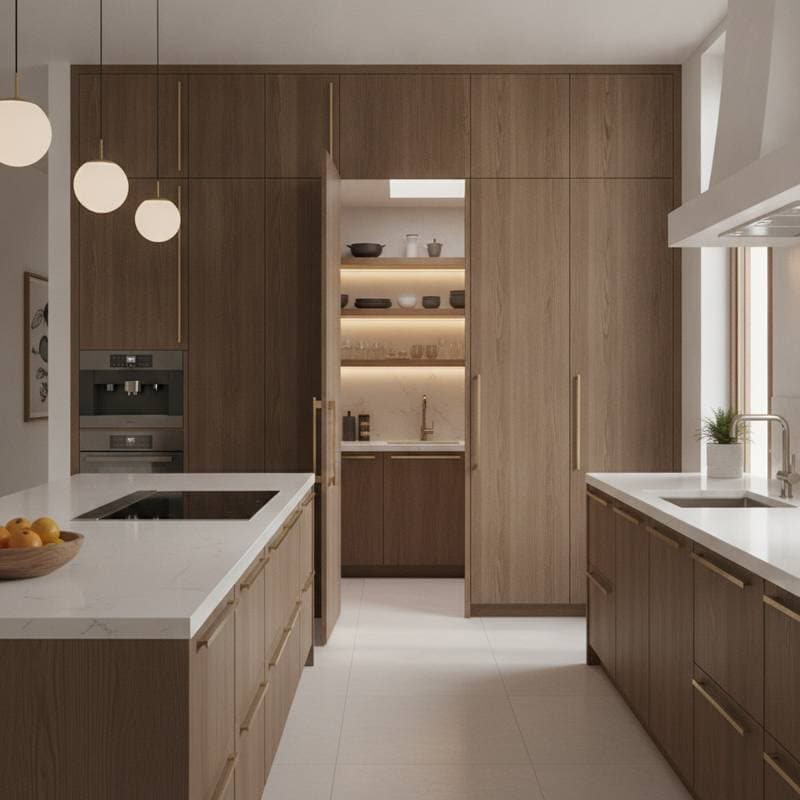
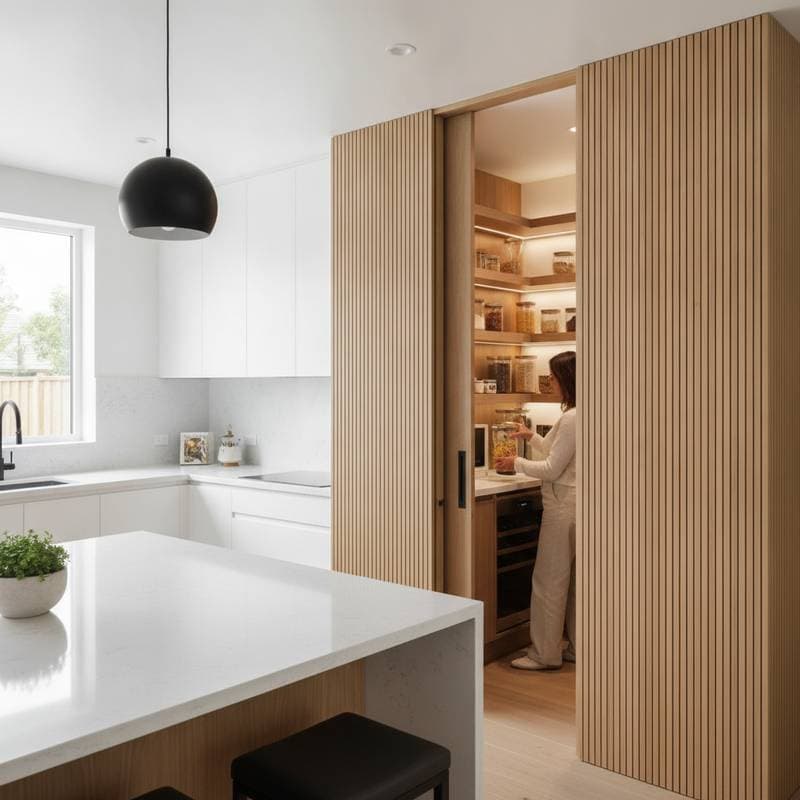
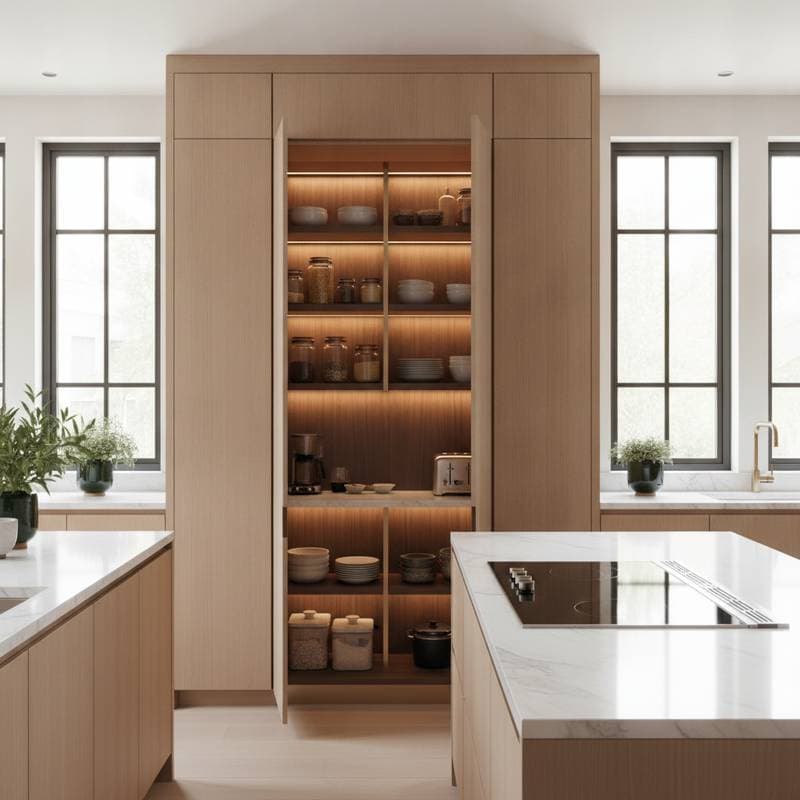
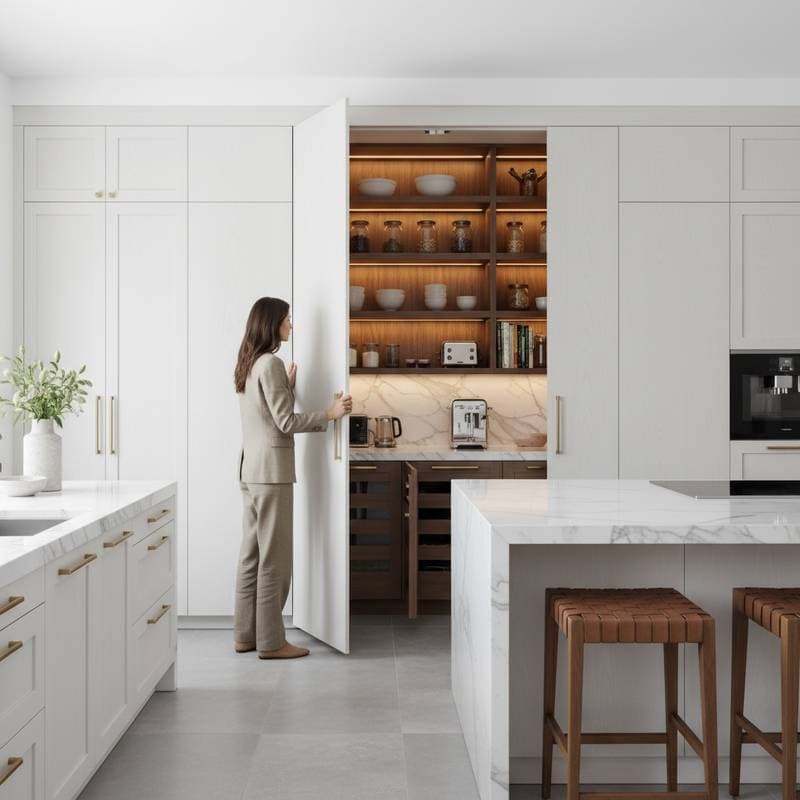
Hidden pantries, concealed storage spaces integrated seamlessly into kitchen cabinetry or disguised behind wall panels, emerge as a key feature in 2026 kitchen designs. These elements cater to homeowners seeking streamlined aesthetics and organized functionality. They prove particularly valuable in medium to large kitchens or during renovations aimed at enhancing resale potential and storage efficiency.
Defining the Hidden Pantry
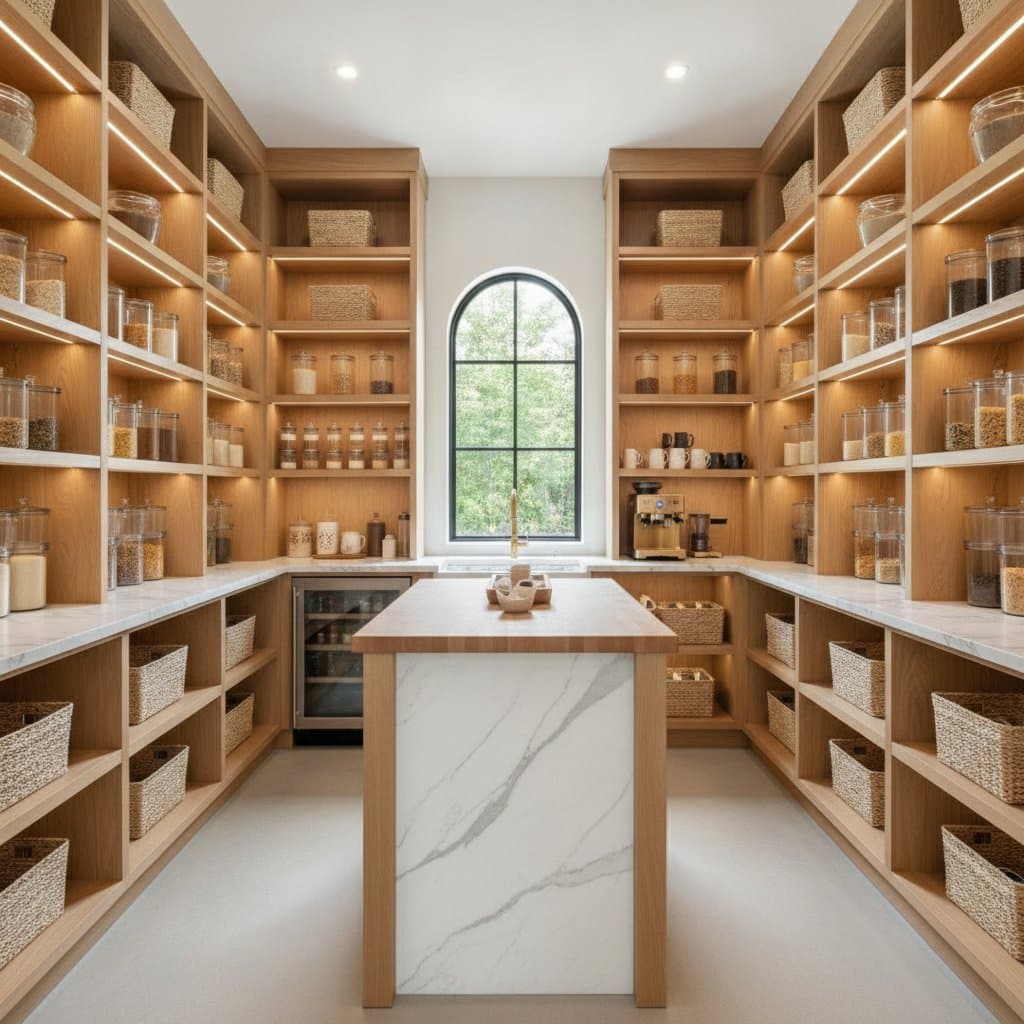
A hidden pantry consists of a walk-in area or a cabinet-depth compartment that merges with the surrounding cabinetry. Access typically occurs through a door mimicking standard cabinet fronts or a flush wall panel. Internally, these spaces accommodate pantry staples, small appliances, and occasionally dedicated prep areas or auxiliary sinks. This design appeals to those pursuing a minimalist kitchen without compromising on practical storage solutions.
Advantages and Drawbacks
Hidden pantries offer several benefits that elevate kitchen usability and appeal.
Advantages
- Expand storage capacity while maintaining a clutter-free appearance on counters and surfaces.
- Conceal appliances like toasters or blenders, along with bulk food items, preserving visual harmony.
- Contribute to a sleek, contemporary aesthetic with uninterrupted lines.
- Enhance property resale value by introducing a high-end, customized feature.
- Incorporate additional workspace suitable for food preparation or baking tasks.
However, implementation involves certain challenges.
Drawbacks
- Involve greater initial expenses compared to simpler open shelving systems.
- Potentially diminish available space in adjacent kitchen zones.
- Demand careful attention to ventilation and illumination during installation.
- Necessitate skilled carpentry to achieve a flawless, integrated finish.
- May require obtaining building permits for modifications involving new walls or utility integrations.
DIY Approaches Versus Professional Installation
Constructing a hidden pantry demands accurate measurements, structural adjustments, and aesthetic alignment. While DIY efforts suit basic adaptations, complex projects benefit from expert involvement.
DIY Assessment
- Difficulty Level: Moderate to high, depending on the scope.
- Estimated Time: Two to five days for converting existing cabinetry into a simple hidden unit.
- Essential Tools: Circular saw, power drill, spirit level, stud finder, and finish nailer.
- Potential Risks: Moderate; errors in alignment could compromise cabinet stability or damage wall finishes.
Scenarios for Professional Assistance
- When incorporating plumbing lines or electrical wiring.
- For constructing framed enclosures in walk-in formats.
- To ensure compatibility with bespoke cabinetry and surface treatments.
- In cases affecting structural elements, such as load-bearing walls.
Engaging a general contractor or specialized kitchen designer guarantees proper execution, adherence to regulations, and necessary permitting.
Essential Installation Steps
Follow these sequential guidelines to build a functional hidden pantry.
- Assess and Measure: Evaluate potential locations, such as areas behind existing cabinets or along adjacent walls, and record precise dimensions.
- Develop the Design: Select the door mechanism, configure shelving arrangements, and outline lighting requirements.
- Prepare the Area: Dismantle any obstructing panels, shelving, or sections of drywall.
- Construct Framing: Erect necessary walls or support structures to define and expand the space as required.
- Integrate Electrical Components: Install outlets or lighting fixtures where applicable, ensuring compliance with safety codes.
- Complete the Interior: Apply paint, install tiling if desired, and mount adjustable shelving units.
- Fit the Concealed Door: Position panels or cabinet fronts to create a seamless transition with the kitchen's overall design.
- Verify Operations: Examine lighting functionality, door hinges, and air circulation mechanisms.
- Organize and Finalize: Populate the pantry with items and fine-tune shelf positions for optimal access.
Upkeep and Durability
Hidden pantries endure alongside the kitchen's cabinetry, typically spanning 15 to 25 years under regular conditions. Perform annual inspections on hinges, sliding tracks, and electrical elements to address wear promptly. Maintain low humidity levels to avert material warping or mold development. Opt for LED lighting to minimize heat generation and prolong component longevity. Custom installations often include warranties from manufacturers or installers, ranging from five to ten years; review terms thoroughly prior to commitment.
Comparable Storage Solutions
Consider these options if a hidden pantry does not align with your needs.
Open Shelving Systems
These provide an economical and straightforward installation process. However, they expose contents, undermining the desired clean aesthetic.
Freestanding Pantry Units
Ideal for rental properties or compact areas, these deliver portable storage. They enhance organization but contribute minimally to overall home equity.
Pull-Out Cabinet Inserts
Designed to slide within existing cabinet frameworks, these facilitate easy access. Capacity remains constrained compared to dedicated pantry spaces.
Conventional Walk-In Pantries
These function as distinct rooms with prominent doors, offering robust storage. They forgo the subtle, integrated style that defines current trends.
Regional Considerations
Project costs vary based on local labor rates and regulatory requirements. In densely populated urban settings with elevated demand for custom designs, expect higher pricing. For humid or coastal environments, select durable materials such as marine-grade plywood or sealed medium-density fiberboard to resist moisture. In cooler regions, insulate walls adjacent to exteriors to regulate temperature. Certain jurisdictions mandate specific lighting levels or electrical provisions in enclosed areas; consult your local building authority early in the planning phase.
Investment Return and Market Impact
Integrating a hidden pantry may increase the kitchen's appraised value by five to 15 percent, influenced by execution quality and geographic factors. Prospective buyers view it as a sophisticated upgrade, akin to premium countertops or integrated appliances. This feature underscores intentional planning and generous storage, bolstering marketability. For those anticipating a sale in the near term, such an addition frequently recovers at least half its investment via heightened buyer interest.
Essential Safety Measures
Confirm compliance for any electrical or plumbing alterations. Newly added circuits and fixtures must adhere to National Electrical Code guidelines. For sink installations, verify adequate venting and appropriate drain inclines. Refrain from obstructing air vents or heating systems within walls. Employ heat-resistant LED fixtures to mitigate risks in confined areas. Structural modifications warrant evaluation by a licensed professional to assess load-bearing integrity. Secure all requisite permits prior to commencing framing or electrical work.
Frequently Asked Questions
What dimensions are suitable for a hidden pantry?
A compact walk-in requires at least three feet by five feet. Shallower cabinet-depth models operate effectively within 12 inches of depth.
Is ventilation essential for hidden pantries?
Indeed, incorporating a vent or grille promotes air circulation and curbs moisture accumulation in enclosed environments.
Can existing kitchens accommodate a retrofit hidden pantry?
In many instances, yes. Professionals often repurpose sections of wall cabinets or overlooked corners, though structural constraints or utility placements may limit options.
Integrating for Lasting Utility
Design your hidden pantry to support both storage demands and routine kitchen activities. Align materials and finishes with the broader kitchen scheme for cohesive appeal. Prioritize efficient, ample lighting to enhance usability. Delegate electrical or plumbing tasks to certified specialists. Emphasize ergonomic layout, effortless access, and robust materials to ensure enduring performance and satisfaction.