Hidden Wine Cellars: Enhancing Home Value by Up to 15 Percent
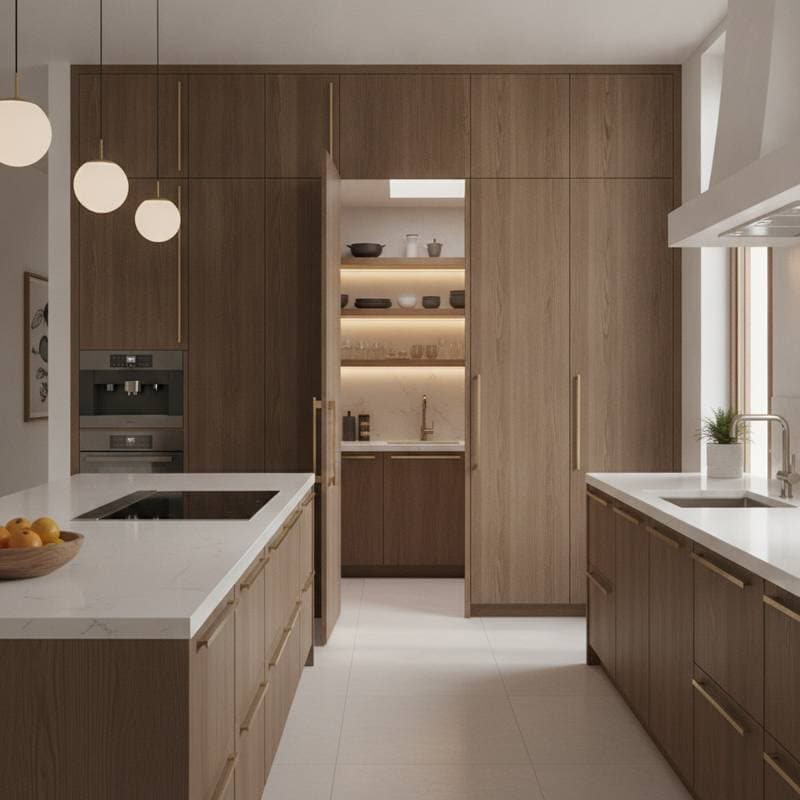
Homeowners seeking to elevate their property's appeal often overlook the potential of concealed storage solutions. A hidden wine cellar transforms underutilized areas, such as basements or closets, into sophisticated features that preserve fine wines while adding a layer of exclusivity. These installations appeal to collectors and entertainers alike, offering a controlled environment that maintains optimal conditions for bottle aging. Real estate experts note that such features can increase resale value by 10 to 15 percent in markets favoring luxury amenities, provided the design integrates seamlessly with the home's architecture.
Investment Overview: Costs and Budgeting
Constructing a hidden wine cellar typically ranges from $15,000 to $65,000 nationwide, with many projects falling between $25,000 and $40,000 for standard conversions of mid-sized spaces. Factors influencing the final price include the scale of the project and the level of customization. For instance, a basic under-stair unit might stay under $30,000, while elaborate designs incorporating artisanal elements could exceed $80,000.
Key Cost Drivers
- Space Dimensions and Storage Capacity: Larger areas demand extensive racking systems and robust insulation, potentially adding $5,000 to $15,000 for every additional 100 square feet.
- Climate Control Systems: Essential for maintaining 55 to 57 degrees Fahrenheit and 50 to 70 percent humidity, these units cost $2,000 for basic models up to $10,000 for silent, high-efficiency options with digital monitoring.
- Material Selections: Opt for cedar or redwood racking at $50 to $100 per square foot, or premium stone facades that enhance aesthetics but elevate expenses by 20 to 30 percent.
- Concealment Mechanisms: Hidden panels or bookcase doors require specialized hardware, contributing $3,000 to $8,000 depending on automation features like biometric locks.
- Site-Specific Modifications: Basements benefit from natural cooling, keeping costs lower, whereas ground-level builds necessitate vapor barriers and reinforced foundations, increasing budgets by up to 40 percent.
Budget wisely by obtaining multiple quotes and prioritizing energy-efficient components to offset long-term operational expenses.
Benefits and Drawbacks
Hidden wine cellars offer distinct advantages for discerning homeowners. They safeguard collections against temperature fluctuations and light exposure, ensuring wines develop peak flavors over time. By repurposing forgotten spaces, these cellars maximize square footage without altering the home's visible layout. The discreet design impresses potential buyers, signaling thoughtful craftsmanship and a lifestyle of refined indulgence.
However, challenges exist. The initial investment surpasses that of standard cabinetry or freestanding coolers. Ongoing maintenance demands attention to humidity levels and system performance, which could strain those unfamiliar with such upkeep. Utility costs rise modestly due to constant cooling, and regulatory hurdles like permits for structural alterations may delay projects. Finally, the feature's value hinges on the buyer's interests; non-collectors might view it as niche.
Design Varieties for Different Homes
Selecting the right type ensures the cellar aligns with your living space and collection size. Each option balances functionality, aesthetics, and installation feasibility.
Basement Integration
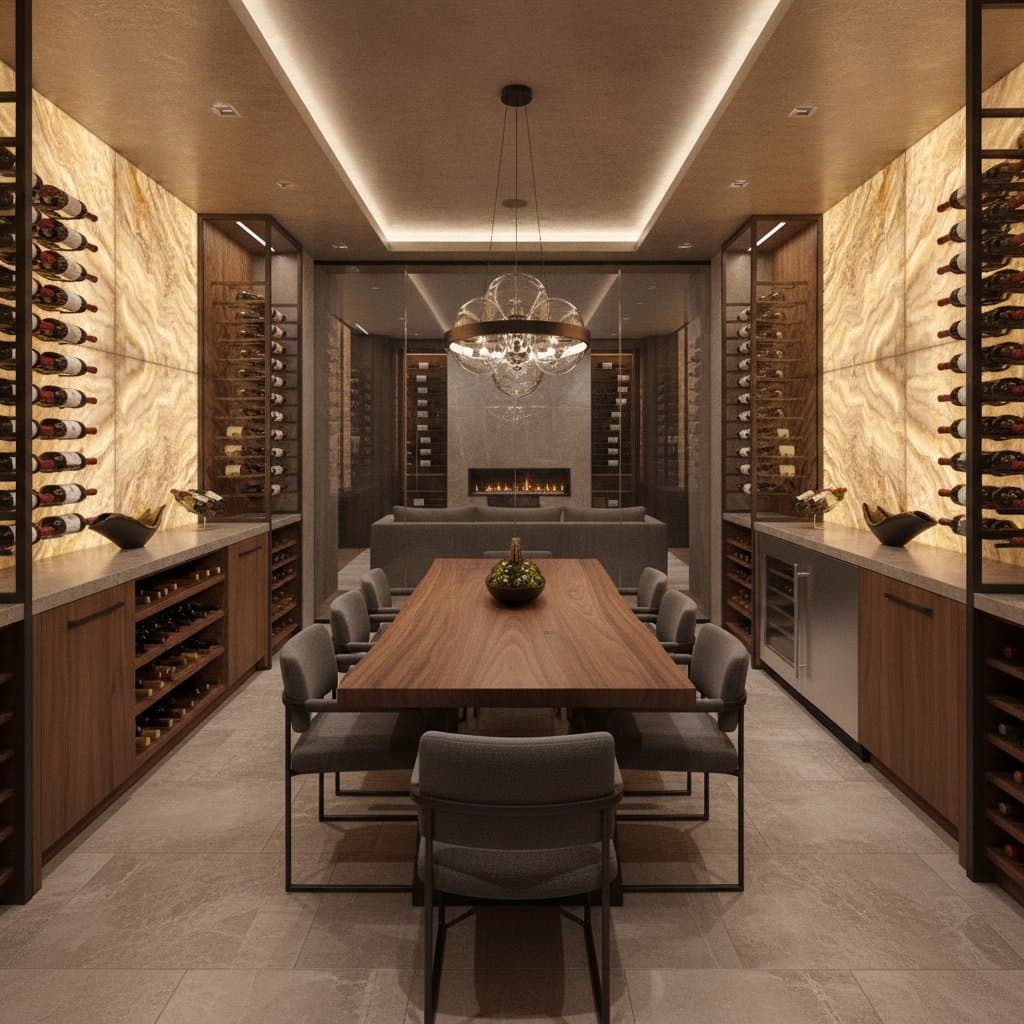
This approach leverages the home's coolest, most stable area. Ideal for collections exceeding 500 bottles, it requires minimal additional excavation but benefits from enhanced sealing to combat ground moisture. Expect installation in 4 to 6 weeks with professional oversight.
Under-Stair Nooks
Perfect for compact dwellings, these utilize awkward triangular spaces for 100 to 300 bottles. Accessibility remains straightforward via pull-out drawers or swing doors, and costs stay contained through modular racking. This design suits urban apartments where space efficiency is paramount.
Concealed Closet or Room Builds
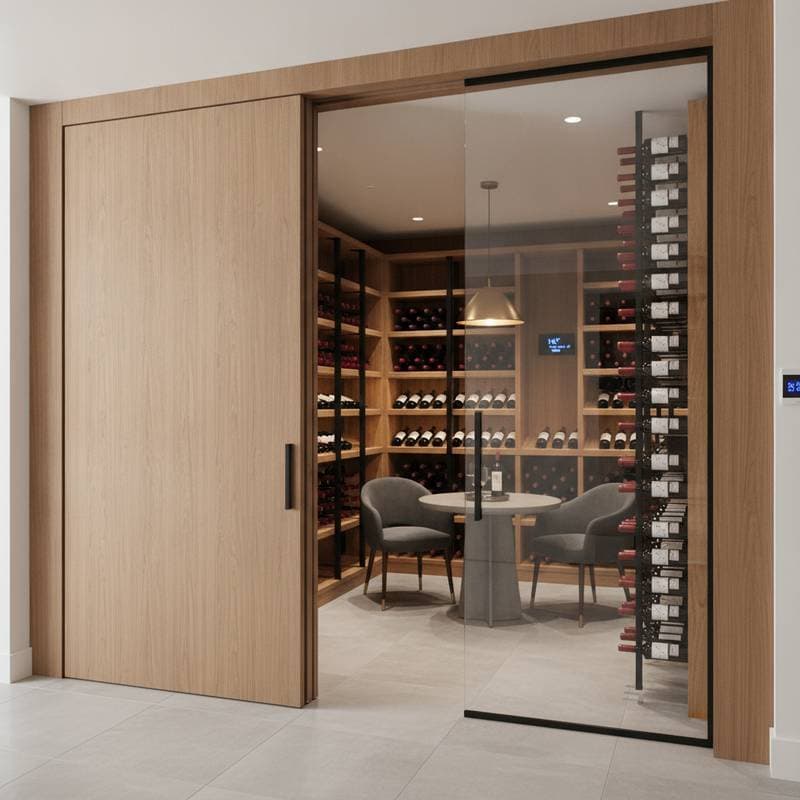
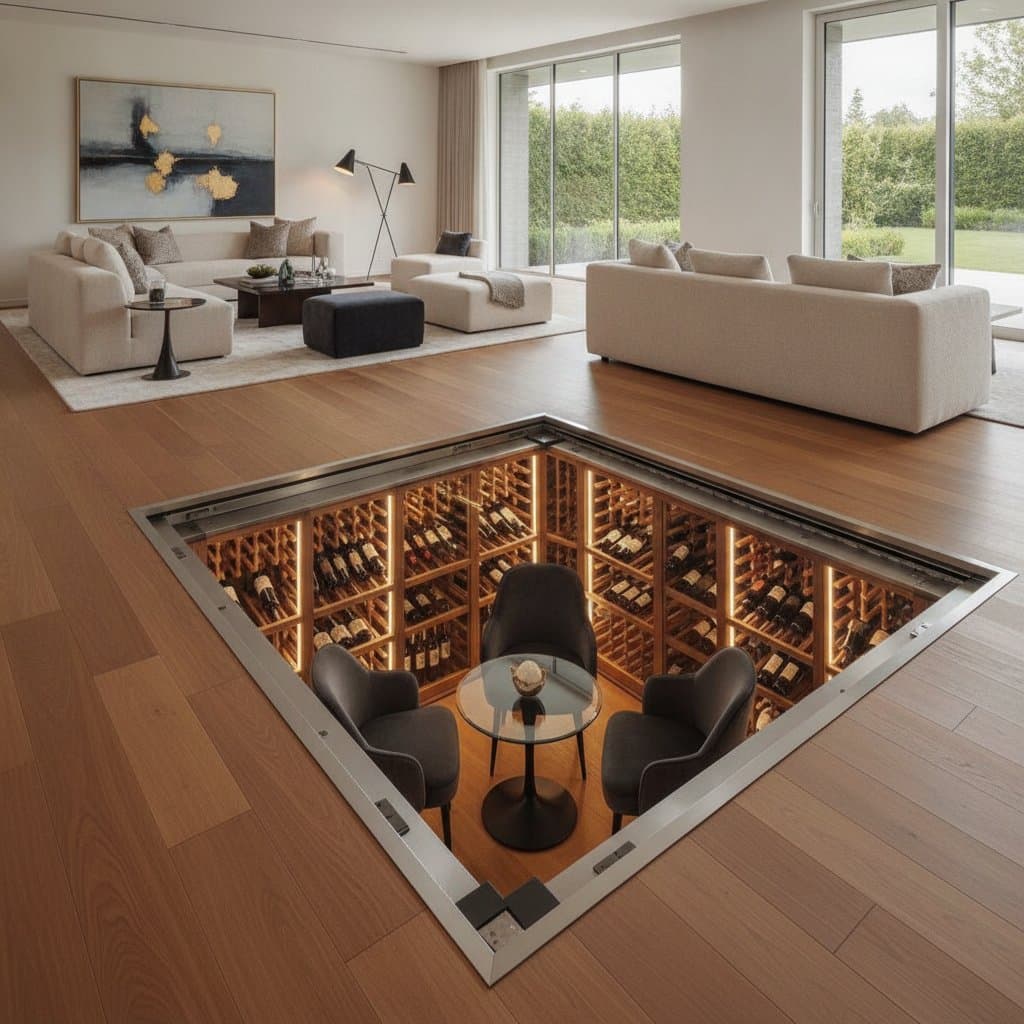
For utmost privacy, convert a walk-in closet behind false walls or automated panels. Security features like alarmed entries protect valuable assets, making this choice suitable for high-end interiors. Customization allows integration with smart home systems for remote monitoring.
Glass-Walled Displays
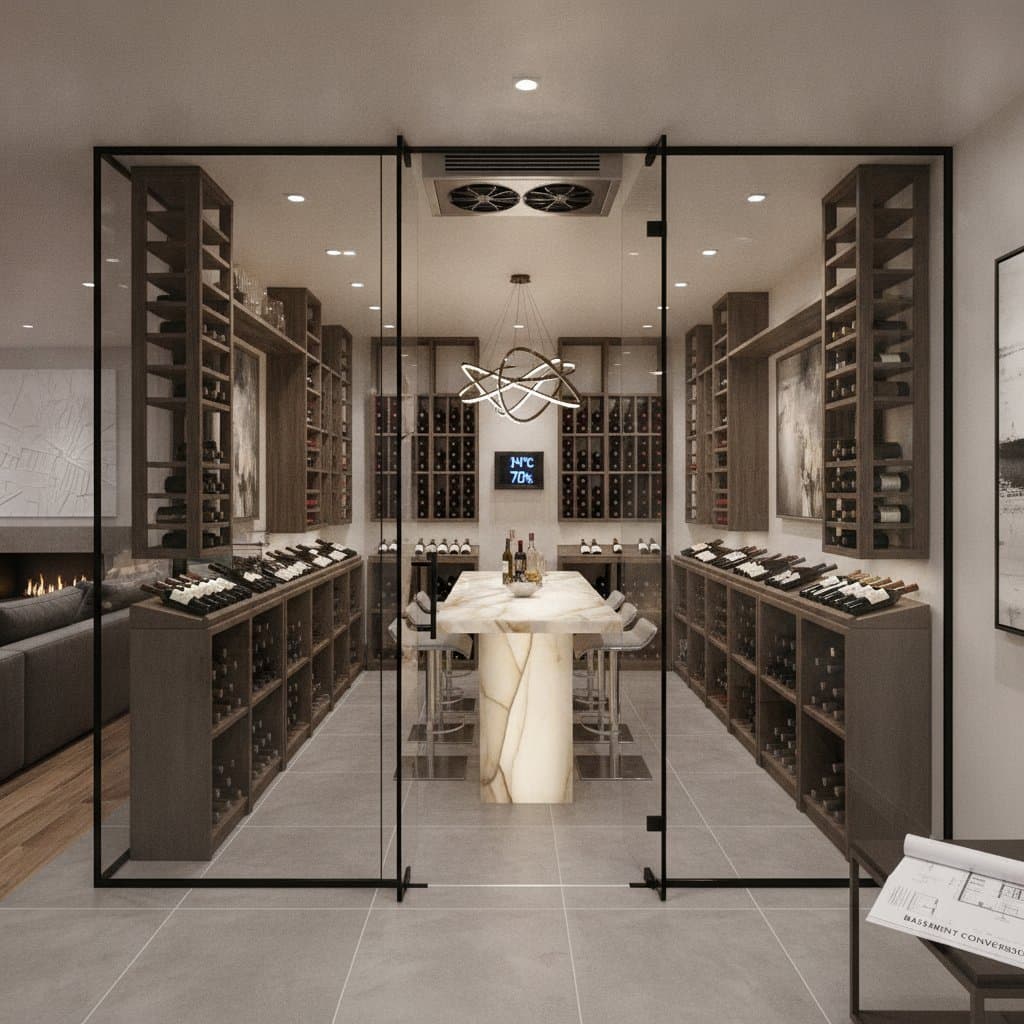
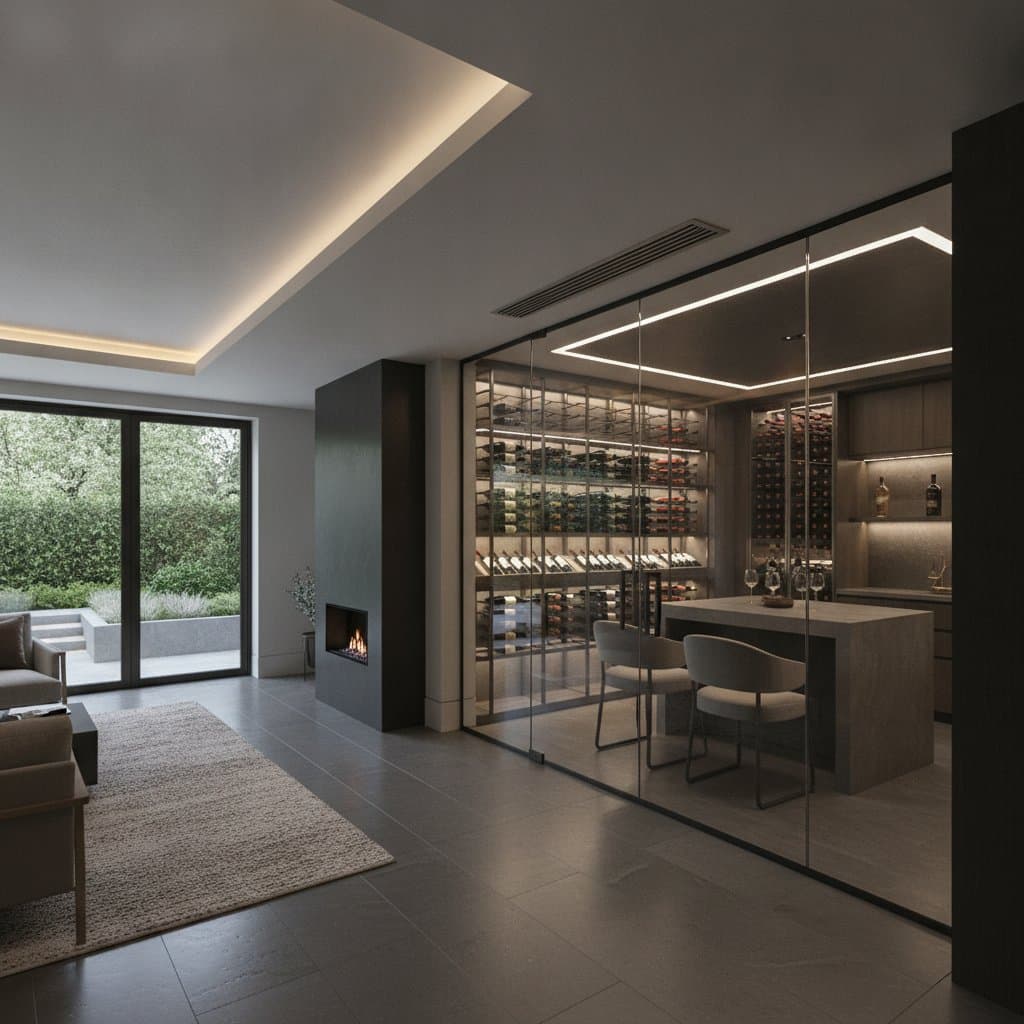
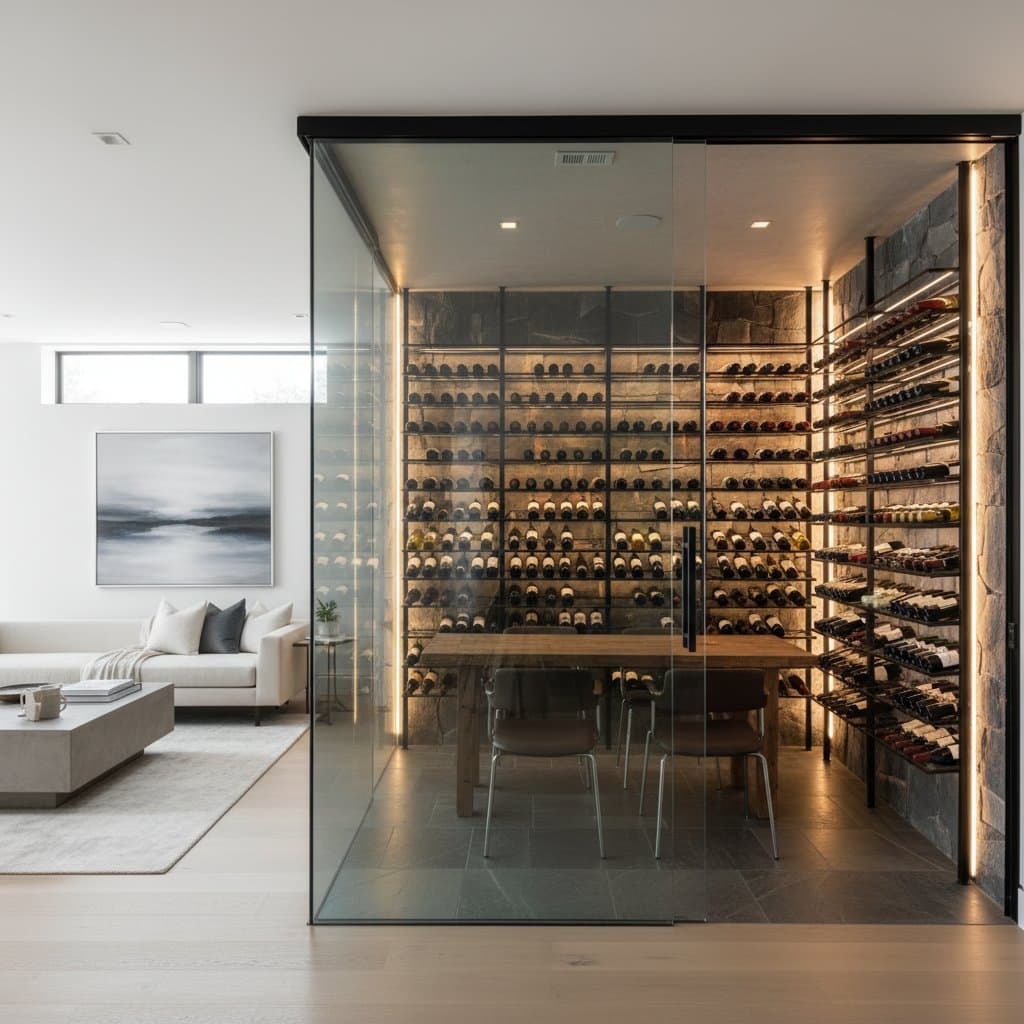
Blend concealment with visibility using tempered glass enclosures that separate the cooled interior from living areas. This modern variant enhances open-plan kitchens or great rooms, showcasing collections as art while preserving climate integrity. Ventilation must be flawless to avoid fogging.
Detached or Outdoor Structures
Estate owners with acreage can opt for standalone units, insulated against external elements. These provide expansive storage for 1,000-plus bottles and double as tasting rooms. Site preparation, including drainage and access paths, adds complexity but yields a resort-like retreat.
Professional Installation Versus DIY Approaches
Wine cellars demand precision to avoid costly errors like inadequate sealing, which leads to mold or spoiled inventory. Professional contractors bring expertise in HVAC integration and code compliance, essential for concealed designs involving wiring or load-bearing adjustments. Engage specialists certified in humidity-controlled environments to guarantee longevity.
DIY efforts suit smaller, simpler projects under 200 bottles, requiring 40 to 80 hours with tools like moisture meters, sealants, and basic framing kits. Source passive cooling via thick insulation for mild climates, but consult guides on vapor barriers to prevent condensation issues. Reserve DIY for those with construction experience; otherwise, the risks outweigh savings.
Essential Construction Steps
Approach the build methodically to achieve a reliable result.
- Assess and Design: Evaluate space dimensions, bottle count goals, and entry points. Sketch layouts using software or hire an architect for custom renders.
- Prepare the Foundation: Reinforce floors if needed and install subfloor drainage in damp areas.
- Erect Framing and Insulation: Use moisture-resistant lumber and foam boards with an R-value of at least 13 for thermal stability.
- Apply Sealing Layers: Line walls with polyethylene sheeting to block vapor intrusion.
- Integrate Climate Equipment: Mount the unit high for even air distribution and connect to a thermostat.
- Wire Essentials: Install low-voltage LED lighting and outlets on a dedicated breaker.
- Finish Interiors: Apply mold-resistant drywall, then add racking with earthquake-proofing in seismic zones.
- Secure Access: Fit insulated doors with magnetic seals; test for airtightness.
- Validate Performance: Monitor conditions for 48 hours empty, adjusting as necessary before stocking.
Upkeep for Longevity
Sustain your investment through routine care. Conduct biannual inspections of the cooling unit, cleaning coils and replacing filters to maintain efficiency. Aim for consistent humidity via hygrometer checks, adjusting dehumidifiers seasonally. Annually examine seals and hinges to prevent air leaks, which compromise stability. Quality systems endure 7 to 10 years, with structures lasting 20 to 30 years under vigilant moisture management. Most manufacturers offer 2- to 5-year warranties; extend coverage for peace of mind.
Practical Alternatives
If a full cellar exceeds your scope, consider scaled-down options. Freestanding wine refrigerators provide plug-and-play cooling for 50 to 200 bottles at $500 to $3,000, fitting seamlessly into bars or pantries. Passive storage relies on naturally cool, dark spaces in temperate regions, requiring only basic shelving. Decorative wine walls with illuminated glass fronts add flair to dining areas, though they offer limited climate control. Modular kits assemble quickly with prefabricated walls and portable coolers, ideal for renters seeking temporary solutions.
Regional Considerations
Adapt designs to local conditions for optimal performance. Coastal zones demand corrosion-proof materials like stainless steel and enhanced dehumidification to counter salt air, potentially raising costs by 15 percent. In colder regions, prioritize freeze-proof piping and extra insulation to avoid expansion cracks. Urban settings often enforce strict permitting for hidden features, especially those altering electrical layouts; budget for inspections. Labor varies geographically, with city rates 20 to 30 percent above rural averages, influencing overall timelines.
Maximizing Return on Investment
View the wine cellar as a strategic enhancement for premium markets. In affluent areas, it elevates perceived luxury, yielding 10 to 15 percent value uplift through appraisals highlighting custom amenities. Mid-tier properties gain market edge by differentiating from standard listings, speeding sales. Document the build with photos and specs to showcase during showings, emphasizing energy savings and durability.
Prioritizing Safety in Design
Safety underpins every phase. Ensure all electrical installations comply with National Electrical Code standards, using GFCI outlets near moisture sources. Dedicate circuits to cooling to prevent overloads. Select non-combustible materials for finishes, and engage engineers for any structural modifications like wall penetrations. In flood-prone basements, incorporate sump pumps and elevated equipment to mitigate water risks.
Launching Your Project
Begin with a thorough space audit to identify viable locations. Solicit bids from three or more contractors experienced in controlled environments, reviewing portfolios for similar hidden installs. Verify permitting requirements early and assess your electrical panel's capacity. With careful planning, your wine cellar becomes a lasting asset that enhances daily enjoyment and future resale prospects.