Hidden Wine Cellars: A Luxurious Boost to Home Value
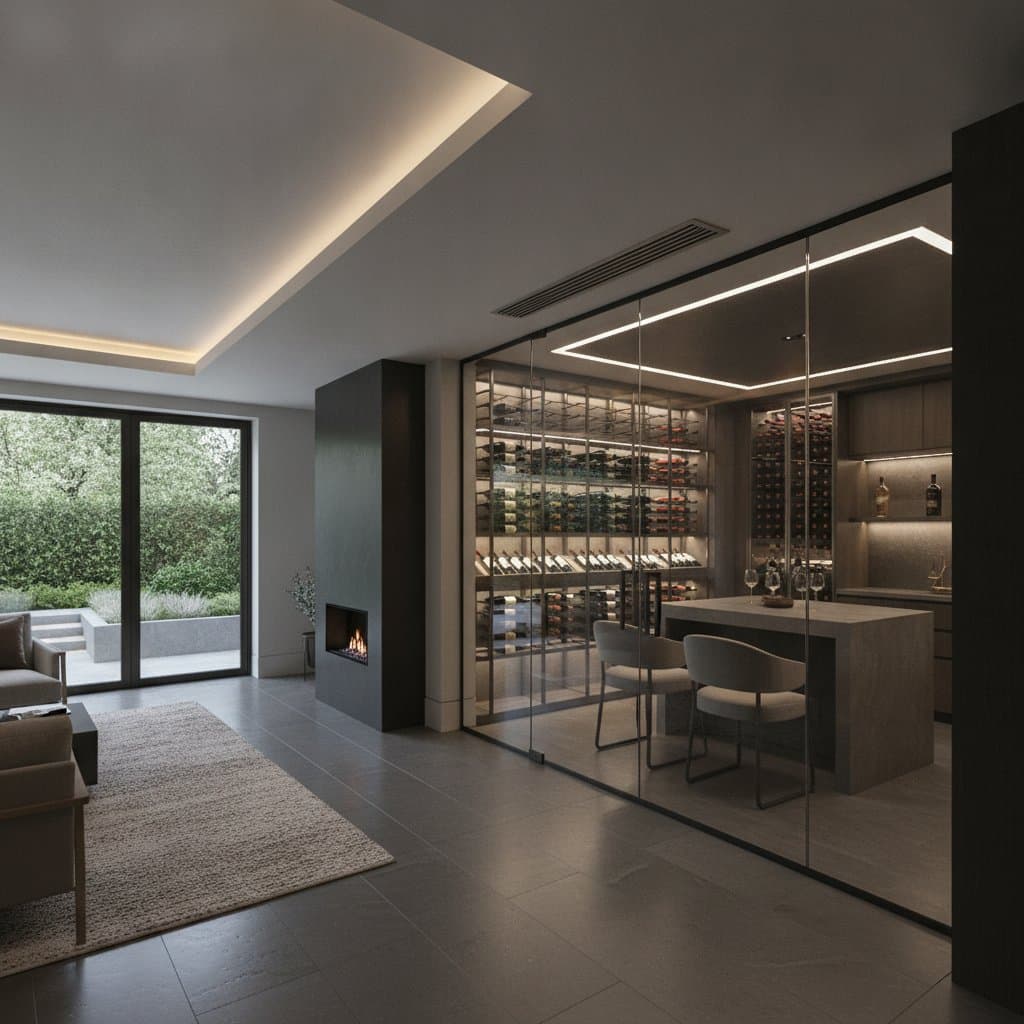
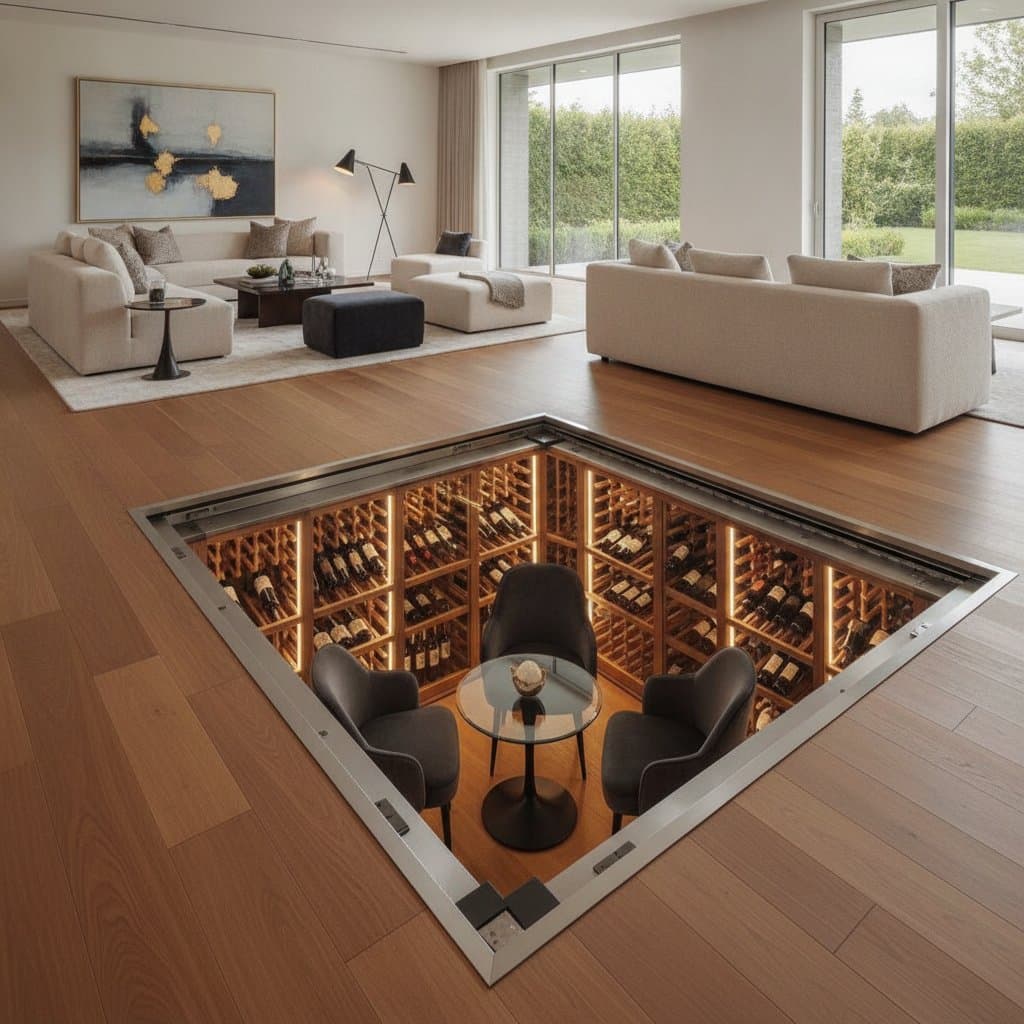
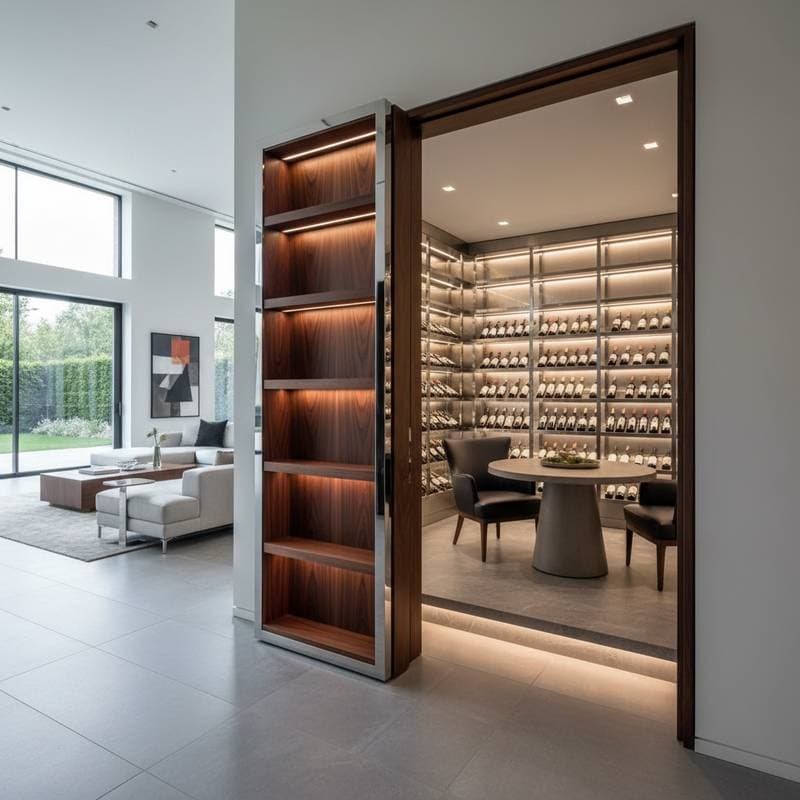
Hidden wine cellars represent an innovative home feature that combines elegance with practicality. These concealed spaces not only store prized collections but also enhance the overall appeal of a property. By 2026, experts predict they will increase home values by up to 15 percent, drawing interest from discerning buyers who seek unique amenities.
The allure of a hidden wine cellar lies in its element of surprise and sophistication. Unlike visible bars or shelves, these designs integrate seamlessly into the home's architecture, creating a sense of discovery. Homeowners enjoy daily use while positioning their property as a premium offering in competitive markets.
The Rising Appeal of Hidden Wine Cellars
Homebuyers increasingly prioritize features that blend lifestyle and luxury. Hidden wine cellars fit this trend by offering a private retreat for relaxation and entertaining. Real estate professionals note that such additions signal thoughtful design and high-end living, which resonate with affluent purchasers.
Market data supports this shift. Properties with custom storage solutions, including wine cellars, sell faster and at higher prices. The concealed nature adds exclusivity, making the home stand out in listings and viewings. This feature appeals particularly to those who appreciate fine wines and desire a personalized touch.
Design Options for Every Home
Under-Stair Conversions
Utilizing unused space under staircases provides an efficient starting point for a hidden wine cellar. This design maximizes square footage without major renovations. Install climate-controlled racks and soft lighting to create an inviting nook that remains out of sight until needed.
Contractors recommend reinforced shelving to support bottle weight and humidity controls to preserve wine quality. Access via a discreet door maintains the hidden aspect. Such conversions suit urban homes where space proves limited.
Basement Transformations
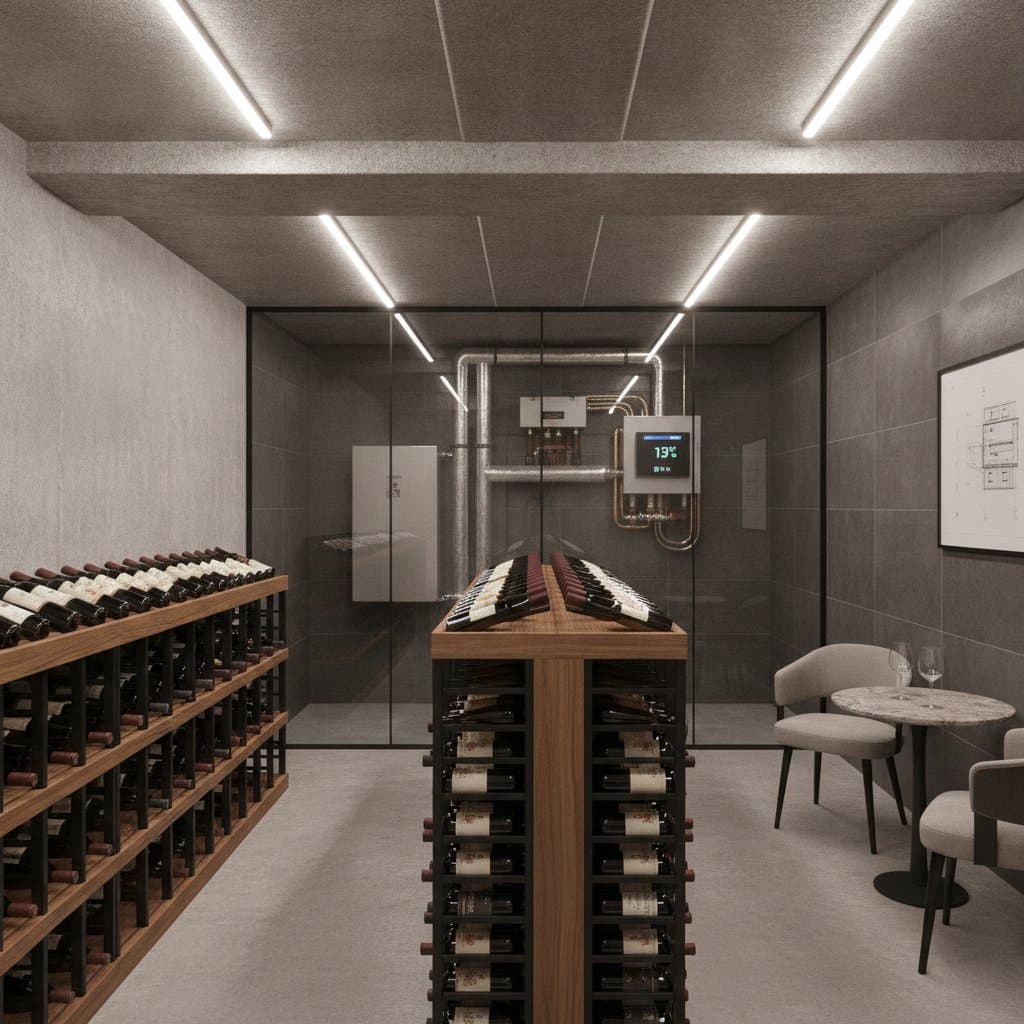
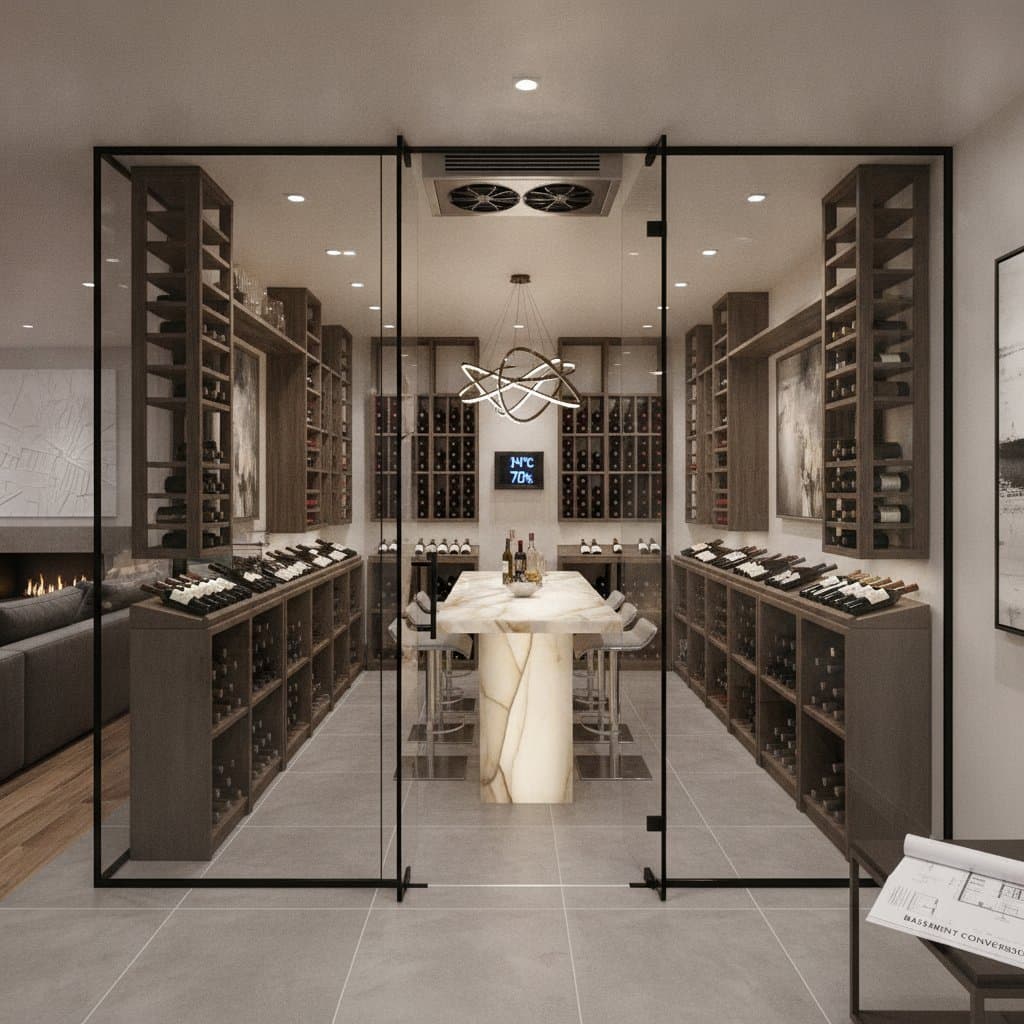
Full basement builds offer expansive possibilities for wine enthusiasts. Dedicate a portion of the lower level to a cellar with arched doorways and stone walls for an authentic feel. Integrate smart systems for temperature and vibration monitoring to protect collections.
This option allows for larger capacity, accommodating hundreds of bottles. Add seating areas or tasting tables to enhance functionality. Basements provide natural insulation, reducing energy costs for maintenance.
Closet or Pantry Integrations
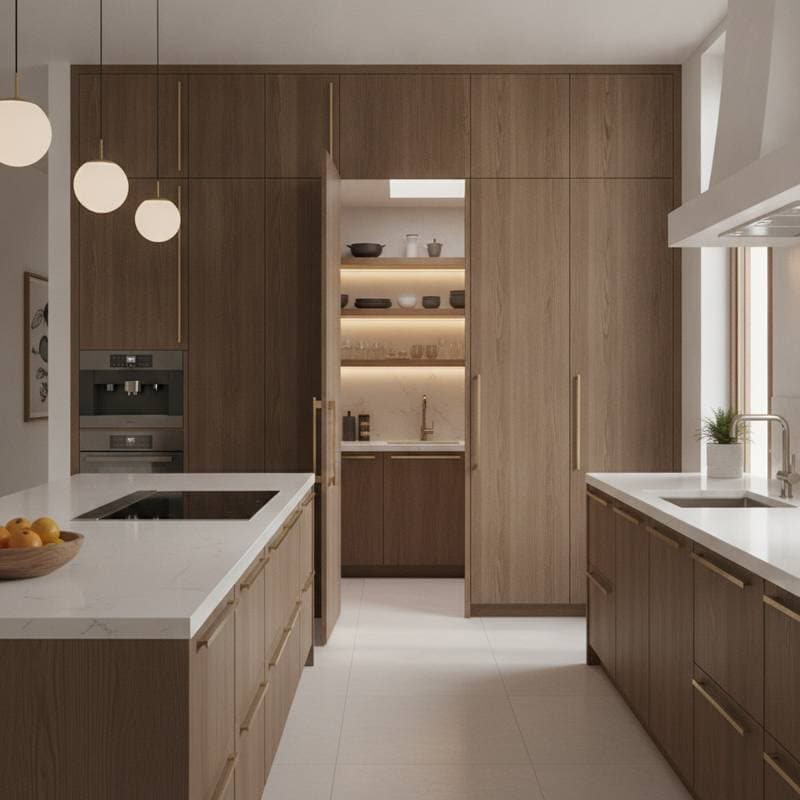
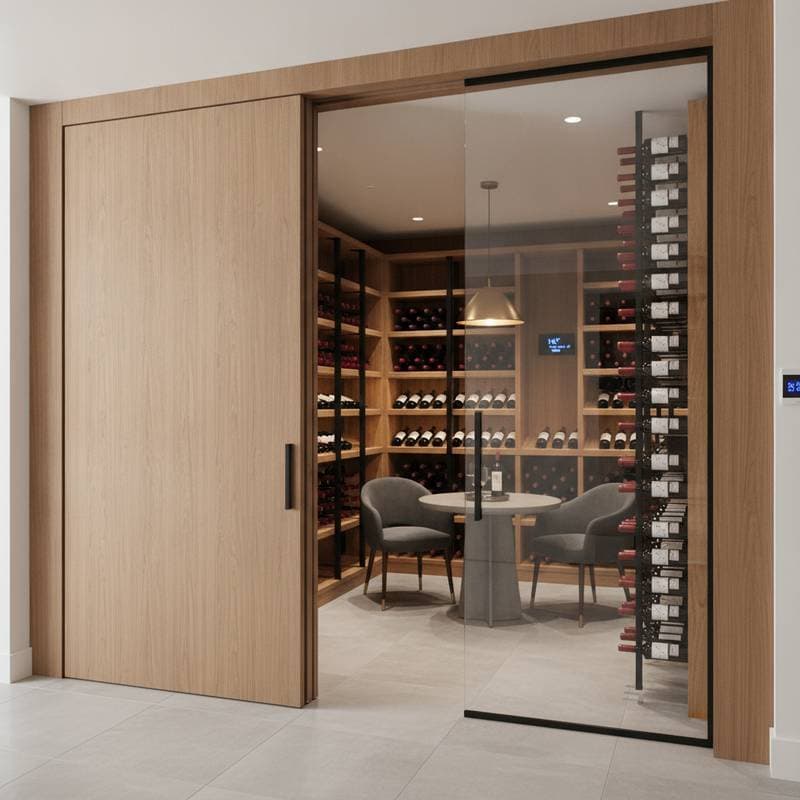
For smaller homes, repurpose closets or pantries into compact cellars. Custom cabinetry conceals the entrance behind everyday furniture. Equip the space with modular racks that adjust to bottle sizes and include inventory tracking apps.
This approach keeps the design subtle and budget-friendly. It appeals to novice collectors who want functionality without overwhelming commitment. Proper sealing prevents external odors from affecting the wine.
Costs and Return on Investment
Building a hidden wine cellar varies in expense based on size and materials. Basic under-stair setups range from $5,000 to $15,000, covering racks, cooling units, and basic construction. More elaborate basement designs may cost $20,000 to $50,000 or more, including custom finishes and advanced climate control.
ROI calculations highlight the value. Appraisers estimate a 15 percent uplift in home resale price by 2026, driven by demand for luxury features. This return often exceeds initial outlays within a few years, especially in high-end neighborhoods.
Factors influencing costs include location and labor rates. Urban areas command higher prices due to permitting and material transport. Long-term savings arise from energy-efficient systems that maintain ideal conditions year-round.
Step-by-Step Guide to Building Your Cellar
Assess Your Space
Evaluate available areas in your home for suitability. Consider square footage, accessibility, and existing infrastructure like electrical outlets. Consult structural engineers to ensure the location supports added weight and modifications.
Measure dimensions precisely and note any obstacles such as plumbing. Determine your collection size to guide capacity needs. This initial step prevents costly surprises during construction.
Plan the Design
Select materials that withstand humidity and temperature fluctuations. Opt for wood racks treated for moisture resistance and insulated walls. Sketch layouts with professional input to optimize flow and aesthetics.
Incorporate essentials like dual-zone cooling for reds and whites. Plan lighting with dimmable LEDs to avoid heat buildup. Budget allocation helps balance quality and affordability.
Hire Professionals
Engage licensed contractors experienced in custom builds. They handle permits, electrical work, and installations safely. Coordinate with wine specialists for storage recommendations.
Timeline typically spans four to eight weeks, depending on complexity. Regular site visits ensure alignment with your vision. Professional oversight guarantees compliance with building codes.
Install and Maintain
Once constructed, stock the cellar gradually to allow systems to stabilize. Monitor conditions with built-in sensors and log maintenance schedules. Clean racks periodically to prevent dust accumulation.
Annual inspections by technicians preserve functionality. Update inventory digitally for easy tracking. These habits extend the cellar's lifespan and protect investments.
Expert Tips for Maximum Impact
Choose locations away from high-traffic areas to enhance the hidden quality. Integrate security features like locks or alarms for valuable collections. Pair the cellar with adjacent spaces, such as a tasting room, for added enjoyment.
Focus on sustainability with energy-efficient appliances. Select designs that reflect personal style, from modern minimalism to rustic charm. These elements elevate the feature beyond mere storage.
Test the space post-installation by hosting small gatherings. Gather feedback to refine usage. Such involvement ensures the cellar becomes a cherished part of home life.
Unlocking Lasting Value Through Hidden Elegance
A hidden wine cellar transforms ordinary homes into extraordinary retreats. It delivers immediate pleasure through organized storage and social opportunities. Beyond enjoyment, the investment secures financial gains in evolving real estate landscapes.
Buyers view these additions as hallmarks of refined taste. They contribute to a narrative of luxury that persists in memory long after viewings. Embrace this trend to future-proof your property and savor the rewards for years ahead.