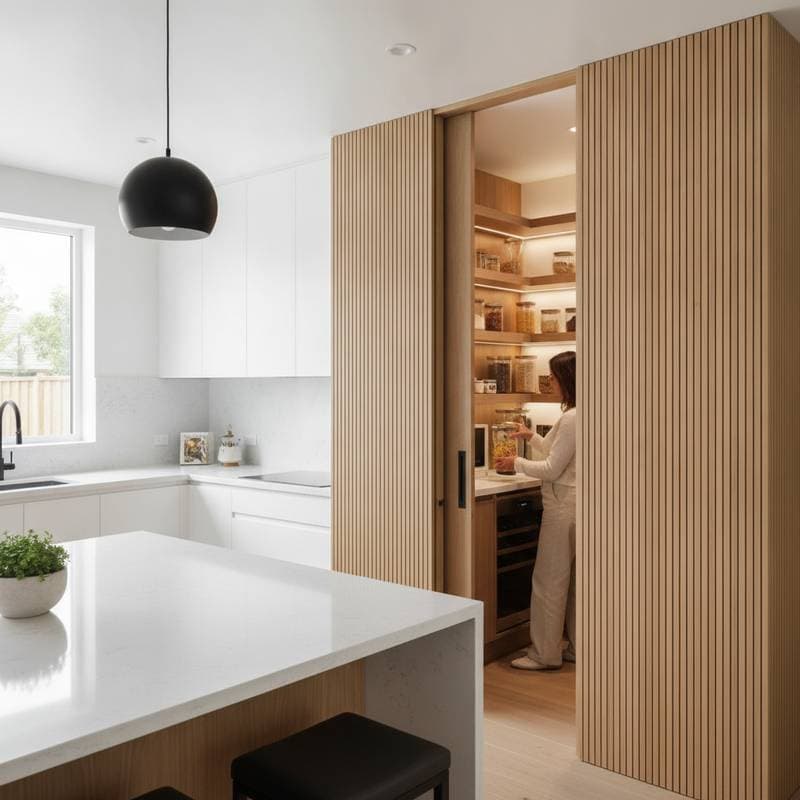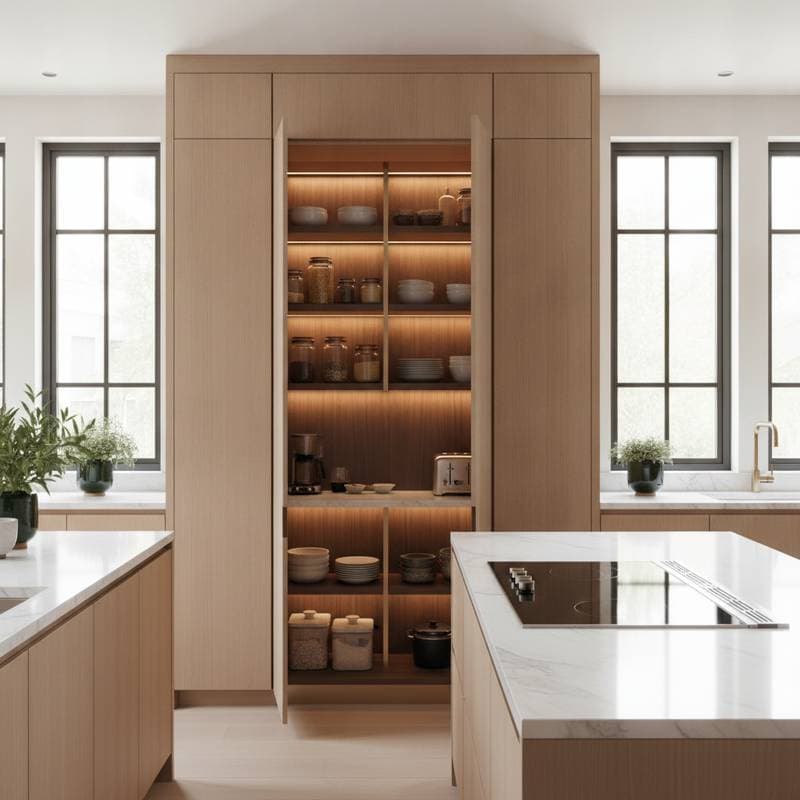
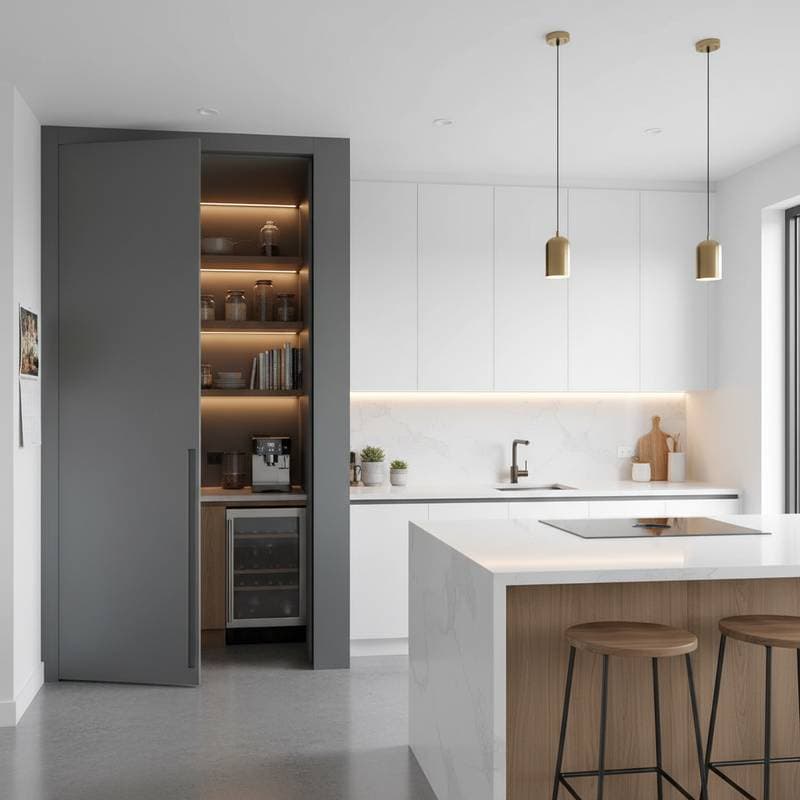
Hidden Pantries Add Lasting Value to Homes
A hidden pantry delivers both everyday convenience and measurable resale strength. This storage solution conceals clutter while creating an efficient kitchen environment that appeals to buyers. Homeowners who plan the project carefully often see returns that exceed the initial investment.
Key Cost Considerations
Project expenses vary based on materials, labor, and the existing kitchen layout. Most installations range from four thousand to eighteen thousand dollars. Accurate budgeting begins with a clear assessment of size, finishes, and any structural changes required.
Material Selections
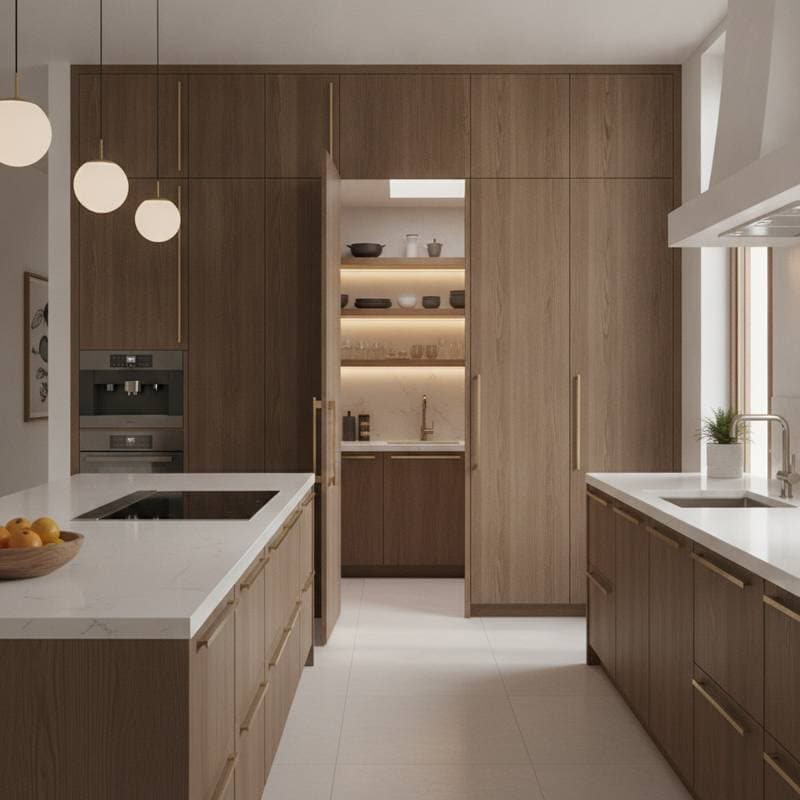
Cabinetry and shelving represent the largest line item. Homeowners can choose cost-effective MDF or plywood for basic builds, while hardwood options increase long-term appeal. Doors and hardware range from four hundred to two thousand five hundred dollars, with pivot hinges and magnetic latches providing the seamless appearance buyers notice.
Lighting and ventilation add two hundred to one thousand two hundred dollars. LED strips with motion sensors improve usability, and a small vent prevents moisture issues in enclosed spaces.
Labor and Installation
Carpentry and framing typically cost between one thousand five hundred and six thousand dollars. Electrical work for new lighting circuits falls between three hundred and nine hundred dollars. Painting and final finishes require an additional three hundred to eight hundred dollars.
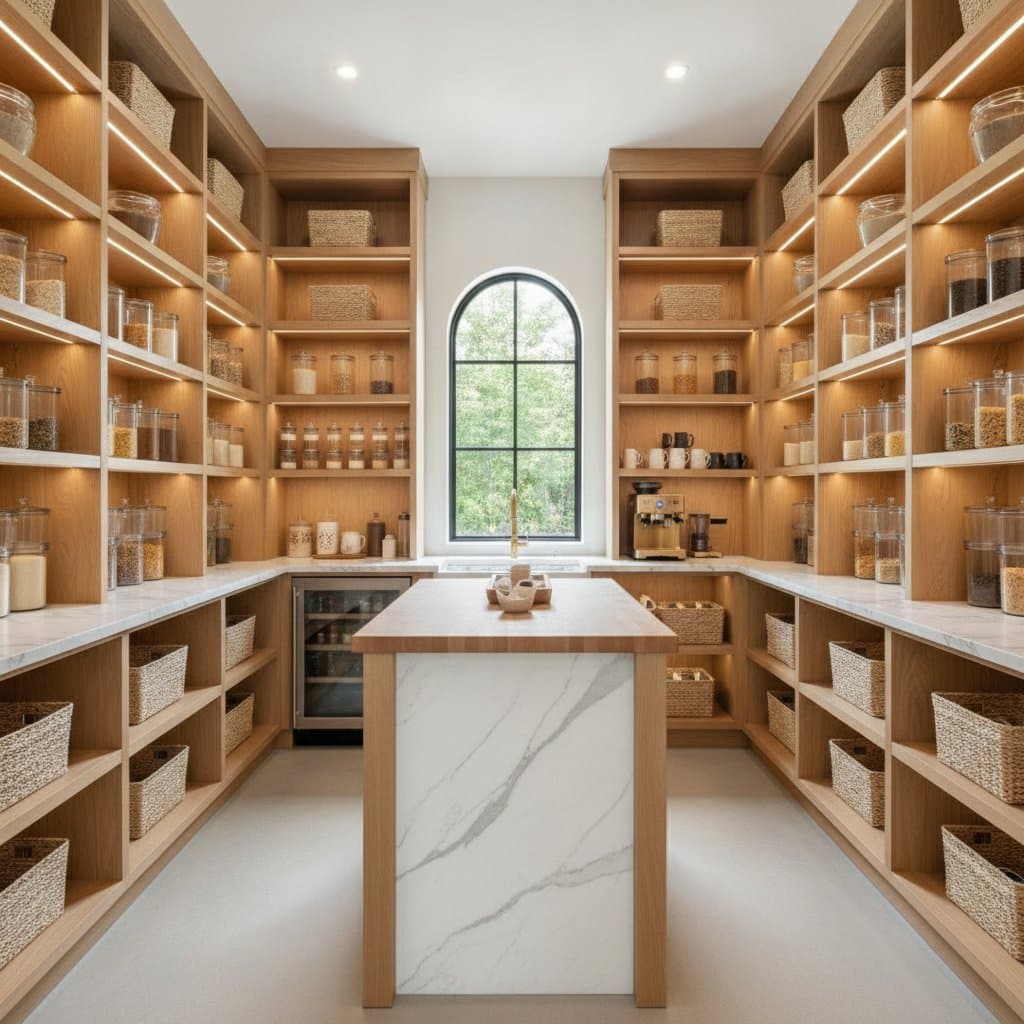
Pantries measuring twenty-five to fifty square feet suit most kitchens. Converting an existing closet or hallway reduces framing expenses but may require electrical adjustments.
Permits and Additional Expenses
Most projects under fifty square feet avoid permits unless load-bearing walls or new circuits are involved. Local codes should always be verified before work begins. Budget an extra ten to fifteen percent for unexpected issues such as old wiring or drywall repairs.
Choosing Between DIY and Professional Help
Smaller projects under thirty square feet suit experienced homeowners with basic tools. Electrical work must remain limited to plug-in fixtures in these cases. Larger builds that involve structural changes or custom door systems benefit from professional installation.
Professional work ensures code compliance and precise alignment. Poor framing or misaligned doors can reduce the visual impact and affect future resale value.
Ongoing Care and Protection
Routine maintenance keeps the pantry functional for years. Monthly shelf cleaning prevents dust accumulation. Hinges and latches require inspection twice annually, and LED components typically need replacement every five to seven years.
Hardware warranties often cover one to five years. Retain all receipts and installation records for documentation during a future sale. Contractor-installed projects should include at least a one-year workmanship guarantee.
Safety Measures Before Construction
Confirm power shutoff before any wiring begins. Install moisture barriers where walls adjoin exterior areas or plumbing. Adequate ventilation reduces the risk of mold or odors. Review circuit capacity when adding lights or small appliances.
Planning Your Hidden Pantry Project
Focus first on door integration, as this element creates the hidden effect and attracts buyer interest. Source durable hardware and finishes that match existing cabinetry. Allow a ten percent contingency in the budget for adjustments during construction. A well-executed pantry simplifies daily routines and supports stronger resale performance.