EV Charging Stations Increase Home Value by Up to 12000 Dollars
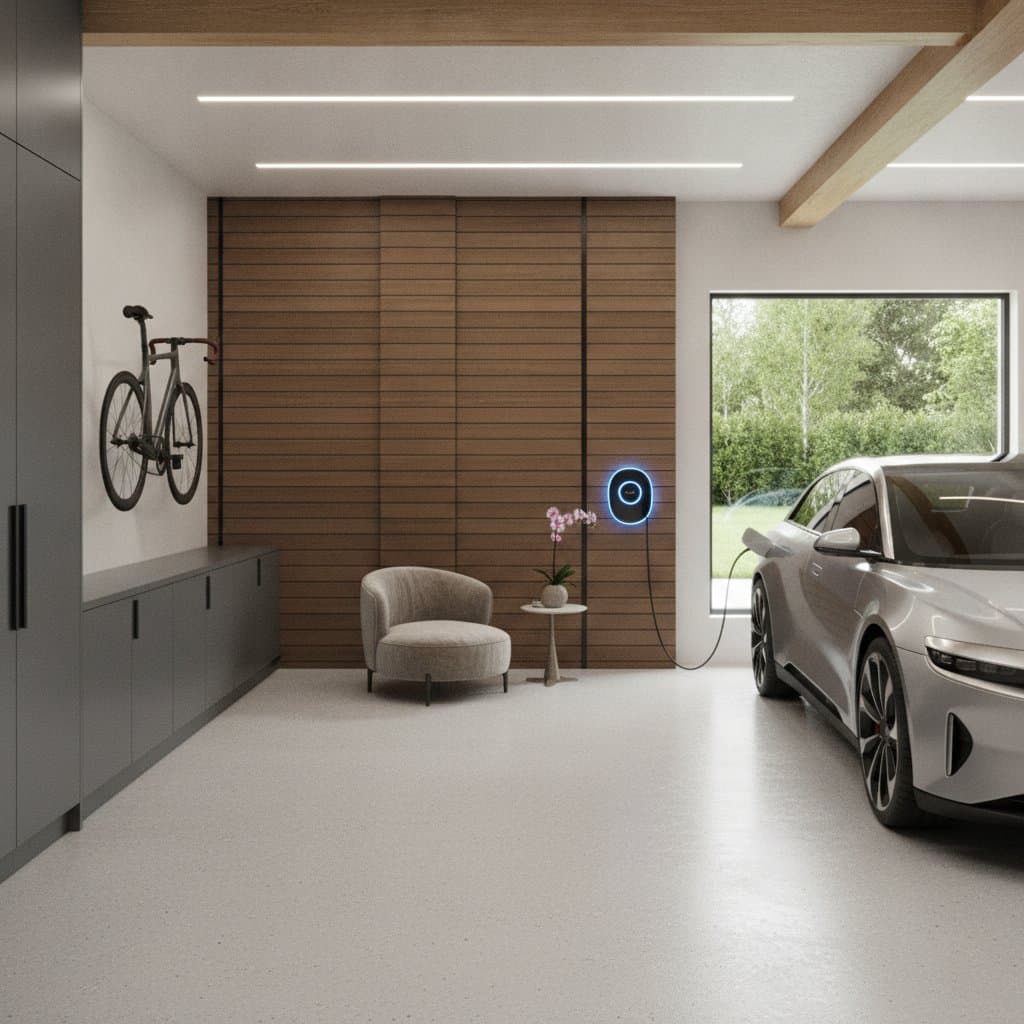
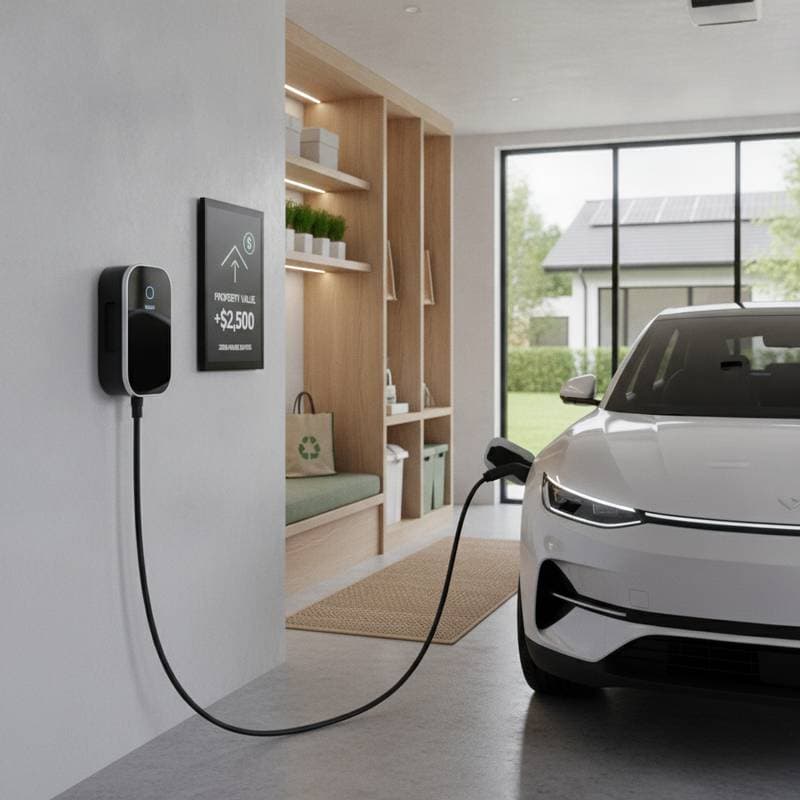
Adding an electric vehicle charging station raises a home resale value by as much as 12000 dollars. Buyers view the feature as immediate convenience that matches the growing preference for electric transportation. Homeowners who plan to sell benefit from this upgrade through measurable financial returns and stronger market positioning.
This improvement appeals to current EV drivers and to those who anticipate owning an electric vehicle in the near future. It also helps sellers in active markets where targeted upgrades distinguish a listing from similar properties.
Advantages and Limitations
Advantages
- Increases property value by 10000 to 12000 dollars in markets with high EV adoption
- Draws a larger pool of interested buyers at resale time
- Reduces daily charging expenses relative to public stations
- Provides scheduling control and added household convenience
- Qualifies for available rebates or tax credits in select areas
Limitations
- Initial expense rises when electrical service upgrades are required
- Permitting and inspection steps may extend project timelines
- Returns remain modest in regions with low EV ownership
- Equipment could require updates as charging standards evolve
Installation Choices
A Level 1 charger connects directly to a standard outlet and needs no additional wiring or permits. A Level 2 charger demands a dedicated 240-volt circuit, proper conduit runs, and often a panel upgrade. Required tools include a drill, fish tape, conduit bender, and voltage tester.
DIY difficulty: High for Level 2 installations
Estimated time: Three to eight hours based on wiring distance
Recommended tools: Drill, fish tape, conduit, voltage tester
Hire a licensed electrician when a new circuit or service upgrade is necessary, when local codes mandate permits and inspections, or when outdoor weatherproofing must meet specific standards. Professional installation confirms compliance with the National Electrical Code and all regional requirements.
Ongoing Care and Expected Life
A residential charging station operates reliably for 10 to 15 years with routine attention. Perform these checks on the suggested schedule:
- Monthly inspection of the cord and connector for signs of wear
- Annual test of the GFCI or safety shutoff mechanism
- Occasional cleaning of vents to remove dust and debris
Smart models benefit from periodic firmware updates that maintain performance and energy reporting accuracy. Warranties typically cover two to five years. Select equipment that carries UL certification to verify safety compliance.
Regional Considerations
Local conditions influence both project cost and long-term value. Cold or coastal climates require weatherproof enclosures to limit corrosion. Some jurisdictions specify GFCI protection or exact mounting heights. Labor rates in higher-cost areas often reach 120 dollars per hour, and permit fees can add 100 to 300 dollars.
Properties in urban zones or communities with strong EV adoption realize the largest resale premiums. Rural markets may experience smaller gains until electric vehicle use becomes more common.
Return on Investment and Market Response
Homes equipped with charging stations frequently sell more quickly and closer to the asking price. An investment of roughly 1500 dollars in equipment and installation can return 10000 to 12000 dollars at resale in areas with established EV demand. The added convenience and forward-looking appeal create this premium for both individual sellers and investors.
Safety Practices
Follow all applicable electrical codes during installation. Use a dedicated circuit and breaker, avoid extension cords, and confirm that a licensed electrician performs any new wiring. Verify GFCI and surge protection on the unit, and ensure the equipment carries a UL listing.
For outdoor locations, select an enclosure rated for local weather conditions. Position cords to prevent tripping hazards and water contact.
Common Questions
Do I need a permit to install a home EV charger?
Most municipalities require a permit for Level 2 installations. Contact the local building department to confirm requirements.
Can I install a Level 2 charger if my panel is full?
A subpanel or service upgrade may be necessary. An electrician can evaluate available capacity.
How much does it cost to run an EV charger monthly?
Most households see an added utility expense of 25 to 60 dollars per month.
Is a smart charger worth the extra cost?
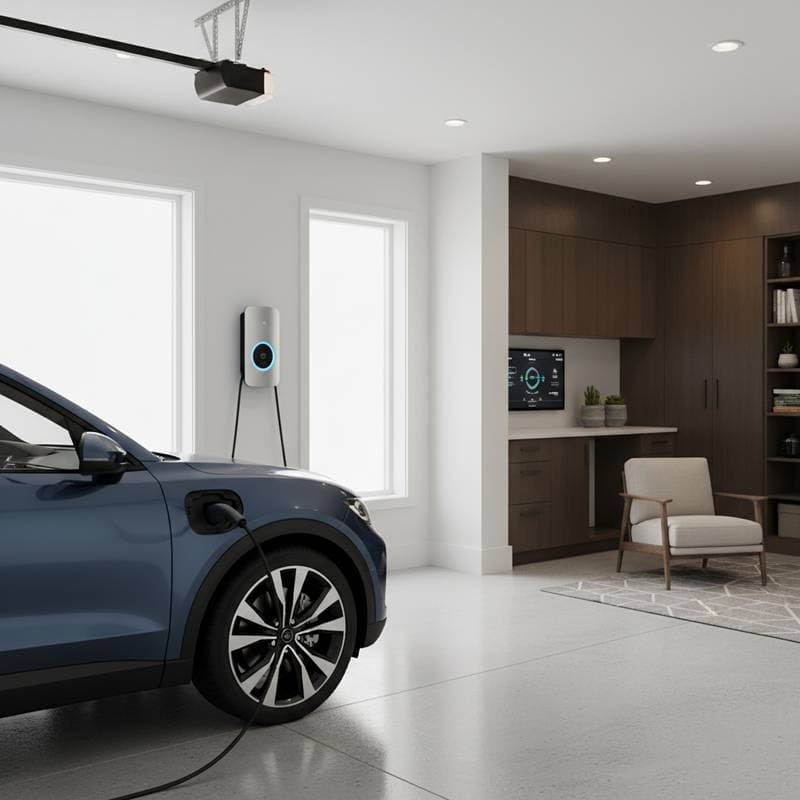
Smart models allow scheduling during off-peak rate periods and provide useful energy data.
Will installing a charger void my home warranty?
Warranties remain intact when work is completed by a licensed professional and meets all codes.
Planning Your Installation
Begin by assessing your electrical panel capacity and local permit rules. Compare Level 1 and Level 2 options based on daily driving distance and available time-of-use rates. Engage a qualified electrician early to review site conditions and provide a detailed cost estimate. This sequence ensures the project delivers both immediate convenience and lasting resale value.