Home EV Chargers See 15% Surge in 2026: A Clear Value Boost
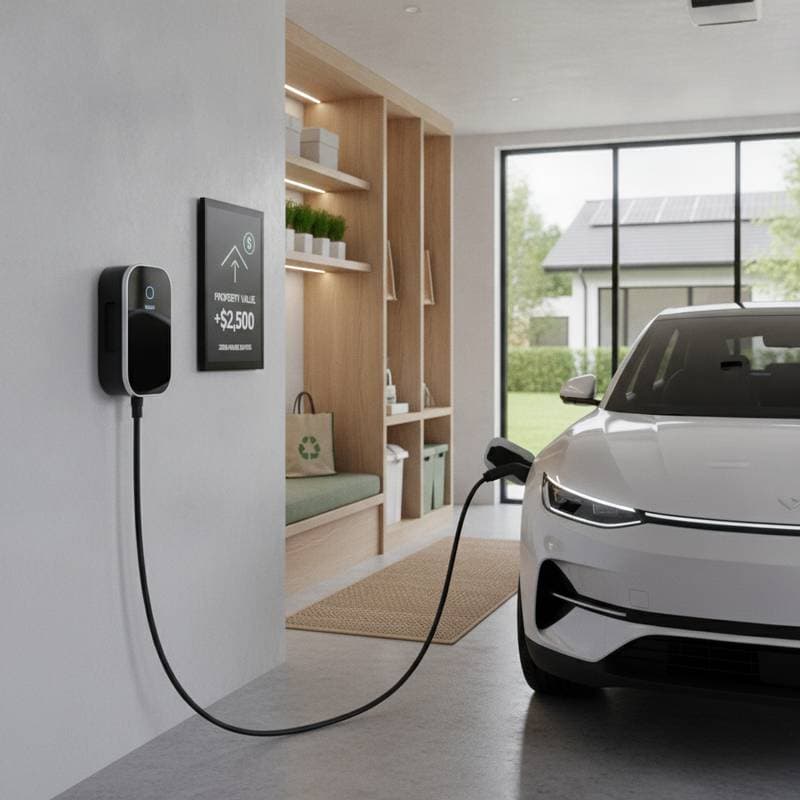
Homeowners increasingly install electric vehicle chargers, which directly contribute to rising property values. Properties equipped with Level 2 chargers command higher prices, lease more quickly, and attract the expanding base of EV owners. Installation numbers rose by approximately 15 percent in 2026, with projections indicating sustained growth in the coming years.
Installing a home EV charger transcends niche modifications. It represents a standard investment that enhances routine usability and bolsters future marketability. Whether preparing to sell, lease, or retain ownership over the long term, an EV charger distinguishes a property in competitive markets.
The Ways a Home EV Charger Enhances Property Value
An integrated charger conveys modernity and preparedness for evolving transportation needs. It draws interest from technology enthusiasts and environmentally minded households alike. The extent of value increase hinges on the charger model, existing electrical infrastructure, and local buyer preferences.
Convenience plays a central role in this appeal. Owners avoid queues at public stations, enabling seamless integration into daily schedules. Energy efficiency further amplifies benefits, as overnight charging during off-peak periods reduces electricity expenses significantly.
From a marketing perspective, homes with chargers appear fully equipped for the electric vehicle transition. This readiness often translates to quicker sales or rental agreements. Additionally, the sustainable aspect of such upgrades frequently unlocks local rebates or incentives, providing immediate financial relief.
Professional appraisers observe that well-installed EV chargers can accelerate transactions or justify premium pricing, particularly in densely populated areas where parking constraints and outdated wiring complicate alternatives. In regions with high EV adoption rates, such as California or the Northeast, the impact proves even more pronounced.
Installation Costs Breakdown
Understanding expenses helps homeowners budget effectively for this upgrade. Costs vary based on equipment choices and site-specific factors, but most projects remain accessible.
| Task | Typical Cost | Factors Influencing Price |
|---|---|---|
| Level 1 setup (basic outlet) | $150 - $300 | Distance from electrical panel, type of receptacle |
| Level 2 charger hardware | $400 - $900 | Brand reputation, integrated smart features, amperage rating |
| Professional installation | $500 - $1,600 | Electrical panel capacity, required trenching, permit processes |
| Panel upgrade (if necessary) | $1,000 - $3,000 | Age and condition of existing system, required amperage boost |
| Permit and inspection fees | $50 - $300 | Local city or county regulations |
Overall, expect a total investment between $1,000 and $3,500 for a standard setup. Regional differences, such as labor rates in urban versus rural areas, influence these figures. Many utilities and state programs provide rebates or tax credits, potentially offsetting 20 to 50 percent of costs.
Choosing Between DIY and Professional Installation
For simple setups, DIY approaches suit skilled individuals. Consider this option only for Level 1 chargers using standard outlets. Verify that the outlet features proper grounding, GFCI protection, and sufficient load capacity to handle the demands.
Professional assistance becomes essential in more complex scenarios. Opt for an electrician when installing a new 240-volt circuit or upgrading the panel. Local regulations often mandate permits and inspections, which experts navigate efficiently.
Professionals excel in several key areas. They perform precise load calculations and select appropriate breaker sizes to prevent overloads. Secure wiring and grounding practices minimize risks, while handling paperwork ensures full compliance with codes.
Attempting DIY in unsuitable conditions invites hazards like electrical fires or insurance complications. A certified electrician guarantees a safe, reliable installation that preserves warranty terms and supports strong resale outcomes.
Considerations for Regional and Climate Variations
Local environments shape charger performance and maintenance needs. In colder regions, low temperatures can extend charging times by up to 30 percent. Select indoor mounting options or models with robust weatherproofing to mitigate these effects.
Hotter climates demand attention to heat management. Chargers equipped with thermal safeguards prevent overheating during peak summer conditions. Positioning units away from direct sunlight extends equipment longevity and maintains efficiency.
Coastal areas present unique challenges from corrosive salt air. Opt for chargers with stainless steel or protective coatings on connectors and housings. Regular cleaning preserves functionality in these humid, saline environments.
Permitting requirements differ across municipalities. Some locales mandate approvals for any 240-volt addition, while others apply thresholds based on amperage draw. Consult local building departments early to avoid delays.
Coordinating with utilities enhances savings. In districts with time-of-use rates, enrolling smart chargers qualifies for discounted off-peak pricing. Certain providers incentivize grid-friendly models that optimize energy distribution during high-demand periods.
Essential Safety and Legal Guidelines
Electrical systems demand careful handling, especially near moisture sources. Position chargers to avoid direct rain contact unless explicitly rated for outdoor use. Incorporate GFCI outlets on garage or carport circuits to enhance protection against shocks.
Extension cords pose significant dangers and should never connect to EV chargers. Homes with aluminum wiring or outdated fuse panels require pre-installation evaluations by qualified electricians. These assessments identify potential overload risks before proceeding.
Adhering to local codes proves crucial. Most jurisdictions require permits for new 240-volt circuits, and non-compliance can hinder property sales or complicate insurance processes. Retain all documentation, including receipts and inspection reports, for future reference.
Manufacturer warranties often stipulate professional installation. Following these protocols not only upholds coverage but also ensures optimal performance and safety for years to come.
Indicators for Electrical Panel Upgrades
Adding a Level 2 charger may strain an aging or fully loaded panel. Watch for warning signs that signal the need for modernization. Frequent breaker trips during simultaneous appliance use indicate insufficient capacity.
Panels relying on fuses rather than breakers, or those lacking available slots, often date back decades and warrant replacement. Flickering lights when activating high-draw devices further highlight underlying issues.
A panel upgrade elevates overall home safety and accommodates expansions like solar integrations or battery systems. Although it elevates initial costs, the improvement yields broader property value gains and prepares the home for advanced energy solutions.
Broader Environmental and Lifestyle Advantages
Home charging aligns with sustainable practices by leveraging off-peak power, which frequently incorporates higher renewable shares. This approach substantially reduces personal carbon emissions compared to public or fossil-fuel alternatives.
Pairing chargers with solar panels maximizes efficiency. Excess daytime generation charges vehicles at night, creating a self-sustaining energy loop that lowers utility dependence.
Lifestyle enhancements extend beyond ecology. Home charging eliminates daily refueling stops, reclaiming valuable time. Owners simply connect upon arrival and find a fully charged vehicle ready each morning, streamlining commutes and errands.
Practical Strategies for Optimal Installation
Select chargers with adequate cable lengths to accommodate various parking configurations. Aim for 20 to 25 feet to ensure flexibility without strain.
Clearly label all new breakers in the panel for easy identification during maintenance or inspections. Mounting the unit at chest height, around 4 feet from the ground, facilitates safe and ergonomic access.
Account for ventilation in enclosed spaces, as chargers produce moderate heat under load. Proper airflow prevents buildup and maintains component integrity.
Document every step of the process. Governments and utilities often require proof of installation for rebate claims or tax deductions, making records indispensable.
Steps to Install and Realize Lasting Benefits
Begin by assessing your electrical system through a professional consultation. This evaluation confirms compatibility and outlines any necessary upgrades.
Choose a charger that matches your vehicle's requirements and future plans. Level 2 models offer the best balance of speed and cost for most households.
Schedule installation during favorable weather to minimize disruptions. Post-installation, monitor performance and integrate smart features for automated scheduling.
Over time, this addition not only simplifies EV ownership but also positions your property as a forward-thinking asset. Buyers increasingly prioritize such features, ensuring quicker sales and premium returns in 2026 and beyond.