Understanding Smart Glass Technology
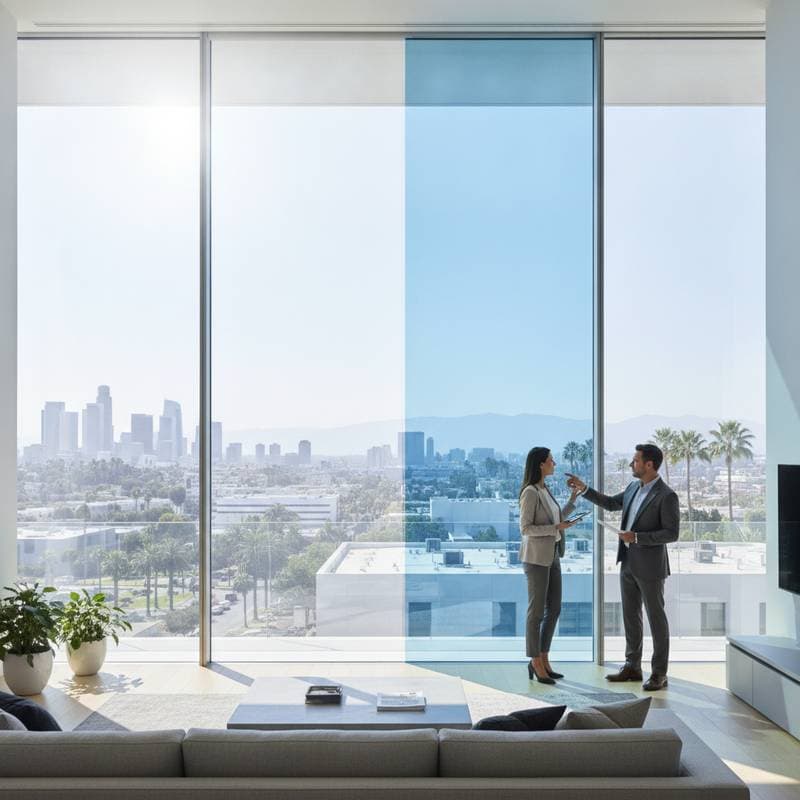
Smart glass, known alternatively as switchable or dynamic glass, represents an innovative solution that modulates its tint level to regulate incoming heat and light. This technology proves particularly valuable for homeowners seeking to minimize energy expenses and elevate indoor comfort levels without relying on traditional window treatments such as curtains or blinds. It integrates seamlessly into residences situated in areas with abundant sunlight or featuring expansive window surfaces, where maintaining consistent temperatures presents ongoing challenges.
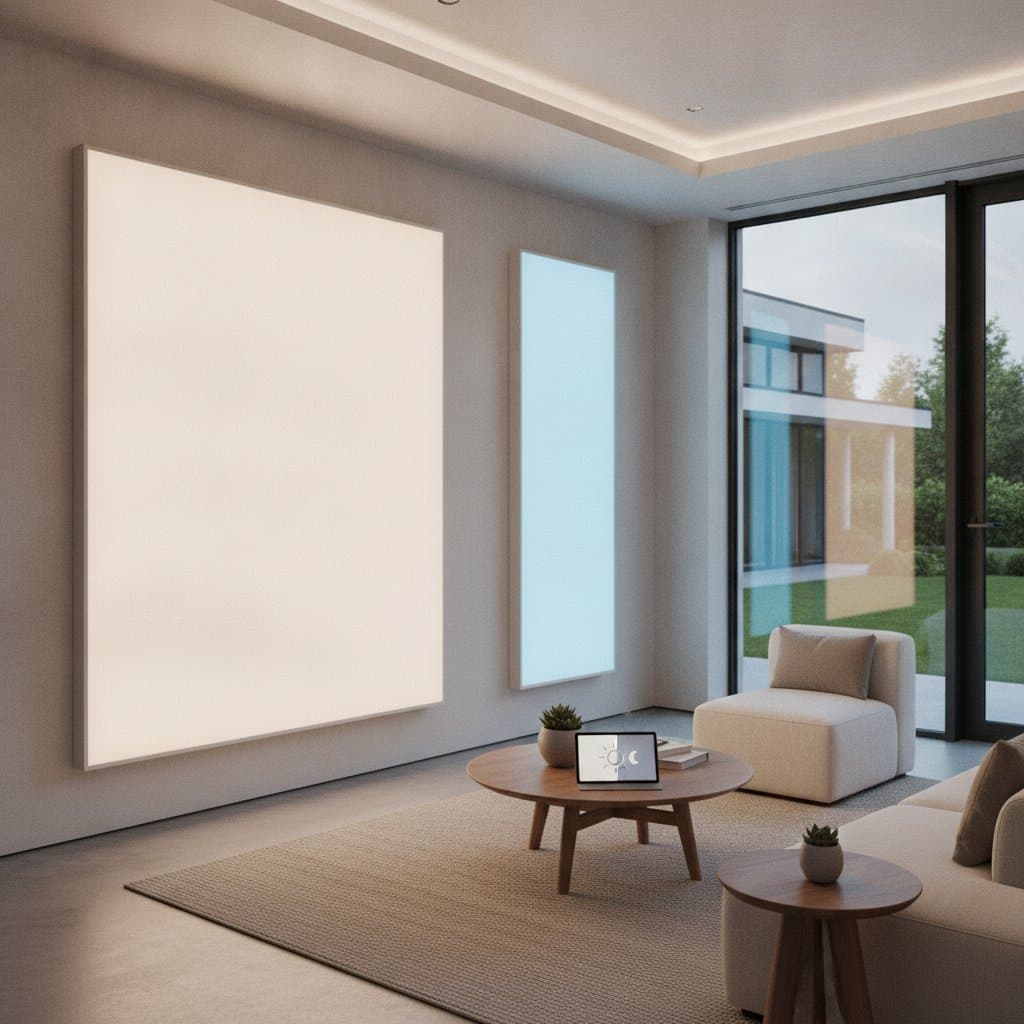
The core mechanism involves materials that respond to electrical signals or temperature changes, altering opacity on demand. Electrochromic variants require a power source to shift states, while thermochromic types activate passively through heat exposure. Both approaches contribute to substantial efficiency gains, making smart glass a forward-thinking choice for modern homes.
Advantages and Drawbacks
Key Advantages
- Reduces demands on cooling and heating systems by as much as 15 percent, leading to noticeable decreases in utility payments.
- Enhances occupant comfort by minimizing glare and maintaining even lighting throughout the day.
- Limits ultraviolet radiation penetration, preserving the color and integrity of interior furnishings and flooring.
- Provides on-demand privacy through rapid tint adjustments, eliminating the need for additional coverings.
- Boosts overall property value by showcasing advanced energy-efficient features that appeal to environmentally conscious buyers.
Potential Drawbacks
- Involves a greater initial investment compared to standard double-pane windows, often two to three times higher.
- Certain models necessitate integration with electrical systems, adding complexity to the setup process.
- Replacement becomes challenging if individual panels malfunction, potentially requiring full window assemblies.
- Optimal functionality may demand professional adjustments to ensure uniform performance across installations.
Installation Options: DIY Feasibility and Professional Recommendations
Attempting a do-it-yourself installation of smart glass remains impractical for the majority of homeowners due to the technical demands involved. These systems require precise electrical wiring, airtight sealing within glazing units, and configuration of control mechanisms. Errors during the process can result in water infiltration, electrical malfunctions, or invalidation of manufacturer warranties.
Professional Installation Details
- Complexity Level: High, owing to the blend of glazing expertise and low-voltage electrical work.
- Duration: Typically spans 2 to 5 hours for each window, depending on size and accessibility.
- Required Equipment: Specialized wiring instruments, vacuum-assisted lifting devices, and dedicated control units.
- Associated Risks: Potential for electrical hazards, inadequate sealing that compromises insulation, or suboptimal calibration affecting tint responsiveness.
Engage a certified contractor experienced in low-voltage applications to handle the project. In various locales, authorities mandate electrical permits for installations involving connected glass components, ensuring compliance with safety standards.
Ongoing Maintenance and Expected Durability
With diligent maintenance, smart glass components endure for 20 to 30 years, providing long-term value. Manufacturers commonly extend warranties of 10 to 15 years for the glass elements and 5 years for integrated electronics, underscoring their reliability.
Essential Maintenance Practices
- Perform cleaning every quarter using a solution of mild soap and water to remove surface contaminants without damaging the tinting layer.
- Conduct annual inspections of seals to detect any cracks or signs of moisture accumulation that could degrade performance.
- Verify the tinting mechanism's operation at the start of each season to confirm consistent functionality.
- Swap out batteries in wireless control systems every few years to prevent interruptions in operation.
Steer clear of harsh chemical cleaners or abrasive implements that might impair the specialized coatings. Protect electrical connections from exposure to moisture, and address any issues promptly to extend the system's lifespan.
Regional Considerations for Performance and Compliance
The effectiveness of smart glass varies based on local environmental conditions and regulatory frameworks.
- In Hot Climates: Expect amplified savings on cooling expenses, accelerating the timeline for cost recovery.
- In Cold Climates: Benefits focus more on enhanced insulation during winter, with modest summer advantages.
- In Coastal Areas: Select frames engineered for salt resistance to avoid premature corrosion from marine environments.
- In Mountainous or Desert Regions: Opt for coatings fortified against intense ultraviolet exposure to maintain longevity.
- In Urban Settings: Adhere to municipal building codes, which may necessitate energy performance simulations or dedicated electrical approvals.
Additionally, labor expenses fluctuate with geographic location. Urban centers often incur 15 to 25 percent premiums on installation fees due to higher operational costs for skilled tradespeople.
Calculating Return on Investment and Impact on Resale Value
Annual energy reductions of 10 to 15 percent in heating and cooling expenditures enable recovery of the elevated upfront costs within 6 to 10 years, especially in homes with prominent window exposures. Residences in sun-drenched areas benefit from even shorter payback periods, as the technology directly counters peak cooling needs.
Real estate professionals frequently view smart glass as a desirable upgrade, comparable to solar shading integrations or advanced multi-pane glazing. This feature elevates marketability, allowing sellers to justify elevated asking prices in communities prioritizing sustainability and efficiency.
Ensuring Safety During Installation and Use
Although smart glass operates on low-voltage electricity, proper handling of wiring remains crucial to mitigate hazards. Disconnect power sources prior to any work on the system. Employ outlets equipped with ground-fault circuit interrupter protection for control units located in humid areas.
Transport and position large panels using suction-based lifters and protective gloves to prevent injuries. Adhere strictly to the manufacturer's guidelines for voltage specifications and wiring configurations. Certain installations call for verification by a qualified electrician to satisfy local safety regulations.
Refrain from attempting repairs on fractured smart glass panels. Damage to the embedded films or conductive elements risks electrical shorts or release of hazardous substances. Professional replacement of the entire unit ensures safety and preserves warranty terms.
Practical Steps to Implement Smart Glass Upgrades
Homeowners committed to achieving sustained comfort and energy efficiency find smart glass an ideal investment. Start by evaluating windows that receive the most direct sunlight, as these offer the greatest potential for savings. Differentiate between electrochromic systems, which provide powered control, and thermochromic alternatives that function without electricity, based on your home's wiring infrastructure.
Solicit estimates from at least three vetted installers specializing in smart technologies, rather than general window specialists, to guarantee expertise in electrical integration. Inquire about simulations for energy projections and comprehensive warranty details to inform your decision.
Frequently Asked Questions
What distinguishes electrochromic from thermochromic smart glass?
Electrochromic glass relies on electrical input to change tint, offering precise user control, whereas thermochromic glass shifts automatically in response to temperature fluctuations, providing a hands-free option.
How does smart glass integrate with smart home ecosystems?
Many models connect via apps or voice assistants, allowing remote tint adjustments and synchronization with lighting or HVAC systems for optimized energy management.
Are there tax incentives for installing smart glass?
Depending on location, rebates or credits may apply through energy efficiency programs; consult local utilities or government resources for eligibility.
Can smart glass replace existing windows entirely?
Yes, retrofit kits exist for some frames, but full replacements often yield better performance and warranty coverage.
What energy modeling tools help predict savings?
Installers use software like REScheck or EnergyPlus to simulate reductions based on your home's specifics, climate, and usage patterns.