Why Upgrade to a 200-Amp Electrical Panel?
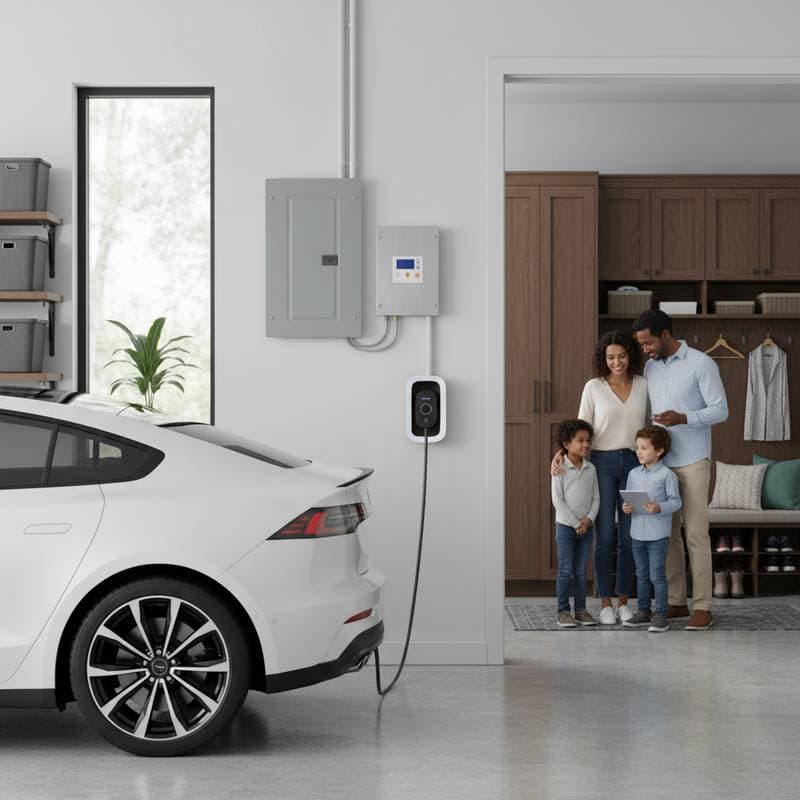
Homeowners considering electric vehicles or solar installations often overlook the electrical infrastructure. A standard 100-amp panel, common in older homes, struggles with the demands of modern devices. Upgrading to a 200-amp panel addresses these limitations and adds significant value.
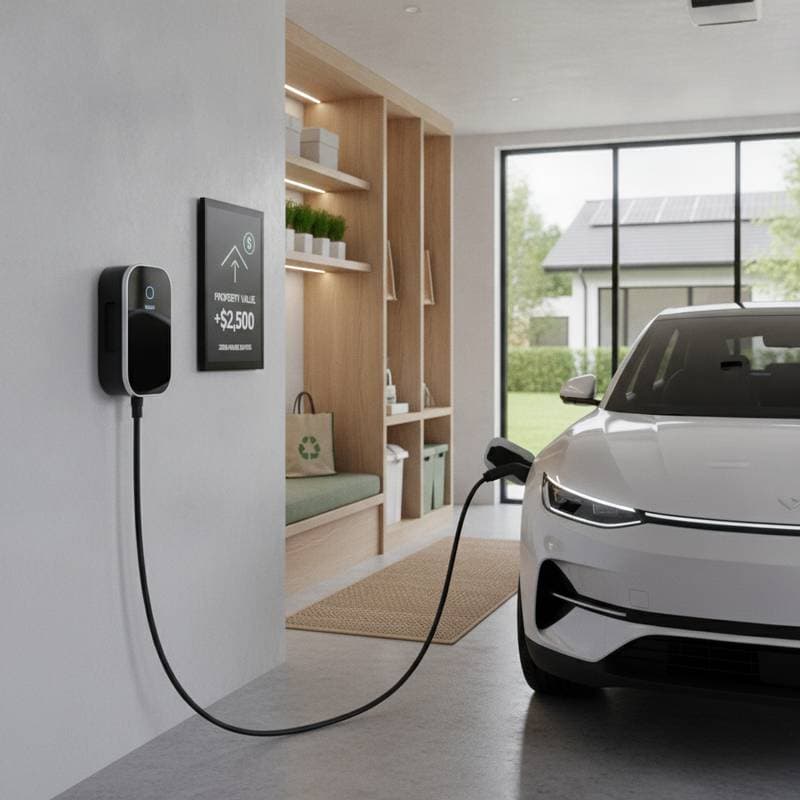
In EV-friendly regions, such an upgrade can elevate resale value by up to 11 percent by 2026. Buyers prioritize homes equipped for electric vehicle charging without compromising other household functions. This preparation signals forward-thinking design and reduces future renovation needs.
The upgrade supports Level 2 chargers that deliver faster charging speeds. It also allows seamless integration with solar panels and high-efficiency appliances. Overall, the investment future-proofs the property against rising energy demands.
Benefits Beyond Resale Value
Safety stands as a primary advantage. Older panels risk overloads, leading to fires or power failures during peak usage. A 200-amp panel distributes loads evenly, minimizing these hazards.
Energy efficiency improves as well. The system handles increased amperage without strain, supporting smart home technologies and whole-home backups. Homeowners gain flexibility for expansions, such as adding an electric heat pump or additional outlets.
Environmental considerations play a role too. With EV adoption growing, a compatible panel reduces reliance on fossil fuels. It aligns with incentives for green upgrades, potentially lowering utility bills over time.
Installation Costs and Considerations
Expect costs to range from $2,000 to $7,500, depending on home size, location, and existing wiring. Factors like utility coordination or minor drywall repairs influence the total. Professional assessments provide accurate quotes.
The process involves replacing the main service entrance and panel. Licensed electricians ensure compliance with local codes. Permits and inspections verify the work meets standards before energizing the system.
Timeframes vary. Most upgrades complete in one full day, followed by inspection. Complex cases, involving utility upgrades or extensive rerouting, may extend to two days.
Essential Safety Guidelines
Safety remains paramount during any electrical work. Follow these protocols to prevent accidents.
- Hire a licensed electrician for all main service modifications.
- Obtain necessary permits and schedule inspections prior to energizing the panel.
- Maintain a dry workspace free from flammable materials.
- Avoid altering breakers or circuits post-installation without professional assistance.
- Ensure GFCI and AFCI protections in required areas, as specified by the National Electrical Code.
Disregarding these measures invites risks of fire or injury. Never attempt to bypass breakers or overload circuits.
Frequently Asked Questions
Do I Need a 200-Amp Panel to Charge an Electric Vehicle?
Most Level 2 chargers demand 40 to 60 amps. A 200-amp panel provides ample capacity for household operations alongside charging, preventing disruptions.
Can I Install an EV Charger on a 100-Amp Panel?
Installation proves possible in some scenarios, yet it restricts simultaneous use of other high-draw appliances. Load management solutions offer temporary relief, though a complete upgrade delivers greater reliability.
How Long Does a Panel Upgrade Take?
Projects typically span one full day, plus time for inspection. Utility involvement or repairs to surrounding structures can extend the timeline to two days.
Will My Utility Company Cover Part of the Upgrade Cost?
Certain utilities provide rebates for EV-ready or solar-compatible enhancements. Review local programs and incentives prior to commencing work.
Does a Panel Upgrade Necessitate Rewiring the Entire House?
Rewiring occurs only if existing branch circuits fail code requirements. In many cases, replacement focuses solely on the main service and panel.
Steps to Upgrade Your Panel
Start by evaluating your current setup. Consult a licensed electrician experienced in EV installations to assess needs and obtain quotes. Compare options based on pricing, warranties, and projected timelines.
Schedule the work during off-peak seasons to minimize disruptions. Prepare the home by clearing access to the panel area. After completion, request detailed documentation and circuit labeling for reference.
Test the system thoroughly post-installation. Verify functionality with the electrician before resuming normal use. This diligence ensures optimal performance and compliance.
Preparing Your Home for Electric Living
A 200-amp panel upgrade positions the property for electric vehicles, solar energy, and beyond. It enhances marketability, safeguards occupants, and streamlines daily power needs. Homeowners who invest now reap rewards in value appreciation and operational ease, embracing a sustainable future with confidence.