Insulated Garage Conversions: Achieving a 15 Percent ROI Boost by 2026
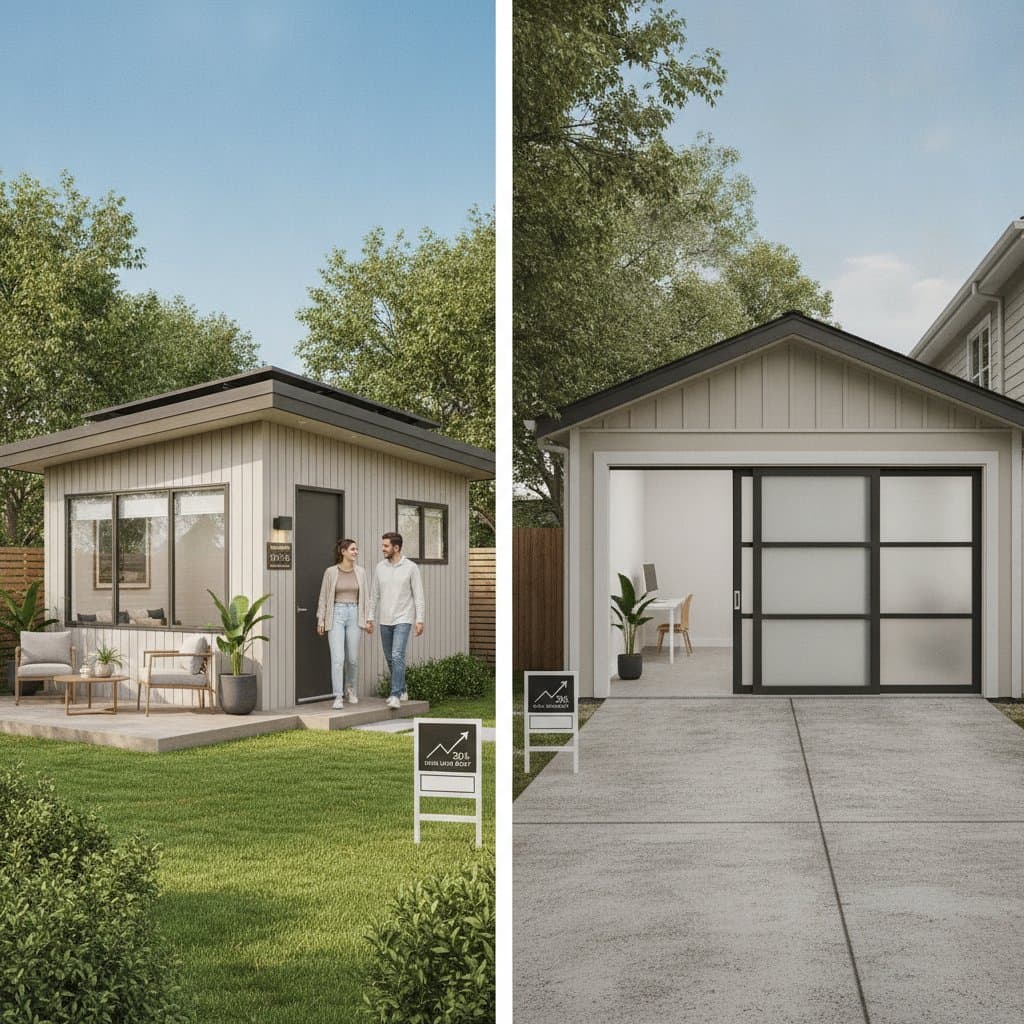
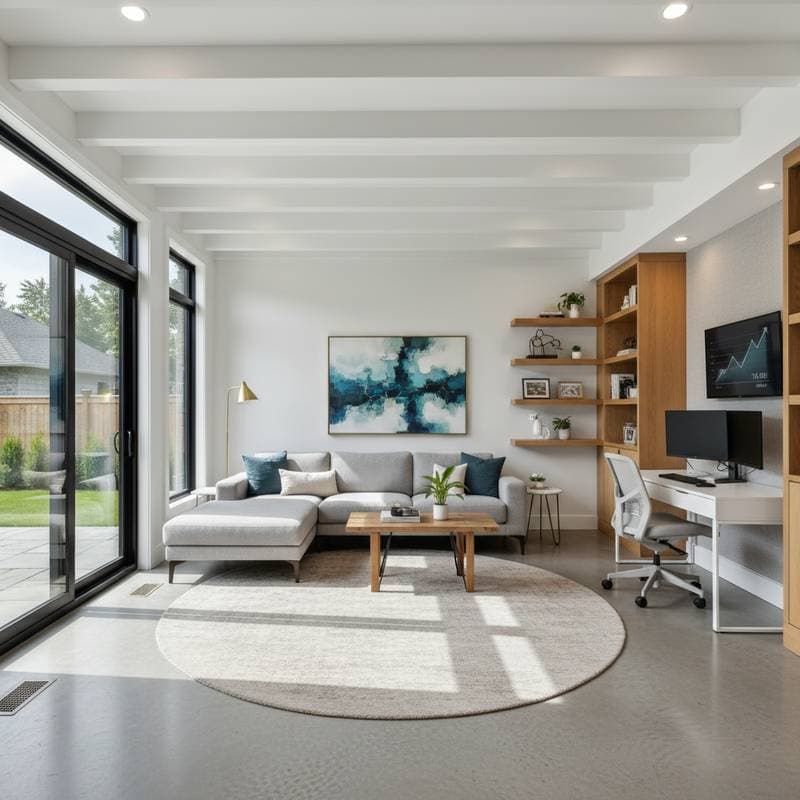
An insulated garage conversion transforms a simple storage area into a functional living space, such as a home office, guest bedroom, fitness room, or even a rental unit. Homeowners pursue this upgrade to gain additional square footage without the expense and disruption of constructing a new addition. When executed with quality insulation and professional finishing, the project enhances overall home comfort and elevates resale value, with industry analyses indicating an average return on investment of approximately 15 percent.
This renovation suits property owners who underutilize their garage and seek expanded living areas. It proves particularly viable in regions where building codes permit such modifications and the existing structure supports the necessary alterations.
Advantages and Disadvantages
Advantages
- Increases property value. Completed living areas typically receive higher appraisals compared to raw garage spaces.
- Enhances thermal comfort. Insulation maintains consistent indoor temperatures throughout the seasons.
- Offers versatile functionality. The space adapts easily to uses like home offices, exercise areas, or guest accommodations with minimal structural adjustments.
- Promotes energy efficiency. Effective insulation minimizes heat transfer through garage walls and ceilings, lowering utility costs.
- Minimizes construction impact. The process completes more quickly and at lower cost than a full home extension.
Disadvantages
- Eliminates parking availability. The conversion removes dedicated covered storage for vehicles.
- Involves regulatory hurdles. Certain municipalities impose restrictions or mandate alternative parking provisions.
- Risks moisture accumulation. Inadequate sealing or insulation may lead to condensation buildup.
- May deter certain buyers. Prospective purchasers who prioritize garage space might favor unaltered configurations.
- Strains heating and cooling systems. Current HVAC setups often require enhancements to accommodate the expanded area.
Handling the Project: DIY or Professional Assistance
DIY Approach
- Complexity level: Substantial. The work encompasses framing, insulation installation, electrical wiring, and finishing tasks.
- Duration: Between six and twelve weeks for experienced individuals.
- Required equipment: Framing implements, power saws, drywall installation tools, insulation applicators, and HVAC components.
- Potential hazards: Inspection failures, incomplete insulation application, electrical faults, or moisture-related problems.
Reasons to Engage Professionals
Professionals become essential for projects involving plumbing additions, structural modifications, or HVAC integrations. Licensed contractors manage permitting processes, ensure adherence to building codes, and address insulation specifics that influence safety and efficiency. DIY efforts suit only superficial elements, such as interior wall treatments or cosmetic finishes, following professional installation of core systems like insulation.
Upkeep and Durability
A properly constructed insulated garage conversion endures as long as standard interior rooms. Regular maintenance preserves its integrity and performance.
- Annual inspection of seals and ventilation: Identify signs of moisture, structural cracks, or pest intrusions.
- Periodic paint refreshment: Maintain clean, dry wall surfaces to prevent deterioration.
- Quarterly HVAC filter replacement: Account for increased airflow needs from the additional space.
- Recaulking of windows and doors every few years: Seal against drafts and water infiltration.
- Warranty considerations: Insulation materials typically provide coverage from ten to twenty-five years when installed according to manufacturer guidelines.
Regional Considerations
Climatic Influences
In colder climates, select insulation with elevated R-values for walls and ceilings to combat heat loss. Humid, warm environments demand vapor barriers and dehumidification systems to mitigate mold growth. Coastal locations require corrosion-resistant framing and fasteners to withstand salt exposure.
Compliance with Building Regulations
Municipalities establish specific guidelines for garage conversions. Requirements often include maintaining at least one on-site parking spot post-conversion, installing fire-rated drywall, providing egress windows, and meeting minimum ceiling heights. Consult local authorities prior to initiating any work.
Variations in Labor Expenses
Labor costs escalate by 15 to 30 percent in urban or coastal regions due to higher demand. Rural or smaller communities offer more affordable rates, though access to specialized contractors may prove limited.
Return on Investment and Market Appeal
A meticulously insulated garage conversion, compliant with codes and featuring high-quality finishes, can elevate home value by about 15 percent. Appraisers classify the upgraded area as conditioned living space when it aligns with regional standards. Optimal returns arise from designs that harmonize with the home's existing aesthetic and functionality.
Key Elements Influencing ROI
- Insulation and finish quality: Substandard materials diminish the space's perceived worth.
- Integration with home design: Matching flooring and trim ensures seamless cohesion.
- Enhanced utility: Additions like bathrooms or independent entrances yield superior valuations.
- Market dynamics: In competitive housing markets, supplementary living space accelerates sales.
Prospective buyers view the conversion favorably when alternative parking exists nearby. In garage-dependent neighborhoods, the value increase might temper slightly.
Essential Safety Measures
Electrical Standards
All installations must conform to National Electrical Code provisions. Incorporate GFCI-protected outlets in areas susceptible to dampness. Avoid concealing junction boxes within drywall layers.
Plumbing Protocols
For bathrooms or sinks, ensure appropriate venting and trap configurations. Secure inspections to verify drain gradients and water supply adequacy.
Structural Integrity
Obtain engineering clearance before removing any load-bearing elements. Strengthen openings for windows or doors to maintain stability.
HVAC Optimization
Prevent system overloads by verifying duct dimensions. Undersized ducts result in inconsistent temperature distribution.
Fire Protection
Apply fire-rated drywall to separate the converted area from any residual garage sections. Position smoke and carbon monoxide alarms in accordance with code specifications.
Expert Recommendations for Optimal Results
- Prioritize user comfort in design: Incorporate ample natural lighting, sufficient electrical outlets, and acoustic insulation.
- Anticipate future marketability: Develop adaptable layouts that accommodate varied owner preferences.
- Address moisture proactively: Deploy vapor barriers and dehumidifiers where environmental conditions warrant.
- Evaluate site drainage: Ensure the foundation slab repels water effectively.
- Maintain comprehensive records: Retain documentation of permits, inspections, and material specifications for potential buyers.
Frequently Asked Questions
What insulation levels are required for a garage conversion?
Select materials suited to your local climate zone. Walls generally need R-13 to R-21, while ceilings demand R-30 or greater. Adhere to prevailing energy efficiency codes.
Is a permit necessary for an insulated garage conversion?
Affirmative. Jurisdictions typically mandate building permits, particularly for electrical, plumbing, or HVAC modifications. Some locales also require plans for parking alternatives.
Can a portion of the garage remain for storage?
Certainly. Partial conversions are common; erect a dividing wall and insulate the boundary to regulate temperatures effectively.
How does insulation impact noise reduction?
It contributes significantly. Materials like fiberglass, cellulose, or spray foam attenuate sound transmission. Greater thickness and airtight seals enhance acoustic performance.
Which flooring options perform best?
Luxury vinyl planks, ceramic tiles, or engineered hardwood resist slab moisture effectively. Always apply a vapor barrier or underlayment prior to final installation.
Steps to Execute Your Conversion
An insulated garage conversion unlocks untapped potential in underutilized space, delivering expanded living options and tangible financial benefits. Success hinges on thorough planning, regulatory adherence, and vigilant moisture management. Begin by assessing your garage dimensions and drafting layout concepts, then solicit bids from at least three qualified contractors experienced in comparable projects. Inquire about proposed insulation ratings, HVAC strategies, and anticipated inspection protocols.
With meticulous execution, the renovation amplifies daily comfort, broadens lifestyle possibilities, and contributes substantially to property equity. Approach the endeavor as a comprehensive remodel, emphasizing precision and thorough record-keeping. Ultimately, the transformed area integrates seamlessly, enhancing the home's enduring appeal.