Understanding Hidden Pantries and Their Market Impact
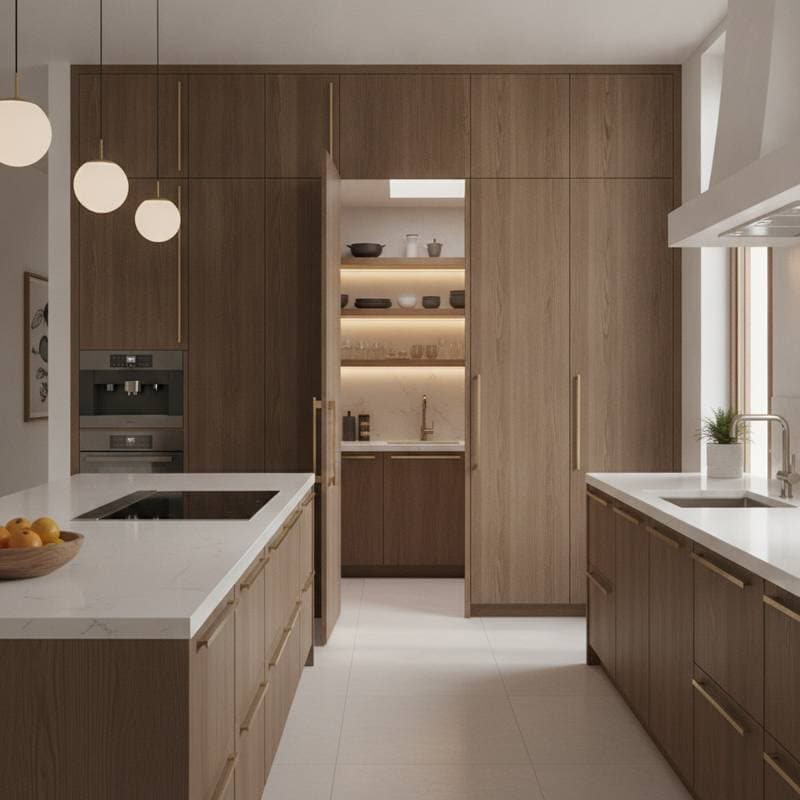
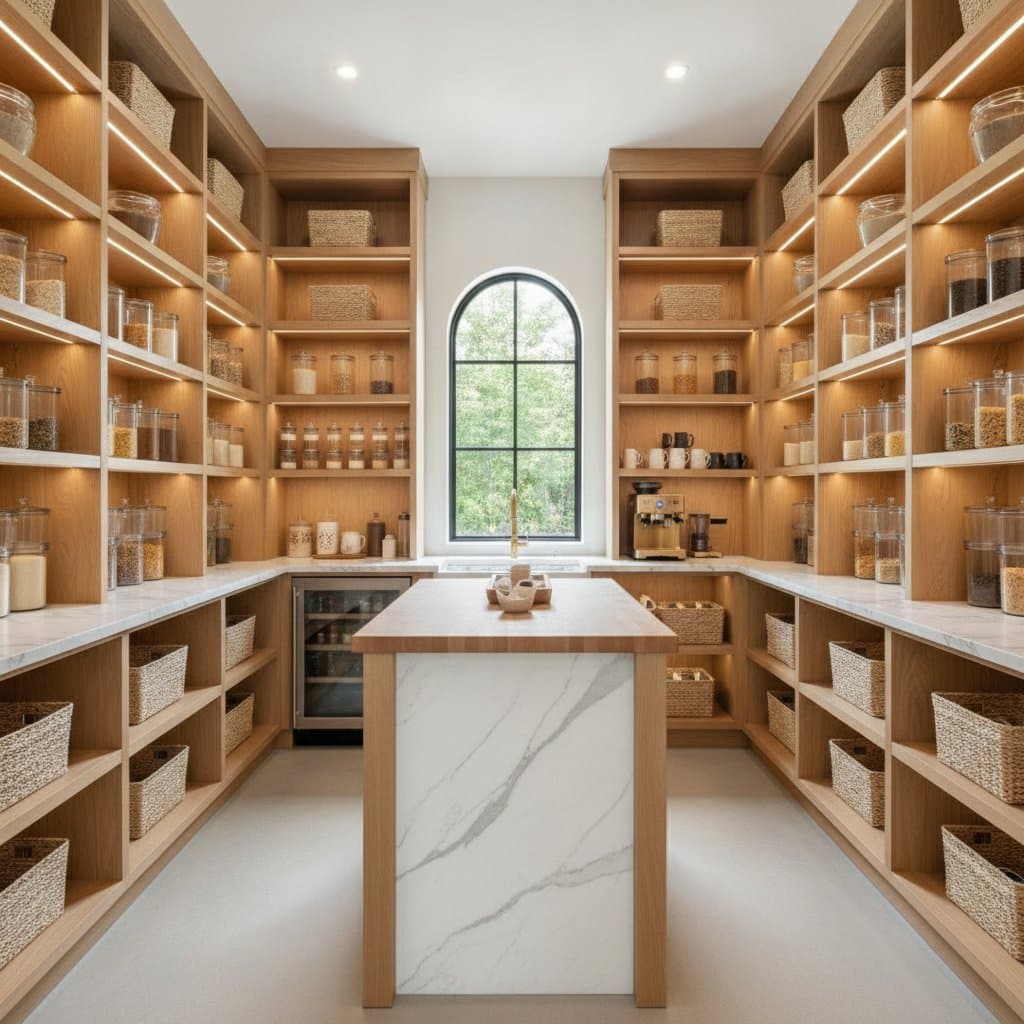
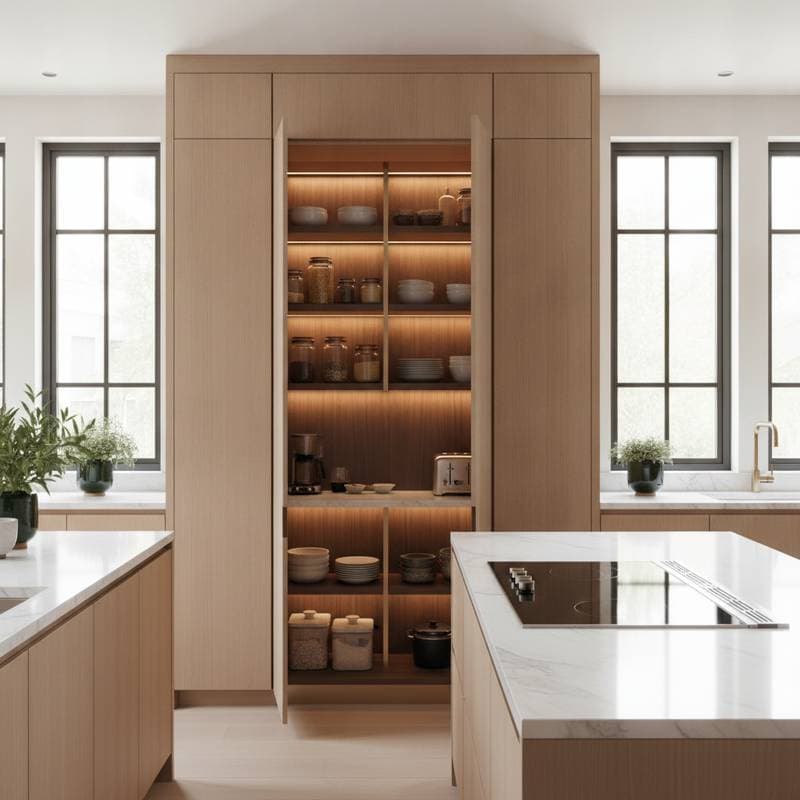
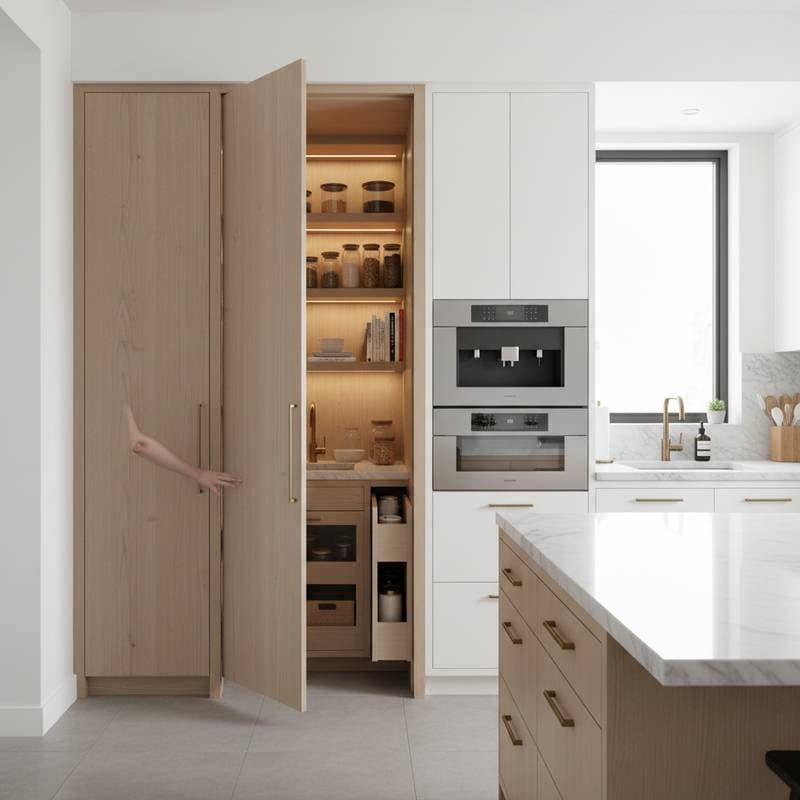
A hidden pantry, sometimes referred to as a butler's pantry, serves as a discreet storage area adjacent to the kitchen. This space accommodates pantry staples, small appliances, and dishware, maintaining a pristine appearance in the primary cooking zone. For homeowners preparing to list their property, incorporating this element often heightens buyer enthusiasm and can elevate the final sale price by up to 15 percent in competitive markets.
These installations prove most effective in homes of medium to large size, particularly where kitchens flow into dining or gathering areas. Individuals who prepare meals frequently or seek additional storage without compromising aesthetics find hidden pantries especially valuable. The design conceals bulk items effectively, preserving the streamlined look of modern living spaces.
Advantages and Drawbacks
Hidden pantries offer several compelling benefits that enhance daily living and property appeal.
Advantages
- Enhances overall resale value while drawing in prospective buyers seeking modern conveniences
- Clears kitchen surfaces for a more inviting and efficient workspace
- Provides secure, out-of-sight storage for oversized containers and gadgets
- Minimizes distractions in expansive, open-plan kitchen designs
- Functions additionally as a preparation station or beverage service point
Despite these strengths, potential challenges warrant consideration before proceeding.
Drawbacks
- May encroach on existing kitchen or dining footprints when retrofitted into current structures
- Demands improvements in airflow and illumination for optimal usability
- Represents a significant investment, particularly in compact residences
- Often necessitates obtaining a building permit for modifications involving load-bearing elements
Choosing Between DIY and Professional Installation
Projects involving hidden pantries range from moderately complex to highly technical, depending on the scope.
DIY Approach
- Estimated time commitment: 20 to 60 hours, scaled to project scale
- Essential tools: circular saw, power drill, spirit level, stud detector, and painting supplies
- Associated risks: moderate, stemming from possible involvement of electrical systems or wall alterations
Professional Services
- Essential for scenarios requiring wall relocation or plumbing integration
- Ideal for custom cabinetry fabrication and sophisticated lighting arrangements
- Guarantees adherence to local regulations and building codes
Experienced hobbyists may manage fundamental shelving and surface treatments independently. However, engaging specialists yields superior outcomes, particularly for seamless blending that maximizes return on investment.
Essential Steps for Installation
Successful implementation begins with precise planning to avoid costly errors.
- Assess available area and delineate pathways for access doors and internal shelving units.
- Designate positions for illumination sources and air circulation systems, especially in fully enclosed configurations.
- Construct new framing or adjust present partitions as required by the layout.
- Install electrical conduits prior to applying any finishing layers.
- Affix drywall panels, lay suitable flooring, and apply fresh coats of paint.
- Secure shelving systems or bespoke cabinet units firmly in place.
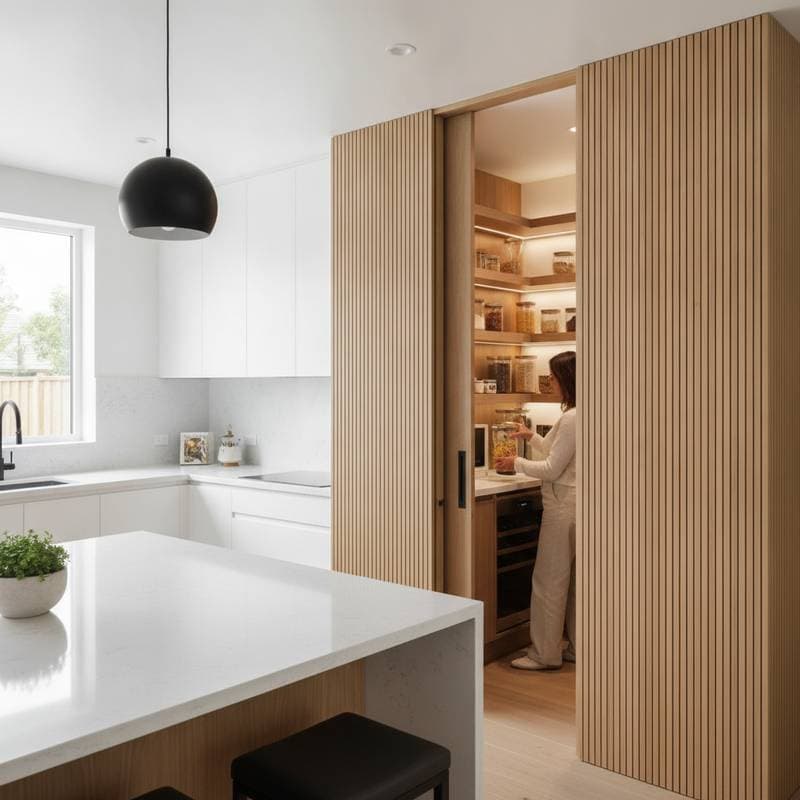
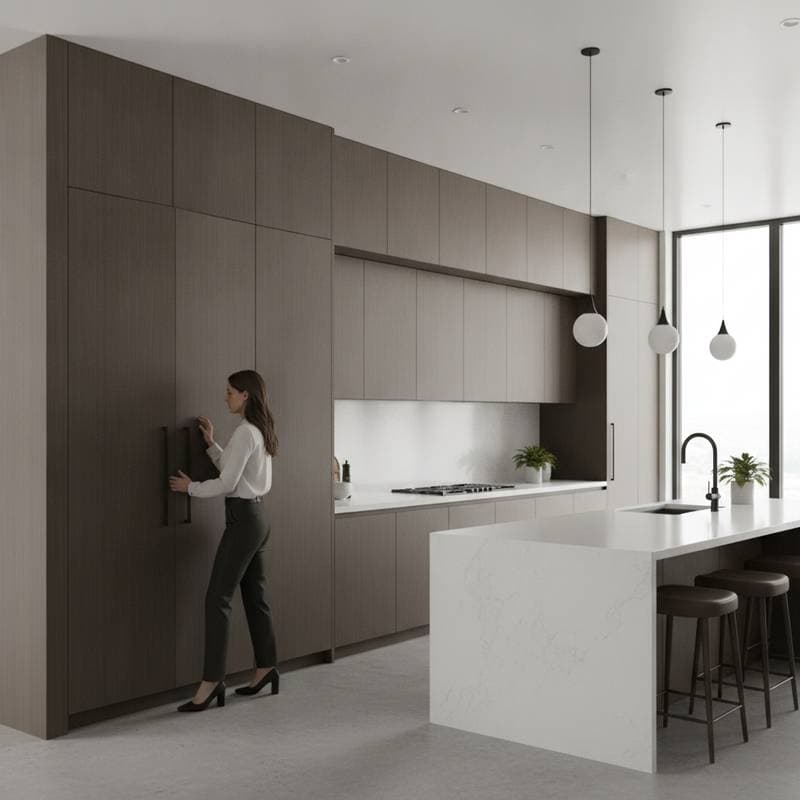
- Integrate the camouflaged door or facade to align seamlessly with surrounding cabinetry.
- Incorporate light fittings and optional features such as a compact utility sink or work surface.
- Perform a thorough cleaning and verify the operation of all mechanisms, including doors, illumination, and hardware.
The entire endeavor generally spans one to three weeks, influenced by the degree of intricacy and any unforeseen obstacles.
Ongoing Care and Durability
Regular upkeep ensures the longevity and performance of a hidden pantry. Conduct inspections of shelves and hardware biannually to detect any signs of wear, such as loose fittings or material fatigue. Clean all interior surfaces routinely to eliminate accumulations of dust, spills, or residues that could compromise hygiene.
Durable built-in cabinetry typically endures 15 to 25 years, with periodic repainting refreshing the appearance every few years. In units featuring plumbing elements, schedule annual examinations beneath sinks to identify and address potential leaks promptly. Selecting high-quality, moisture-resistant materials from the outset further extends service life.
Viable Alternatives to Full Hidden Pantries
For those hesitant about major renovations, several options deliver comparable storage benefits with reduced disruption.
Tall Freestanding Pantry Cabinet
This solution incurs lower expenses and avoids structural interventions. While not entirely concealed, it provides ample capacity in a compact footprint.
Wall-Mounted Storage with Sliding Panels
Such systems expand storage vertically without sacrificing floor space. They integrate smoothly into open kitchen configurations, offering easy access during meal preparation.
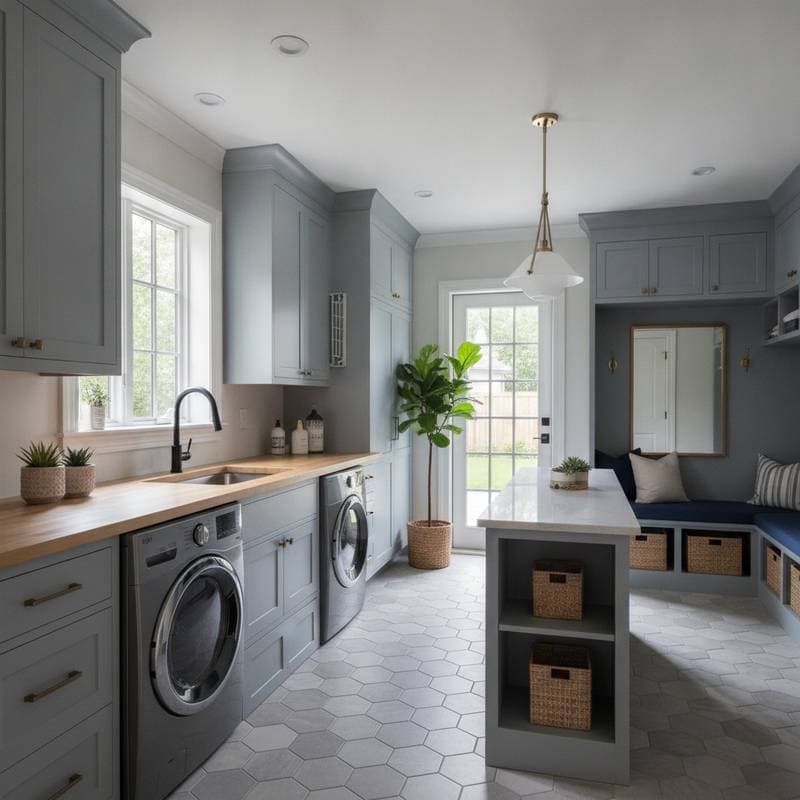
Dedicated Utility Space in Basement or Laundry Area
Suitable for stockpiling non-perishables, this approach prioritizes volume over proximity. Retrieval during active cooking sessions may prove less efficient, however.
Each method balances visual discretion against budgetary constraints and practical accessibility, allowing customization to specific needs.
Regional Considerations for Optimal Design
Environmental factors play a crucial role in material selection and compliance. In humid coastal zones, opt for mold-resistant shelving and sealed cabinetry to safeguard contents. Colder climates may necessitate insulated barriers if the pantry abuts outer walls, preventing heat loss and condensation.
Municipal regulations often dictate standards for airflow, electrical safety, and emergency egress. Structural or wiring modifications frequently require formal permits, which professionals can navigate efficiently. Labor expenses fluctuate regionally; urban centers with elevated demand may command 10 to 20 percent premiums over rural rates.
Calculating Return on Investment
Hidden pantries contribute tangible and perceptual value, blending utility with upscale aesthetics. Real estate professionals observe that discerning buyers associate these features with meticulous organization and premium lifestyles. In freshly renovated or contemporary kitchens, the addition can amplify appraised worth by up to 15 percent.
Properties equipped with such organized, unobtrusive storage capture superior imagery for marketing materials. During viewings, the absence of visible disarray fosters positive first impressions, accelerating offers and negotiations.
Prioritizing Safety in Design and Construction
Safety remains paramount when incorporating new infrastructure. Engage certified electricians and plumbers for any wiring or piping work to mitigate hazards. Ensure adequate ventilation prevents moisture buildup, and maintain clear access to circuit breakers or utility shutoffs.
Employ fire-resistant drywall in proximity to heat sources like ovens or ranges. Adhering to these protocols not only complies with codes but also protects occupants and preserves the installation's integrity over time.
Planning Your Hidden Pantry Project
Begin by evaluating your kitchen's dimensions and identifying viable locations for integration. Gather visual references that complement your existing decor and hardware styles to guide decisions. Solicit estimates from at least two or three credentialed remodeling firms specializing in kitchen enhancements.
In constrained areas, consider hybrid solutions like embedded cabinet drawers or retractable panels that maximize utility without overhaul. Thoughtful execution transforms this upgrade into a multifaceted asset, enhancing routine functionality while bolstering long-term marketability.