Boost Home Value: 15% ROI Surge from Aging-in-Place Upgrades
Typical returns reach about 15 percent added resale value for accessibility-focused remodels.
Homeowners undertake upgrades for aging in place not solely for enhanced comfort or safety. These modifications now provide among the highest returns on investment for residential renovations. Prospective buyers willingly pay premiums for properties equipped to support mobility and independence.
Cost Drivers
1. Materials and Finishes
Durable non-slip flooring requires installation costs of $5 to $12 per square foot. Low-threshold showers equipped with grab bars begin at approximately $3,000 for a complete remodel-ready unit. Stainless steel railings, lever-style handles, and wide door hardware contribute an additional $1,000 to $2,500 to the budget.
2. Labor and Skilled Work
Professionals such as carpenters, plumbers, and electricians account for 50 percent or more of the total expense. Labor rates increase when projects involve structural alterations or electrical rewiring to satisfy accessibility codes.
3. Size and Layout Adjustments
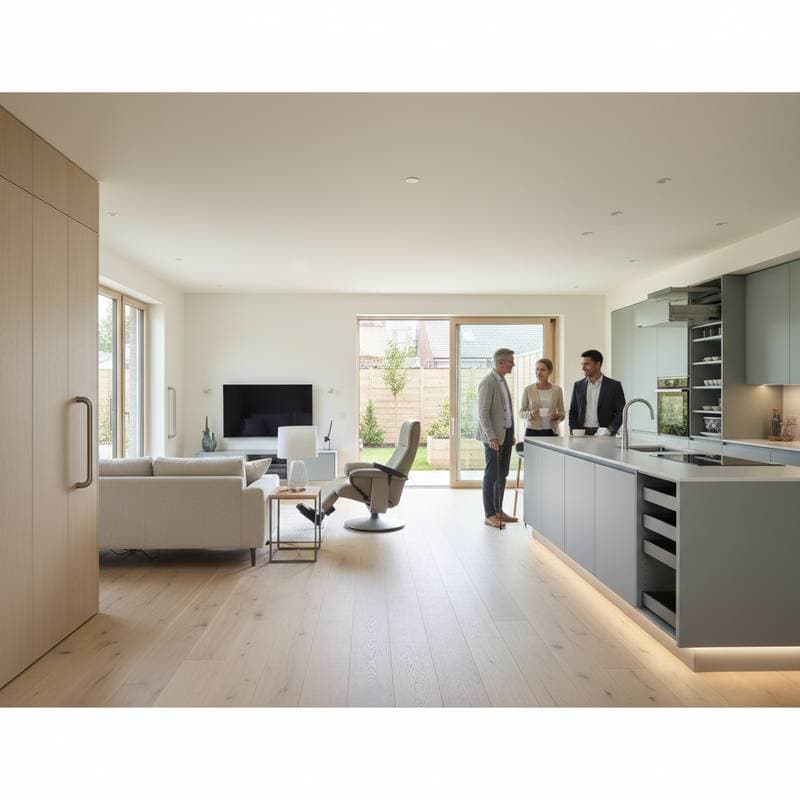
Efforts to expand doorways, widen hallways, or reconfigure bathrooms range from $2,000 to $10,000. Open floor plans minimize tripping hazards, yet they demand reinforced structural support to maintain integrity.
4. Permits and Code Compliance
Accessibility remodels typically necessitate building permits. Fees average $300 to $900, varying by region. Verify that ramp slopes, stair configurations, and bathroom layouts adhere to universal design standards.
5. Disposal and Prep
Demolition, debris removal, and floor leveling incur costs of $500 to $1,200. Presence of lead paint or asbestos necessitates certified abatement, which elevates expenses further.
DIY vs Professional Installation
DIY-Friendly Tasks
Homeowners with basic skills can manage the following:
- Installation of grab bars, lever handles, and smart lighting systems
- Replacement of faucets or addition of motion-activated lights
- Application of anti-slip coatings to existing floors
These projects require standard tools and moderate expertise. Secure all safety bars with anchors rated to support full body weight.
When to Hire Professionals
Engage licensed experts for:
- Any structural modifications or electrical rewiring
- Relocation of plumbing lines or installation of new circuits
- Construction of ramps, lifts, or comprehensive bathroom remodels
Contractors guarantee proper framing, effective water sealing, and adherence to codes. Errors in ramp slope or waterproofing lead to costly repairs over time.
Essential Safety Gear
Prepare with:
- Gloves, safety glasses, and knee pads for protection
- A stud finder and anchors rated for secure wall mounting
- A circuit tester prior to electrical tasks
- Dust masks during demolition activities
Potential Red Flags
Inspect for:
- Concealed rot behind bathtub enclosures
- Sagging subfloors beneath tile surfaces
- Unpermitted alterations from prior ownership
Remediate these issues before incorporating new accessibility features or finishes.
Maintenance and Warranties
Expected Lifespans
- Grab bars and hardware endure 20 years or longer
- Non-slip flooring lasts 15 to 25 years, contingent on material quality
- Smart fixtures require updates after 5 to 10 years due to technological advancements
Preventive Care Strategies
Maintain components by tightening anchor screws every few years. Reseal tile and grout annually in moisture-prone areas. Regularly replace light bulbs and sensor batteries to ensure functionality.
Most warranties cover parts exclusively, excluding labor. Retain receipts and register products online to activate protection.
Good, Better, Best Upgrade Options
Good
Implement functional enhancements that simplify daily navigation, including lever handles, motion-activated lighting, and grab bars.
Better
Incorporate layout modifications such as accessible flooring, wider doorways, and refreshed bathrooms for greater integration.
Best
Pursue a complete universal design overhaul featuring open floor plans, step-free entrances, and smart control systems. Such transformations attract aging residents and younger purchasers desiring adaptable living spaces.
Common Mistakes to Avoid
- Neglecting permits: Unapproved ramps or bathroom configurations may raise concerns during buyer inspections.
- Excessive ramp slope: Ratios steeper than 1:12 prove hazardous and often fail code reviews.
- Selection of glossy flooring: Polished surfaces heighten slip risks in damp conditions.
- Overlooking adequate lighting: Dim areas undermine the effectiveness of safety installations.
- Insufficient clearance planning: Allocate at least 5 feet of turning radius for wheelchairs and walkers in primary zones.
Tackle these concerns at the outset to prevent costly revisions or inspection setbacks.
Plan Your Upgrades Effectively
Tour your home simulating mobility with a walker or wheelchair. Identify tight turns or excessive reaches that hinder access. These insights guide prioritized investments for maximum impact and resale potential.