
Why Dark Cabinets Are Revolutionizing 2026 Kitchens
Typical cost: $9,000 to $18,000 for a full set of dark kitchen cabinets, installed.
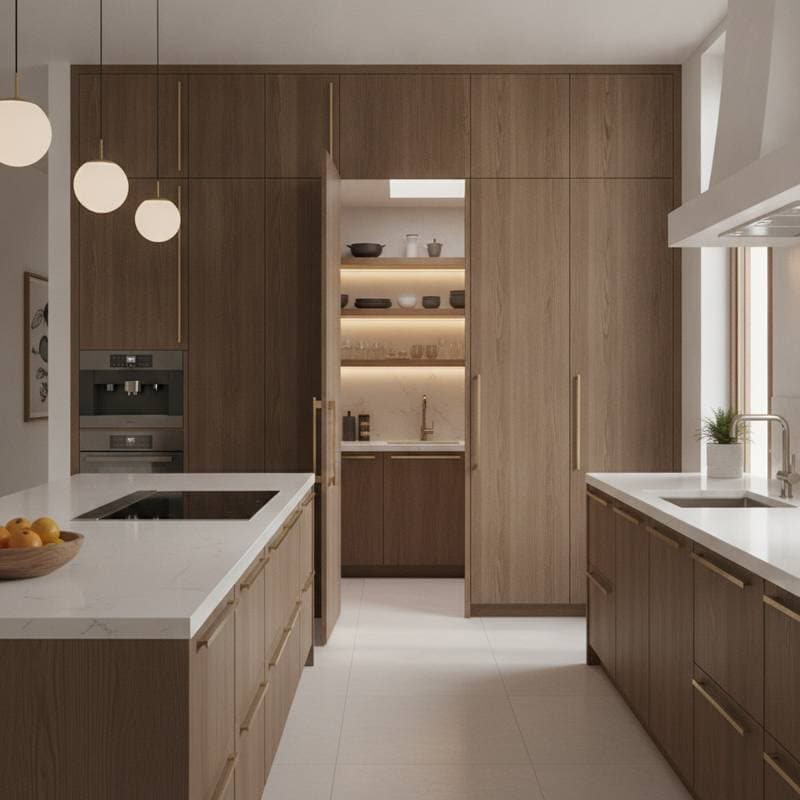
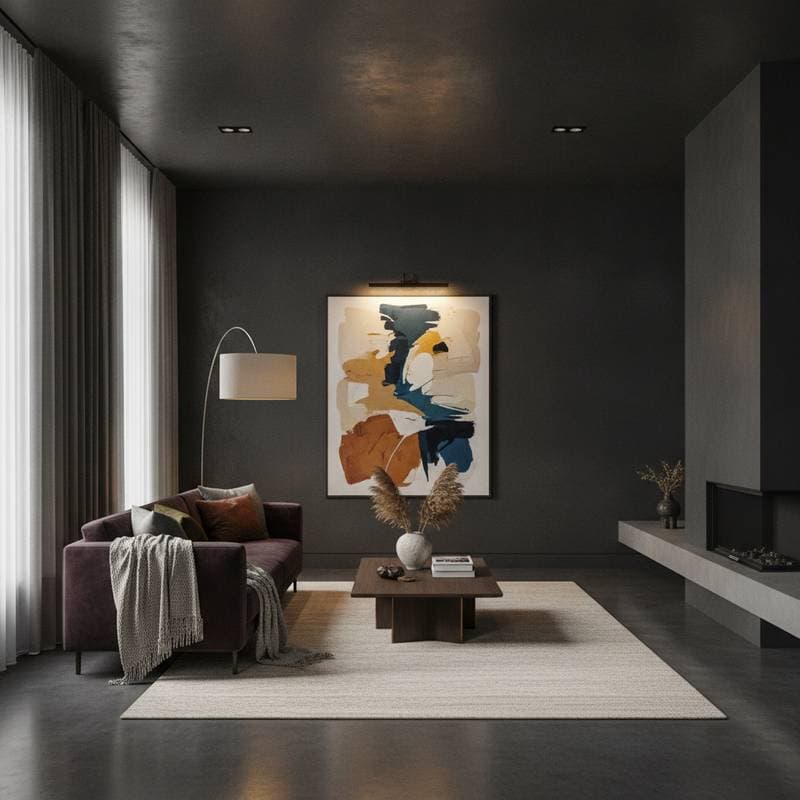
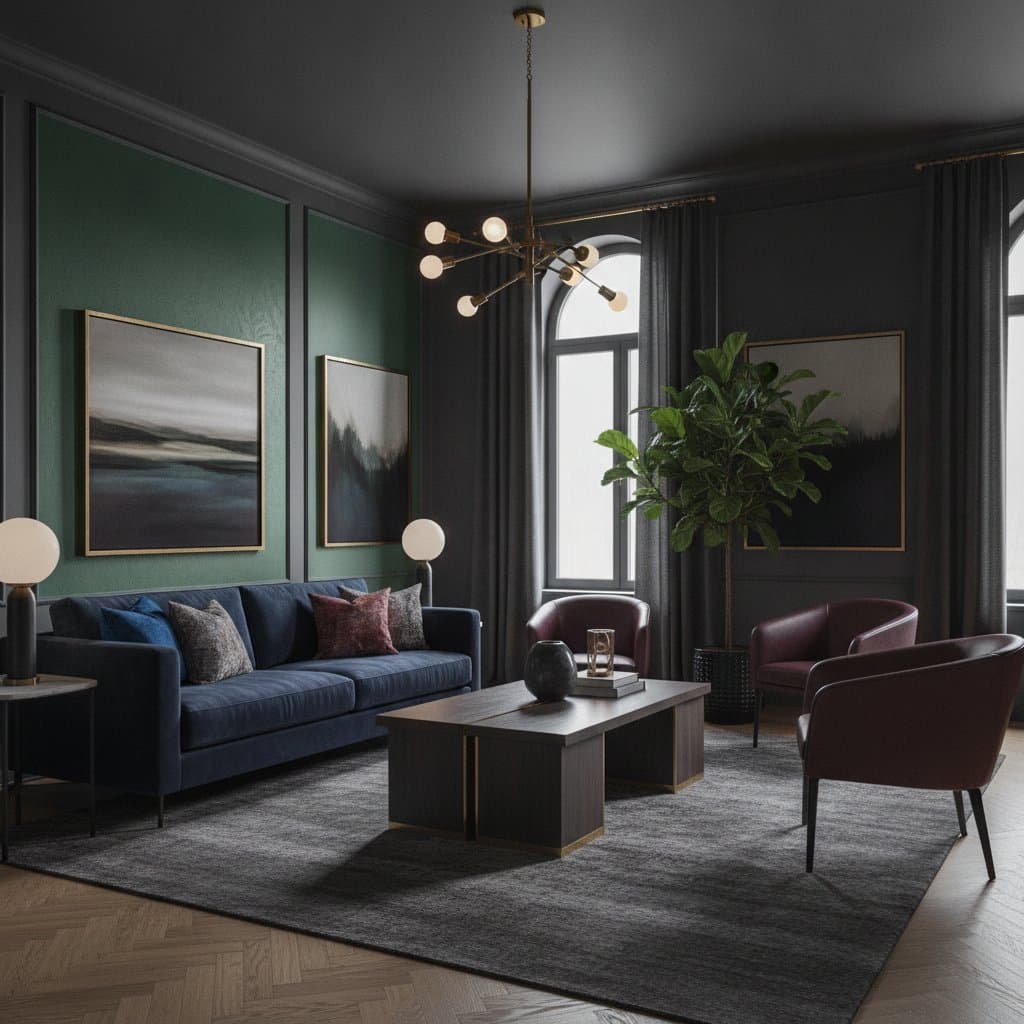
Dark cabinets move from niche appeal to widespread adoption in 2026. These elements introduce depth, warmth, and a refined appearance that suits both contemporary and traditional layouts. The shift extends beyond mere color choice; it reflects a desire for kitchens that convey stability, equilibrium, and enduring quality.
Cost Factors
Several elements influence the overall expense of dark kitchen cabinets. Understanding these components allows for informed budgeting and selection.
1. Material Type
- Laminate or thermofoil: Ranges from $60 to $120 per linear foot. These options provide affordability, though they offer reduced durability over time.
- Painted wood: Falls between $120 and $250 per linear foot. This choice strikes an optimal balance between visual appeal and extended lifespan.
- Stained hardwood: Costs $200 to $400 per linear foot. It delivers rich color depth and a high-end aesthetic.
2. Cabinet Construction
- Stock cabinets reduce expenses by up to 40 percent, yet they restrict options in colors and dimensions.
- Semi-custom options enable selection of deeper finishes and varied trim details.
- Custom builds incur higher costs due to tailored measurements and expert application of finishes.
3. Finish and Hardware
Matte finishes conceal fingerprints effectively, though they increase costs by approximately 10 percent. Gloss finishes enhance light reflection but reveal wear more readily. Hardware selections in bronze or brushed nickel contribute an additional $300 to $700 across a complete kitchen setup.
4. Labor and Installation
Anticipate $2,000 to $4,500 for professional labor. Demolition of existing cabinets adds $300 to $800 for proper disposal. In homes with age-related issues, allocate an extra 10 to 15 percent for necessary wall repairs or surface leveling.
5. Permits and Compliance
Basic cabinet replacements seldom require permits. However, alterations involving electrical or plumbing systems demand them. Professionals always disconnect power and water supplies prior to dismantling fixtures.
DIY vs Professional Installation
Deciding between self-installation and hiring experts depends on project scope and personal expertise. Each approach carries distinct advantages and challenges.
DIY: Suitable Scenarios
- Ideal for: Repainting or refacing current cabinets.
- Required skill level: Intermediate proficiency, including tasks like sanding, sealing, and accurate application of paint.
- Essential tools: Orbital sander, brushes and rollers, respirator mask, drop cloths, and a drill.
- Potential pitfalls: Inconsistent paint application, inadequate adhesion, or veneer damage from excessive sanding.
- Safety measures: Use a respirator and gloves throughout. Ensure adequate ventilation, and refrain from oil-based primers in enclosed indoor areas.
Professional Services: Recommended Cases
- Structural issues such as sagging or warped cabinet frames.
- Plans to modify plumbing or electrical configurations.
- Desire for factory-standard finishes or precise custom color matching.
- Environmental factors like high humidity that affect drying processes.
Experts utilize spray booths and precision leveling equipment to achieve seamless results. They handle waste removal, surface preparation, and adherence to building codes, thereby minimizing future maintenance expenses and timelines.
Timing and Cost-Saving Strategies
Effective planning optimizes both delivery schedules and financial outlays for dark cabinet projects.
Lead Times
Allocate 3 to 6 weeks for semi-custom cabinet arrivals. Factory-applied paints may extend timelines during periods of elevated humidity. Consult suppliers regarding current production schedules before initiating demolition.
Seasonal Considerations
Manufacturers frequently offer discounts in early spring and late fall. Labor crews prove more available during mid-summer, as major construction slows. Scheduling within these periods accelerates completion without premium rates.
Lighting Enhancements
Dark surfaces absorb illumination, necessitating thoughtful upgrades. Under-cabinet LED strips range from $150 to $300 and effectively eliminate dark areas. Select warm white bulbs to harmonize with cabinet tones.
Incentive Programs
Certain utility rebates cover lighting modifications as part of broader renovations. These incentives can partially recover upgrade investments. Inquire with contractors or local utilities prior to finalizing purchases.
Key Design Decisions
Thoughtful pairings elevate the impact of dark cabinets within kitchen designs.
1. Color Pairings
- Black and white: Timeless and versatile, preventing dark elements from dominating compact spaces.
- Navy and brass: Infuses warmth and sophistication.
- Charcoal and natural wood: Creates an organic, subdued vibe suited to open layouts.
- Forest green or deep blue: Complements neutral countertops and subdued hardware.
2. Countertop Selections
Opt for light-toned quartz, butcher block, or marble-inspired materials to maintain equilibrium. Pairing dark counters with dark cabinets risks a heavy appearance; counteract this with luminous flooring or exposed shelving.
3. Illumination Approaches
Incorporate pendant fixtures over islands and recessed LED under cabinets to dispel shadows. Dimmable options provide adaptable ambiance.
4. Hardware Choices
Matte black pulls blend seamlessly with dark surfaces. Brass or brushed nickel introduces contrast and subtle elegance. Select according to preferred levels of visual distinction.
Preparation and Safety Guidelines
A structured checklist ensures safe and efficient project execution.
- Disconnect electricity to nearby outlets.
- Detach cabinet doors and mark hinges for straightforward reattachment.
- Don eye protection and a respirator during sanding or spraying activities.
- Protect floors and appliances using drop cloths.
- Position a fire extinguisher close by when handling oil-based materials.
Should bubbling, discoloration, or flaking occur post-application, halt work and allow full drying before additional coats. This step safeguards against persistent adhesion problems.
Steps to Implement Your Vision
Begin your transition to a deeper, more anchored kitchen aesthetic with measured actions. Test the effect by updating a single area, such as an island, to assess compatibility with existing light and mood. Once satisfied, proceed to comprehensive implementation. By adhering to practical budgets, defined schedules, and quality materials, dark cabinets yield enduring style and functionality. They represent a strategic investment in a space that embodies purpose and resilience for years ahead.