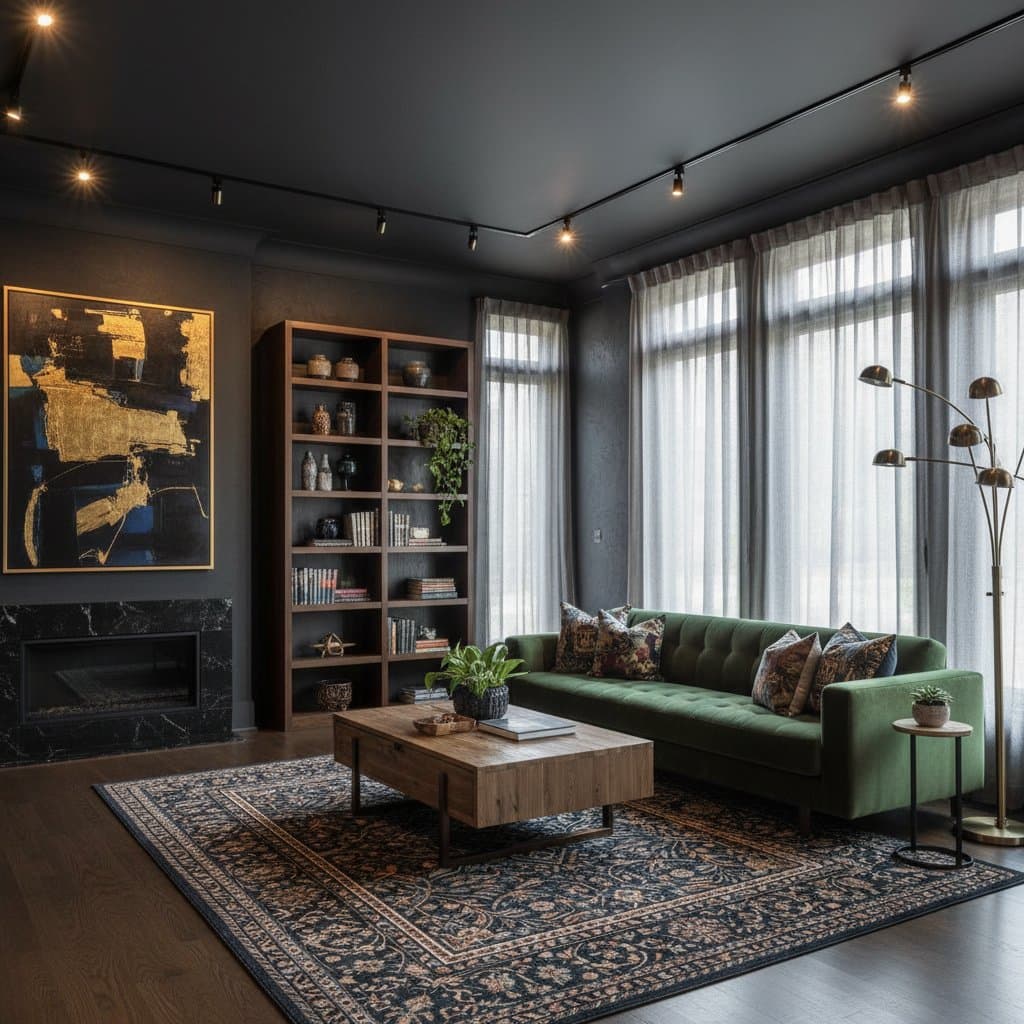
2026 Trend Alert: Dark Interiors Accelerate Home Sales
Dark interiors have evolved beyond niche preferences. Properties featuring deep, moody hues sell more quickly and frequently command higher prices. Prospective buyers perceive these spaces as refined, complete, and immediately habitable. For those staging a home for the market or revitalizing a living area, incorporating darker tones offers an efficient path to attracting offers.
Reasons Dark Interiors Captivate Buyers
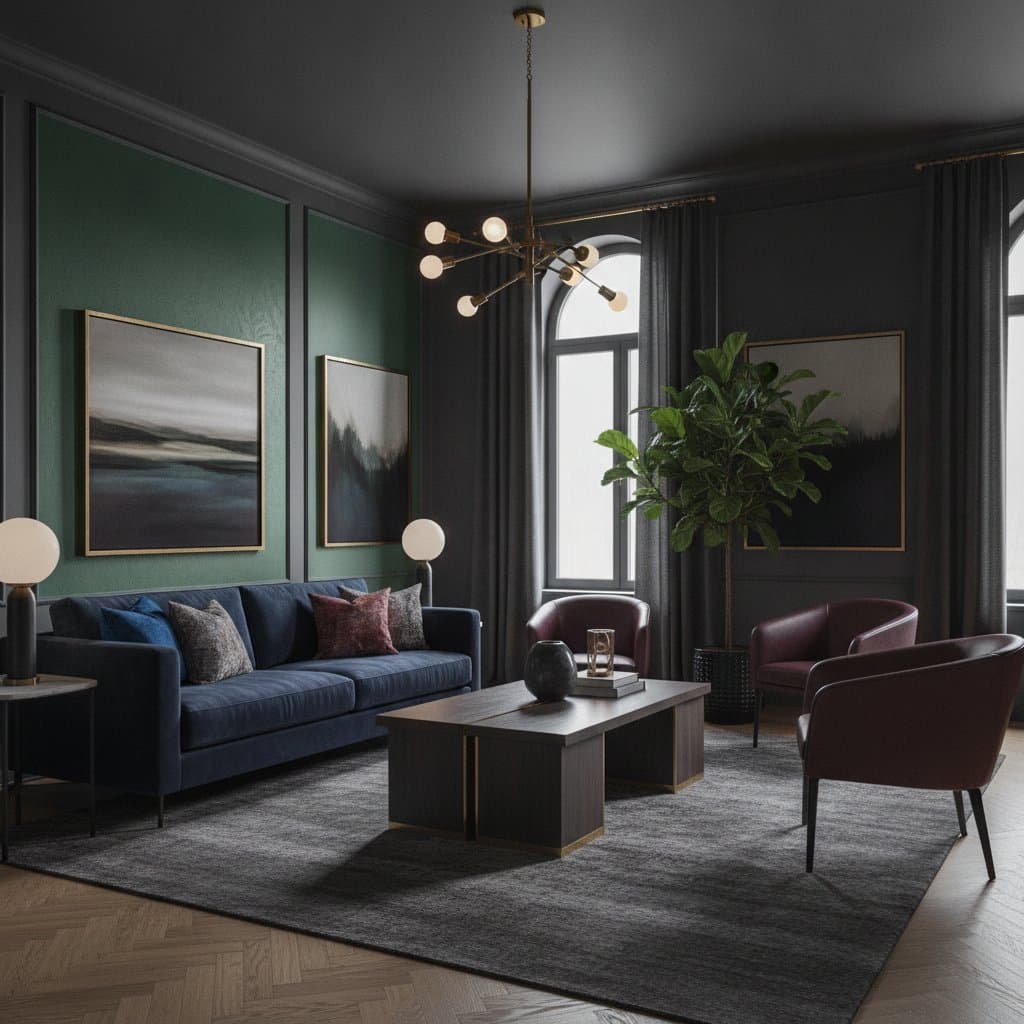
Pale walls have prevailed in design for decades, yet current preferences lean toward warmth, dimension, and individuality. Darker shades introduce immediate intrigue and lend rooms a purposeful character. Such choices demonstrate assurance and a keen sense of aesthetics. Within real estate portfolios, residences with navy-painted kitchens or slate-gray living areas distinguish themselves from the prevalence of neutral palettes.
These tones also capture light effectively in photographs, a critical factor as viewers browse extensive online selections. For instance, emerald cabinetry or ebony feature walls create vivid contrasts on digital displays, forging lasting visual connections.
Psychological Appeal of Moody Palettes
Darker colors evoke a sense of security and opulence. They anchor environments, rendering contents within them more thoughtfully arranged. A single deep wall elevates artwork, lighting elements, and upholstery, presenting them as intentionally selected. Additionally, shades like profound navies, sooty grays, and earthy umbers foster a nurturing enclosure, resonating with individuals desiring serene sanctuaries.
Strategic Placement for Optimal Effect
Apply darker colors in areas prioritizing ambiance over illumination. Balance remains essential; a complete overhaul in midnight blue proves unnecessary for impact.
Ideal spaces for darker applications:
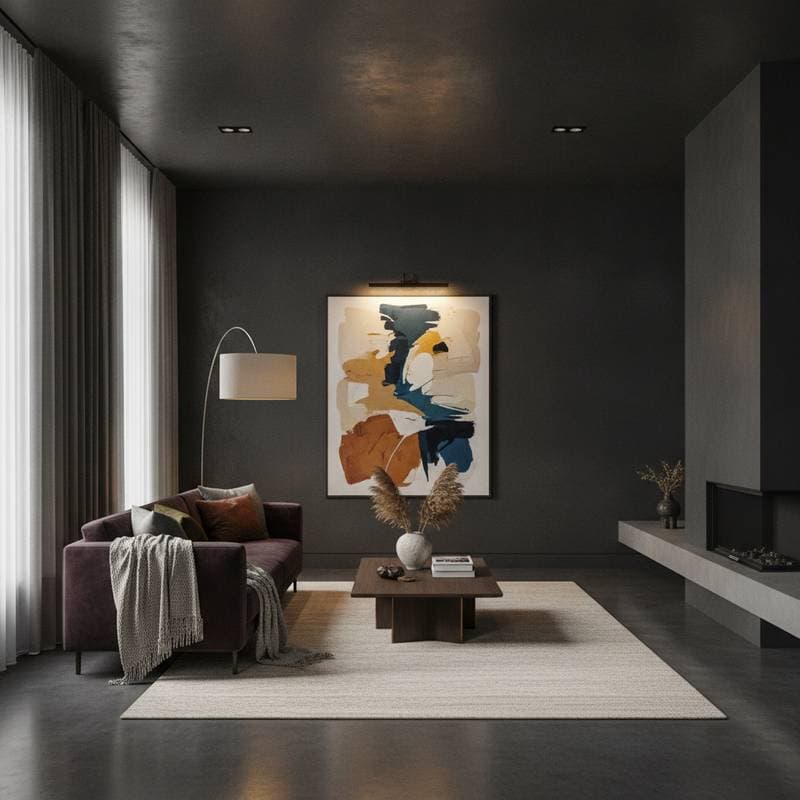
- Living areas to evoke an upscale, atmospheric ambiance
- Bedrooms to cultivate a tranquil, resort-inspired retreat
- Dining spaces to enhance closeness and conversation
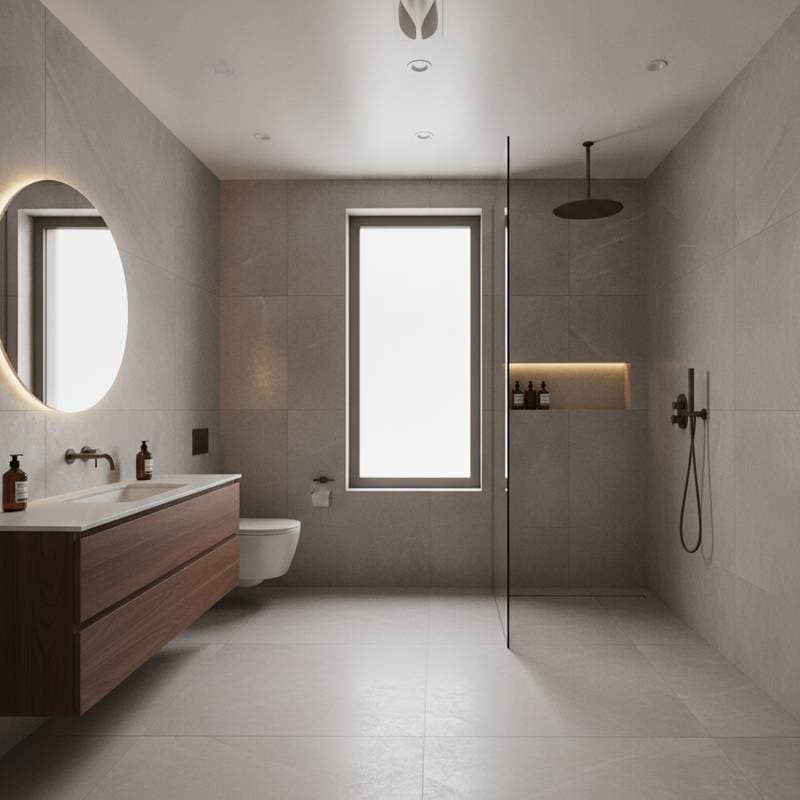
- Bathrooms to introduce soothing, therapeutic contrasts
Areas better suited to lighter schemes:
- Corridors and compact basements with scarce natural light
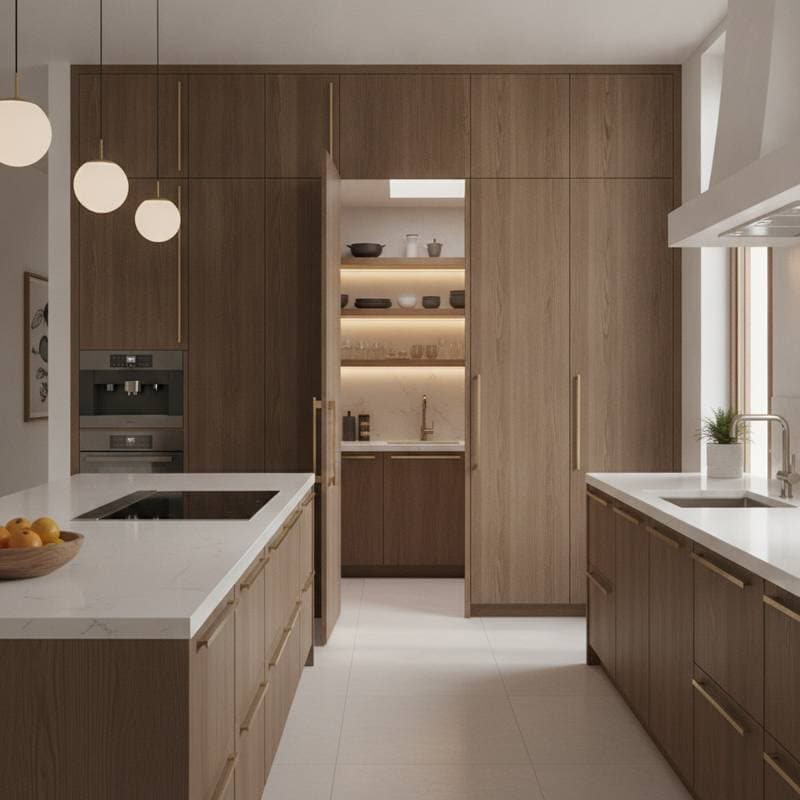
- Kitchens lacking ample daylight, unless offset by luminous surfaces and glossy elements
Opt for matte or eggshell sheens to achieve a subtle sophistication. High-gloss options amplify reflections, potentially disrupting the intended serenity.
Guide to Implementing Dark Interiors Effectively
- Select a foundational hue. Identify a primary dark shade to define the atmosphere. Reliable options include slate gray, evergreen, or profound azure.
- Evaluate samples. Apply a substantial swatch and observe its performance across the space under varying illumination, from sunlight to artificial sources.
- Harmonize with complements. Incorporate pale moldings or metallic highlights to prevent an oppressive weight.
- Incorporate varied materials. Combine plush textiles, timber elements, metallic fixtures, and interlaced weaves; darker bases amplify tactile interest.
- Design illumination layers. Integrate multiple sources, such as sconces, concealed strips, or freestanding luminaires, to illuminate recesses.
- Curate accents thoughtfully. Employ artwork, foliage, and reflective panels to introduce counterpoints.
- Capture images strategically. Leverage natural daylight and deliberate arrangement to showcase depth in marketing visuals.
Investment and Timeline Overview
| Task | Estimated Cost | Influencing Factors |
|---|---|---|
| Painting one room | $250 to $700 | Dimensions, surface preparation, paint grade |
| Complete interior refresh | $3,000 to $10,000 | Total area, overhead surfaces, detailing |
| Professional color consultation | $150 to $600 | Expertise, project extent |
Costs fluctuate by location. Superior formulations with robust pigmentation incur higher expenses yet require minimal applications. Budget increases for repairs or transitions from light to intensely dark coatings.
Duration:
Preparation, application, and curing for a single room span one to two days. An entire residence may demand one to two weeks, influenced by workforce, substrate quality, and atmospheric conditions.
Deciding Between Self-Application and Expert Services
Pursue DIY when:
- Limiting efforts to one or two chambers.
- Surfaces remain even and personal proficiency includes fundamental techniques.
- Comfort exists with elevated work and precise edging.
Engage professionals for:
- Transformations across numerous areas or elevated planes.
- Impeccable results using advanced formulations or finishes.
- Irregular or aged substrates requiring specialized handling.
Experts manage groundwork, repairs, and post-work tidying with precision. They excel at delineating boundaries between contrasting shades, a challenge for novices.
Essential Supplies List
- Adhesive painter's tape
- Protective drop sheets
- Beveled brush
- Roller assembly and reservoir
- Adhesion primer for hue shifts
- Premium latex paint
- Stable ladder
- Abrasive paper or sponge
Commence with pristine, moisture-free bases. A durable primer ensures adhesion and uniformity, mitigating patchiness. Apply two layers for consistent saturation.
Preparation and Safety Considerations
Darker coatings highlight imperfections readily. Abrade and mend surfaces prior to application. Ensure robust ventilation, particularly with solvent-based products. Don protective gear during abrasion of legacy layers potentially containing hazardous materials. Avoid application proximate to ignition sources or fuel devices.
For work adjacent to wiring access points, deactivate circuits at the main panel before detaching plates. Restrict access for animals and children from damp zones until cured.
Illuminating Dark Spaces Successfully
Strategic lighting determines the success of shadowed interiors. Employ a trio of tiers: general, functional, and focal.
- General: Ceiling-mounted or embedded units for broad coverage.
- Functional: Directed sources for activities like perusal or meal preparation.
- Focal: Highlighting beams, linear installations, or ambient flames for emphasis.
Select warm-spectrum bulbs (2700K to 3000K) to enhance coziness in darker settings. Cooler tones risk rendering hues dull or stark.
Adaptations for Location and Weather
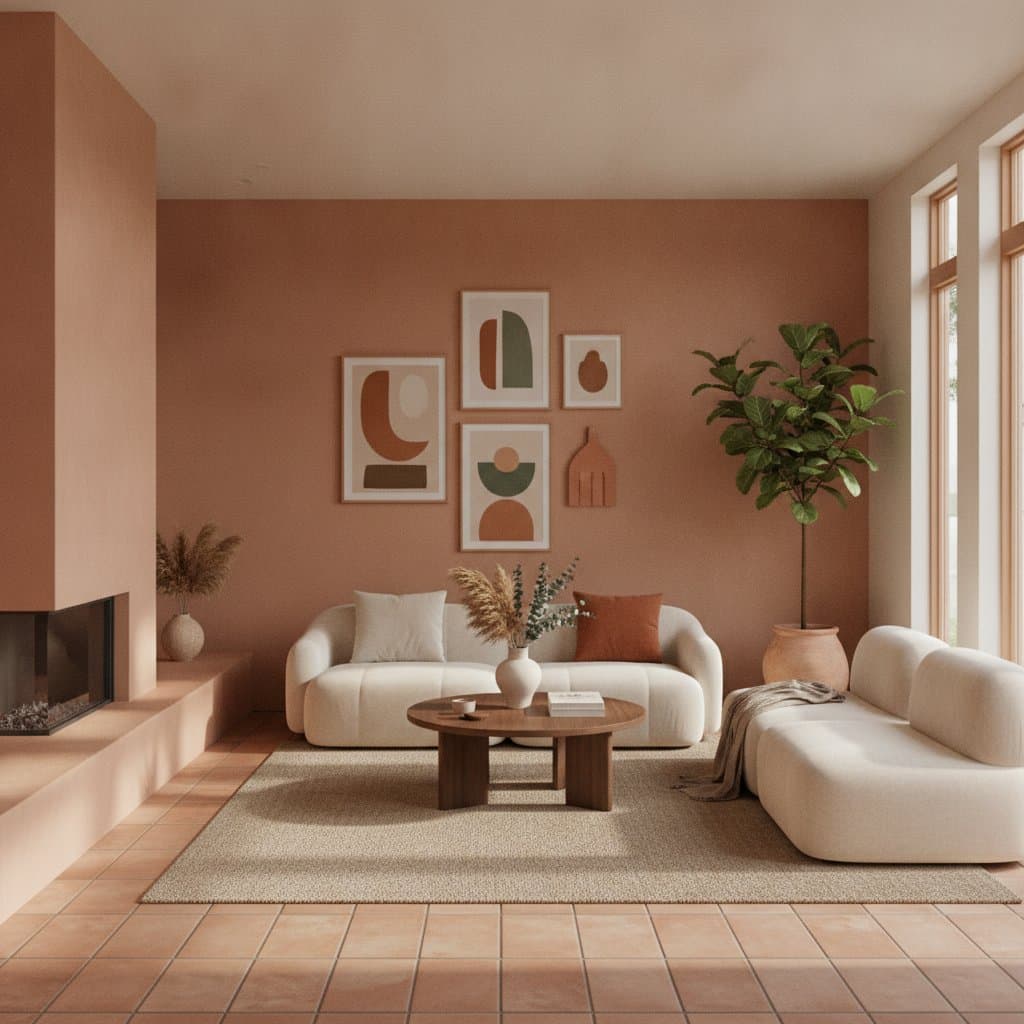
In bright regions, somber interiors temper visual intensity and minimize reflections. Colder zones benefit from deepened walls that impart warmth and seclusion. For extended overcast periods, favor vibrant warms such as terracotta, sage, or burgundy to avert dreariness.
Moisture levels and temperatures influence curing. In damp locales, prolong intervals between layers to prevent blemishes. Consult regional regulations for heritage properties with potential contaminants; certain municipalities mandate qualified personnel for abatement.
Preparing Dark Rooms for Market Presentation
Viewers favor equilibrium between shadows and highlights. Arrange with neutral-toned pieces, botanicals, and lustrous details. Reflective surfaces amplify luminosity and perceive expansion in confined areas. Eliminate excess items to spotlight architecture.
Enhance promotional imagery through expert capture with calibrated exposure. Descriptions should highlight terms like "contemporary," "curated," and "premium execution" to evoke desirable perceptions of somber designs.
Pitfalls to Sidestep
- Omitting base coats. Applications over vivid bases yield inconsistent outcomes.
- Underestimating illumination. Absence of varied sources results in monotony.
- Excessive application. A solitary feature suffices for emphasis; multiplicity induces confinement.
- Inappropriate finish. Reflective surfaces accentuate irregularities; prefer subdued sheens.
- Overlooking borders. Defined pale or neutral edgings maintain contemporaneity.
Indicators for Professional Intervention
Seek expert aid if evidence of dampness, fissures, or delamination appears. These symptoms may denote foundational or environmental concerns warranting resolution pre-coating. Retain certified applicators for lofty, angular, or patterned expanses demanding uniform results.
Sustaining Dark Finishes Over Time
Somber surfaces display particulates and marks more prominently. Clean periodically with a moistened synthetic cloth. Shun abrasive agents that compromise luster. Retain surplus material in sealed vessels for prompt corrections. Mitigate fading adjacent to glazing with protective barriers or coverings.
Realizing the Potential of Dark Designs
Somber interiors assert a bold aesthetic while enhancing market viability. Executed with precision, they elevate perceived worth, purpose, and recall. Initiate modestly with a focal plane or pursue comprehensive renewal. Counterbalance depth through astute illumination and refined execution.
For imminent listings, a signature shadowed area differentiates offerings. Acquirers seek distinctive, prepared dwellings. A masterfully rendered dark expanse communicates distinction and readiness.