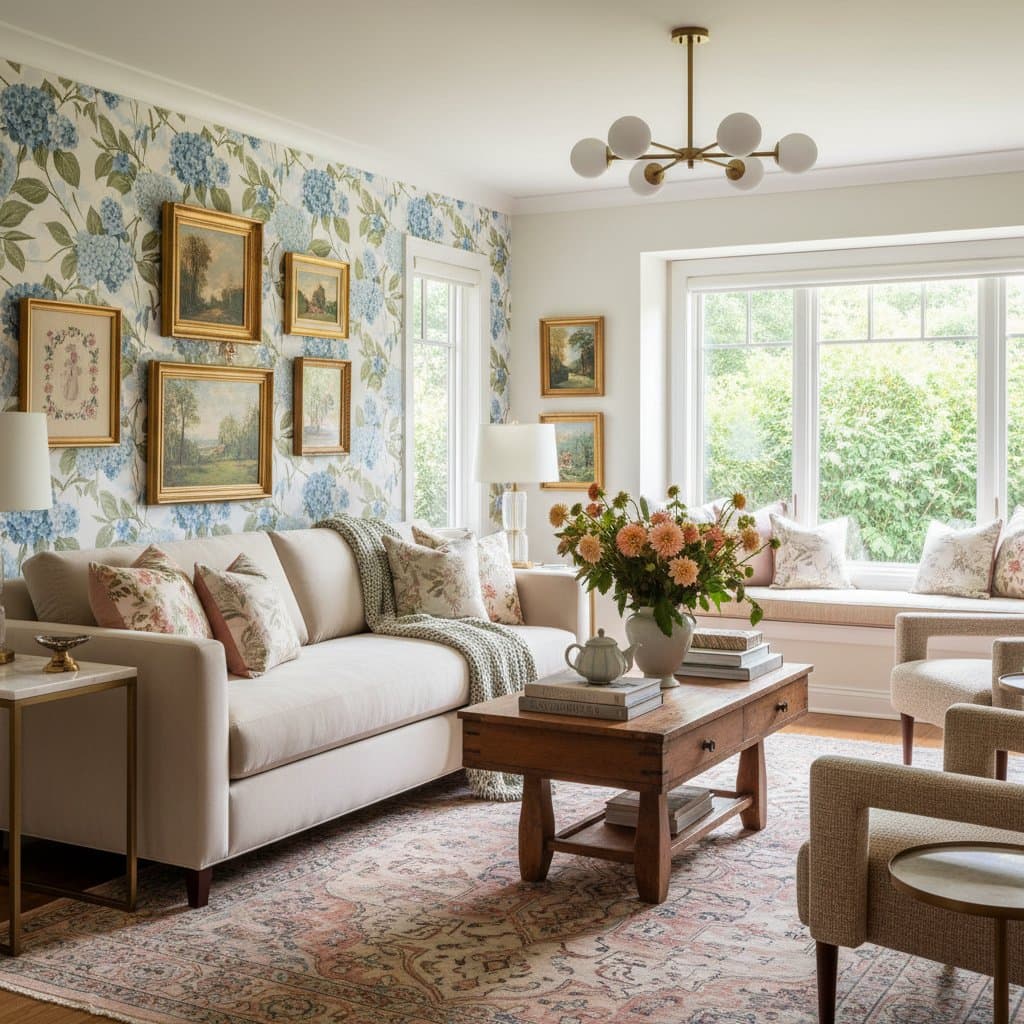
The Grandmillennial Trend: Why 2026 Buyers Prefer Cozy Homes
Buyers in 2026 seek warmth, comfort, and character in their living spaces. The grandmillennial trend revives traditional design elements with contemporary updates. Consider soft floral patterns, layered textures, and furniture that evokes heirloom quality rather than mass-produced items.
Defining Grandmillennial Design
Grandmillennial design honors elements once considered outdated. It combines classic decor with streamlined modern features. This approach emphasizes personal comfort over mere nostalgia. Unlike minimalism, which often leaves rooms stark, grandmillennial style infuses vitality and depth.
Expect to find chintz fabrics, pleated lampshades, fringe details, and needlepoint accents. These pair with refreshed palettes, sleeker furniture silhouettes, and enhanced illumination. The result blends the familiarity of a grandmother's parlor with the polish of a high-end boutique hotel.
Reasons Buyers Favor Cozy Over Minimalist
Minimalism delivers serenity but can appear sterile. Homeowners increasingly desire spaces that reflect daily life. They pursue warmth, vibrant hues, and a sense of heritage. Grandmillennial design achieves this without excess disarray.
Buyers specifically request:
- Character. Features such as crown molding, built-in bookcases, and hardwood flooring add distinctive appeal.
- Texture. Materials like velvet, linen, rattan, and brass create multidimensional environments.
- Sentiment. Incorporating family photographs, heirlooms, and antiques conveys narrative depth.
- Comfort. Plush upholstered seating and diffused lighting foster welcoming atmospheres.
This transition stems from emotional needs as well as aesthetic preferences. Individuals seek residences that embrace rather than merely showcase.
Essential Components of Grandmillennial Style
Pattern Integration
Floral wallpapers, striped draperies, and motifs on rugs coexist harmoniously. Maintain equilibrium by selecting a dominant pattern and repeating its tones in subtler motifs.
Classic Furniture Selection
Opt for items featuring curved forms, turned legs, and intricate carvings to instill personality. Integrate them alongside unadorned contemporary pieces to prevent an overly ponderous feel.
Personal Decor Choices
Assemble collections, frame artwork, and showcase cherished keepsakes to personalize the interior. Grandmillennial aesthetics prioritize uniqueness over flawless uniformity.
Ambient Lighting Layers
Multiple light sources prove crucial. Employ table lamps, wall sconces, and diffused ceiling fixtures to produce a soothing radiance.
Harmonious Color Schemes
Neutral bases ground the room, complemented by muted blues, greens, and pinks for tranquility. Accents in brass or lacquered finishes inject vitality.
Implementing Grandmillennial Design
Implementation Guide
- Establish the Base. Retain neutral walls with bold furnishings, or introduce patterned wallpaper and curtains with subdued furniture.
- Incorporate Textures. Introduce velvet cushions, knitted throws, and rattan accessories. Each addition enhances tactile warmth.
- Blend Eras. Source accent chairs, mirrors, or end tables from vintage markets. Complement them with current lighting or artwork.
- Introduce Softness. Install drapes, area rugs, and bolsters to absorb sound and anchor the space.
- Emphasize Individuality. Exhibit literature, inherited items, or artisanal pieces. Such elements capture the essence of grandmillennial distinction.
Required Supplies
- Paint rollers and brushes
- Wallpaper adhesive and smoothing tool
- Fabric samples
- Upholstery stapler
- Lamp modification kit
- Measuring tape and spirit level
Acquire items gradually. Initiate with modest changes and expand progressively.
Expense Breakdown
| Task | Estimated Cost | Influencing Factors |
|---|---|---|
| Wallpapering a room | $400–$1,200 | Wallpaper grade, surface preparation |
| Chair reupholstery | $300–$700 | Material selection, padding renewal |
| Vintage acquisitions | $100–$1,000 | Item scarcity, refurbishment demands |
| Lighting enhancements | $150–$800 | Design complexity, wiring requirements |
| Complete room overhaul | $2,000–$8,000 | Project extent, supplies, professional fees |
Costs fluctuate by location. Self-directed efforts lower labor expenses, though material and fixture quality significantly impact the total.
Project Timeline
Refreshing one room typically requires one to three weekends. Applying wallpaper extends the process by one or two days for curing. Reupholstering or restoring antiques might span several weeks. Phased execution aids in controlling schedule and finances.
Efficiency hinges on existing inventory. If traditional furnishings already reside in the home, fabric renewals and fixture swaps proceed swiftly.
Self-Directed Versus Professional Assistance
Pursue DIY when:
- Proficiency exists in painting or wallpaper application.
- Sourcing pre-owned items brings enjoyment.
- Tolerance for meticulous tasks prevails.
Engage professionals when:
- Wiring or structural alterations arise.
- Upholstery demands exceed basic slipcovers.
- Expert guidance on pattern harmony and spatial balance is desired.
Professionals avert aesthetic overload. Certified electricians handle fixture installations. Obtain necessary permits for any electrical or structural adjustments.
Adaptations by Region
Grandmillennial elements adjust readily to varied environments. In high-humidity zones, select mold-resistant textiles and coverings. Colder climates benefit from substantial curtains and multi-layered floorcoverings for insulation. Residences in fire-prone or storm-vulnerable areas must verify that placements and materials comply with safety regulations.
Properties in preserved districts face potential aesthetic constraints. Review municipal rules prior to altering exterior hues or trim.
Alignment with Contemporary Buyer Needs
Grandmillennial design resonates through its personal, sustainable, and accessible nature. It promotes repurposing and handmade quality. Younger purchasers frequently receive family pieces or acquire used goods, promoting fiscal prudence and environmental responsibility.
This style suits current lifestyles. Remote work demands areas that soothe while supporting productivity. A comfortable armchair, displayed illustrations, and tiered illumination enhance concentration and well-being. The dwelling evolves into a sanctuary beyond mere setting.
Harmonizing Vintage and Modern
Success relies on moderation. Excessive motifs or embellishments risk chaos. Temper vibrant textiles with serene walls. Limit metallic tones to a single variety per area. Introduce contemporary visuals to soften rigidity. Exemplary grandmillennial interiors appear curated organically rather than contrived.
| Challenge | Solution | Benefit |
|---|---|---|
| Overabundant patterns | Introduce plain fabrics | Provides visual respite |
| Excessive formality | Incorporate current lights or art | Alleviates rigidity |
| Insufficient coziness | Layer textiles and add lamps | Builds dimensional warmth |
| Dated antique pieces | Restore or recover upholstery | Preserves essence while updating |
Practical Safety and Upkeep Advice
Disconnect electricity prior to fixture modifications. Employ secure ladders for installing drapes or papers. Ensure ventilation during painting or adhesive applications. Protect antique wood from moisture and intense light exposure. Secure rugs with non-slip underlays to minimize fall risks.
Consistent cleaning and textile maintenance prolong durability. Annual light oil applications benefit many legacy wooden surfaces.
Expert Recommendations
- Sample in Context. Attach textile samples to furnishings for several days. Observe variations under shifting illumination.
- Curate by Theme. Arrange items by shared narrative, such as literature or pottery, rather than hue alone.
- Consider Scale. Allow clearance around substantial pieces. Compact areas gain from pale timbers or transparent accents.
- Embrace Adaptability. Prioritize ease over rigid conventions. Cherished items inherently suit the space.
Realizing the Vision
Commence in a single area. Select a foundational element, such as a patterned armchair or heritage fixture. Surround it with fresh accents and tactile layers. Aim to evoke the spirit of tradition without literal replication.
Grandmillennial design encourages mindful habitation and appreciation. It honors ease, recollection, and artisanship. As preferences lean toward humane environments, this approach integrates seamlessly. Coziness endures as a timeless pursuit.
Frequently Asked Questions
What defines a grandmillennial interior?
A fusion of heritage decor, multifaceted textures, and present-day refinements that yield warmth and uniqueness.