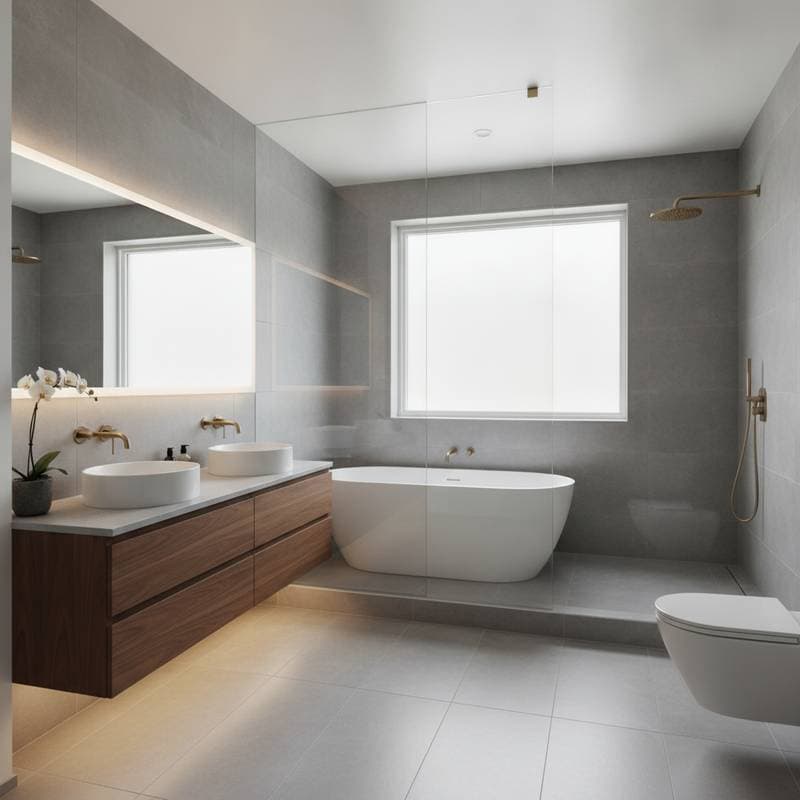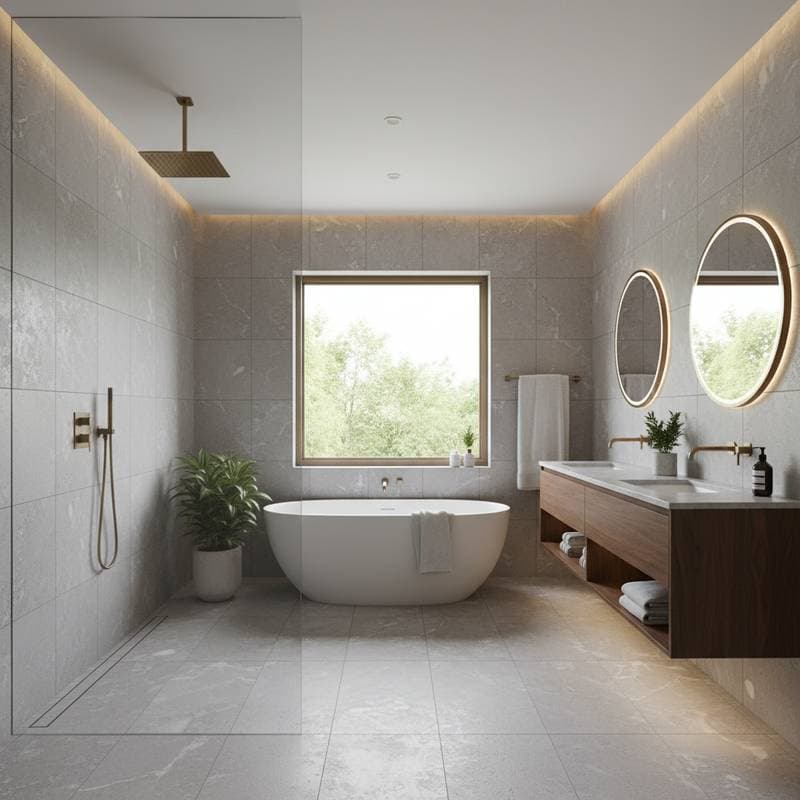
Introduction to Wet Rooms and Home Value
Wet rooms represent a modern approach to bathroom design, featuring open, fully waterproofed spaces without traditional enclosures. These installations combine luxury with practicality, offering barrier-free access and easy maintenance. Projections indicate that adding a wet room will increase home values by 11 percent in 2026, driven by demand for accessible and sustainable features.
Homeowners benefit from improved resale potential, as buyers seek spaces that support aging in place and reduce upkeep. This guide details the costs, planning steps, and long-term advantages to help you decide if a wet room suits your property.
Cost Breakdown
Understanding expenses ensures realistic budgeting for a wet room project. Factors include materials, labor, and site-specific adjustments. Total costs typically range from $10,000 to $25,000 for a standard 100-square-foot space, depending on quality and complexity.
1. Materials
Select durable, waterproof options to withstand constant moisture. Large-format porcelain tiles cost $5 to $15 per square foot, while waterproof membranes run $2 to $4 per square foot. Premium features like heated floors add $1,000 to $3,000, and linear drains range from $200 to $500 each.
Choose slip-resistant tiles for safety, and opt for low-VOC sealants to promote indoor air quality. Bulk purchasing reduces costs by 10 to 15 percent on tiles and grout.
2. Labor
Licensed installers charge $60 to $120 per hour. Labor accounts for 40 to 50 percent of the total project cost, given the need for precise waterproofing and slope creation.
Experienced teams complete the work in 5 to 10 days, minimizing disruption. Verify contractor certifications in waterproofing to avoid costly errors.
3. Size and Layout
Larger bathrooms require more tiles and preparation, increasing expenses by $50 to $100 per square foot. Compact areas cost less but often demand custom drainage solutions or subfloor adjustments for proper sloping.
Measure your space accurately to estimate needs. Consult a designer for layouts that maximize openness without compromising flow.
4. Access and Plumbing
In older homes, concrete subfloors or outdated galvanized pipes may require rework costing $1,500 to $3,000. Upgrading to PEX piping improves efficiency and longevity.
Assess your plumbing early to identify relocation needs. Professional plumbers ensure compliance with local codes.
5. Permits and Inspection
Most municipalities mandate plumbing permits and waterproofing inspections. Allocate $250 to $500 for fees, plus time for scheduling delays.
Submit plans in advance to streamline approval. Inspections confirm the membrane's integrity before tiling proceeds.
6. Disposal and Preparation
Demolishing existing tubs, tiles, and drywall incurs $500 to $1,200 in fees. Add 10 percent to your budget for unexpected damage revealed during demolition.
Hire licensed haulers for safe waste removal. Protect adjacent areas with plastic sheeting to contain dust and debris.
DIY Versus Professional Installation
Wet rooms demand specialized skills, particularly in waterproofing. Evaluate your expertise to determine the best approach.
Tasks Suitable for DIY
- Handle demolition, surface cleaning, and painting of nearby walls.
- Install shower accessories, shelving, or non-structural elements.
- Perform minor tiling on dry walls if you possess tiling experience.
These steps allow cost savings of $500 to $1,000 while building familiarity with the project.
Tasks Requiring Professionals
- Apply waterproofing membranes and create precise floor slopes.
- Install drains connected to existing plumbing systems.
- Conduct electrical modifications for lighting, heating, or ventilation.
A single oversight in sealing can lead to water damage costing thousands in repairs. Advanced skills suffice for finishes, but structural and plumbing work necessitates certified experts.
Essential Tools
Gather a wet saw for precise cuts, a laser level for slopes, a waterproof membrane roller, trowels, and full safety gear including respirators and gloves.
Project Timing and Cost-Saving Strategies
Efficient planning prevents delays and controls expenses. Account for material lead times and contractor availability.
Managing Lead Times
Specialty drains and oversized tiles may arrive in 2 to 4 weeks. Waterproofing specialists often schedule a month in advance. Reserve at least one week for post-membrane inspections.
Order materials early and confirm delivery dates. Build flexibility into your timeline to accommodate setbacks.
Seasonal Considerations
Material prices dip in late summer as demand eases. Labor rates remain steady due to the specialized nature of the work.
Schedule during off-peak months for potential savings on supplies. Avoid winter starts in cold climates to prevent material issues.
Incentives for Efficiency
Certain areas provide rebates for water-efficient shower valves and low-flow fixtures. Research local utility programs prior to purchasing.
Incorporate energy-saving elements like LED lighting to qualify for additional incentives.
Budget Optimization Tips
- Reuse compatible fixtures to align with the new design.
- Purchase surplus tiles upfront for future maintenance or matching.
- Reserve 10 to 15 percent extra for discoveries in older structures.
These practices keep projects on track and within financial limits.
Ongoing Maintenance and Warranty Essentials
Proper care extends the lifespan of your wet room and preserves its value.
Daily and Periodic Upkeep
Wipe walls after use to prevent mildew buildup. Clean grout lines every few weeks using a non-acidic solution. Reapply grout sealer every two to three years, and inspect seals annually.
Establish a routine to maintain hygiene and appearance. Use soft cloths to avoid scratching surfaces.
Common Early Failure Points
Grout near drains deteriorates without adequate sealing. Floor slopes may shift if the subfloor flexes. Non-moisture-rated fans or lights fail prematurely in humid conditions.
Address these proactively to avoid major repairs.
Strategies for Durability
Maintain humidity below 60 percent using a high-quality exhaust fan. Apply silicone grout at expansion joints. Check for leaks in neighboring rooms biannually.
Invest in dehumidifiers for high-moisture areas.
Warranty Details
Certified installations qualify for 10-year limited warranties on tiles and membranes. DIY efforts often invalidate coverage. Retain receipts and installation photos as documentation.
Select products from reputable manufacturers for robust protection.
2026 Market Trends and Value Drivers
In 2026, homebuyers emphasize universal design and seamless access, particularly in premium segments. Wet rooms deliver these elements while enhancing spatial flow. Real estate professionals note heightened interest during viewings for properties featuring contemporary, obstacle-free bathrooms.
The 11 percent value increase stems from functional and aesthetic merits. A quality wet room demonstrates superior construction and space utilization. It supports eco-friendly practices by eliminating partitions and heavy enclosures.
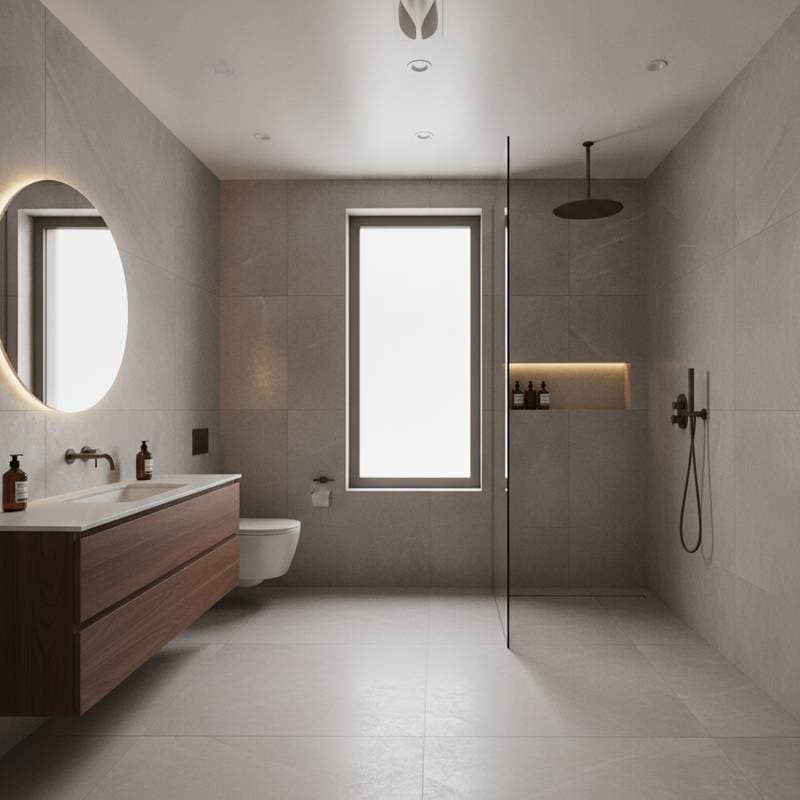
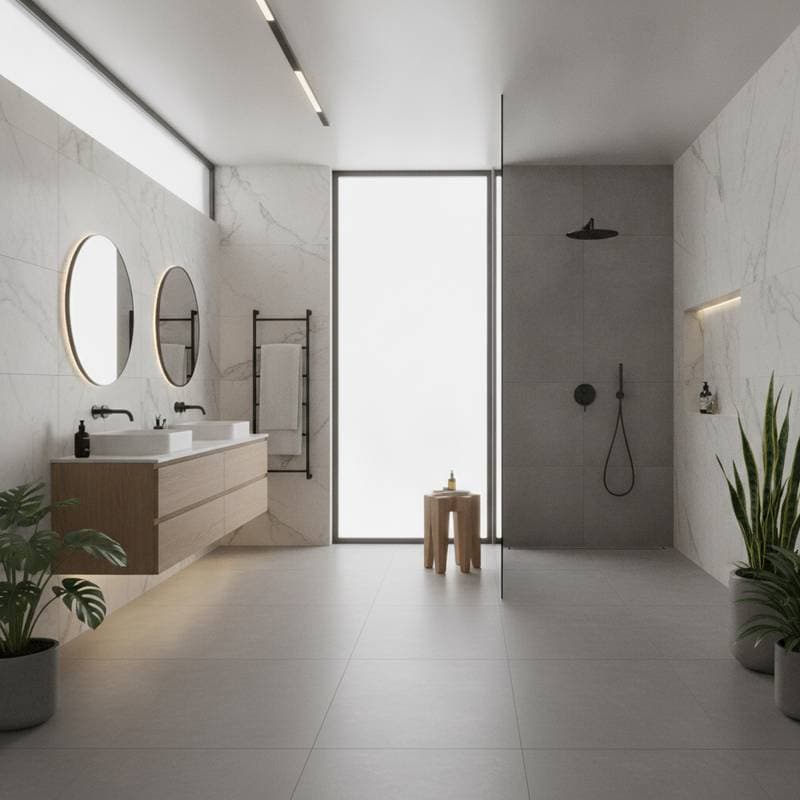
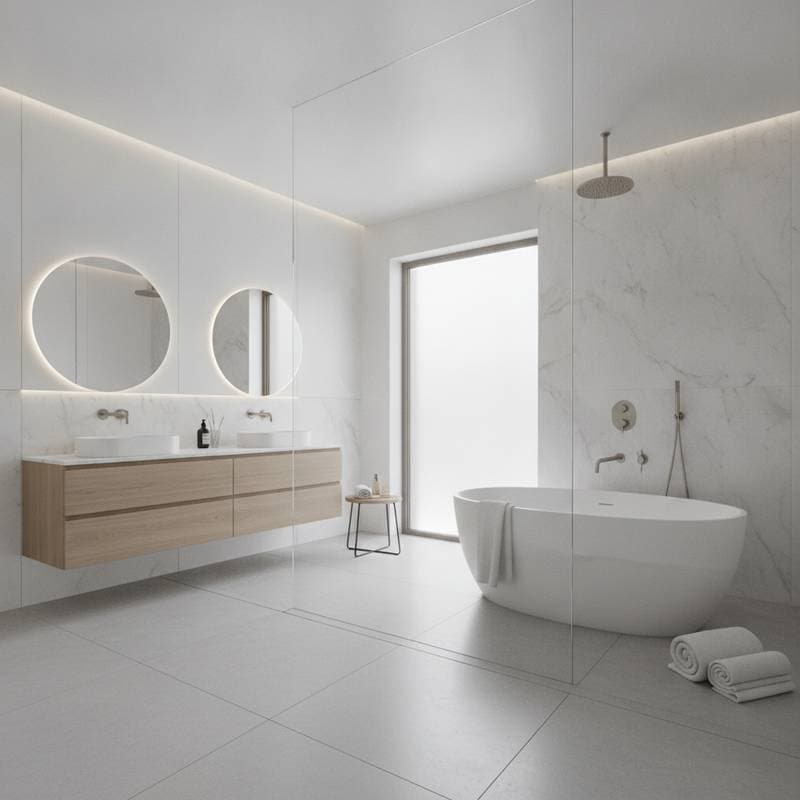
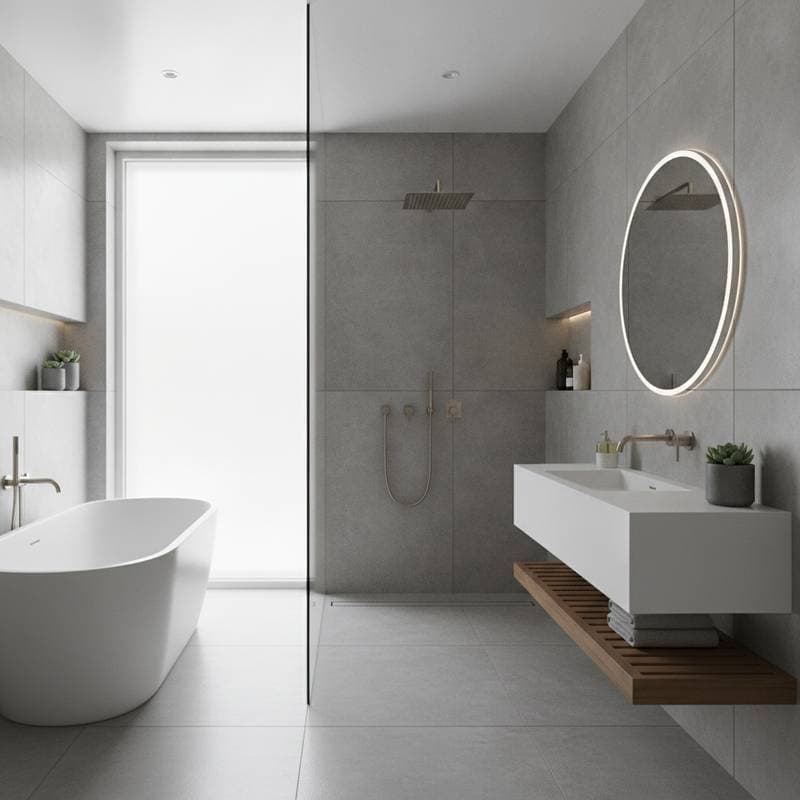
Preferred materials include large-format porcelain tiles for their grip and ease of cleaning. Trends favor stone-inspired patterns and textured finishes, paired with linear drains for quick drainage. Glass partitions continue to define open shower zones.
Steps to Implement Your Wet Room
Begin by measuring your bathroom and identifying reusable plumbing locations. Obtain three quotes from contractors certified in waterproofing. Request portfolios of past projects and full warranty information from each.
For tighter budgets, prioritize the floor system and drain upgrades, deferring aesthetic enhancements. Verify slope and membrane performance through a flood test prior to tiling. Neglecting this invites future expenses.
Anticipate 3 to 6 weeks for the entire process, encompassing design, approvals, and execution. The investment yields a more spacious, efficient bathroom that elevates daily comfort and attracts discerning buyers.
Wet rooms transcend fleeting styles, providing enduring accessibility and resilience. Through meticulous preparation, clear financial planning, and targeted professional input, you create a contemporary haven poised for sustained appeal.