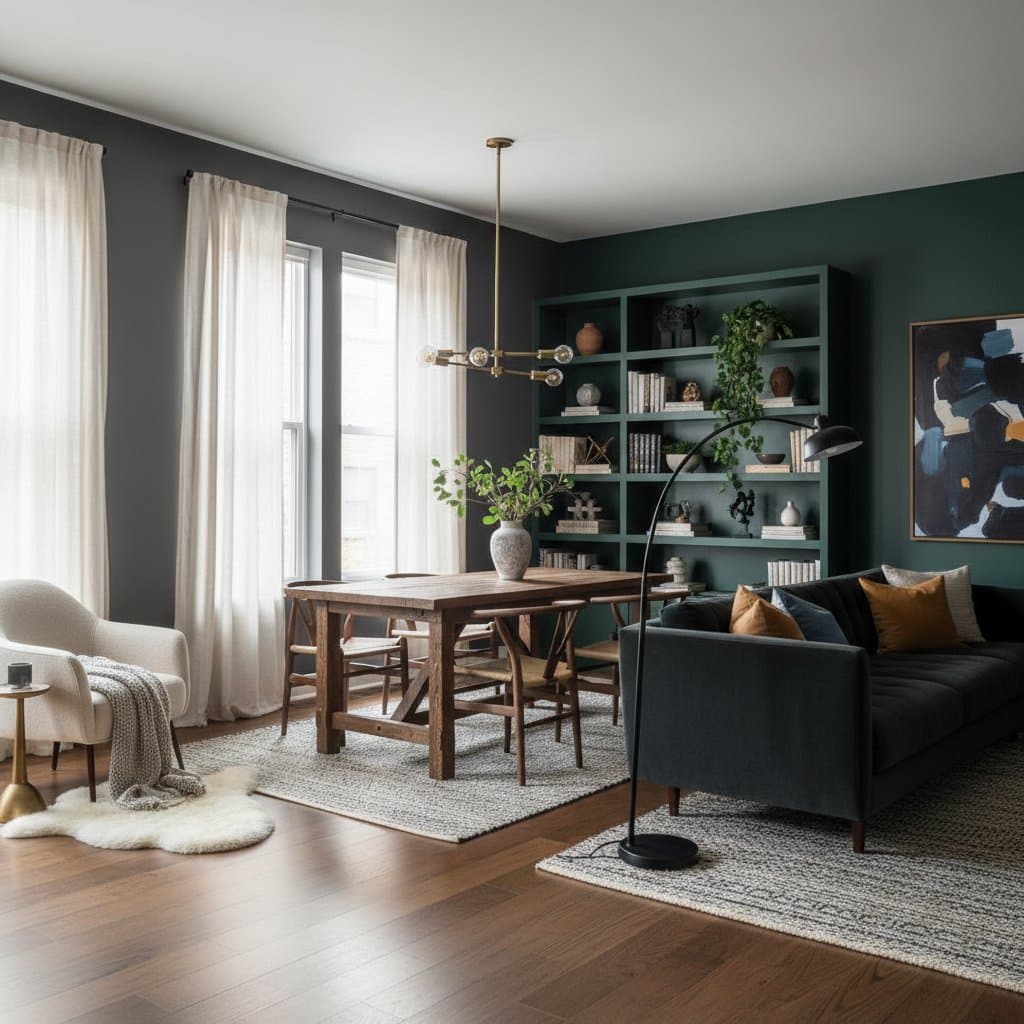
Moody Colors: The 2026 Trend Accelerating Home Sales
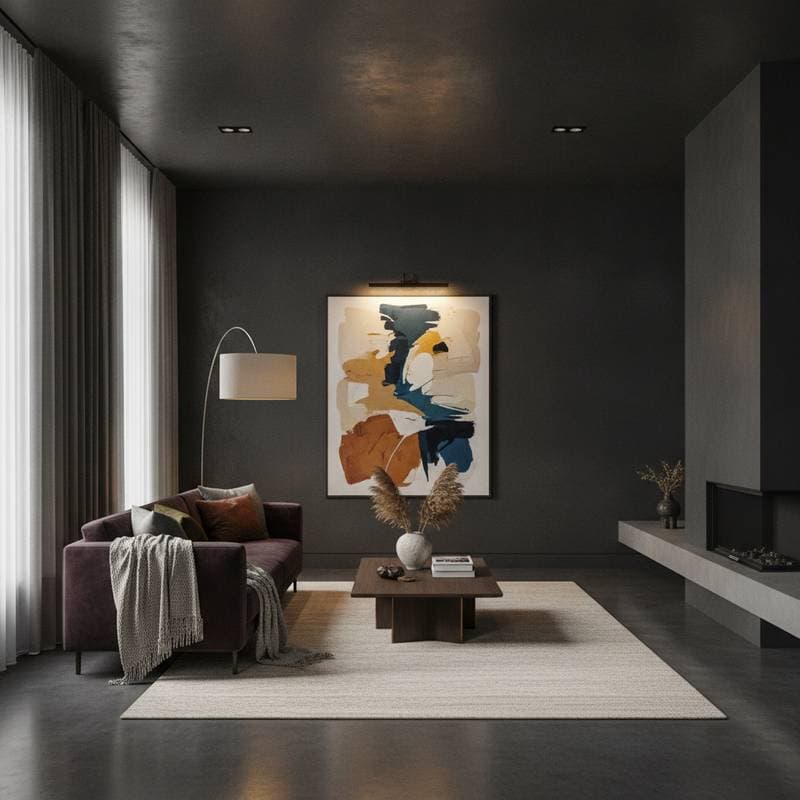
Homes featuring dark, moody interiors in primary living spaces sell three to five percent faster on average.
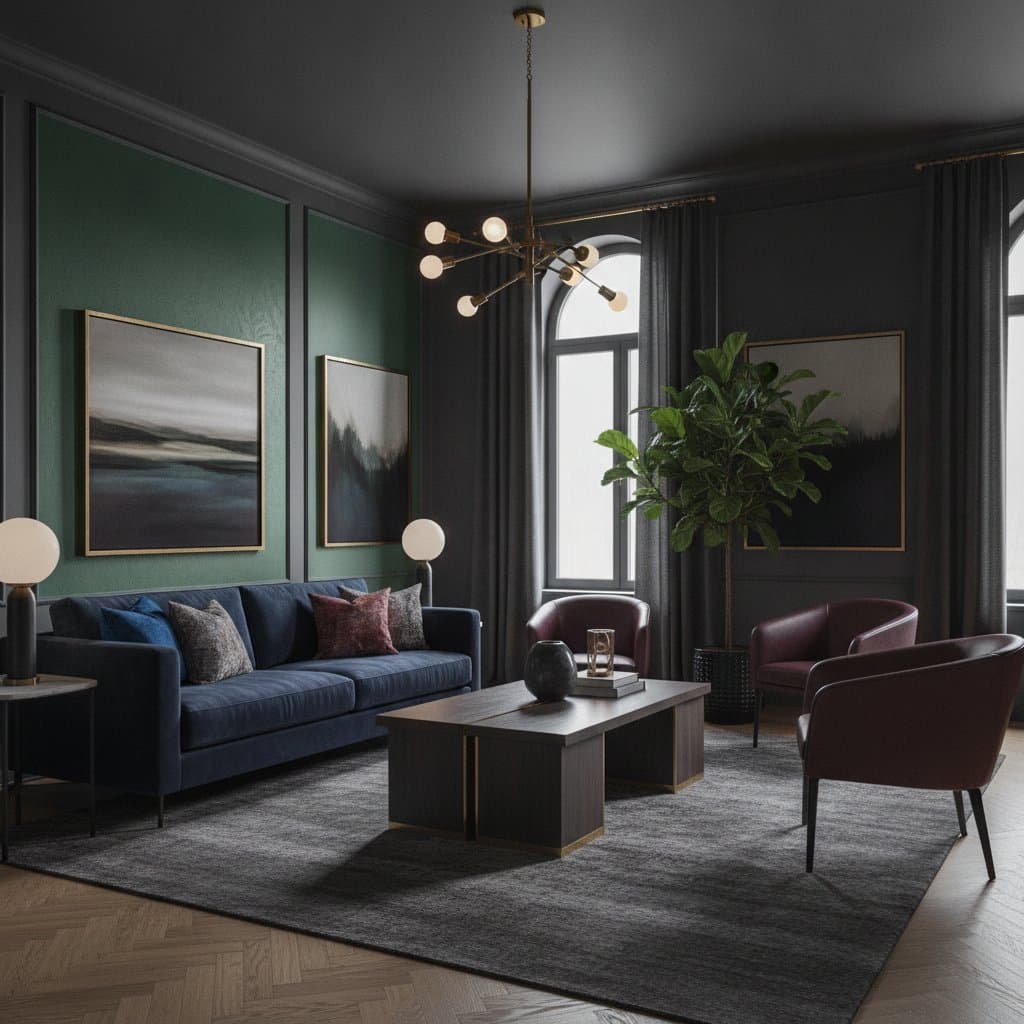
Homebuyers increasingly favor deep, dramatic hues. Properties staged with colors such as charcoal gray, midnight blue, and forest green reach closing stages more rapidly, often without requiring price reductions. These palettes convey assurance, coziness, and contemporary elegance, while capturing attention effectively in online listings and professional photography.
The resurgence of moody colors stems from a desire for personalized, immersive spaces that stand out in competitive markets. In 2026, experts predict these tones will dominate staging strategies, as they create emotional connections with buyers seeking character over neutral backdrops. Select rooms like living areas or dining spaces benefit most, where the colors enhance natural light and furniture arrangements.
Key Cost Considerations
Materials for dark interior painting remain affordable, yet preparation and complementary adjustments influence the overall expense. The following elements typically shape the budget:
- Paint selection: Opt for high-quality, low-sheen or matte formulations that minimize fingerprints and conceal application imperfections. Prices range from $45 to $90 per gallon.
- Preparation of surfaces: Dark shades accentuate imperfections, necessitating repairs that cost $1 to $3 per square foot.
- Professional labor: Experienced painters apply dark colors at $2 to $5 per square foot, accounting for additional coats compared to lighter shades.
- Lighting enhancements: Incorporating sconces, dimmer switches, or warm-toned bulbs involves expenses of $150 to $800, based on fixture types and any required wiring.
- Contrasting trim and ceilings: Lighter ceilings or accent breaks require approximately 20 percent more paint.
Allocate an additional 10 to 15 percent of the budget for post-application touch-ups and evaluations under various lighting conditions. For a standard 12-by-12-foot room, total costs might span $300 to $800 for DIY efforts or $800 to $1,500 with professional assistance.
DIY Painting Versus Professional Services
Ideal Scenarios for DIY
Consider handling the project personally under these conditions:
- Walls present a smooth finish, adequate lighting exists, and time allows for applying three thin coats.
- Essential tools such as premium rollers, extension poles, and high-adhesion painter's tape are available.
- Safe management of ladders and furniture relocation occurs without risk of injury or damage.
Potential challenges: Dark paints amplify visible streaks, overlaps, or uneven application. Improper drying may lead to shiny inconsistencies, and skipping sanding or priming steps results in prominent flaws over time. Test small areas first to assess coverage and adhesion.
Reasons to Engage Professionals
Hire experts when:
- Multiple rooms, ceilings, or surfaces with texture require attention.
- Flawless, camera-optimized results are essential for marketing materials.
- The sale timeline demands efficient completion.
Professional teams finish a two-room job in three to four days, encompassing thorough preparation and cleanup. Although costs rise, the superior finish quality and longevity often offset the investment, particularly for high-stakes listings.
Upkeep and Warranty Details
Dark paints demand gentle care to preserve vibrancy and integrity. Adopt these practices for extended durability:
- Clean with soft, slightly damp microfiber cloths.
- Refrain from aggressive scrubbing on matte finishes.
- Maintain moderate indoor humidity levels to avoid peeling or bubbling.
- Annually refresh corners and areas prone to contact.
Reputable paint products guarantee durability for seven to ten years, with faster wear possible in high-traffic zones like kitchens or entryways. Verify if the manufacturer offers a warranty covering color fading, which some extend up to five years with proper application.
Regular inspections help identify issues early. For instance, in sunny exposures, UV-resistant formulas prevent premature discoloration, ensuring the investment supports long-term appeal.
Essential Safety and Regulatory Guidelines
Adhere to these protocols prior to starting any painting task:
- Deactivate electricity at the main breaker before detaching fixtures or plates.
- Ensure strong ventilation when applying oil-based primers or potent cleaning agents.
- Don gloves, protective eyewear, and a respirator mask for sanding or spraying activities.
- Research and comply with community regulations for paint disposal, as certain locales mandate delivery to designated facilities due to hazardous components.
- Position ladders on stable, level surfaces and avoid reaching beyond safe limits.
Interior painting itself requires no permits, though modifications to electrical systems or structural elements for lighting or cabinetry might necessitate inspections to meet building codes.
Important Trade-Offs
- Light management: Dark surfaces absorb illumination, potentially requiring supplemental sources. Budget $100 to $300 for additional bulbs, lamps, or fixtures to maintain brightness.
- Spatial illusion: In compact rooms, uniform dark walls and ceilings can diminish perceived size. Employ lighter ceiling colors to preserve a sense of verticality and openness.
- Repair ease: Scratches appear more noticeable on matte dark paints. Store a labeled container of excess paint for seamless spot corrections.
- Thermal perception: These hues impart a warmer visual tone without altering room temperature. However, they absorb sunlight, which may subtly increase wall surface heat in directly exposed areas.
Balancing these factors ensures the aesthetic enhances rather than hinders functionality. Consult lighting designers for rooms with limited natural light to optimize outcomes.
Ensuring Longevity and Maximizing Resale
While moody colors align with current preferences, moderation preserves broad marketability. Properties with harmonious color schemes outperform those overwhelmed by intense shades throughout. Restrict dark applications to 30 to 40 percent of wall surfaces, focusing on focal areas for impact.
This approach not only accelerates sales but also future-proofs the interior against shifting tastes. Neutral bases paired with moody accents allow easy personalization by new owners, supporting sustained value appreciation.
Actionable Steps Forward
- Select a pilot space. Begin with a single room to evaluate how colors interact with existing light and furnishings.
- Collect and test samples. Apply two-foot swatches of three shade variations per wall to observe changes throughout the day.
- Establish a detailed budget. Account for paint, supplies, preparation materials, and a 10 percent buffer for unforeseen needs.
- Choose your approach. Delegate to professionals for precision and speed if time constraints apply.
- Book services promptly. Painters and photographers fill schedules quickly in peak periods, so reserve slots early.
- Incorporate balancing elements. Pair dark walls with pale upholstery, metallic details, or vibrant plants to create inviting contrast.
Properties executed with thoughtful moody color integration, professional execution, and strategic lighting sell more swiftly and showcase compellingly in visuals. Through careful planning in preparation, maintenance, and complementary design, homeowners gain a sophisticated, buyer-attracting space that elevates both enjoyment and equity.