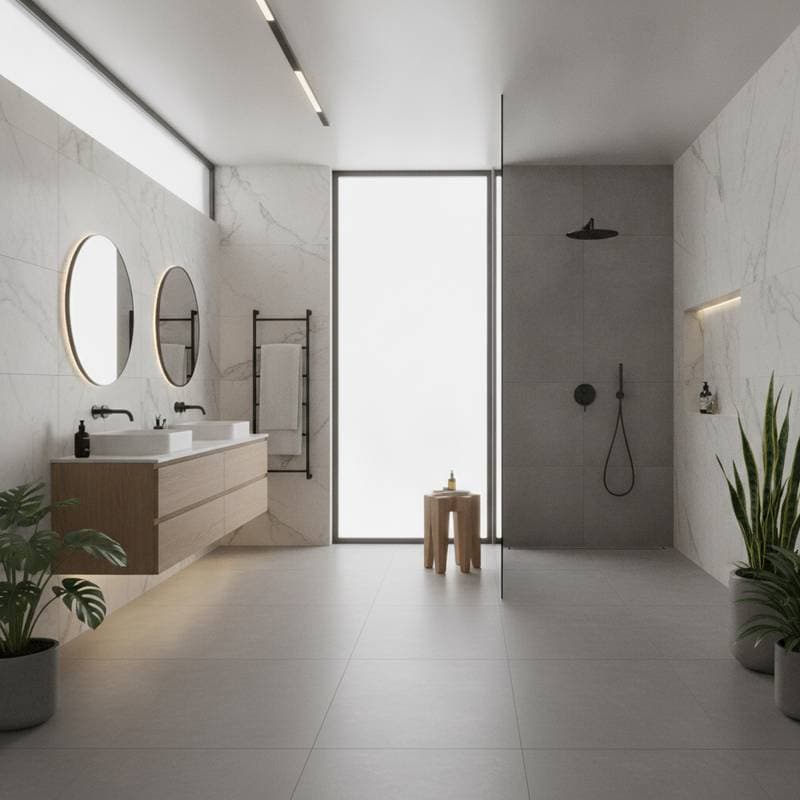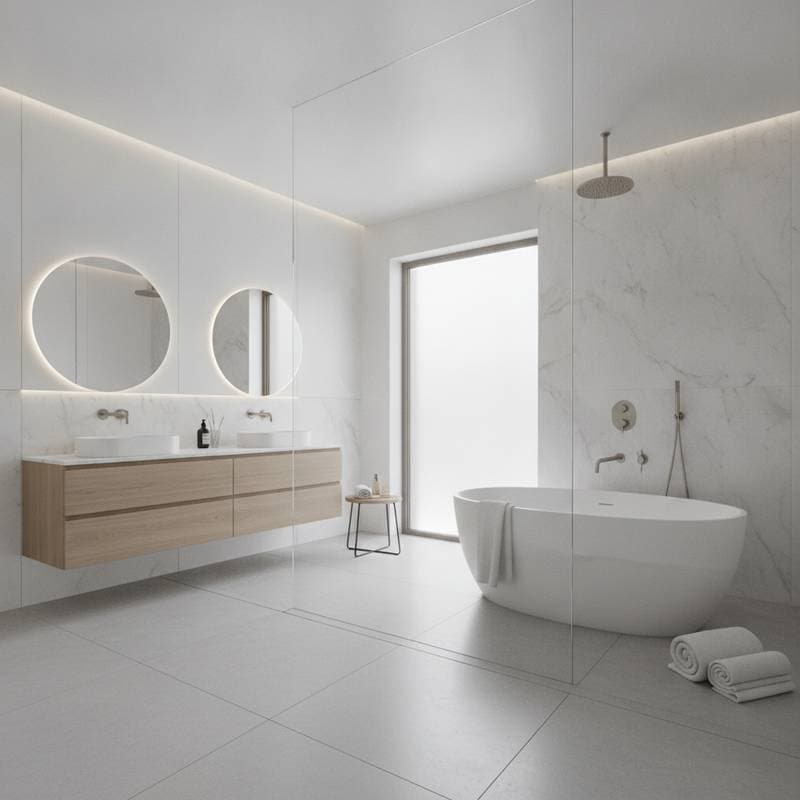
Converting Tubs to Wet Rooms: An 11% Value Increase Projected by 2026
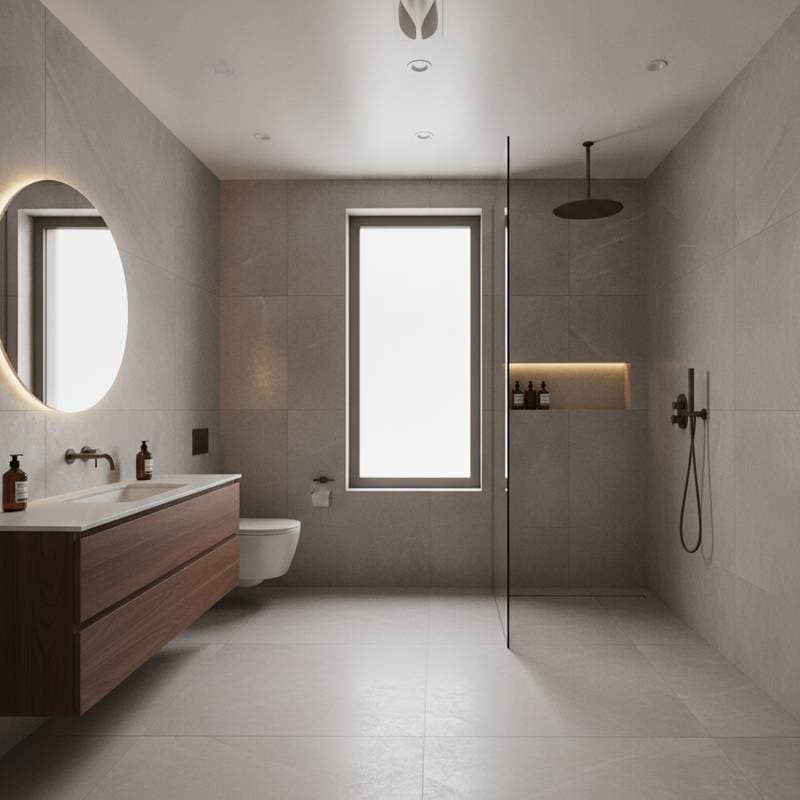
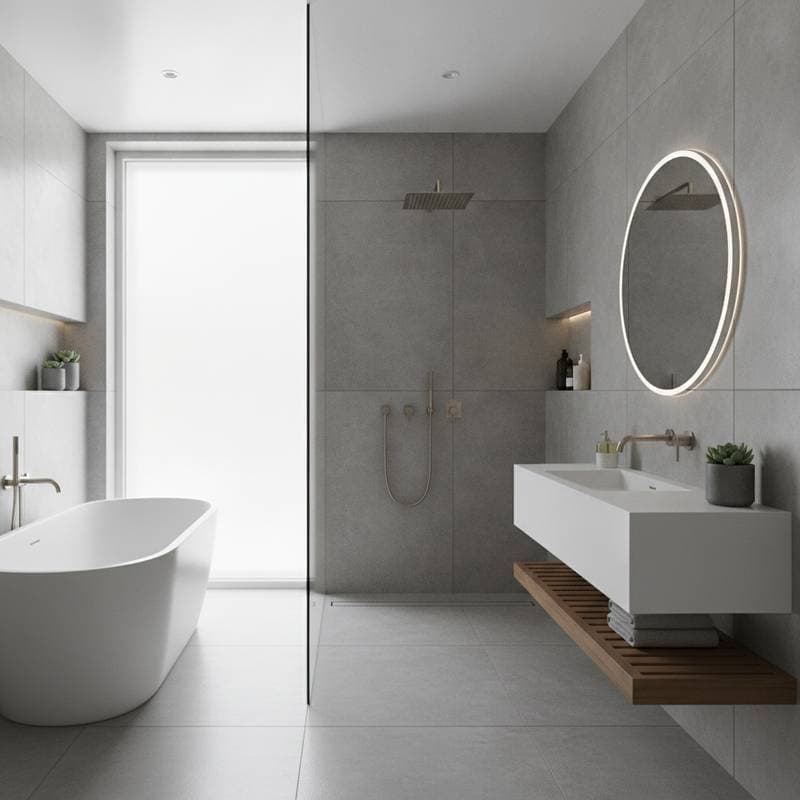
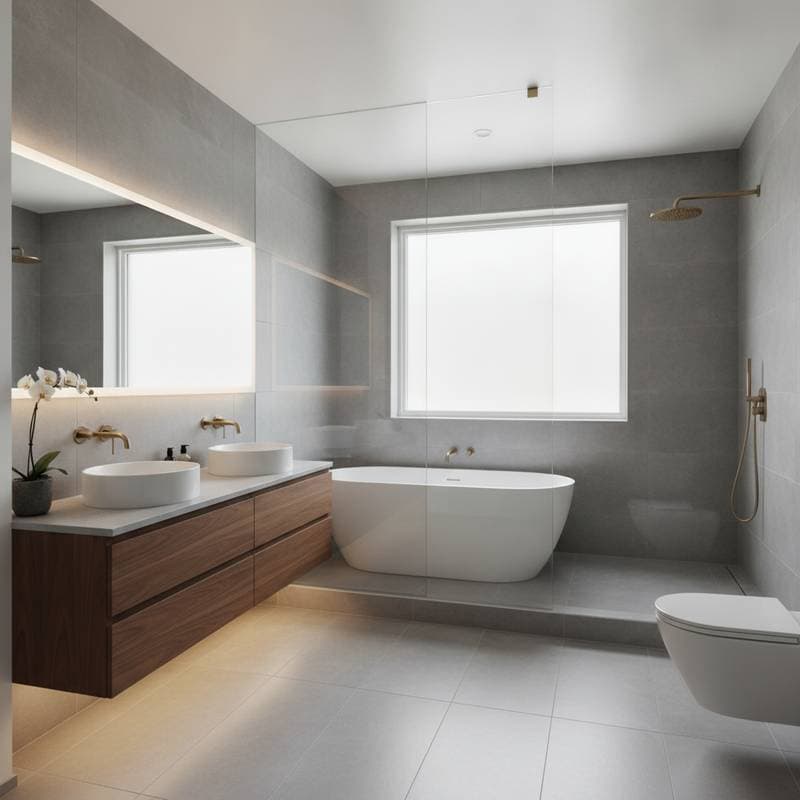
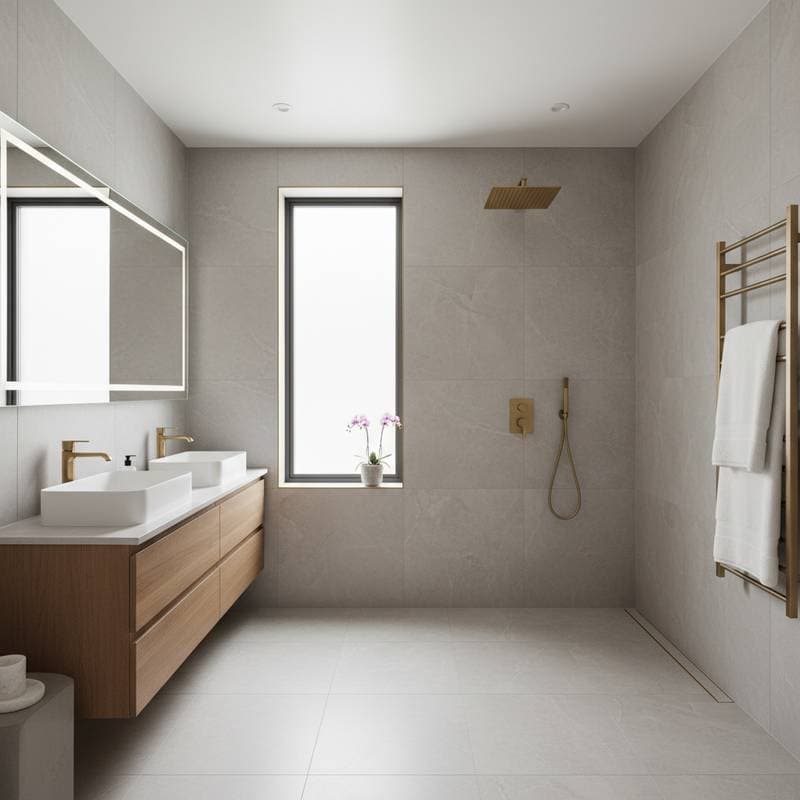
Market projections indicate that replacing a bathtub with a wet room could elevate home value by 11 percent by 2026. Homeowners increasingly opt for curbless shower designs that expand usable space and streamline daily routines. This evolution aligns with demands for barrier-free access, reduced upkeep, and minimalist aesthetics.
Wet rooms prove ideal for individuals intending to remain in their homes during later years, those renovating compact spaces, or sellers aiming to enhance market appeal. The design excels in delivering a spacious illusion and effortless cleaning, free from curbs or doors that harbor moisture.
Advantages and Drawbacks
Advantages
- Elevates resale potential by attracting buyers seeking contemporary features.
- Enhances accessibility through seamless, step-free entry.
- Simplifies cleaning with minimal seams and obstructions.
- Expands perceived space in confined bathroom areas.
- Promotes inclusive design suitable for diverse ages and mobility levels.
Drawbacks
- Involves elevated initial expenses compared to conventional shower installations.
- Demands meticulous waterproofing to avoid water intrusion.
- May convey a stark or exposed sensation without thoughtful warming elements.
- Potentially diminishes interest among buyers who value tubs for family bathing or relaxation.
Handling Installation: DIY or Professional?
Wet room transformations present significant complexity, involving plumbing adjustments, tiling precision, drainage slopes, and comprehensive waterproofing. Errors in execution often result in leaks that compromise subfloors and structural elements.
DIY suitability: Limited, suitable only for experienced individuals with advanced skills.
Duration: Professionals complete the work in five to ten days, with extensions for intricate configurations.
Essential tools: Tile cutter, waterproofing membrane kit, linear drain assembly, grout applicator, and precision level.
Primary hazards: Leakage issues, inadequate drainage, and failure to meet regulatory standards.
Engage a professional for projects requiring plumbing relocation, linear drain integration, or subfloor modifications to achieve proper slopes. Certified contractors guarantee accurate gradients, robust membrane application, and adherence to inspection protocols.
Upkeep and Durability
Properly constructed wet rooms endure for 25 years or longer. Employ a squeegee following each shower to minimize spotting. Conduct yearly examinations of grout lines and sealants. Reapply sealant to seams every few years to safeguard against moisture penetration. Monitor floor gradients periodically to verify effective water flow.
Tile products typically carry warranties of 10 to 15 years. Waterproofing membranes may offer lifetime protection when installed by qualified specialists. Verify warranty details for all components prior to project commencement.
Regional Considerations
Local weather influences selection of materials. In cooler climates, incorporate radiant underfloor heating to provide warmth and accelerate drying. Coastal environments necessitate corrosion-resistant hardware to withstand saline exposure.
Municipal regulations might mandate particular drain dimensions or ventilation requirements. Certain jurisdictions insist on pre-tiling waterproofing evaluations. Consult local authorities early to clarify demolition and compliance needs.
Installation fees fluctuate considerably. Metropolitan areas command 20 to 40 percent premiums for expert tiling and plumbing services. In rural settings, scarcity of specialists in curbless systems may prolong wait times for appointments.
Return on Investment and Market Appeal
Properties featuring wet rooms demonstrate rising valuations. Industry analyses associate such modifications with an average 11 percent appreciation, particularly in middle- to upper-tier markets. Prospective purchasers appreciate the expansive layout and updated style.
To optimize returns, select subdued tile colors, effective illumination, and straightforward arrangements. Steer clear of fleeting fashion trends in finishes that risk rapid obsolescence. A thoughtfully executed wet room draws buyers prioritizing ease of access and aesthetic refinement.
Prioritizing Safety in Design
Effective waterproofing forms the foundation of reliability. Install a seamless membrane compliant with ANSI A118.10 specifications for wet environments. Maintain a minimum slope of one-quarter inch per foot directing water to the drain, avoiding accumulation.
Opt for textured flooring tiles with proven slip resistance. Seek products certified under UL standards for non-slip performance.
When addressing plumbing or electrical components in moisture-prone zones, disconnect utilities beforehand. Retain licensed plumbers or electricians for rerouting tasks. Secure necessary permits to validate conformity with area codes.
Frequently Asked Questions
Is a wet room feasible in a compact bathroom?
Yes, these designs adapt to areas measuring as little as five by eight feet. Incorporate a solitary glass panel and wall-hung amenities to maximize efficiency.
Do wet rooms experience more leaks than traditional showers?
No, provided construction follows best practices. Comprehensive sealing and correct angling eliminate leak risks; issues arise solely from subpar workmanship.
Does eliminating a tub negatively impact resale?
This occurs rarely, typically in single-bathroom dwellings. With an additional tub available elsewhere, the switch generally heightens desirability.
What is the typical installation timeline?
Expert teams finish in one to two weeks, accounting for curing periods and regulatory reviews.
Steps to Launch Your Wet Room Project
Undertaking a bathtub-to-wet room upgrade requires deliberate preparation yet yields substantial benefits in usability and equity. Begin by assessing your bathroom dimensions and verifying drain positioning. Solicit estimates from at least three credentialed tiling and plumbing experts. Evaluate waterproofing options thoroughly prior to finalizing agreements.