Scandi-Western Fusion: 2026's Home Value Booster
Typical cost: $7,500 to $45,000, varying by project scale and material selections.
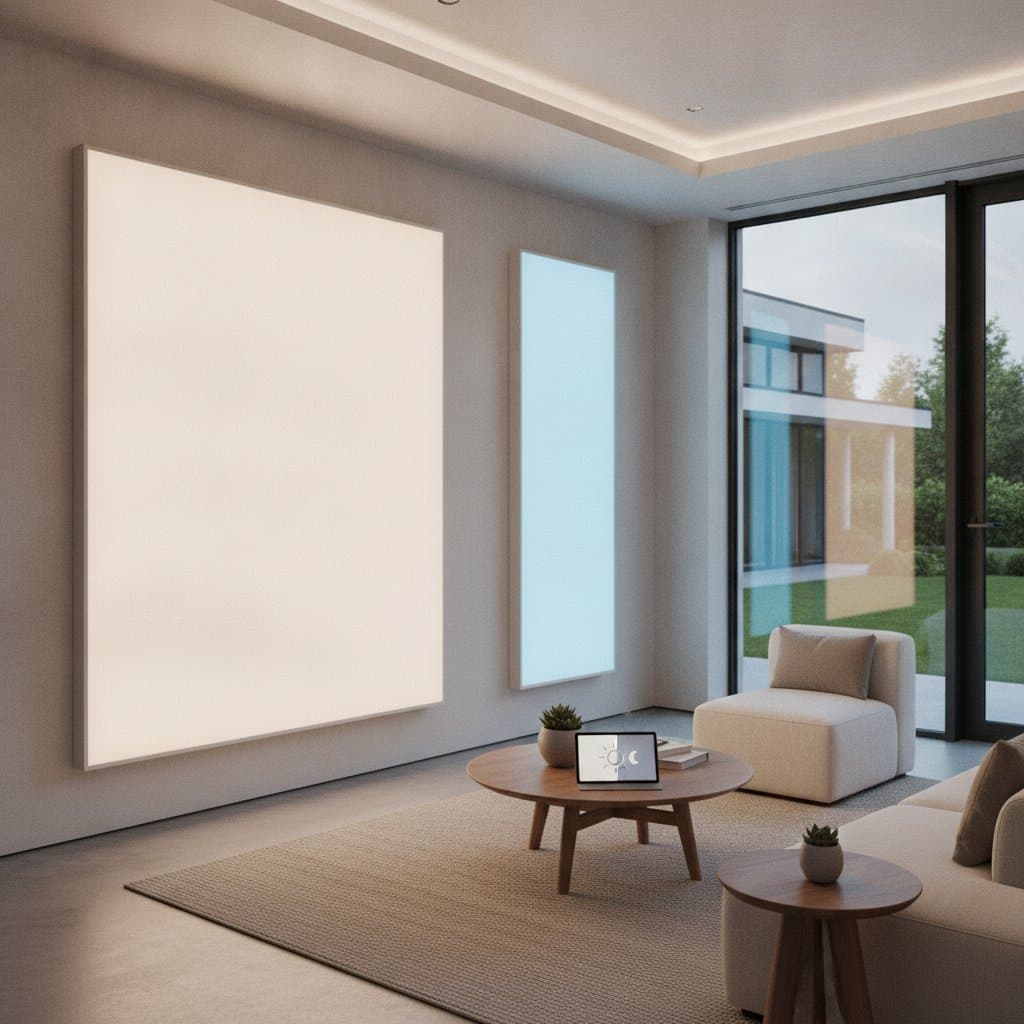
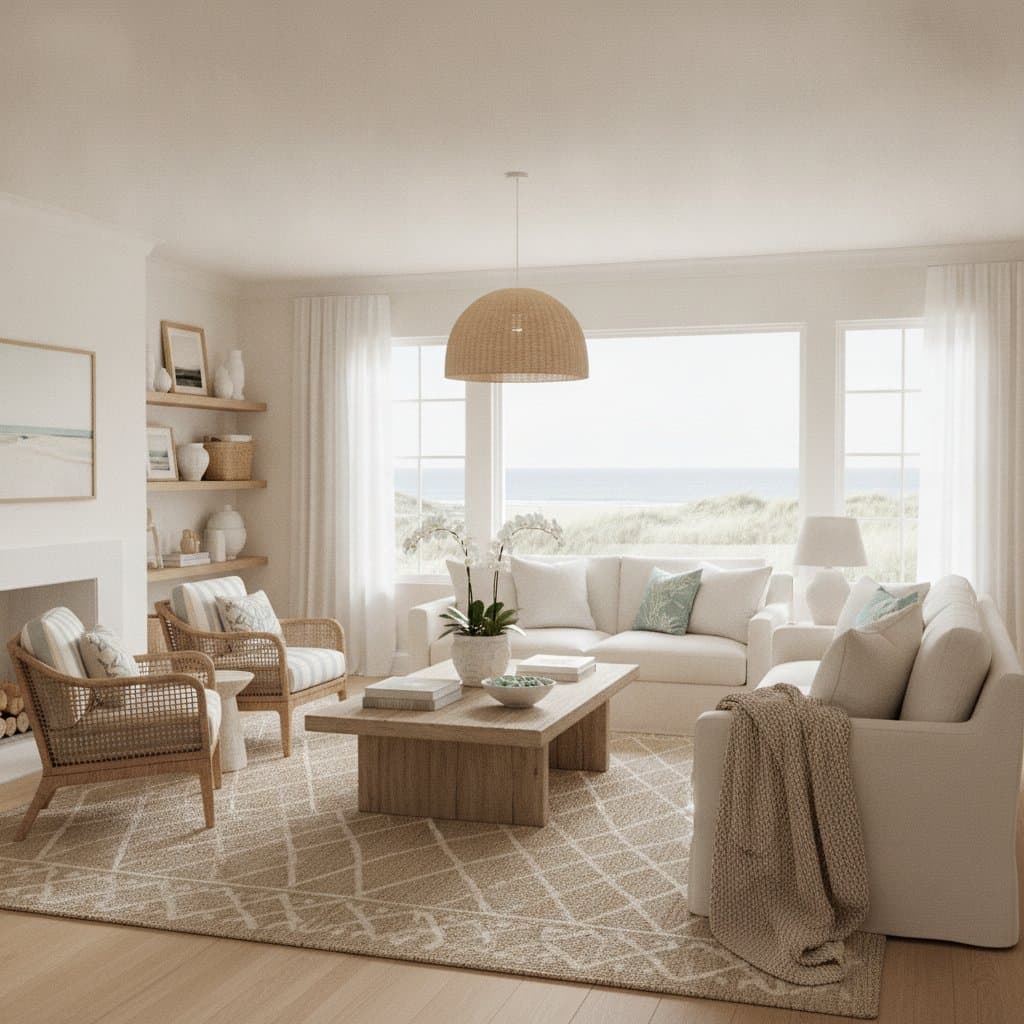
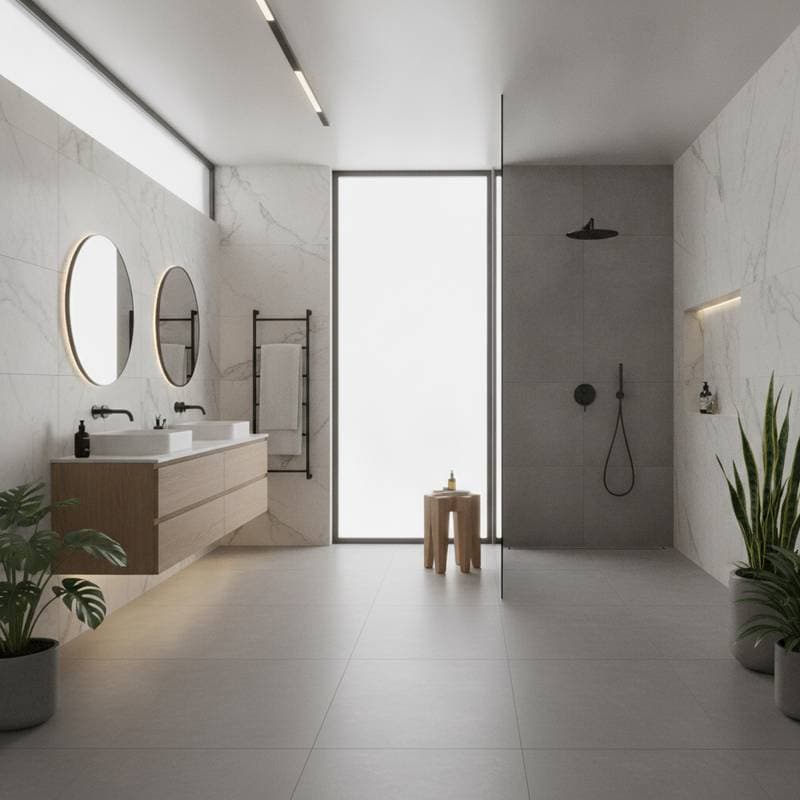
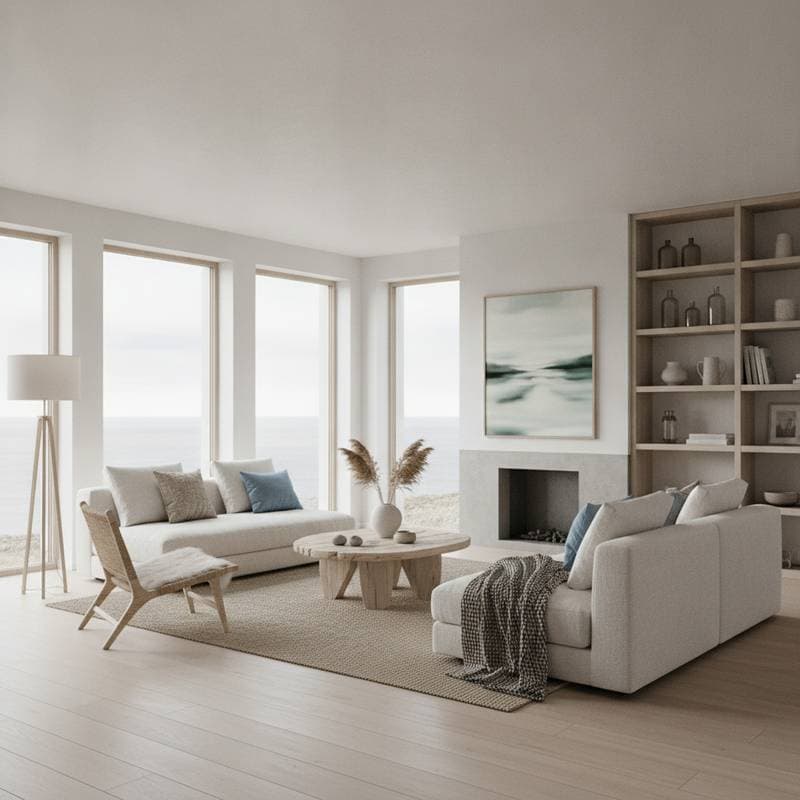
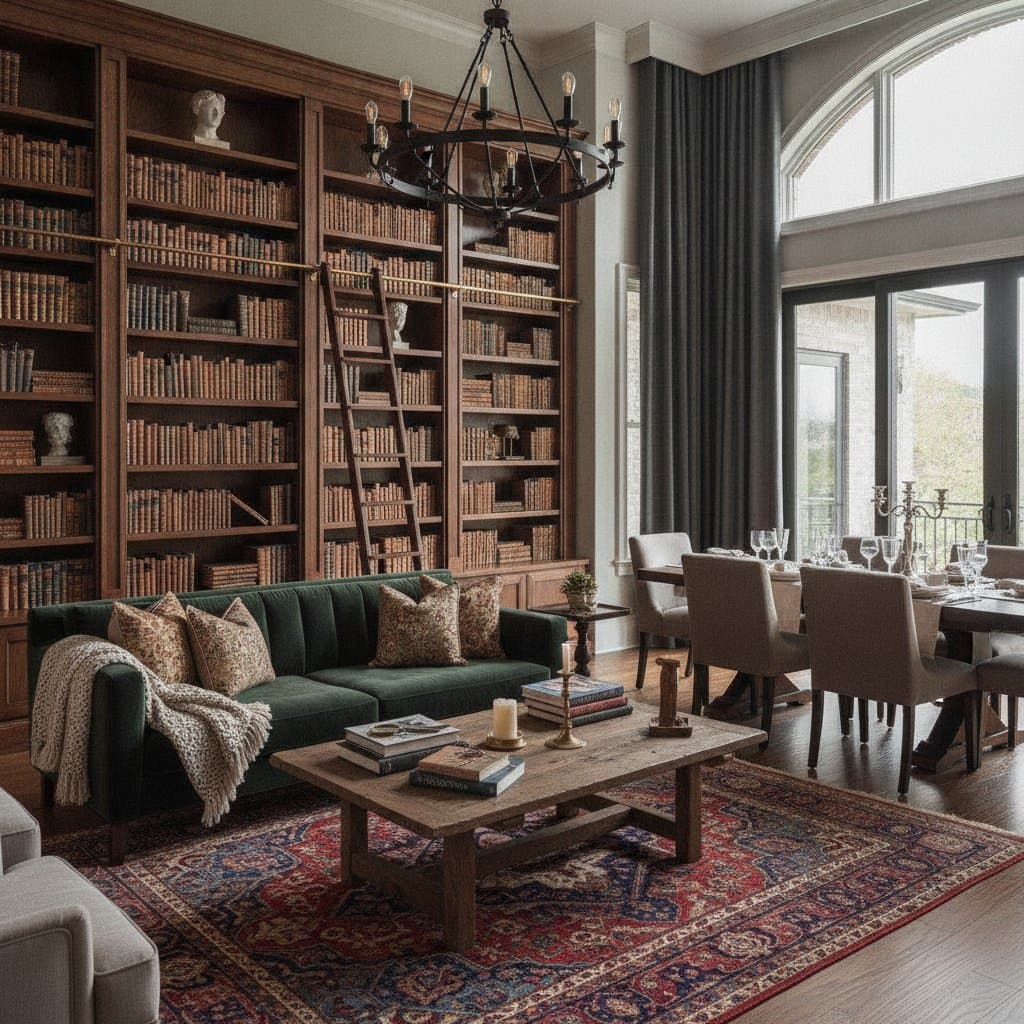
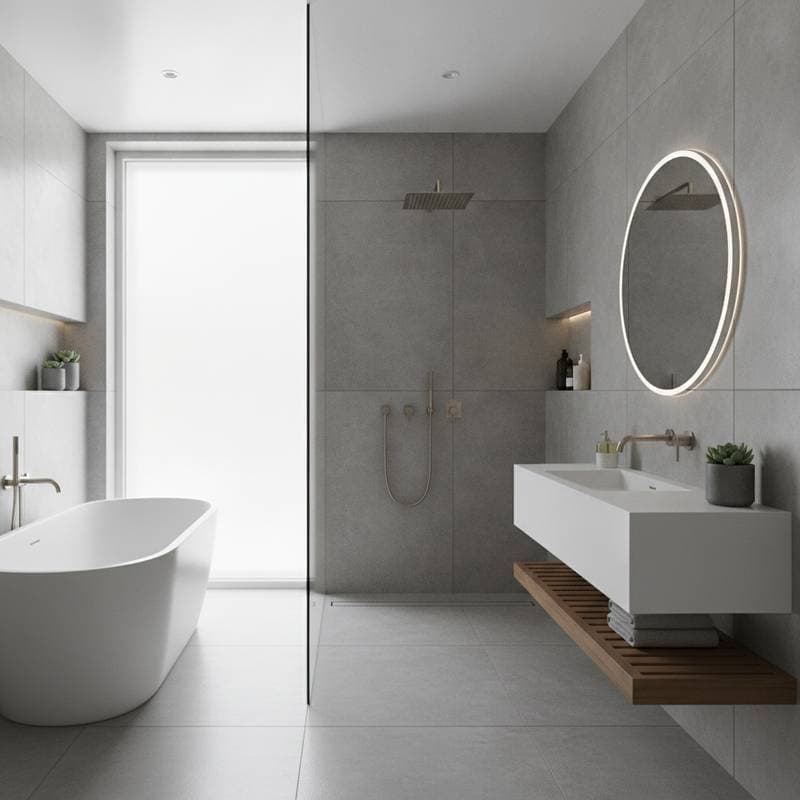
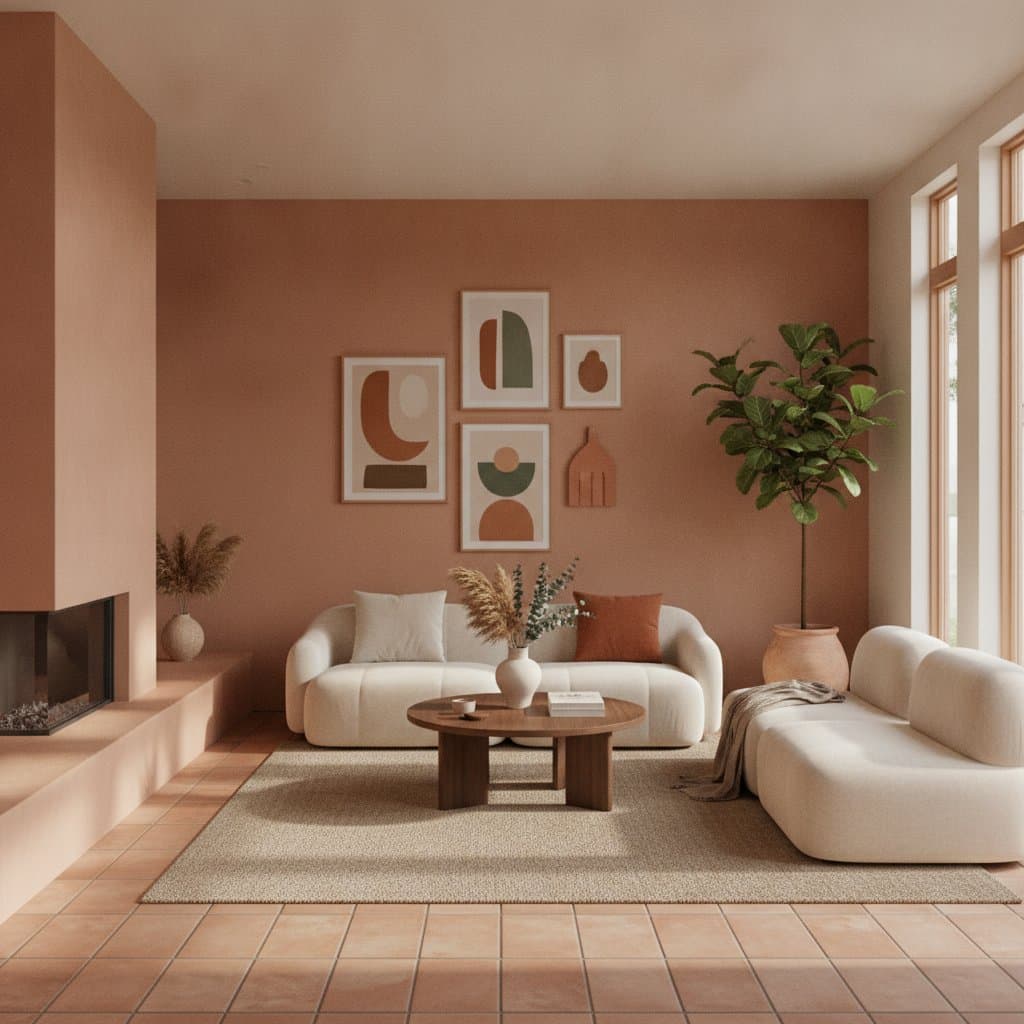
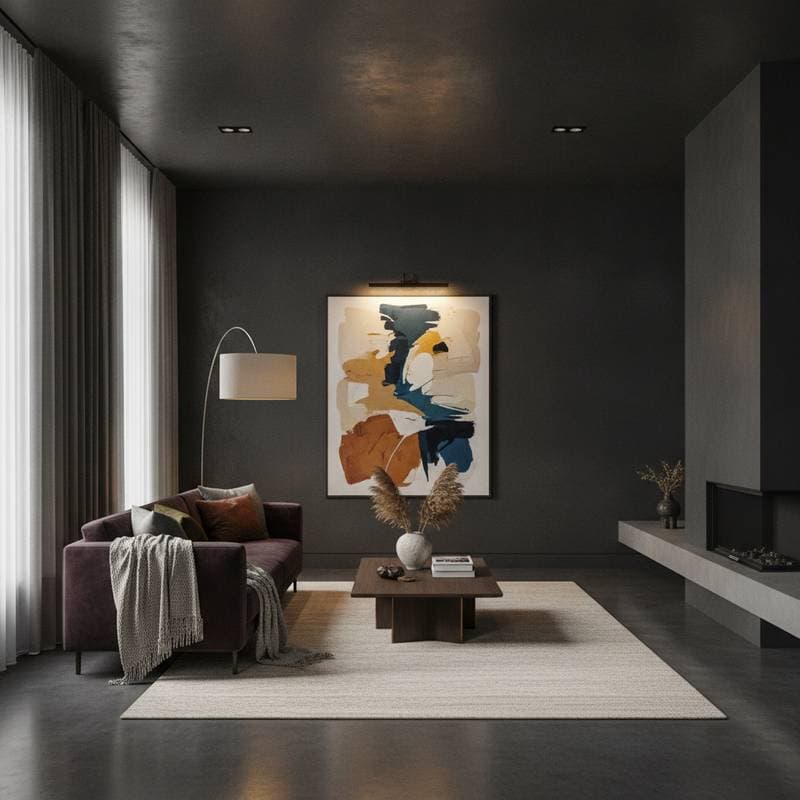
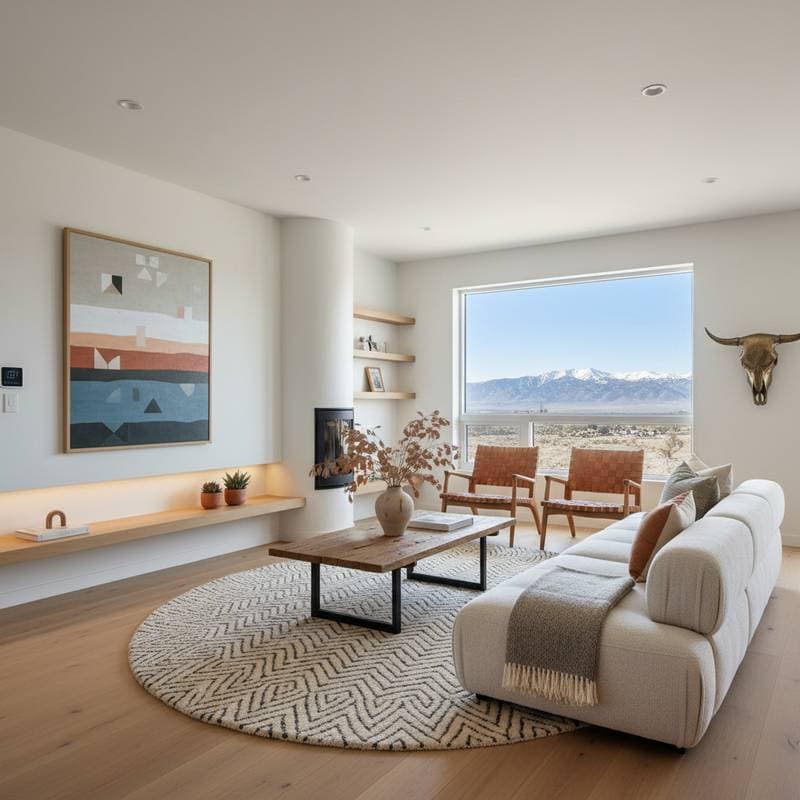
Scandi-Western fusion combines the serene simplicity of Nordic design with the inviting textures of Western influences. This style features pale woods and precise lines alongside robust elements and artisanal touches, creating spaces that balance minimalism with a sense of rooted comfort. Homeowners adopt this approach to achieve interiors that promote relaxation while signaling sophistication to potential buyers.
Cost Factors
Project expenses fluctuate based on the quality of finishes, the intricacy of the layout, and the availability of skilled contractors. Four primary elements influence the overall budget.
- Materials
- Light oak, ash, or birch flooring costs average $6 to $11 per square foot installed.
- Reclaimed wood beams or accent panels range from $10 to $18 per square foot, depending on sourcing and treatment.
- Natural stone for backsplashes or fireplace cladding incurs $20 to $45 per square foot, with regional variations affecting availability.
- Labor
- Skilled carpenters or woodworkers bill $60 to $100 per hour, with premiums for intricate custom joinery.
- Application of decorative plaster or limewash finishes totals $4 to $8 per square foot, encompassing surface preparation.
- Size and Access
- Designs in open-plan areas lower framing expenses by 10 to 15 percent through simplified installations.
- Projects in multi-story homes or confined spaces elevate costs by $1,000 to $2,500 due to additional hauling and setup requirements.
- Permits and Add-ons
- Structural modifications or electrical rerouting necessitate local permits, typically $250 to $800.
- Elements such as built-in cabinetry, bespoke lighting, and energy-efficient windows introduce distinct cost increments.
Allocate an additional 10 to 15 percent of the budget to address unforeseen challenges, particularly in older properties requiring framing reinforcements or insulation enhancements.
DIY Options Versus Professional Services
DIY Approaches:
- Tasks like painting, decorating, and replacing light fixtures suit moderate skill levels.
- Allocate $500 to $1,000 for materials and tools when undertaking superficial updates independently.
- Employ safety equipment including gloves, goggles, and dust masks during activities such as sanding or sealing.
Professional Services:
- Licensed trades handle electrical rewiring, integrated carpentry, and stonework installations.
- Faulty sealing or wiring risks invalidating insurance policies or warranties.
- Engage professionals upon identifying issues like sagging beams, obsolete electrical panels, or ungrounded outlets.
Guideline for Skill Levels:
Homeowners manage visible surface treatments through DIY methods. Professionals address structural alterations or system upgrades, ensuring compliance with inspections and load-bearing calculations.
Maintenance and Warranty Considerations
Scandi-Western interiors endure well under routines that emphasize low-sheen finishes and straightforward upkeep.
- Wood Surfaces
- Apply natural oil or low-VOC sealant every two to three years to protect against wear.
- Clean spills promptly to avoid permanent stains.
- Select mild cleaners to preserve the finish without stripping protective layers.
- Stone and Tile Elements
- Reseal porous areas once a year to maintain water resistance.
- Employ pH-neutral cleaning solutions for routine care.
- Inspect grout lines for cracks and reseal as necessary to prevent moisture intrusion.
- Textiles and Upholstery
- Brush wool or leather pieces regularly to remove dust accumulation.
- Rotate cushions periodically to even out usage and extend longevity.
- Lighting and Electrical Components
- Substitute dimmable LED drivers only with compatible specifications to eliminate flickering.
- Dust fixtures routinely to sustain optimal illumination levels.
Professional applications often include warranties spanning five to ten years. Request detailed documentation and care guidelines to uphold warranty validity.
Balancing Tradeoffs for Lasting Satisfaction
Design choices impact both expenses and ongoing care, so evaluate options thoughtfully to align with practical needs.
- Natural Finishes: These provide authentic beauty but require periodic re-oiling; synthetic alternatives offer extended durability at the expense of tactile warmth.
- Open Shelving: It fosters an open, airy atmosphere yet demands frequent dusting; enclosed cabinetry conceals clutter but elevates fabrication costs.
- Reclaimed Wood: This material supports sustainability and adds unique character, though it may harbor concealed fasteners or tendencies toward warping.
- Neutral Color Schemes: Such palettes facilitate easy accessorizing, but strategic accent hues prevent a potentially clinical appearance.
- Custom Lighting Solutions: These enhance market appeal significantly, yet involve extended procurement periods and elevated electrical labor fees.
Base decisions on daily routines rather than visual appeal alone. Prioritize resilient surfaces and adjustable lighting for frequent hosting; opt for wear-resistant, refinishable finishes in rental scenarios.
Market Trends and Resale Advantages
Data from real estate analyses indicates that properties with natural, streamlined interiors attract quicker sales at prices nearer to list values. Prospective buyers favor spaces that appear immediately habitable and incorporate efficiency measures.
- Cohesive Scandi-Western designs yield a 5 to 12 percent premium on resale in moderate market segments.
- Upgrades to energy-efficient lighting and insulation reduce yearly utility expenses by 10 to 15 percent.
- Neutral, organic environments capture superior photographs for listings, boosting digital exposure.
The versatility of this style positions it as a secure option for resale-oriented renovations. It adapts seamlessly to urban apartments or traditional suburban dwellings.
Steps to Implement Your Project
- Outline Project Boundaries: Determine whether to pursue cosmetic refreshes or comprehensive overhauls.
- Establish Financial Parameters: Incorporate a 10 to 15 percent buffer for potential complications.
- Secure Trades Early: Schedule carpenters and electricians prior to material procurement.
- Conduct Material Trials: Evaluate wood stains and paint shades in your home's natural lighting conditions.
- Sequence the Work: Initiate with flooring and illumination, progressing to custom millwork and furnishings.
- Archive Documentation: Retain receipts and specifications for future maintenance or property transfers.
Commence with modest updates to lighting and flooring for maximum visual and financial return. Scandi-Western fusion thrives on thoughtful simplicity: select authentic materials, matte surfaces, and ambient warm lighting to realize its full potential.