Hidden Pantry Walls in 2026: A Smart Upgrade for Faster Home Sales
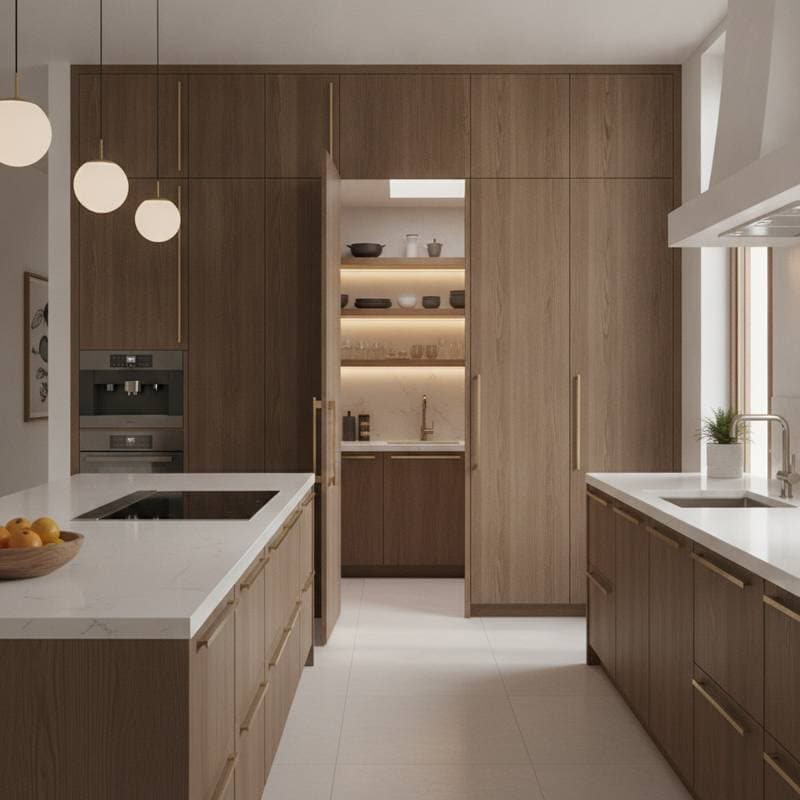
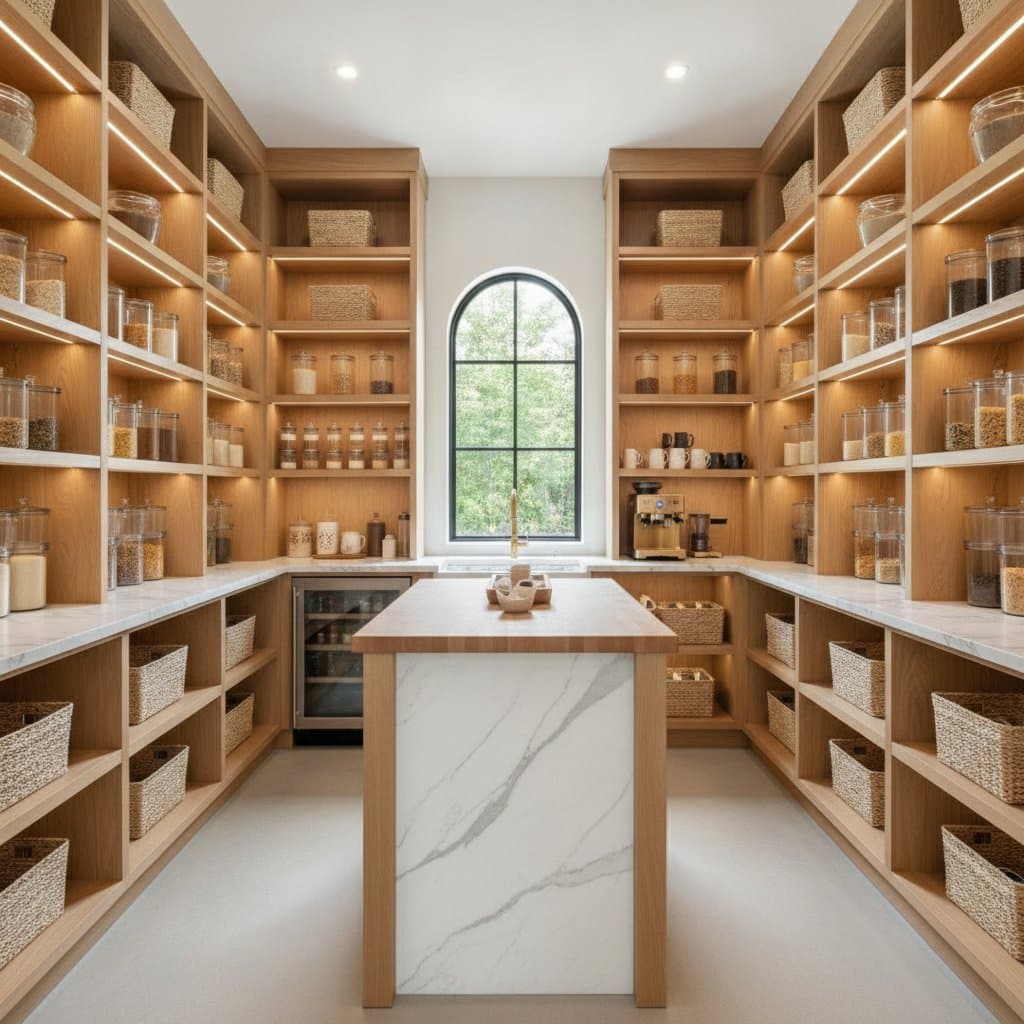
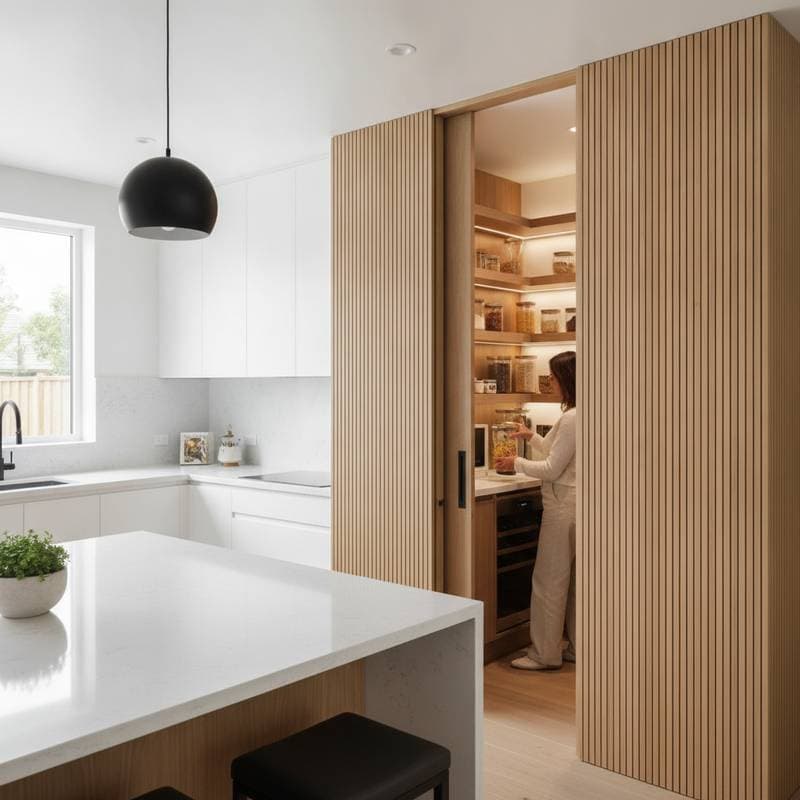
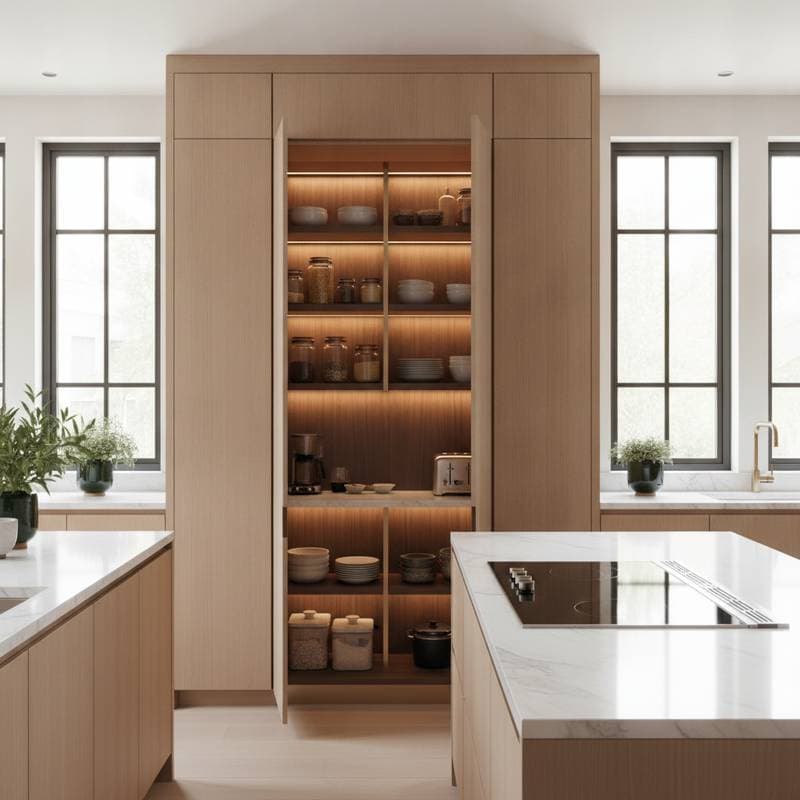
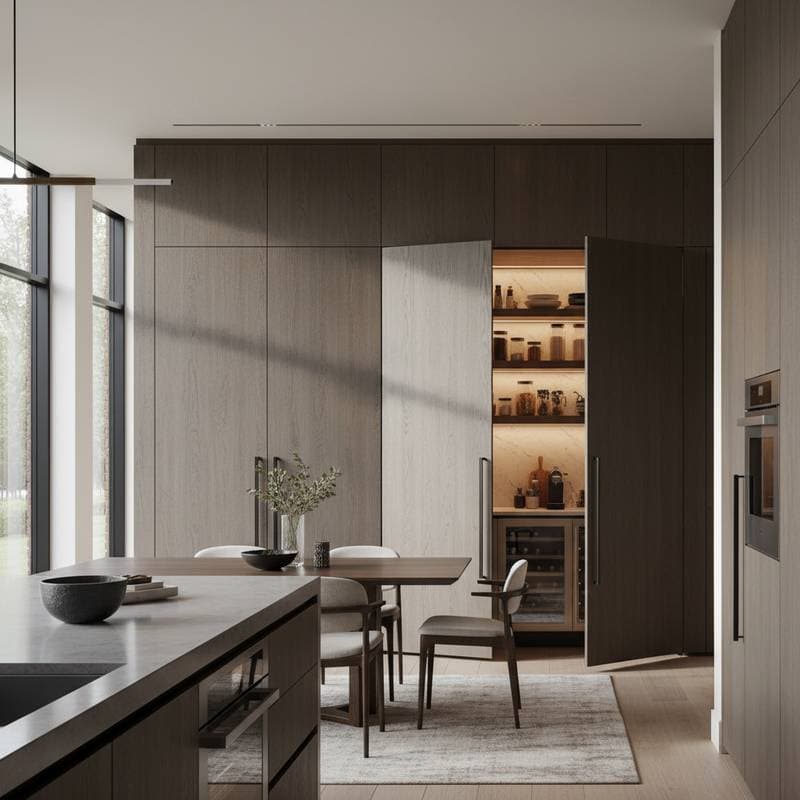
Hidden pantry walls represent an innovative approach to kitchen storage that conceals functionality behind a seamless facade. This design choice integrates storage directly into existing walls, creating the illusion of uninterrupted space while maximizing utility. Homeowners who incorporate these elements often see improved market appeal, as buyers appreciate the blend of aesthetics and practicality.
The investment typically ranges from $3,000 to $10,000, influenced by factors such as materials, labor, and customization. Installation requires careful planning to ensure structural integrity and visual harmony with surrounding cabinetry. Once complete, these walls provide long-term value by enhancing daily use and contributing to higher resale prices.
Key Benefit: These installations deliver sleek storage solutions that increase a home's desirability, with costs varying based on scale and quality selections.
Factors Influencing Costs
Several elements determine the overall expense of a hidden pantry wall. Understanding these allows homeowners to budget effectively and prioritize features that align with their needs.
1. Material Choices
Basic options like paint-grade medium-density fiberboard (MDF) begin at approximately $2,500 for a standard setup. For a more premium appearance, select hardwood panels or custom veneers, which can elevate the price to $8,000 or higher. Focus on durable materials that resist moisture, as kitchens expose surfaces to humidity and spills. Hardware, including hinges and tracks, adds to the total, often exceeding the cost of internal shelving components.
2. Labor Requirements
Professional carpenters bill between $50 and $120 per hour, with rates varying by location and project complexity. Allocate $1,500 to $3,500 for essential tasks like framing the opening, aligning doors, and integrating trim to match existing finishes. Skilled labor ensures precise measurements, preventing issues such as gaps or misalignment that could compromise the hidden effect.
3. Dimensions and Configuration
Most installations span 6 to 8 feet in width for a single-door unit, fitting standard kitchen layouts. Extending the length or incorporating corner returns increases costs by about 30 percent due to additional materials and fabrication time. Measure the space thoroughly, considering door swing and access points to avoid overestimating or underutilizing the area.
4. Site Preparation and Utilities
Walls with embedded electrical outlets or HVAC ducts require rerouting, adding $500 or more to the budget. Conduct a thorough inspection before starting work to identify obstacles. Consult local building codes to ensure compliance, which may involve permits and professional assessments.
5. Finishing Touches and Enhancements
Incorporate pocket doors for a flush fit, integrated LED lighting for visibility, or adjustable shelving for versatility, each contributing $1,000 to $2,000. Opt for painted finishes to simplify upkeep, though they may require touch-ups after several years. Stained wood offers warmth but demands more frequent maintenance to preserve its appearance.
Do-It-Yourself Versus Professional Installation
Homeowners with relevant skills may handle the project independently, but evaluate capabilities carefully to avoid costly errors.
Consider DIY if:
- Basic carpentry tools and prior experience with cabinetry are available.
- The target wall proves non-load-bearing and free of electrical or plumbing elements.
Opt for professional help when:
- Structural complexities like wiring, ducts, or intricate framing appear.
- Precise alignment with adjacent cabinetry is essential for a polished result.
- Advanced features such as concealed lighting or sliding mechanisms are desired.
Professionals manage permits, adhere to safety standards, and guarantee structural stability. They also transport and install heavy components without risk. An improper DIY attempt might lead to panel distortion or visible seams, detracting from the intended seamless design.
Project Timeline and Cost-Saving Strategies
Custom door fabrication often takes 3 to 6 weeks, so initiate the design phase well in advance, especially alongside broader renovations. Coordinate orders for panels, hinges, and finishes to maintain uniformity in color and texture.
Reduce expenses by forgoing automated systems in favor of reliable soft-close hinges. Repurpose existing shelves where feasible to cut material needs. In older homes, prepare for $300 to $600 in preparatory work, such as leveling uneven surfaces or reinforcing studs.
Plan installations during off-peak seasons to secure lower labor rates and shorter wait times. Obtain multiple quotes from local contractors to compare approaches and pricing.
Long-Term Care and Durability
Maintain the installation by lubricating hinges biannually to ensure smooth operation. Wipe painted surfaces with mild soap and a soft cloth, steering clear of abrasive cleaners. Prevent moisture buildup near joints to avoid warping or delamination.
Factory-applied finishes typically endure 15 years with proper care, after which refinishing restores their look. Many installers provide a one-year warranty on craftsmanship, while quality millwork withstands decades under controlled humidity levels.
Regular inspections help identify minor issues early, extending the feature's lifespan and preserving its contribution to home value.
Steps to Implement Your Hidden Pantry Wall
Start by surveying your kitchen for suitable walls that currently serve no purpose. Sketch preliminary designs with exact measurements, then verify the wall's load-bearing status through a professional scan.
Choose between a bold, integrated statement or a subtle, nearly invisible entry to suit your style. Secure consultations with carpenters ahead of busy periods to lock in favorable terms.
These walls fuse practical storage with sophisticated design, enhancing routine kitchen tasks and elevating property appeal. Proper execution maintains your layout while delivering enduring benefits for living and selling.