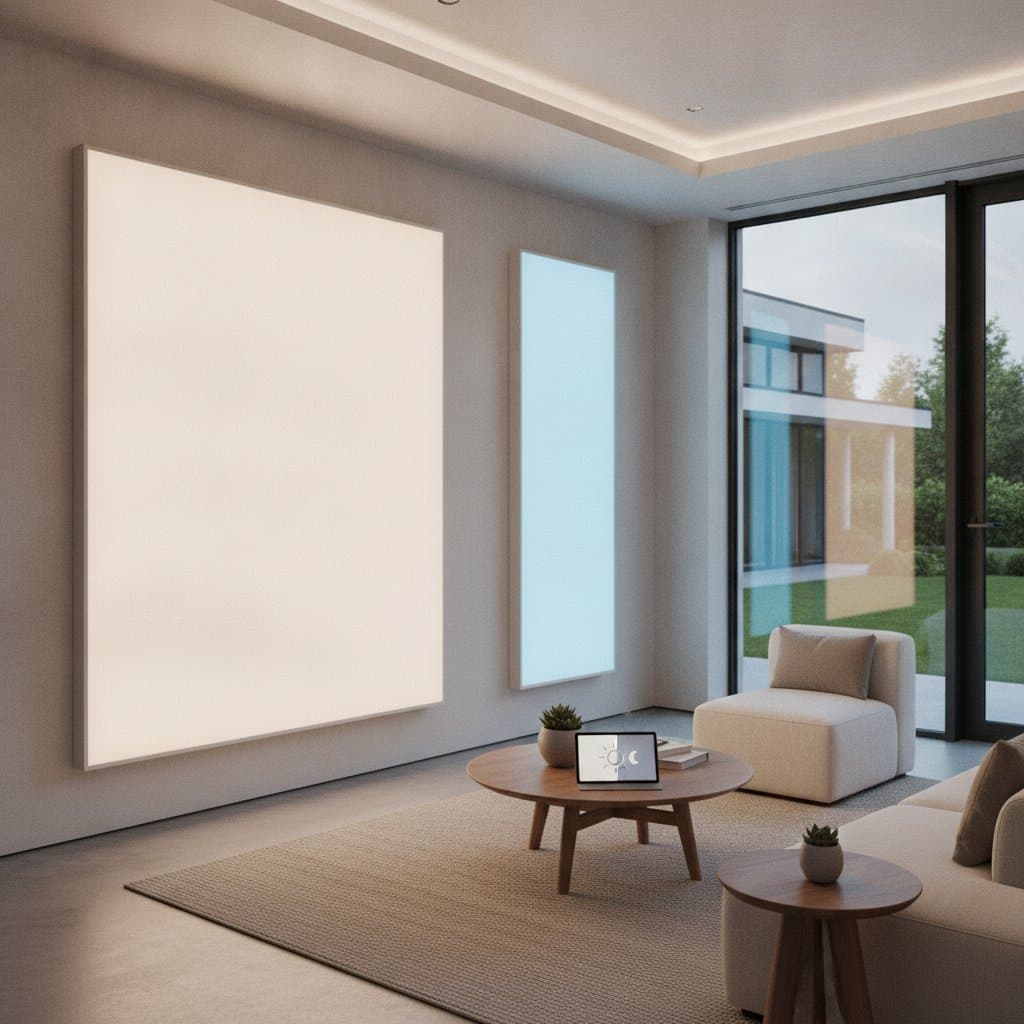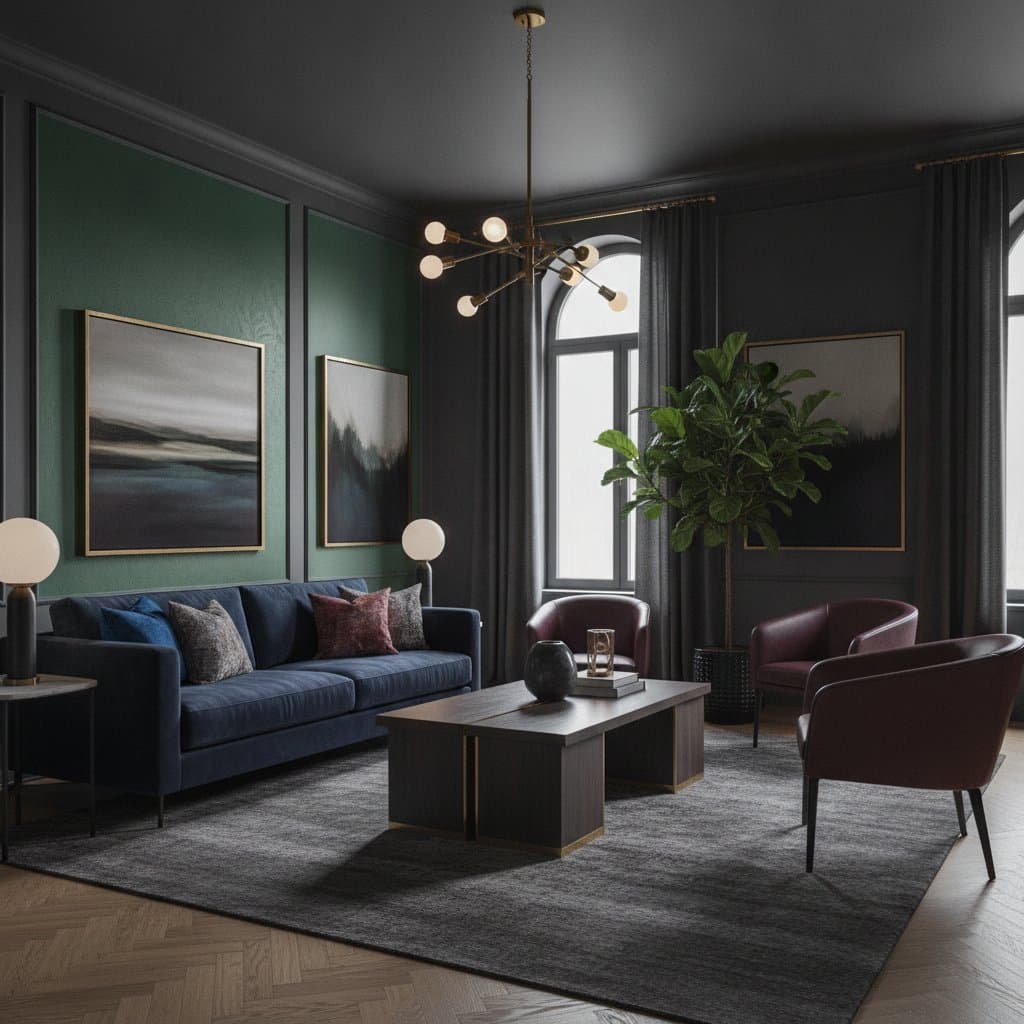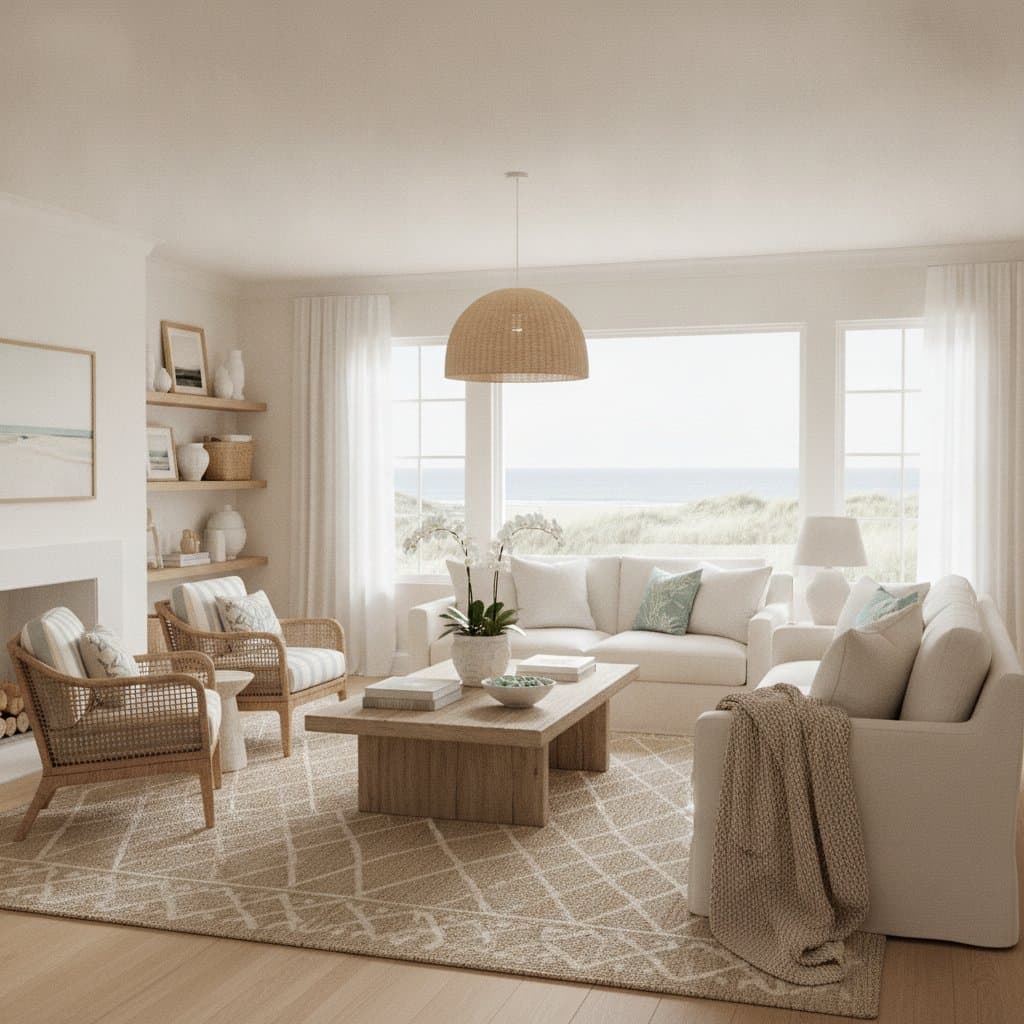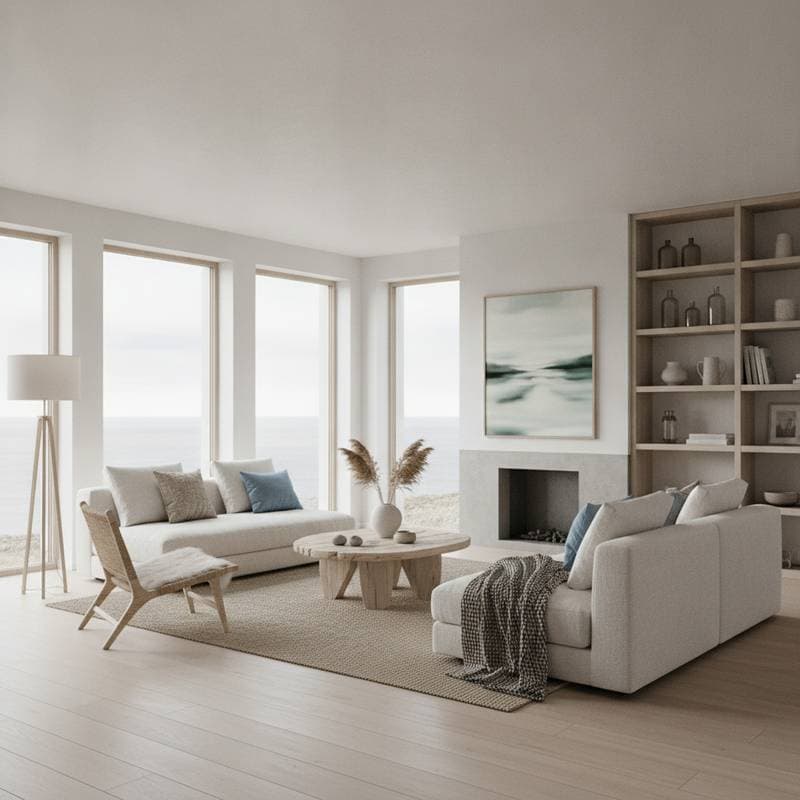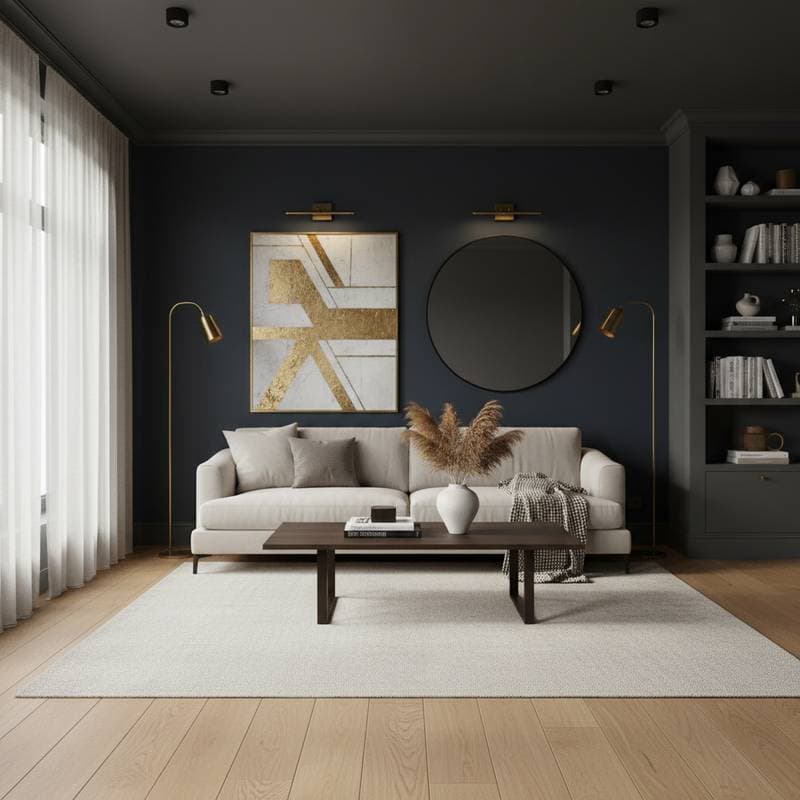
- Estimated time per room: 4 to 8 hours
- Essential tools: Premium rollers, angled brushes, painter's tape, and protective drop cloths
- Potential pitfalls: Uneven application, noticeable streaks, or unintended drips
Professionals excel in scenarios involving tall ceilings, surface repairs, or demands for impeccable results. They ensure optimal lighting assessment, color uniformity, and efficient post-project cleanup.
Essential Application Steps
- Relocate furniture and protect flooring with drop cloths.
- Clean surfaces thoroughly and repair any imperfections with filler.
- Select and apply a tinted primer designed for dark overlying coats.
- Use a brush to edge corners and trim areas precisely.
- Apply the initial coat with a roller for even distribution.
- Allow complete drying before proceeding to the subsequent coat.
- Evaluate the surface under varied lighting conditions to identify overlooked areas.
- Remove masking tape with care to avoid peeling.
- Reattach fixtures and perform final cleanup.
Upkeep and Durability
Maintain walls by wiping them monthly using a soft cloth lightly dampened with water. Address scuffs promptly with a fine brush and reserved paint. High-quality applications retain vibrancy for 7 to 10 years, particularly when shielded from intense sunlight. Certain advanced formulations incorporate additives to resist fading. Review manufacturer warranties covering color stability and cleanability.
Complementary Alternatives
Light Neutral Tones: Preserve brightness and versatility, though they risk appearing commonplace.
Two-Tone Configurations: Blend dark bases with lighter upper sections to achieve equilibrium.
Textured Wallpaper: Imparts dimension without full-room color commitment.
Wood Paneling: Supplies inherent warmth and substance, albeit at higher installation costs.
Regional Influences
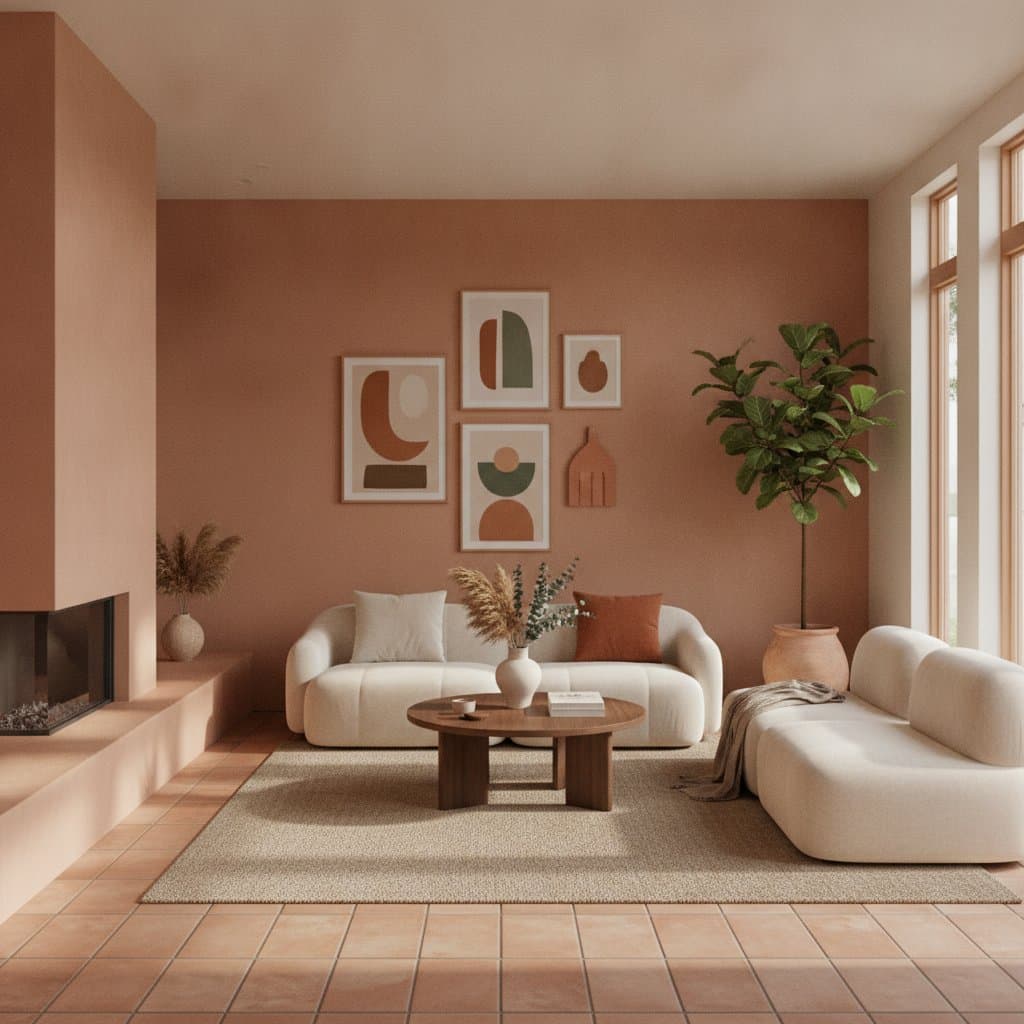
Local preferences guide color selections. Coastal locales favor deep blues and grays mirroring oceanic influences. Arid regions benefit from earthy browns or terracotta shades. Humid environments necessitate paints with mildew resistance. Building codes seldom impose color restrictions, yet homeowners' associations in condominiums may enforce guidelines. Labor expenses fluctuate, with urban centers commanding premiums due to elevated demand.
Investment Return and Market Impact
A thoughtfully executed dark interior elevates property value perception by 1 to 3 percent. Buyers perceive such spaces as immediately habitable and professionally styled. Success hinges on precise implementation, including sharp trim lines, multifaceted lighting, and cohesive color schemes. These palettes excel in digital imagery, potentially accelerating sales timelines.
Safety Protocols
Opt for low-VOC or zero-VOC paints to minimize indoor emissions. Ensure ventilation through fans and open windows throughout the painting process. Store unused paint in cool, secure locations away from ignition sources. When preparing existing surfaces, test for lead content prior to sanding. Employ protective gloves and eyewear during overhead tasks or solvent handling.
Frequently Asked Questions
Do dark colors diminish room size? They possess that potential, yet strategic lighting and contrasting trim or furnishings mitigate any constricted sensation.
Is painting light colors over dark walls feasible? Affirmative, provided a robust primer prevents underlying pigment from showing through.
Which areas showcase moody palettes effectively? Living rooms, bedrooms, and dining areas, where illumination remains adjustable, display dark tones advantageously.
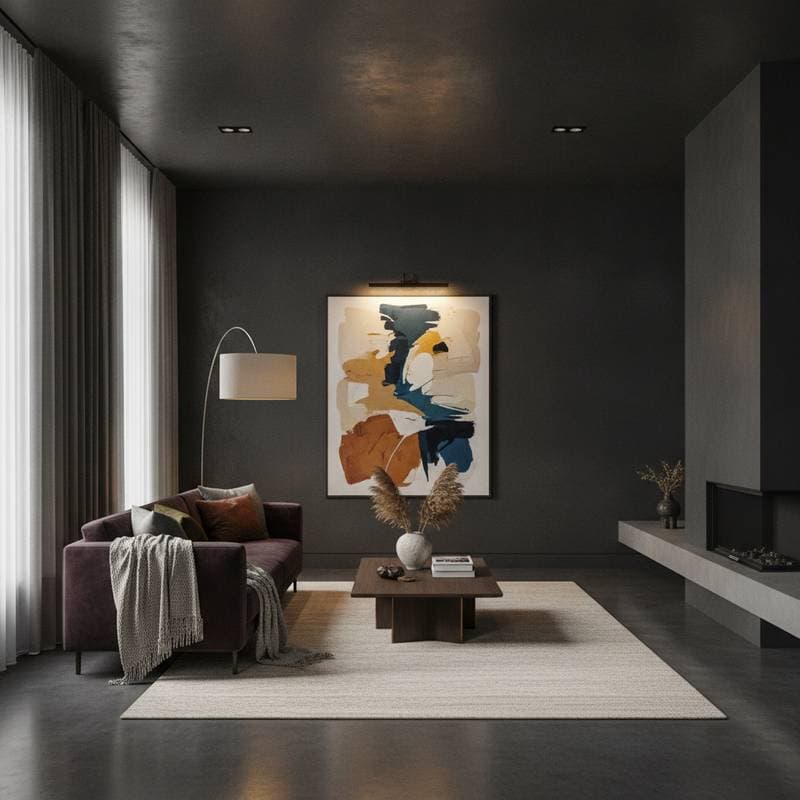
What lighting complements dark paint? Integrate layered sources like sconces, warm-toned LED fixtures, and upward-directed lights to maintain depth sans dreariness.
Does dark paint adversely affect resale? Not when selected judiciously; neutral-leaning depths such as charcoal or olive garner broad appeal alongside light trim and flooring.
Implementing Your Moody Design
Initiate with a modest project, such as an accent wall or entryway. Evaluate paint samples across daytime and evening illumination prior to full commitment. Choose satin or eggshell sheens for practical maintenance. Integrate natural wood or brass hardware to enhance warmth. This approach imparts a unique market advantage without extensive overhauls. Procure samples, strategize lighting, and engage a professional painter as required for superior outcomes.