Understanding Wet Rooms and Their Rising Popularity
Wet rooms consist of fully waterproof bathrooms featuring open showers and level-entry flooring. They eliminate traditional shower trays in favor of continuous surfaces made from tile or stone, paired with discreet drains. Homeowners select these designs for their superior accessibility, straightforward maintenance, and alignment with current architectural trends. Such features prove particularly advantageous in renovations aimed at resale or in primary suites, where open configurations maximize perceived space and natural illumination.
As projections indicate, wet rooms will contribute to elevated home values by 2026. Their appeal lies in accommodating diverse needs, from universal design principles to luxurious daily routines. Consider integrating one during a remodel to align with buyer preferences for innovative, inclusive living spaces.
Breaking Down Installation Costs
The national average for installing a wet room ranges from $10,000 to $20,000. Mid-range projects typically cost between $12,000 and $15,000, encompassing standard materials and labor. Premium options, incorporating custom stone finishes, underfloor heating, or specialized fixtures, may exceed $25,000. For smaller spaces, a basic conversion handled through do-it-yourself methods could start at $8,000, though this assumes existing plumbing compatibility.
Several elements influence these expenses. The bathroom's dimensions and the extent of waterproofing required play a primary role. Material choices, such as tile variety or stone complexity, along with drain configurations and slope engineering, add variability. Regional labor rates, adherence to local building regulations, and additions like glass enclosures, ambient lighting, or heated flooring further impact the total investment.
To manage costs effectively, obtain multiple quotes from certified contractors. Prioritize breakdowns that detail labor, materials, and potential upgrades. This approach ensures transparency and helps identify value-driven choices for your project.
Advantages and Potential Drawbacks
Key Advantages
- Creates an illusion of greater space while facilitating easier movement for all users.
- Simplifies cleaning due to minimal seams and edges.
- Elevates property appeal through contemporary styling that attracts modern buyers.
- Supports aging-in-place strategies and inclusive design for broader accessibility.
- Allows versatile positioning of fixtures and drainage points.
Notable Drawbacks
- Demands comprehensive waterproofing and expertise in execution.
- Poses humidity challenges without adequate airflow systems.
- Often requires subfloor strengthening to accommodate slopes and material weights.
- Risks water splash onto adjacent areas in compact layouts.
- Heightens leak potential without precise installation techniques.
Balancing these factors requires careful planning. For instance, incorporate robust ventilation from the outset to mitigate moisture issues. This proactive step preserves both functionality and aesthetics over time.
Exploring Wet Room Variations
Wet rooms come in several configurations to suit different spaces and preferences. A fully open wet room directs the entire floor toward a central drain, ideal for expansive bathrooms equipped with strong exhaust systems. This setup delivers a spa-like openness but necessitates meticulous slope calculations.
For more contained areas, a partial wet zone employs a glass panel or low partition to define the shower region. Such designs work well in family bathrooms, containing water while maintaining a modern flow. Walk-in shower wet rooms blend seamless entry with targeted drainage, making them excellent for accessibility-focused updates without overhauling the whole space.
Luxury iterations elevate the experience with elements like steam functions, multiple showerheads, or built-in seating. These suit upscale renovations in master bathrooms, where indulgence meets practicality. Select a type based on your room's size, usage patterns, and desired level of openness.
Weighing Do-It-Yourself Against Professional Installation
Constructing a wet room involves precise waterproofing and gradient work, which challenges even experienced individuals. Do-it-yourself efforts suit those proficient in tiling, plumbing, and applying membranes, potentially spanning 5 to 10 days with essential tools like trowels, sealant kits, and cutting saws. However, errors in execution can result in persistent leaks or mold growth, compromising the space's integrity.
Professional involvement becomes essential for homes with wooden substructures, structural modifications, or premium finishes. Experts guarantee accurate slopes, seamless membrane applications, and aligned drainage. Local regulations frequently mandate licensed work for waterproof systems to secure approval during inspections.
Evaluate your skills and the project's scope before deciding. If uncertainty exists, consult a specialist early to avoid costly corrections. This ensures compliance and enhances the room's reliability.
Essential Installation Steps
Begin by dismantling existing fixtures and flooring to expose the substructure. Inspect the subfloor for damage, make necessary repairs, and layer in waterproof underlayment for foundational protection.
Next, position or adjust the floor drain and create a subtle slope directing water toward it. Apply a waterproof membrane over the floor and up the lower walls, ensuring full coverage. Reinforce joints and corners using specialized tape and mortar for airtight seals.
Proceed to lay slip-resistant tiles on floors and walls, selecting materials suited to wet environments. After grouting and sealing, install fixtures and conduct thorough leak tests prior to adding trim or glass elements. Finalize by cleaning all surfaces and verifying ventilation efficiency.
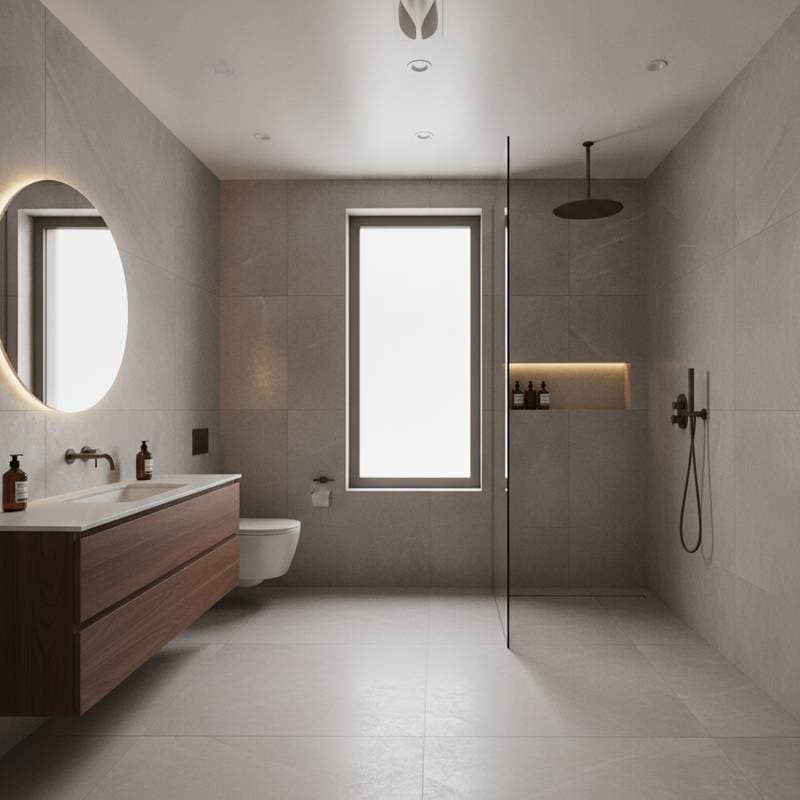
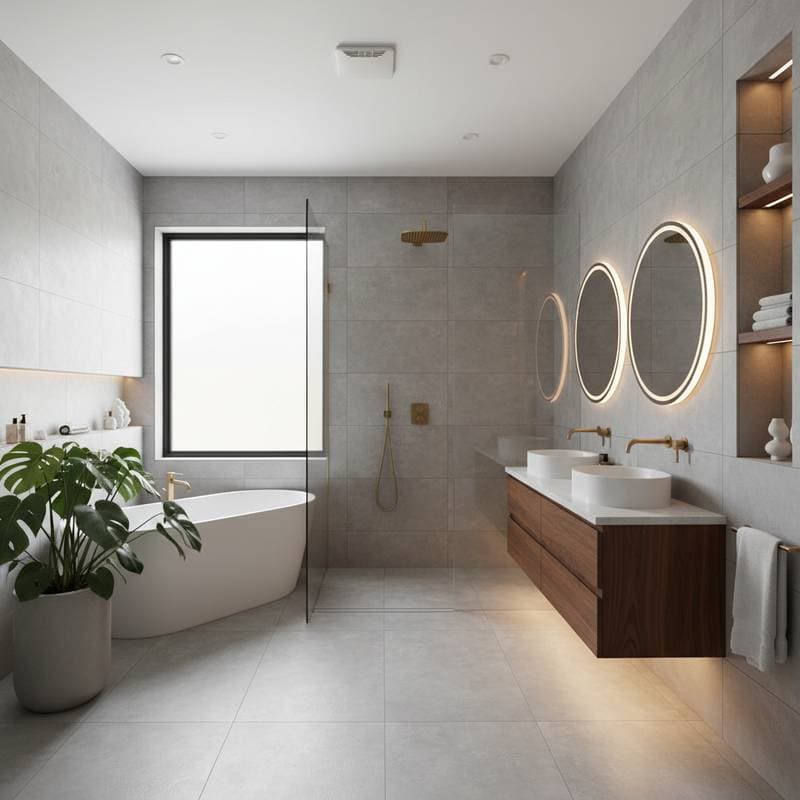
Image: A contemporary open wet room showcasing tiled flooring and an integrated wall drain.
Follow these steps methodically to achieve a secure, efficient outcome. Document progress with photos to reference during maintenance or future adjustments.
Ensuring Longevity Through Maintenance
With proper sealing and care, a wet room endures for 20 years or longer. Refresh grout seals annually or biennially to prevent water infiltration. Clear drains of debris like hair and soap buildup on a monthly basis to maintain flow.
Regularly examine caulk lines and membrane borders for wear or cracks, addressing them promptly with fresh sealant. Activate ventilation systems after every use to control humidity levels. Many membrane products offer 10-year warranties when installed according to guidelines, providing added assurance.
Incorporate these routines into your household schedule for sustained performance. This diligence not only extends the room's life but also upholds its hygienic and visual standards.
Considering Alternative Bathroom Solutions
A curbless shower mimics the wet room aesthetic with reduced waterproofing scope, often at a lower price point and with a slightly more enclosed sensation. Large walk-in showers offer simpler retrofits and enhanced accessibility, though they limit the full open layout.
Traditional tub-shower combinations remain viable for conventional setups but may diminish resale potential in contemporary markets favoring seamless designs. Weigh these options against your budget, space constraints, and long-term goals. Each provides distinct benefits tailored to specific needs.
Accounting for Regional Influences
Installation expenses fluctuate by location, with urban settings commanding 20 to 40 percent premiums due to elevated permit fees and artisan wages. In humid or coastal zones, prioritize enhanced ventilation and mold-resistant components to combat environmental challenges.
Colder climates gain from underfloor heating, which accelerates surface drying and boosts comfort. Always review municipal plumbing standards regarding membrane types and drain gradients prior to commencement. These preparations align your project with local expectations and enhance durability.
Calculating Return on Investment and Resale Impact
In premium markets, a wet room investment can elevate resale value by 5 to 8 percent. Prospective buyers perceive these as sophisticated enhancements, particularly in en-suite configurations. Accessibility-oriented features broaden appeal across demographics, from young families to retirees.
Maximize returns through thoughtful design and impeccable waterproofing. Document the installation process and materials used to demonstrate quality to appraisers or agents. This strategic addition positions your property favorably in competitive listings.
Prioritizing Safety in Design
Select tiles with high slip-resistance ratings designated for wet zones to minimize fall risks. Position electrical outlets at distances compliant with the National Electrical Code to avoid water proximity hazards. Integrate effective ventilation to curb mold proliferation.
Test all waterproofing layers before final tiling to prevent subfloor damage from undetected leaks. These measures safeguard users and preserve the installation's structural soundness. Consult codes and professionals to integrate safety seamlessly into your vision.
Planning Your Wet Room Project
Assess your current bathroom configuration and plumbing setup if resale or renovation looms on the horizon. Solicit estimates from qualified tile specialists and waterproofing experts, requesting client references and warranty specifics on membranes.
Verify local permitting obligations and strategies for moisture management to shield your expenditure. A meticulously crafted wet room merges elegance, usability, and economic upside, transforming routine spaces into valuable assets.