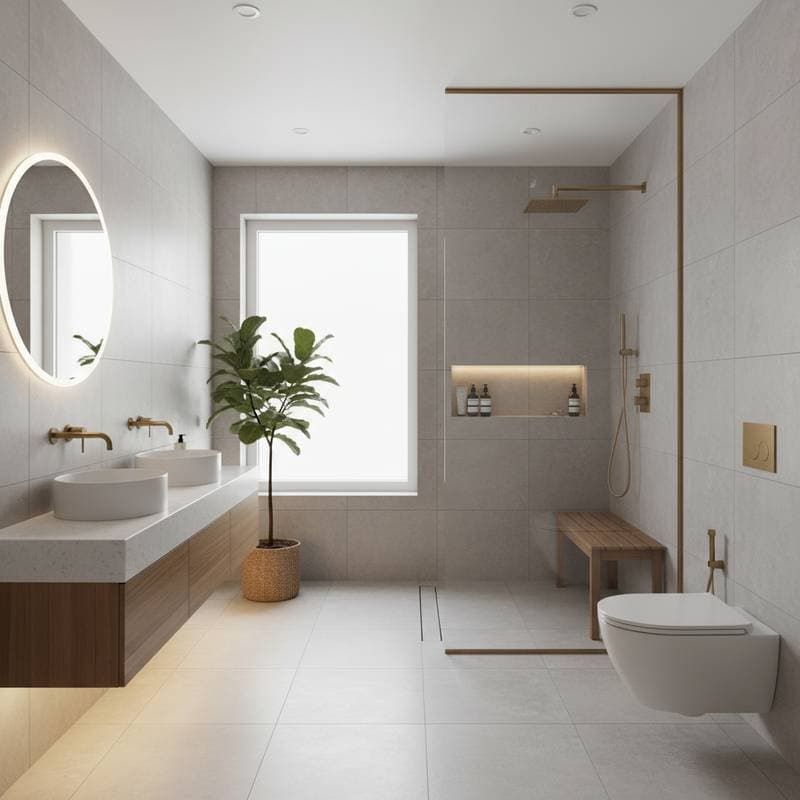
Understanding Wet Rooms and Their Appeal in 2026
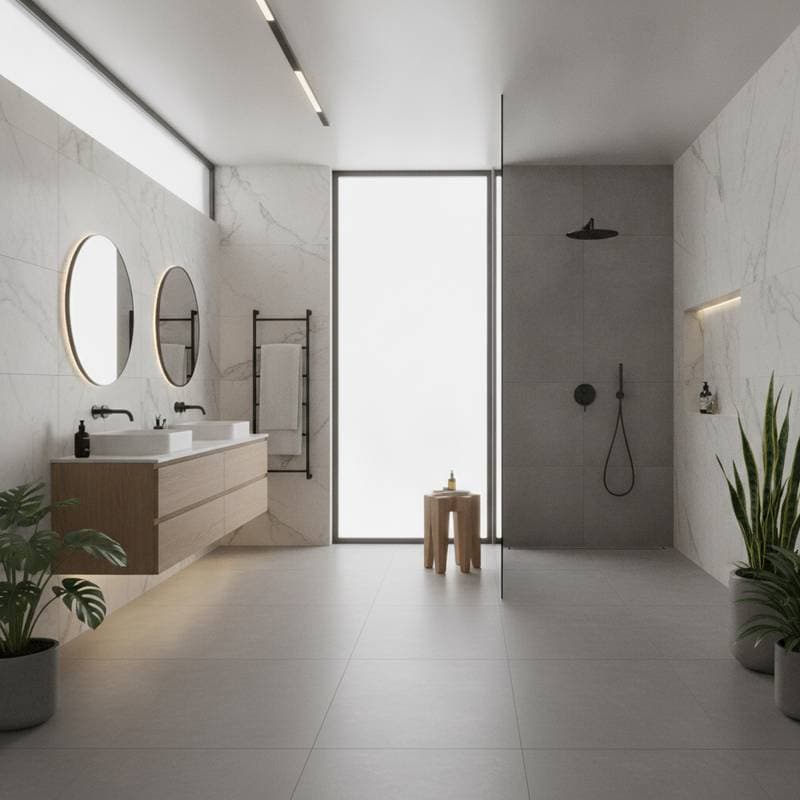
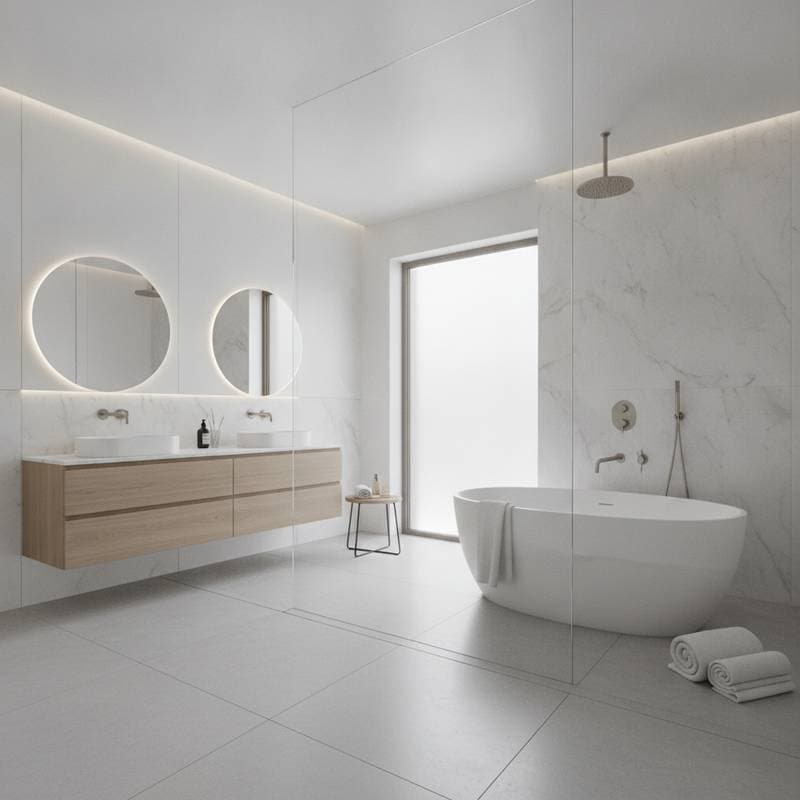
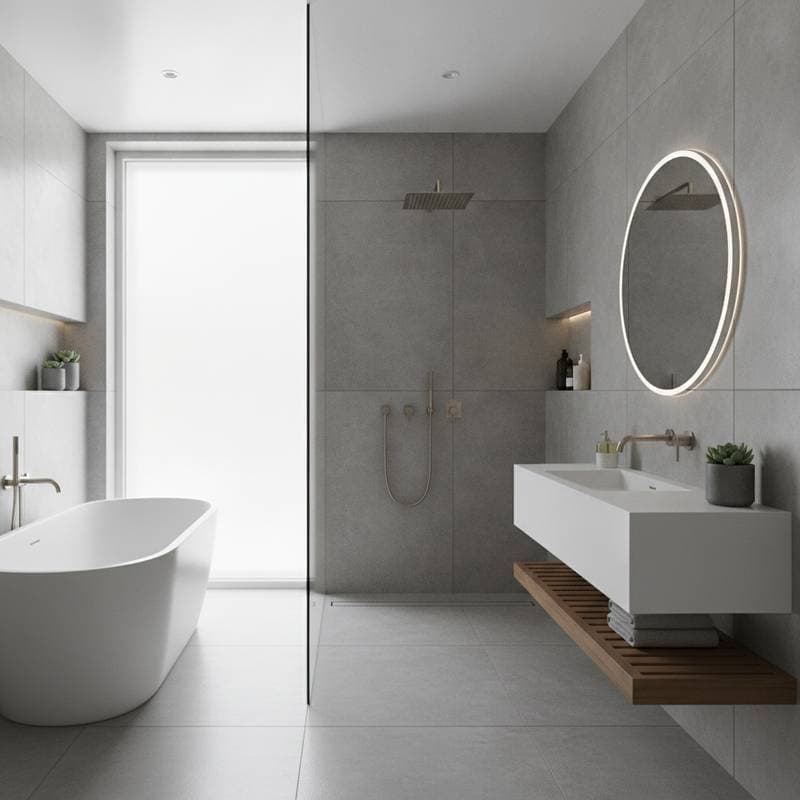
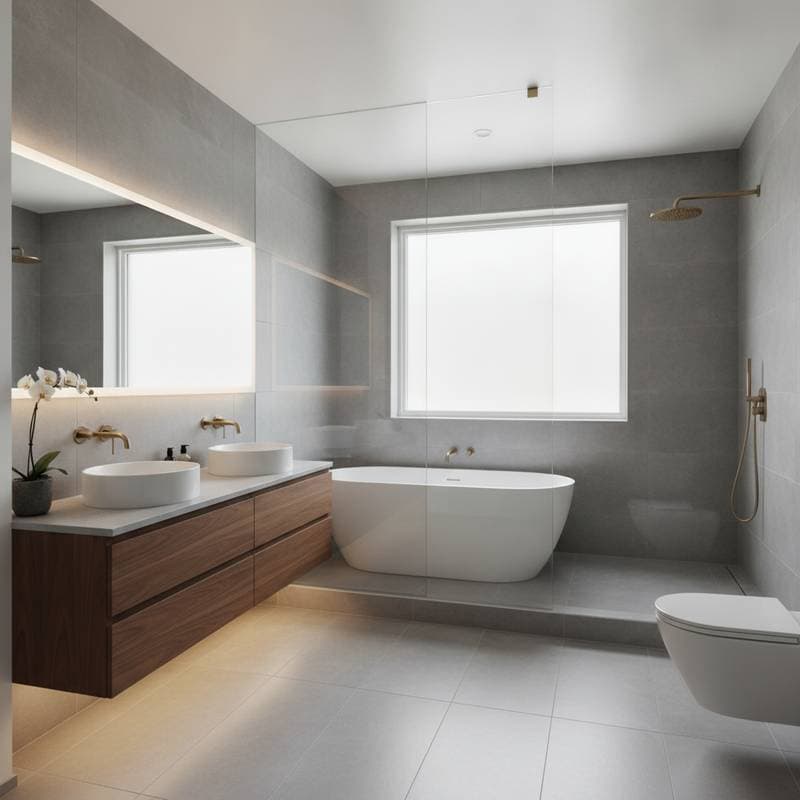
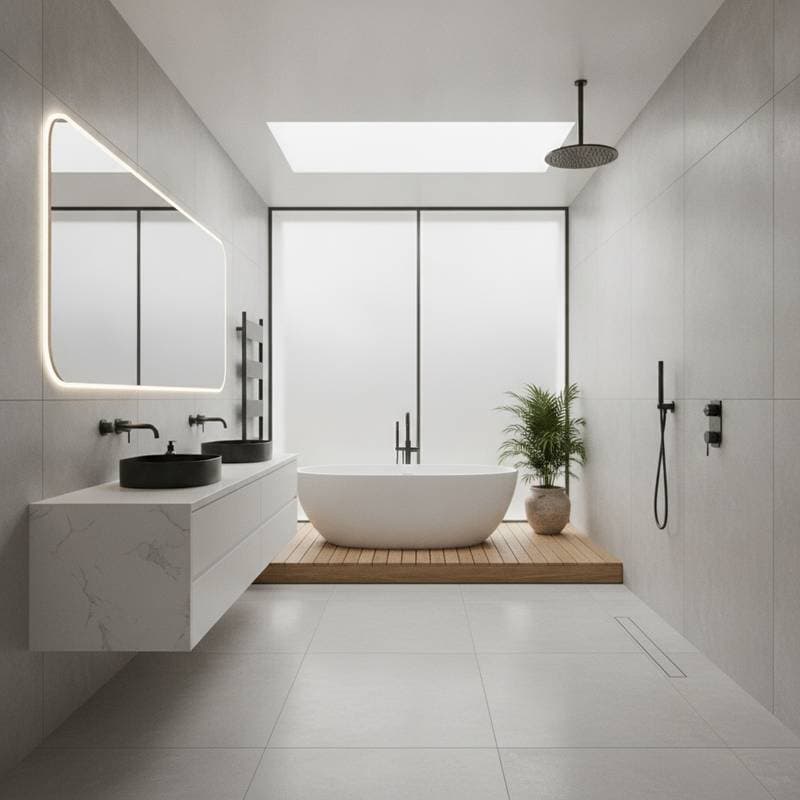
A wet room represents a fully waterproof bathroom design featuring an open shower area integrated seamlessly with a sloped floor drain. This setup eliminates traditional barriers like shower curbs, creating a fluid, accessible environment ideal for homeowners seeking modern functionality. In 2026, wet rooms gain prominence for their ability to elevate property aesthetics and practicality, particularly in compact urban dwellings or luxurious renovations where every square foot counts. They cater to diverse needs, from daily convenience to long-term resale advantages.
Homeowners appreciate wet rooms for their barrier-free layout, which supports aging in place by reducing trip hazards and facilitating wheelchair access. The design also promotes a spa-like serenity, with water flowing freely across the floor before draining efficiently. As building trends shift toward inclusive and minimalist spaces, wet rooms position properties favorably in competitive markets.
Breaking Down Installation Costs
The national average cost for a wet room installation ranges from $9,000 to $18,000, depending on the project's scale and specifications. For a standard mid-sized bathroom, expect to invest between $12,000 and $15,000, covering essential waterproofing, tiling, and plumbing adjustments. Budget-conscious options start at $6,000 for basic conversions in smaller spaces, while premium setups with custom features can exceed $25,000.
Several elements influence the final price. High-quality waterproofing membranes and sealants prevent future issues but add to expenses. Tile choices, such as porcelain versus natural stone, affect both cost and durability, with intricate patterns requiring more labor. The drain system's complexity, including linear versus point drains, demands precise floor sloping, often necessitating structural modifications. Regional labor rates vary, and permits for plumbing or electrical work can introduce additional fees. To manage costs effectively, obtain detailed quotes that itemize materials and labor.
Weighing the Advantages and Drawbacks
Wet rooms offer compelling benefits that justify their investment. They can elevate a home's resale value by approximately 11%, appealing to buyers who prioritize contemporary updates. Enhanced accessibility benefits individuals with mobility challenges, as the level-entry design minimizes obstacles and supports universal design principles. Cleaning becomes straightforward, with fewer grout lines and enclosures to harbor grime, allowing a quick rinse to restore the space.
Space efficiency stands out in compact bathrooms, where the open layout creates an illusion of expansiveness without sacrificing utility. The minimalist aesthetic aligns with current trends, incorporating sleek lines and high-end finishes for a luxurious feel.
However, challenges exist. Waterproofing demands meticulous execution; any oversight risks leaks that could damage subfloors or promote mold growth. Without underfloor heating, the tiled surface may feel chilly, especially in cooler months. Upfront costs surpass those of conventional showers, and retrofitting often requires floor leveling, which disrupts existing layouts. Professional assessment helps mitigate these concerns.
Exploring Wet Room Variations
Wet rooms come in several configurations to suit different budgets and spaces. A full wet room waterproofs the entire bathroom floor, ideal for new constructions or comprehensive remodels where seamless integration enhances the overall flow.
For targeted upgrades, a partial wet zone seals only the shower area, preserving dry sections of the floor and keeping costs lower. This approach works well in existing bathrooms with limited renovation scope.
Level-entry shower conversions transform traditional tubs or enclosed stalls into flush, accessible features, focusing on mobility without overhauling the whole room. Such modifications prove popular for quick accessibility improvements.
Luxury spa wet rooms elevate the experience with bespoke elements like imported stone cladding, frameless glass partitions, and multiple drains for rapid water evacuation. These designs appear in upscale residences, blending opulence with practicality.
Deciding Between DIY and Professional Installation
Attempting a wet room as a DIY project presents significant challenges due to the technical demands involved. The process requires expertise in creating a precise floor slope, applying waterproof membranes, and aligning tiles flawlessly to avoid water pooling. Completion typically spans 4 to 7 days for a moderate-sized room, necessitating tools such as a wet tile saw, notched trowels, laser levels, and specialized waterproofing kits.
Risks include inadequate drainage leading to standing water, compromised seals fostering leaks, or uneven surfaces promoting slips and mold. Homeowners with construction experience might handle minor conversions, but errors often result in costly repairs.
Professional installation remains the recommended path, especially when subfloor reinforcement, plumbing relocations, or electrical updates are necessary. Licensed contractors guarantee compliance with building codes, accurate sloping for optimal drainage, and warranties on waterproofing systems. Their involvement ensures longevity and peace of mind, particularly for value-adding projects.
Essential Steps for Wet Room Construction
Begin by clearing the space: remove existing fixtures, tiles, and flooring to expose the subfloor. Inspect for damage and reinforce as required to support the new waterproof layer.
Next, position the drain assembly and establish the floor slope, aiming for a minimum of 1/4 inch per foot toward the drain to facilitate efficient water flow.
Apply a robust waterproof membrane across the floor and up the walls to a height of at least 6 inches, overlapping seams securely. Seal all corners, joints, and penetrations with compatible caulk to create an impermeable barrier.
Once the membrane cures, install tiles starting from the lowest point, using thin-set mortar for adhesion. Grout the joints after 24 hours, selecting a waterproof formula.
Add shower components, such as wall-mounted heads and optional glass screens for splash control. Test the system thoroughly by running water and observing drainage.
Finalize with applications of sealant on grout lines and a deep clean to prepare the space for use.
Ensuring Longevity Through Maintenance
Regular upkeep preserves the wet room's performance and appearance. Wipe surfaces weekly using a mild, non-abrasive cleaner and a soft cloth to prevent residue buildup. Avoid harsh chemicals that could degrade seals.
Every six months, examine grout lines, seals, and drains for wear or cracks, addressing issues promptly to avert water intrusion. Reapply sealant to tile joints every two to three years, following manufacturer guidelines for application and drying.
With diligent care, a quality wet room endures 20 years or longer. Many systems include 10-year warranties on waterproofing, underscoring their reliability when installed correctly.
Considering Alternative Bathroom Solutions
If a full wet room exceeds budget or space constraints, curbless shower pans provide a similar level-entry benefit at reduced cost and simpler installation, though they offer less open integration.
Tub-shower combinations retain the option for deep soaking while incorporating shower functionality, suitable for larger bathrooms that accommodate the added footprint.
Prefabricated shower units enable rapid setup with minimal customization, ideal for time-sensitive projects, but they limit aesthetic flexibility compared to custom wet rooms.
Accounting for Regional Considerations
Climate plays a key role in wet room design. In colder areas, integrate radiant floor heating to maintain comfortable temperatures and prevent condensation. Coastal locations benefit from corrosion-resistant materials, such as stainless steel drains, to withstand salty air.
Adhere to local building codes, which typically mandate a 1/4-inch-per-foot slope and specific waterproofing standards. Permits become essential for any plumbing or structural alterations, ensuring legal compliance and safety.
Maximizing Return on Investment
Wet rooms deliver strong ROI by attracting discerning buyers who value modern, accessible features. A professional installation with durable mid-range materials can yield an 11% increase in home value, particularly in markets favoring inclusive designs.
The appeal extends to aging-in-place trends, where functionality enhances livability without compromising style. Clean execution and quality finishes amplify resale potential, making the upgrade a strategic choice for forward-thinking homeowners.
Prioritizing Safety in Design
Select slip-resistant tiles with a high coefficient of friction, certified for wet environments, to reduce fall risks. Ensure all electrical outlets and fixtures carry GFCI protection suitable for damp locations.
Waterproofing must extend beneath the floor and fully encase the drain assembly to eliminate moisture penetration. Consult local codes prior to any plumbing or framing changes to maintain structural integrity.
Planning Your Wet Room Project
Start by measuring the bathroom dimensions and establishing a realistic budget that accounts for materials, labor, and contingencies. Determine whether a full or partial wet room aligns with your goals and space.
Solicit quotes from at least three licensed professionals specializing in tiling and plumbing to compare expertise and pricing. Review warranty details and verify code adherence to safeguard your investment. With thoughtful preparation, your wet room will enhance daily living and boost property worth for years ahead.