Understanding Wet Rooms and Their Rising Popularity
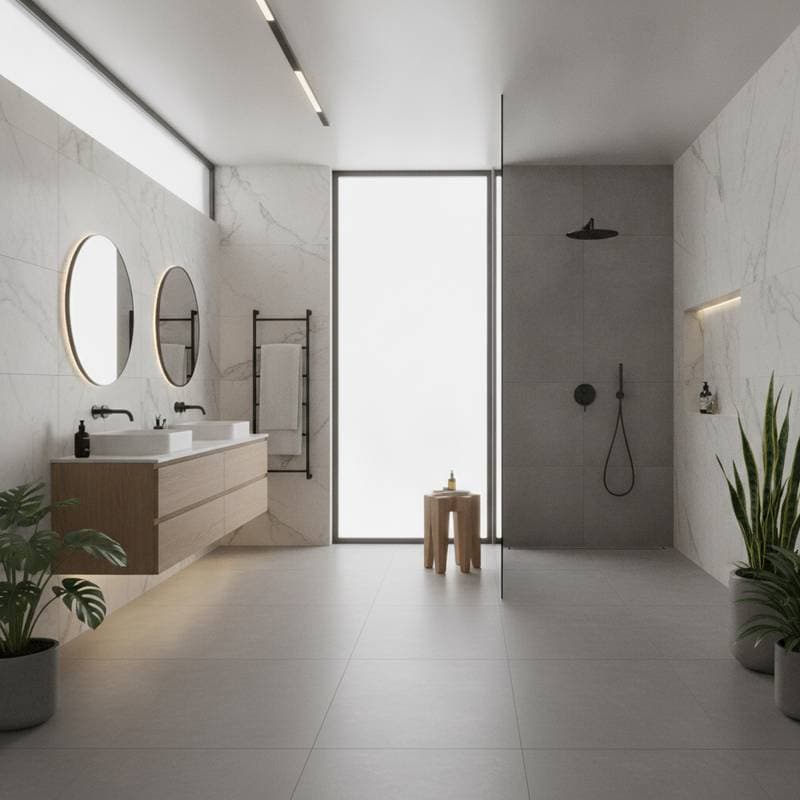
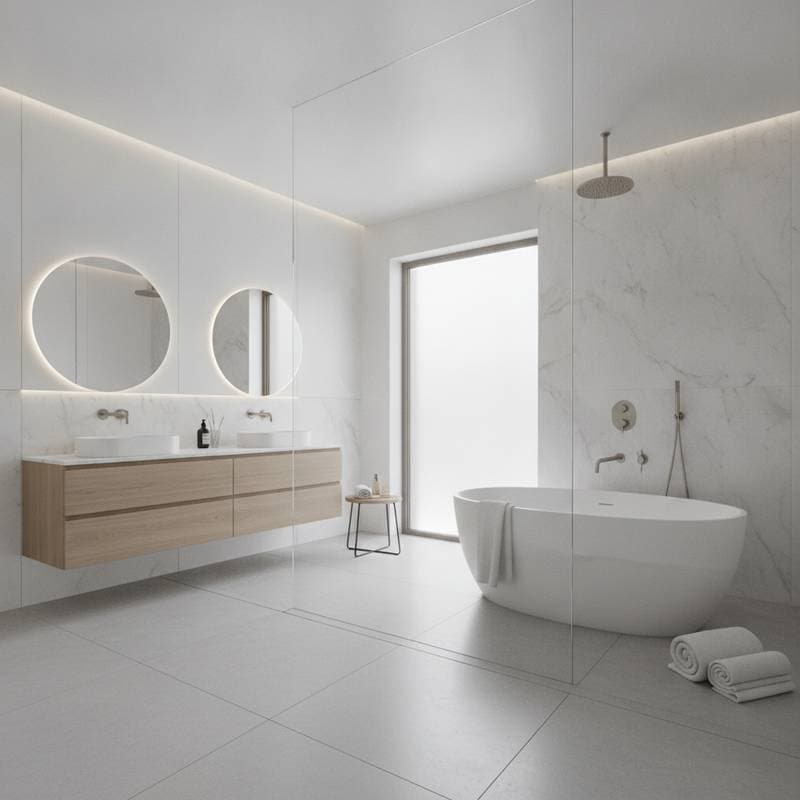
Wet rooms represent a shift in bathroom design toward open, integrated spaces. These setups eliminate traditional shower enclosures and trays, creating a seamless flow across the floor. Homeowners increasingly choose wet rooms for their modern aesthetic and functional advantages, particularly in resale scenarios.
The concept originated in Europe and has gained traction in the United States as accessibility becomes a priority. By 2026, market analyses predict that properties with wet rooms will command an 11 percent premium over comparable homes with standard bathrooms. This boost stems from buyer preferences for low-maintenance, adaptable features that suit diverse lifestyles.
The Impact on Home Resale Value
Incorporating a wet room can significantly enhance your property's market appeal. Real estate experts note that bathrooms influence buyer decisions more than any other interior space. A wet room addresses common pain points, such as confined shower areas and high cleaning demands, making the home feel more spacious and contemporary.
Data from recent housing trends indicates that renovations yielding accessibility improvements return the highest value. For instance, replacing a bathtub with a walk-in wet room not only modernizes the space but also appeals to aging-in-place buyers and families. This targeted upgrade can yield a return on investment exceeding 70 percent, far surpassing basic cosmetic changes.
Buyers in competitive markets prioritize homes that require minimal modifications. A well-executed wet room signals thoughtful design, potentially shortening the time on market by weeks. As urban living evolves, such features align with the demand for versatile, future-proof interiors.
Key Benefits of Wet Rooms for Homeowners
Wet rooms offer practical advantages that extend beyond aesthetics. The open layout maximizes floor space, ideal for smaller bathrooms where every inch counts. Without curbs or doors, movement flows freely, reducing the risk of trips and enhancing daily usability.
Maintenance proves simpler in these designs. Waterproof flooring and wall treatments resist moisture buildup, minimizing mold risks compared to enclosed showers. Homeowners report spending less time on cleaning routines, freeing up hours for other priorities.
From a resale perspective, wet rooms cater to a broad audience. Young professionals appreciate the sleek, minimalist vibe, while seniors value the safety elements. This versatility broadens the buyer pool, driving up offers in diverse neighborhoods.
Accessibility and Safety Features
Safety forms the cornerstone of wet room design. Level-entry floors eliminate steps, a critical factor for wheelchair users or those with mobility challenges. Non-slip tiles and grab bars integrate discreetly, providing support without compromising style.
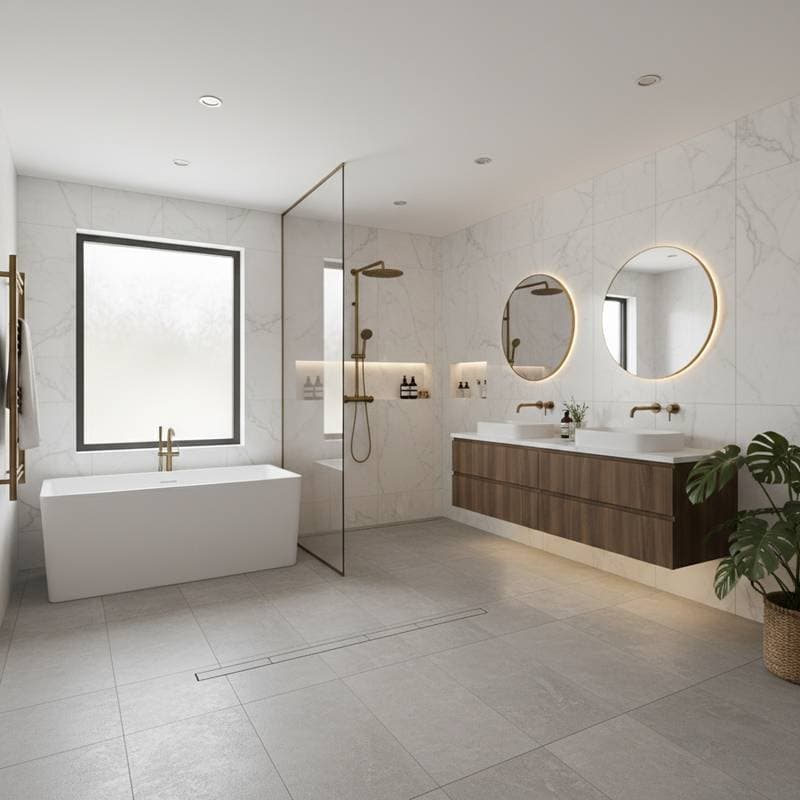
Proper installation ensures water containment through sloped floors and linear drains. These elements prevent leaks and slips, addressing common concerns in traditional setups. Builders recommend consulting certified professionals to meet building codes, safeguarding both occupants and property value.
Design Tips for a Stylish Wet Room
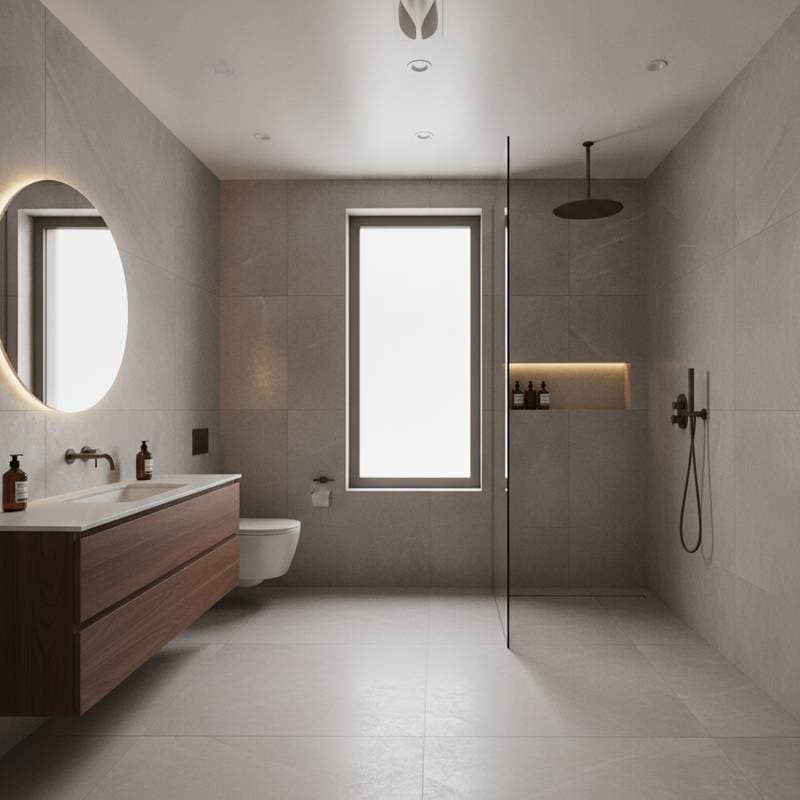
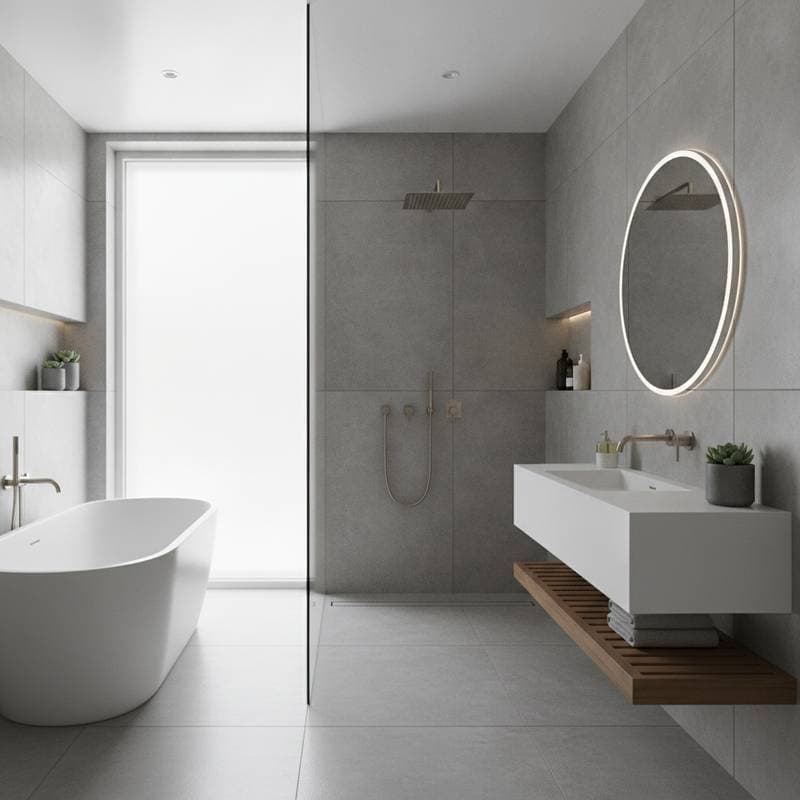
Creating an effective wet room requires attention to detail. Select durable, water-resistant materials like porcelain tiles or sealed concrete for floors. Opt for large-format tiles to reduce grout lines, which simplifies cleaning and creates a seamless look.
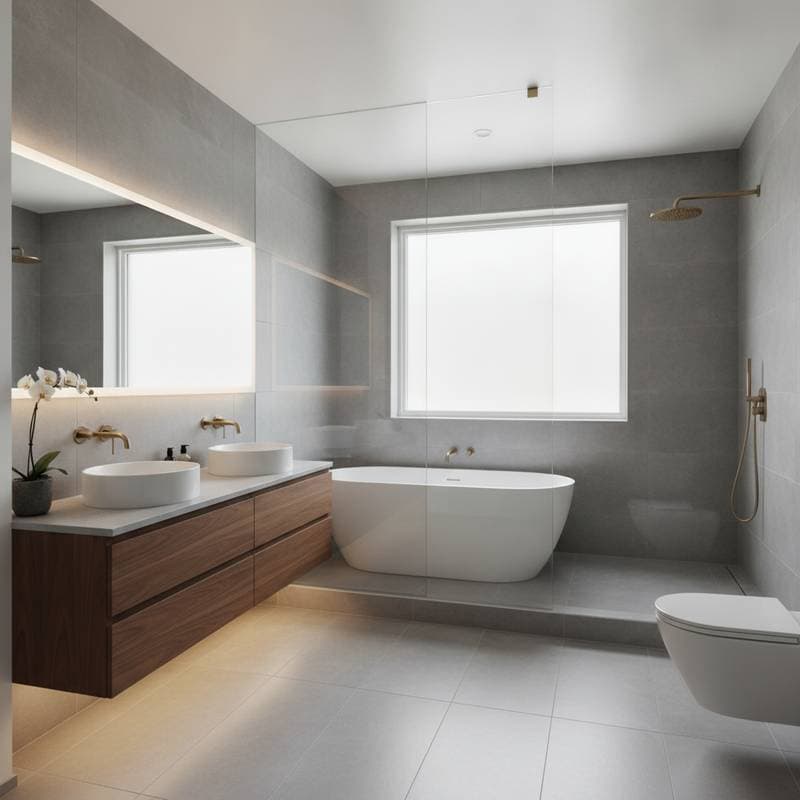
Lighting plays a vital role in enhancing the space. Recessed fixtures provide even illumination, while vanity mirrors with integrated LEDs add functionality. Incorporate natural light through frosted glass panels if privacy allows, fostering a spa-like atmosphere.
Color schemes influence perceived space. Neutral palettes with bold accents, such as matte black fixtures against white tiles, deliver a sophisticated edge. Storage solutions, like recessed shelves or floating vanities, maintain the open feel while keeping essentials accessible.
Integrating Technology and Fixtures
Modern wet rooms benefit from smart integrations. Rainfall showerheads with thermostatic controls ensure consistent water temperature, elevating the user experience. Heated floors add luxury, particularly in colder climates, and appeal to buyers seeking comfort upgrades.
Choose fixtures that blend form and function. Wall-mounted toilets save space, and concealed cisterns contribute to the streamlined design. Ventilation systems with humidity sensors prevent condensation, preserving air quality and material integrity over time.
Remodeling Costs and Timelines
Budgeting for a wet room renovation involves several factors. Basic conversions from existing bathrooms range from $10,000 to $20,000, depending on size and materials. High-end options with custom features may reach $30,000 or more.
Costs break down as follows:
- Demolition and plumbing adjustments: 20-30 percent of total.
- Waterproofing and tiling: 40-50 percent.
- Fixtures and accessories: 20-30 percent.
Professional labor accounts for a significant portion, emphasizing the need for experienced contractors. DIY attempts risk waterproofing failures, which could lead to costly repairs and diminish resale value.
Timelines typically span 4-6 weeks for a standard project. Preparation, including permits and material sourcing, adds 1-2 weeks upfront. Disruptions remain minimal if planning includes temporary facilities, allowing homeowners to maintain routines during the process.
Maintenance and Long-Term Care
Sustaining a wet room demands routine vigilance. Daily wiping of surfaces prevents water spots and soap scum accumulation. Use mild cleaners on sealed materials to avoid damage, and inspect drains quarterly for clogs.
Annual professional checks verify waterproofing integrity. Sealants may require reapplication every 2-3 years, a straightforward task that preserves the investment. Proper care ensures the space remains inviting, supporting its value-enhancing role.
Making the Upgrade Worthwhile
Investing in a wet room positions your home as a standout in the market. This renovation combines style, safety, and efficiency, delivering tangible returns through higher offers and faster sales. Consult local real estate trends to tailor the design to your area's preferences, maximizing the 11 percent value uplift.
Homeowners who prioritize such updates often see broader benefits, from improved daily living to enhanced property equity. Take the first step by assessing your bathroom's potential and partnering with skilled remodelers to bring this vision to life.