Understanding UV Sanitizing Bathrooms
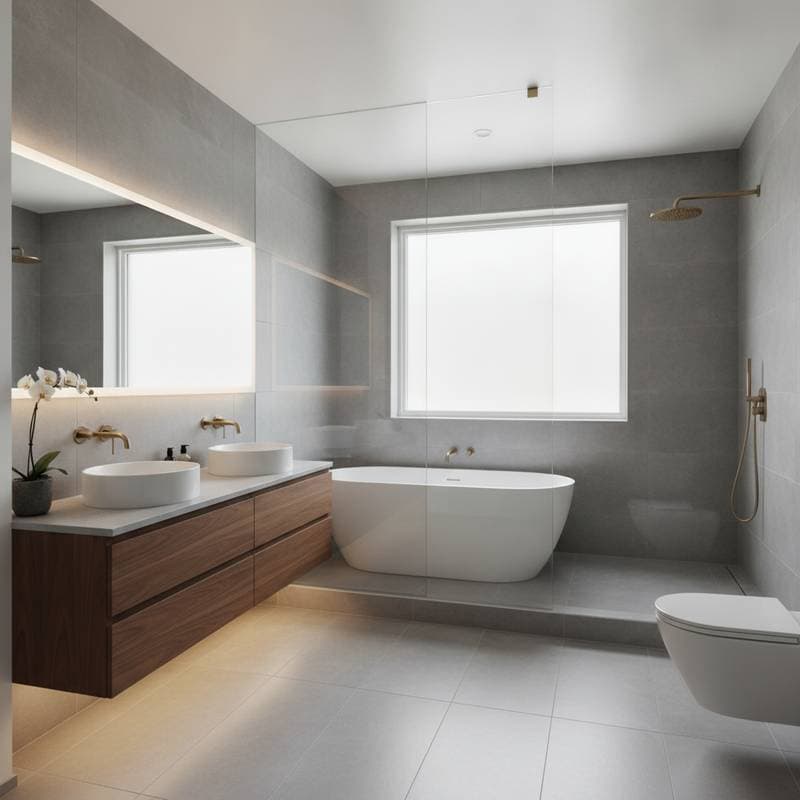
UV sanitizing bathrooms employ ultraviolet light to eliminate bacteria, viruses, and mold from surfaces and the air. These systems integrate conventional plumbing elements with embedded UV-C lamps or portable sanitizing tools. Homeowners, property managers, and developers benefit from this approach, particularly in busy households, rental units, and wellness-oriented remodels.
UV sanitation technology, long established in medical facilities and laboratories, now enters residential applications. It diminishes germ populations without relying on frequent chemical applications and positions the property as forward-thinking and health-aware to potential purchasers.
Installation Cost Overview
Installing UV sanitizing fixtures or complete systems typically ranges from $800 to $2,500 for an entire bathroom. Individual fixture upgrades fall between $150 and $600 per unit. Premium configurations that incorporate air purification or automated controls may exceed $4,000.
Several factors influence these expenses:
- Type and brand of the fixture
- Requirements for electrical wiring or power sources
- Dimensions of the bathroom and ventilation setup
- Sophistication of the control and automation features
- Choice between professional installation and retrofitting
In a compact half-bathroom, a combined UV fan and light unit often suffices. Expansive bathrooms require several fixtures to ensure comprehensive coverage.
Advantages and Drawbacks
Advantages
- Diminishes bacterial and mold proliferation on surfaces
- Decreases cleaning duration and reliance on chemicals
- Enhances appeal to buyers prioritizing health features
- Aligns with current trends in home automation
- Integrates seamlessly with intelligent lighting networks
Drawbacks
- Initial investment surpasses that of conventional fixtures
- Bulbs require replacement every nine to twelve months
- Necessitates access to electricity or potential rewiring
- Poses exposure risks if operated improperly
- Provides no observable transformation, so regular cleaning remains essential
Available Options and Variations
1. UV Fan-Light Combinations
These ceiling-mounted units sanitize both air and visible surfaces. They suit compact bathrooms or powder rooms effectively.
2. UV Vanity Installations
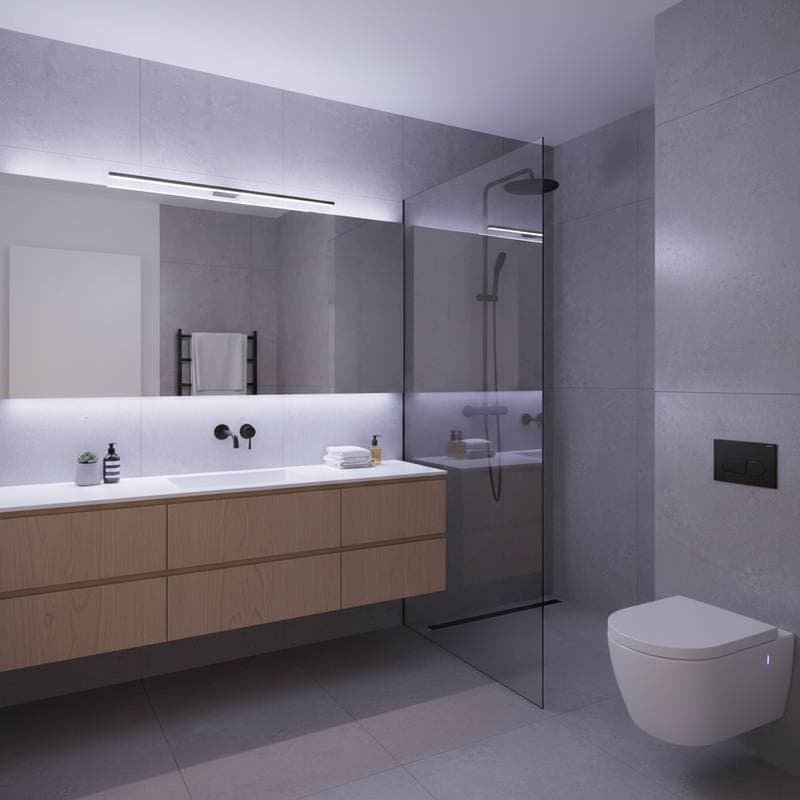
Integrated into mirrors or light fixtures, these target sinks and countertops. They prove ideal for routine-use zones.
3. UV Toilet Systems
Featuring self-sanitizing lids or internal bowl illumination, these excel in rental properties or high-traffic areas.
4. UV Air Purification Units
Positioned in ventilation ducts or as independent devices, they address airborne pathogens and smells.
5. Portable UV Sanitizers
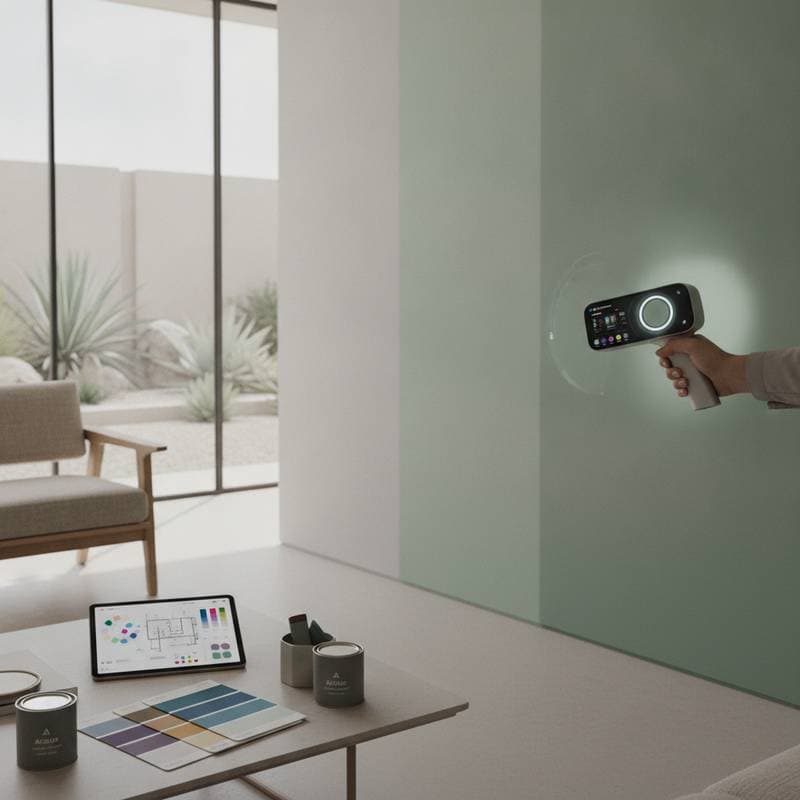
Manual wands or enclosed boxes enable targeted surface treatment. Renters or those preferring non-permanent solutions find these practical.
Each variant provides distinct coverage levels and upkeep demands. Ceiling installations operate continuously on air quality, whereas vanity and toilet units concentrate on high-touch areas.
DIY Installation Versus Professional Services
Plug-and-play UV devices and portable models lend themselves to do-it-yourself efforts. Ceiling-mounted or hardwired fixtures generally demand a qualified electrician.
- Complexity Level: Moderate to advanced for electrical integrations
- Duration: One to four hours per fixture
- Required Tools: Voltage tester, drill, screwdriver, wire connectors
- Potential Hazards: Electrical shock or equipment malfunction from improper wiring
Engage professionals for tasks involving new circuit additions, ventilation alterations, or smart home integrations. Certified electricians guarantee secure functionality and adherence to building codes.
Basic Installation Steps
- Disconnect power at the circuit breaker.
- Detach the existing fixture or ready the installation location.
- Examine wiring for wear or deterioration.
- Affix the mounting bracket and attach electrical connections.
- Fasten the fixture and insert the UV bulb or component.
- Reconnect power and verify performance.
- Configure timers or automation features as needed.
- Wipe the lens or enclosure to optimize efficiency.
- Properly discard old bulbs at designated hazardous waste facilities.
Adhere to the manufacturer's instructions for handling bulbs safely. UV lamps prove delicate and may contain trace mercury.
Upkeep and Durability
UV bulbs generally endure nine to twelve months of service. Replace them upon noticing diminished brightness or reduced efficacy. Wipe lenses every two to four weeks with a soft cloth.
Conduct annual inspections of wiring and mounts. Many fixtures include warranties spanning one to three years for electronic and structural components.## Comparable Solutions
1. Antimicrobial Surfaces
Coated with silver or copper agents, these inhibit bacterial development. They cost less but act more gradually than UV methods.
2. Steam Sanitation Systems
These apply heat to eradicate germs in tiles and grout. They facilitate thorough cleans but demand significant effort.
3. HEPA Filtration Systems
Designed for ventilation, these trap airborne particles without addressing surface contaminants. Pairing with UV yields optimal results.
4. Ozone Devices
Effective for air treatment, these require careful use owing to inhalation concerns. They do not suit ongoing applications.
Select alternatives based on specific priorities. UV delivers ongoing disinfection, unlike options dependent on manual activation or air circulation.
Regional Considerations
Expenses vary according to local labor costs. Urban settings frequently incur higher fees for electrical services. In humid or seaside locales, materials resistant to corrosion extend fixture longevity.
Colder regions might experience efficiency dips if systems link to condensing ventilation. Certain municipalities mandate electrical permits for fixture additions. Consult the local building authority, and confirm compliance with energy standards where applicable.
Return on Investment and Market Impact
UV sanitizing bathrooms heighten buyer engagement, particularly in wellness-centric markets. Properties showcasing hygiene innovations typically move quicker than similar unenhanced listings.
Anticipate recovering 60 to 75 percent of the investment through increased value, contingent on regional preferences. For rental owners, these upgrades justify elevated rents and reduce service requests tied to odors or dampness.
Purchasers view UV-equipped bathrooms as contemporary, effortless to maintain, and secure for families. Such attributes alone expedite sales processes.
Essential Safety Guidelines
While UV light neutralizes pathogens, it harms skin and eyes upon direct contact.
- Avoid gazing into operational UV sources.
- Select units equipped with auto-shutoff or sensor mechanisms.
- Exclude children and animals during handheld sanitization.
- Comply with mercury disposal protocols for bulbs.
- Purchase only UL- or CE-certified products.
For portable tools, activate them in unoccupied spaces. Fixed installations benefit from timers and sensors to avert unintended exposure.
Frequently Asked Questions
Do UV sanitizing bathrooms effectively eliminate germs?
Yes. UV-C wavelengths disrupt the DNA and RNA of bacteria and viruses, preventing replication.
Can UV fixtures eliminate the need for regular cleaning?
No. They curb microbial accumulation but fail to clear dirt or residues.
What is the power consumption of UV fixtures?
Units typically require 10 to 60 watts, comparable to LED bulbs. Ongoing operations may elevate energy slightly, though efficiency prevails.
Is retrofitting existing fixtures with UV bulbs possible?
Only with UV-compatible housings. Ordinary materials obstruct UV rays and risk degradation.
What maintenance do these systems demand?
Clean lenses routinely, swap bulbs yearly, and monitor controls periodically.
Implementing Your Upgrade
For imminent sales, UV sanitizing bathrooms distinguish your property effectively. Pair them with pristine surfaces, ample illumination, and robust airflow. Retain documentation and specifications for marketing purposes.
Secure estimates from three licensed electricians, verify regulatory needs, and prioritize certified fixtures. Thoughtful design fused with hygienic innovation fosters buyer trust and accelerates transactions.