Dark Cabinets: The Trend Driving 2026 Home Sales
Takeaway: Plan to invest between $8,000 and $18,000 for a comprehensive kitchen cabinet update with dark finishes. Selecting the appropriate shade and texture enhances resale appeal and refreshes the space without requiring a complete kitchen overhaul.
Why Dark Cabinets Are Winning Buyers
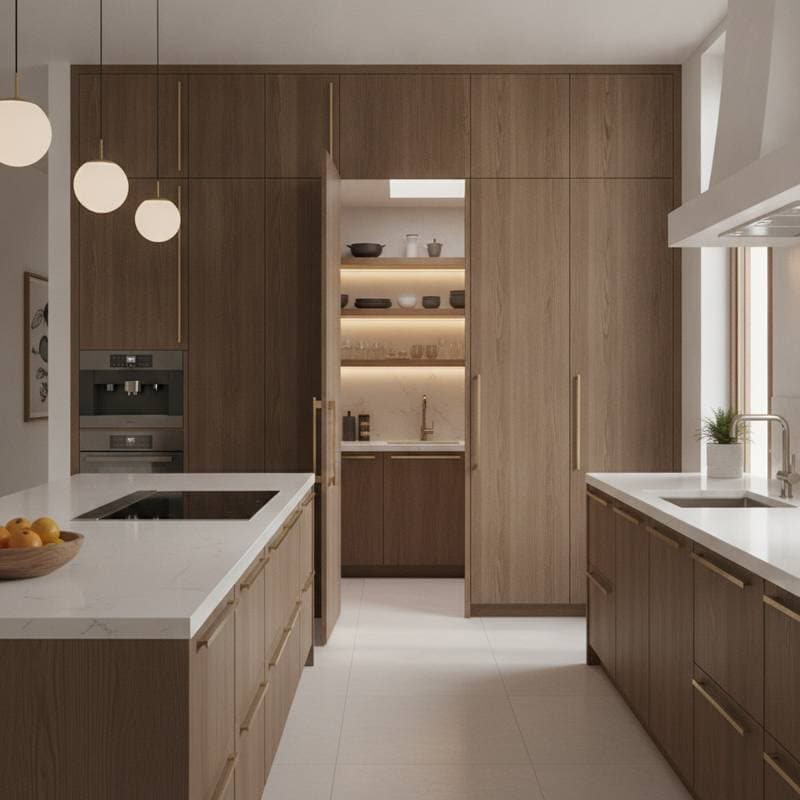
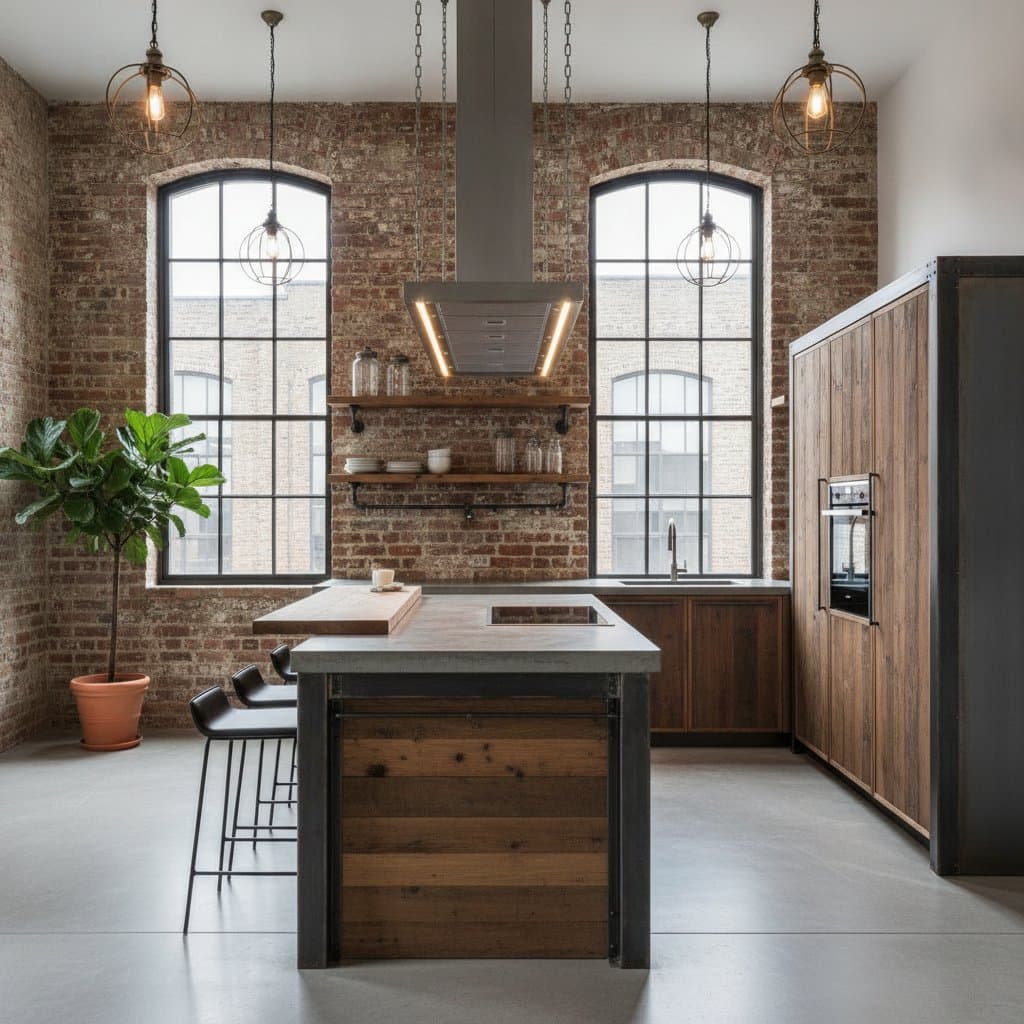
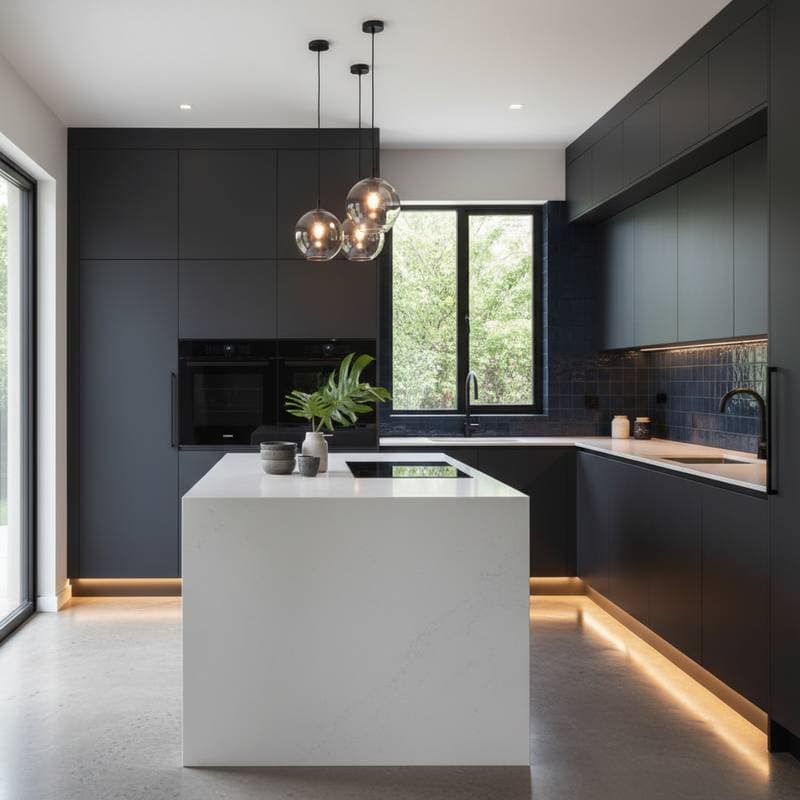
Dark kitchen cabinets transition from a specialized choice to a widespread preference. These cabinets deliver a stable, luxurious appearance that complements both contemporary and classic home styles. Prospective buyers frequently characterize darker cabinetry as polished or bespoke, which accelerates sales when combined with appropriate lighting and refreshed hardware.
The appeal stems not solely from color but from the resulting contrast. Rich tones such as charcoal, espresso, and navy provide stability in open-plan kitchens that merge with adjacent living spaces. In residences featuring light-colored floors or neutral walls, dark cabinets introduce depth and visual interest without necessitating structural modifications.
Homeowners benefit from this trend through increased perceived value. Real estate professionals note that properties with dark cabinetry command higher offers, particularly in competitive markets. The versatility of these finishes allows integration with various countertop materials and backsplashes, broadening their suitability across diverse architectural designs.
Options and Finish Levels
Basic: Painted or Stained Existing Cabinets
- Cost: $2,500 to $5,500
- Action: Thoroughly clean surfaces, sand to create a smooth base, apply primer, and then paint or stain doors and frames.
- Look: A straightforward update that revitalizes cabinets in good structural condition.
- Warning: Neglect proper preparation, and the fresh finish peels prematurely, often within several months.
This level suits budgets focused on minimal disruption. It preserves existing cabinetry while achieving a modern dark aesthetic. Professionals recommend high-quality, low-VOC paints to minimize health risks and ensure even coverage.
Midrange: Partial Replacement
- Cost: $8,000 to $12,000
- Action: Install new doors and drawer fronts while retaining the original cabinet boxes; apply matching veneer or paint for uniformity.
- Look: Achieves a tailored appearance at approximately half the expense of complete new installations.
- Lifespan: 10 to 15 years, provided regular cleaning prevents buildup of residues.
Partial replacement offers a balance of cost and customization. It allows for soft-close mechanisms and adjustable shelving in updated components. This approach proves ideal for kitchens where the framework remains sturdy but exteriors show wear.
Premium: Full Replacement
- Cost: $15,000 to $25,000 or higher
- Action: Install entirely new custom-built cabinets, incorporate enhanced interiors, and apply professional-grade finishes.
- Look: Delivers a cohesive design with built-in storage solutions and integrated lighting options.
- Lifespan: More than 20 years when properly sealed and maintained.
Full replacement maximizes long-term functionality and aesthetics. Custom options enable precise fit around appliances and unique layouts. Invest in durable hardwoods like maple or oak for bases that withstand daily use and humidity fluctuations.
Safety and Preparation
Tools and Gear:
- N95 respirator or mask rated for paint fumes
- Protective goggles
- Nitrile gloves
- Drop cloths and plastic sheeting
- Orbital sander equipped with 180-grit sandpaper
Prep Steps:
- Disconnect power to nearby outlets to prevent accidents.
- Detach doors, drawers, and hardware; label each item for reassembly.
- Remove grease using a degreaser or diluted TSP solution.
- Sand surfaces lightly to promote adhesion.
- Vacuum away dust particles, followed by a wipe with a tack cloth.
Inadequate cleaning represents the primary reason for finish failures. Maintain excellent ventilation, especially with oil-based products, to avoid inhaling vapors. Consult local regulations for safe disposal of sanding dust and chemical residues.
Timing and Savings
Projects involving dark cabinetry typically require extended periods due to curing times and material procurement. Allocate 3 to 6 weeks from initial order to final installation.
Ways to Save:
- Opt for refacing over full replacement if the cabinet boxes prove structurally sound.
- Select semi-custom cabinet lines instead of bespoke designs.
- Paint cabinet interiors in white to lessen reliance on additional lighting.
- Purchase hardware in larger quantities or from wholesale builder suppliers.
Schedule work during off-peak seasons for contractors to secure 5 to 10 percent reductions in labor costs. Verify lead times prior to demolition to prevent extended periods without kitchen access. Coordinate with suppliers early to align material deliveries with installation schedules.
Market Insight: Why Buyers Respond to Dark Kitchens
Prospective home buyers gravitate toward kitchens that convey stability and purpose. Dark cabinets establish this atmosphere by outlining countertops and highlighting hardware and illumination elements. Real estate agents observe that listings featuring refreshed dark cabinetry distinguish themselves in virtual tours, where pale kitchens often appear indistinct.
This preference aligns with an evolving emphasis on inviting, textured environments. Dark finishes harmonize with ambient lighting, natural stone surfaces, and subdued metal accents. Such combinations enhance photographic appeal, crucial for digital marketing in real estate.
For owners planning extended occupancy, darker shades conceal everyday wear more effectively than vivid colors. They resist minor scratches, spills, and hardware tarnish, delaying the need for repaints. This durability contributes to sustained property value over time.
Your Next Steps
- Measure and photograph your kitchen. Record precise dimensions and observe current lighting conditions for consultations with designers or suppliers.
- Set your budget range. Allocate 10 to 15 percent extra for unforeseen repairs or additional trim elements.
- Order samples. Evaluate two to three dark shades alongside your existing floors and countertops.
- Decide on upgrade level. Choose refinishing, refacing, or full replacement based on current cabinet integrity and resale objectives.
- Book your contractor early. Demand increases during peak home improvement periods, extending wait times.
- Plan lighting. Incorporate under-cabinet LED strips or pendant lights prior to cabinet mounting.
- Confirm cleaning and care instructions. Implement protective measures from installation onward to preserve the finish.
Achieving Lasting Value with Dark Cabinets
Dark cabinets transcend temporary fashion; they represent a strategic enhancement for kitchen functionality and enduring style. Careful selection paired with balanced illumination yields a space that appeals to buyers across market fluctuations. This investment not only elevates immediate enjoyment but also secures financial returns through heightened resale potential.