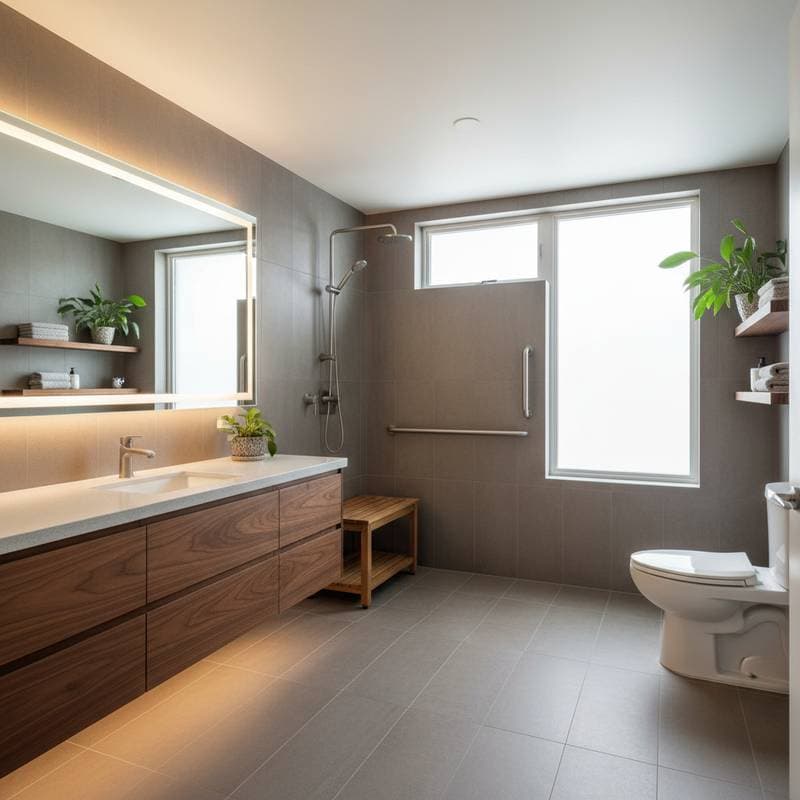
Aging-in-Place Bathrooms: Achieving a 15% Return on Investment for Future Sales
Key Takeaway: A thoughtfully executed aging-in-place bathroom renovation generally ranges from $12,000 to $28,000 and delivers up to 15% increased resale value when positioned as an accessible, forward-thinking feature.
The Value of Accessibility in Modern Homes
Homebuyers increasingly seek properties equipped with features that support long-term livability. An aging-in-place bathroom enhances safety and convenience, which directly elevates market appeal and shortens time on the market. This design approach not only appeals to aging homeowners but also attracts a broader demographic, including families planning for future needs.
The financial benefits extend beyond immediate resale. Such renovations minimize the need for costly adaptations by subsequent owners, positioning the home as low-maintenance and versatile. Essential elements include step-free entryways, slip-resistant flooring, and ergonomically placed fixtures, all of which contribute to both daily usability and premium pricing.
Levels of Aging-in-Place Renovations
Aging-in-place bathrooms can be customized across different scopes, each offering a balance of functionality, safety, and investment return. Selecting the appropriate level depends on the existing space, budget constraints, and intended use.
Entry-Level Modifications
This option focuses on targeted enhancements without major structural changes.
- Install reinforced grab bars near the toilet and shower.
- Apply non-slip mats or textured flooring overlays.
- Upgrade to lever-style faucets and comfort-height toilets.
Estimated cost: $4,000 to $8,000.
Ideal for compact bathrooms or projects with tight timelines, these updates provide immediate safety improvements and subtle market differentiation.
Intermediate Transformations
Here, the emphasis shifts to more integrated accessibility features that enhance flow and usability.
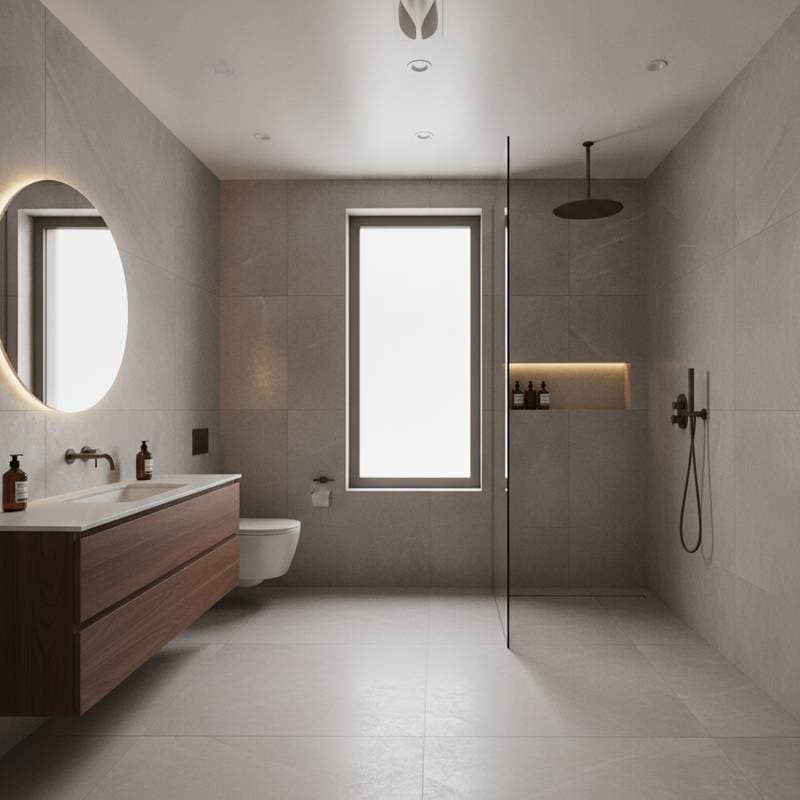
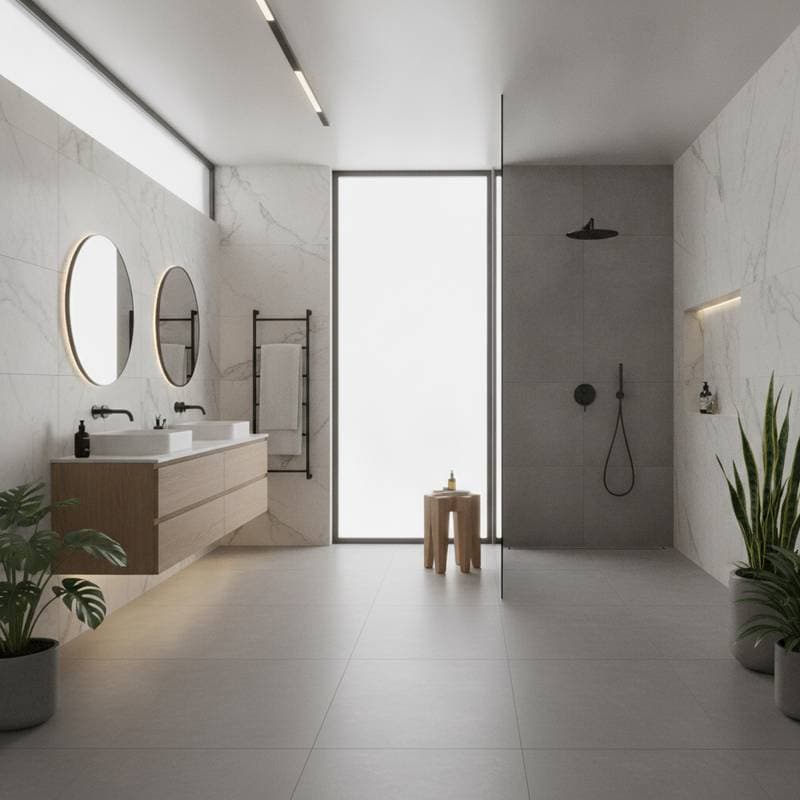
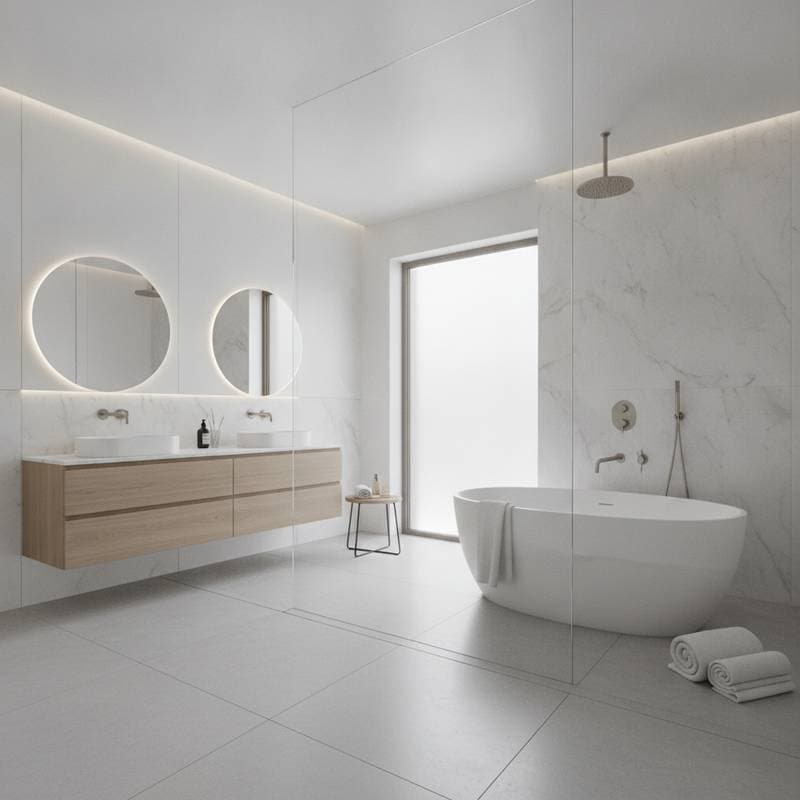
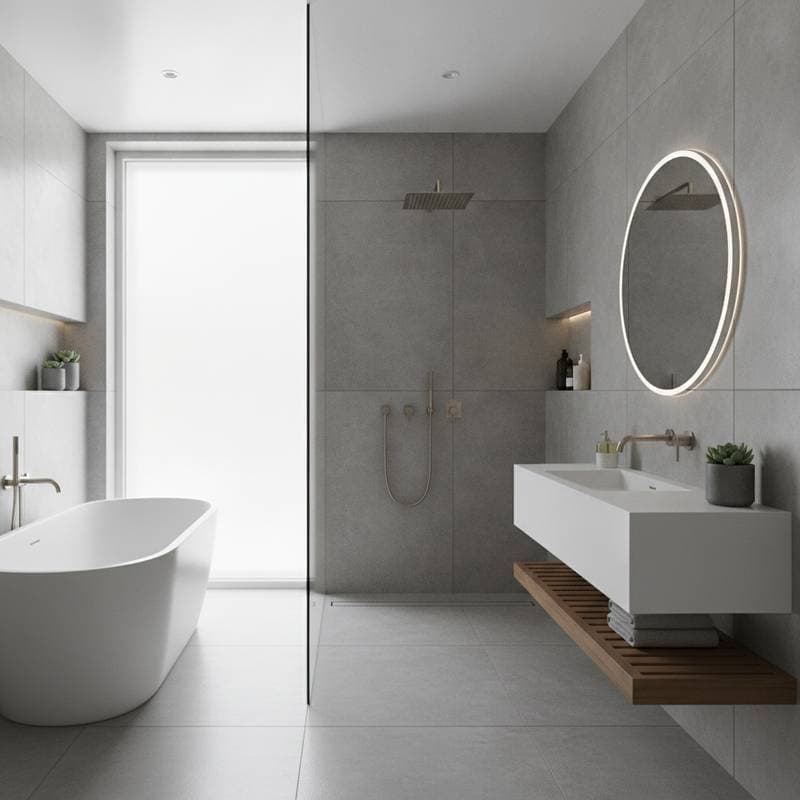
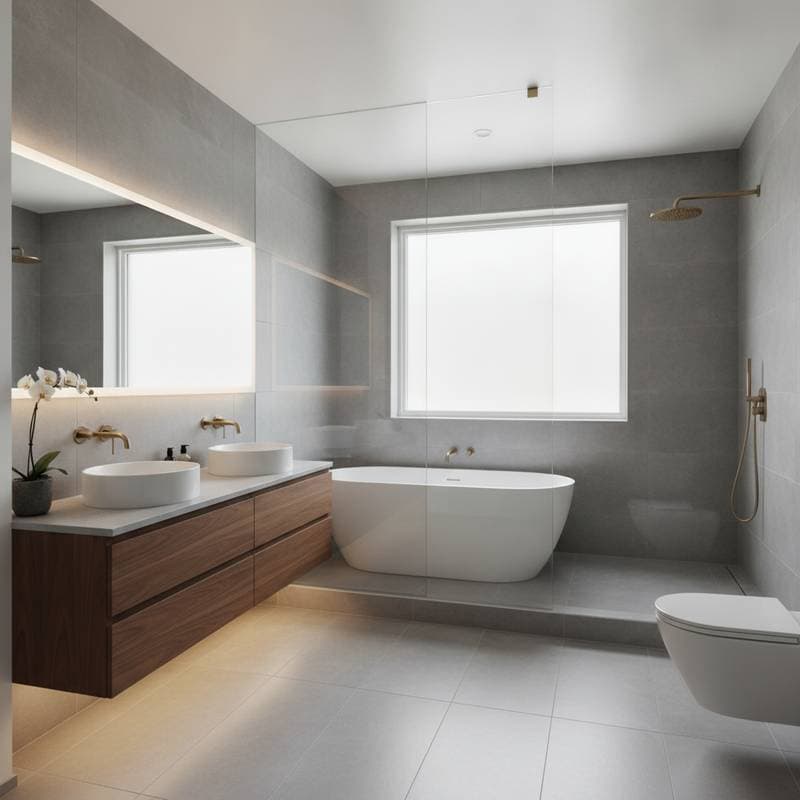
- Convert to a curbless shower or incorporate a low-threshold walk-in tub.
- Widen doorways to at least 32 inches for wheelchair access.
- Install adjustable-height counters and enhanced LED lighting for better visibility.
Estimated cost: $12,000 to $18,000.
Suited for primary or secondary bathrooms, this tier appeals to buyers valuing practical upgrades that support multigenerational living.
Comprehensive Overhauls
For maximum impact, a full redesign reimagines the entire space with universal design principles.
- Relocate plumbing to create an open, barrier-free layout.
- Feature a roll-in shower with integrated seating and handheld sprayers.
- Integrate smart thermostats, motion-sensor lights, and anti-scald devices.
- Select durable, low-maintenance materials like vinyl plank flooring and quartz surfaces.
Estimated cost: $22,000 to $28,000 or more.
This approach excels for homeowners committed to aging in place or those aiming to command top-dollar resale prices through premium, future-proof features.
Project Timeline and Cost-Saving Strategies
Renovation duration typically spans 2 to 5 weeks, influenced by the project's scale and material availability. Delays often arise from custom fixture production or supply chain issues with tiles and plumbing components.
To optimize efficiency and control expenses:
- Secure fixture orders well in advance to sidestep expedited delivery fees.
- Time the project for off-peak seasons, such as late spring or early autumn, when contractor schedules are less congested.
- Coordinate multiple specialists, including plumbers and electricians, to overlap phases and minimize disruptions.
- Explore incentives like rebates for water-saving toilets or energy-efficient lighting from local utilities.
Allocate an additional 10 to 15 percent of the budget for unforeseen issues, particularly in homes over 20 years old, where problems like corroded pipes or mold may surface. For sellers, finishing the work at least three months prior to listing ensures ample time for curing, inspections, and professional photography that highlights the upgrades.
Essential Safety Protocols and Compliance
Prior to any work, establish a secure environment to protect occupants and workers alike.
Personal Protective Equipment
- Equip with impact-resistant eyewear and heavy-duty gloves.
- Use N95-rated respirators during dust-generating tasks like grout removal.
- Wear footwear with rubber soles to prevent slips on wet or debris-strewn surfaces.
Utility Precautions
- Isolate water flow by closing the main shutoff valve or individual lines.
- Disconnect electricity via the dedicated circuit breaker to eliminate shock hazards.
Regulatory Considerations
Permits become necessary for alterations involving:
-
Relocation of pipes, drains, or wiring.
-
Modifications to load-bearing elements, such as door frames.
-
Addition of exhaust systems or new electrical outlets.
Engage licensed experts for critical tasks:
-
All solder joints, seals, and pipe installations.
-
Circuit upgrades or grounding installations.
-
Membrane applications that interface with structural components.
Adhering to building codes not only avoids fines but also safeguards warranty validity and resale eligibility. Schedule professional inspections at key milestones, especially for hidden systems, to document compliance.
Pitfalls to Sidestep in Aging-in-Place Projects
Even experienced renovators encounter challenges that can undermine safety and value. Addressing these proactively ensures a robust outcome.
-
Fail to install wall blocking for grab bar supports during framing; surface-mounted anchors lack the strength to withstand falls.
-
Opt for polished ceramic tiles prone to hydroplaning; prioritize options with a coefficient of friction above 0.6.
-
Overlook precise grading in barrier-free showers, leading to persistent puddles and subfloor damage.
-
Cram in oversized fixtures that impede navigation; maintain at least 30 inches of clear pathway for aids like walkers.
-
Underplan illumination layers, from ambient to task lighting, which heightens accident risks in low-light conditions.
Remediating errors post-installation often doubles expenses and disrupts occupancy, so integrate quality checks throughout the process.
Executing Your Renovation Plan
Begin with a thorough evaluation: measure dimensions, identify obstacles like steep thresholds or low-hanging cabinets, and prioritize needs based on lifestyle or market goals. Solicit bids from no fewer than three certified contractors, specifying details on moisture barriers, product certifications, and completion schedules.
Request portfolios of similar installations, verifying that supports comply with ADA guidelines for 250-pound load capacity and that sealing extends adequately to prevent leaks. The standout upgrade, if limited to one, is a seamless-entry shower paired with fortified backing— it fosters enduring accessibility while elevating aesthetic appeal.
During construction, enforce protocols for site tidiness and progress reviews. Examine rough-ins before enclosing them to catch discrepancies early.
Steps to Launch Your Project
-
Evaluate existing barriers in your bathroom, from entry points to fixture heights.
-
Establish a budget range of $12,000 to $28,000, factoring in potential overruns.
-
Arrange consultations with specialists to lock in competitive rates.
-
Procure essential components ahead of the start date.
-
Maintain organized files for permits, receipts, and guarantees to support future claims or sales disclosures.
Investing in an aging-in-place bathroom yields enduring benefits: enhanced daily security, substantial equity growth, and a home that adapts seamlessly to evolving needs.