The Rising Value of Accessible Bathrooms in Modern Homes
Homeowners increasingly seek features that support long-term living. Accessible bathrooms stand out as a key upgrade, enhancing safety and comfort while significantly boosting property value. Recent market analyses indicate these modifications can increase resale prices by up to 15 percent by 2026, reflecting growing demand from diverse buyers.
This trend aligns with broader shifts toward inclusive design. As populations age, buyers prioritize spaces that accommodate mobility needs without sacrificing aesthetics. Such renovations not only appeal to seniors but also attract younger families planning for future adaptability.
Understanding Aging-in-Place Design
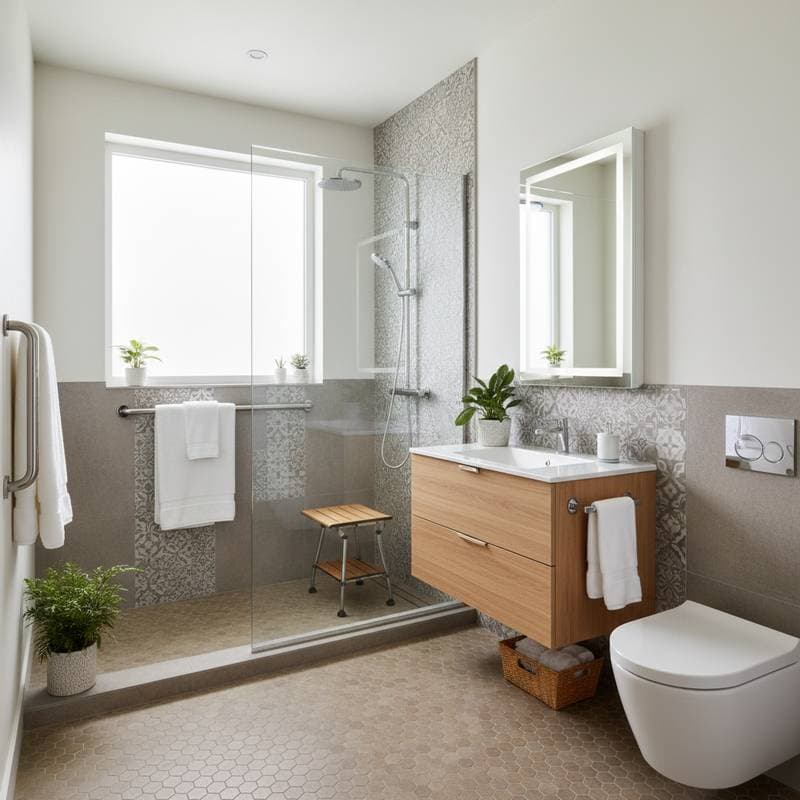
Aging-in-place refers to modifications that allow individuals to remain in their homes comfortably as they age. In bathrooms, this involves installing elements like grab bars, walk-in showers, and lever-handled faucets. These features reduce fall risks and simplify daily routines.
The appeal extends beyond immediate users. Real estate experts note that universal design principles create versatile spaces suitable for all ages. Properties with these upgrades often sell faster and at premium prices, as they address a wide range of buyer preferences.
Key Benefits for Safety and Comfort
Safety forms the foundation of accessible bathroom design. Non-slip flooring and raised toilet seats prevent accidents, which are common in wet environments. Comfort follows closely, with adjustable-height counters and seating options that minimize strain during use.
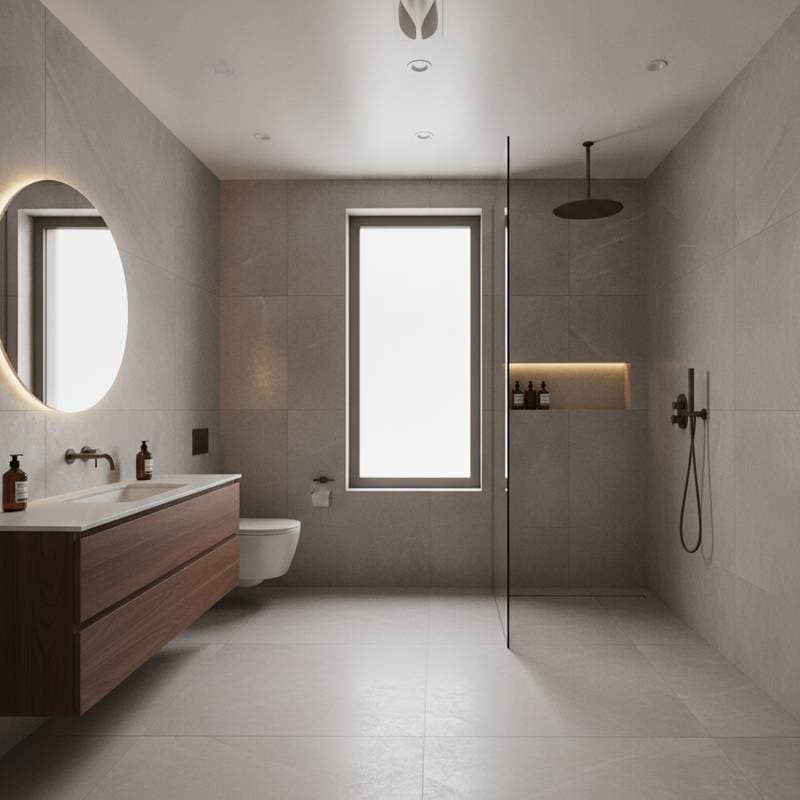
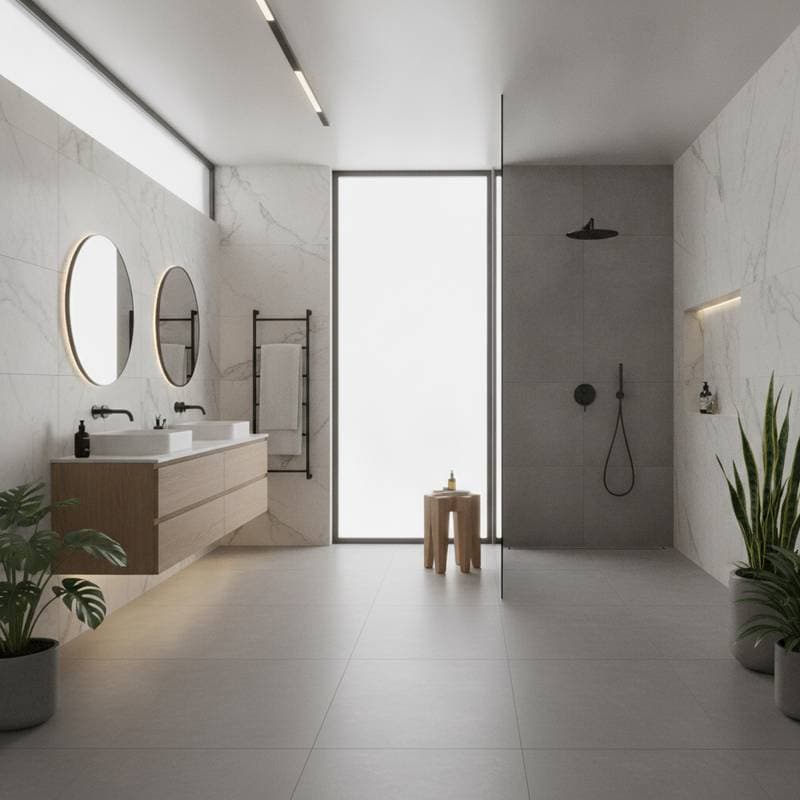
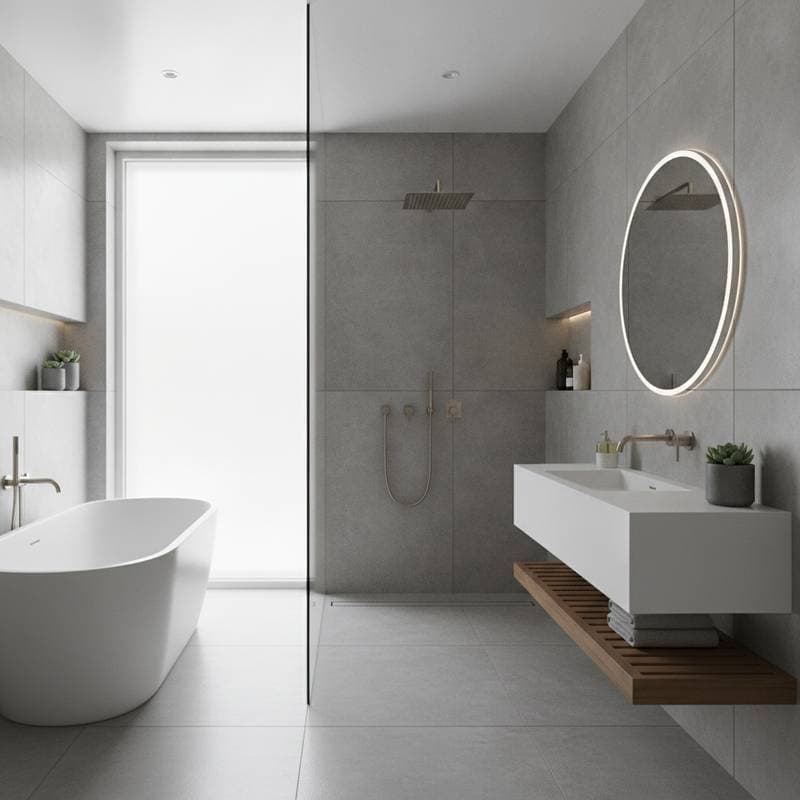
These enhancements promote independence. For instance, a curbless shower entry eliminates tripping hazards and eases wheelchair access. Overall, such bathrooms foster a sense of security, encouraging homeowners to stay put rather than relocate.
Impact on Home Resale Value
Market data underscores the financial upside. Accessible bathrooms can add 15 percent to a home's sale price, driven by buyer interest in low-maintenance, adaptable properties. This projection holds particularly true in regions with aging demographics.
Investors recognize this potential. Upgraded bathrooms signal thoughtful foresight, differentiating a home in competitive markets. Studies from housing associations confirm that such features yield strong returns, often recouping costs within a few years of resale.
Realistic Costs of Bathroom Upgrades
Budgeting requires careful consideration of scope and materials. Basic accessibility additions, such as grab bars and lever handles, start at around 9,000 dollars. More comprehensive remodels, including shower conversions and vanity adjustments, range up to 23,000 dollars.
Factors influencing price include labor rates and fixture quality. Homeowners can save by prioritizing high-impact changes first. Consulting local contractors helps tailor plans to specific needs and financial constraints.
Actionable Design Tips for Seamless Integration
Start with a professional assessment to identify priority areas. Install grab bars near toilets and showers using reinforced mounting for durability. Opt for fold-down models to maintain a clean look when not in use.
Choose walk-in tubs or showers with built-in benches for seated bathing. Select matte-finish tiles to reduce glare and improve visibility. Incorporate motion-sensor lighting to illuminate paths automatically, enhancing nighttime safety.
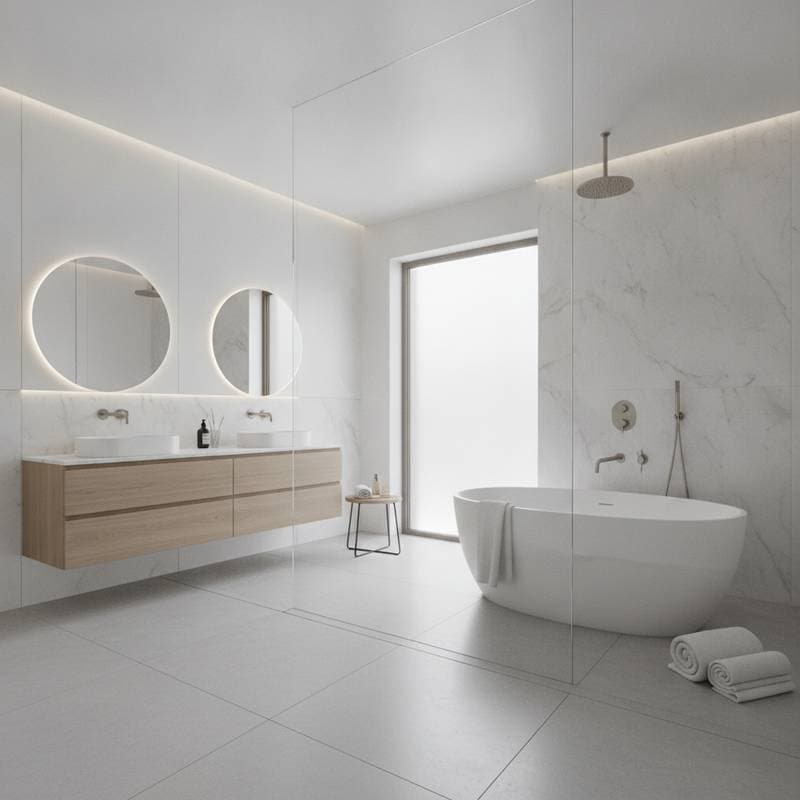
Blend functionality with style by selecting neutral palettes and modern fixtures. Lever faucets in brushed nickel, for example, offer accessibility without clashing with contemporary decor. These choices ensure the space feels inviting rather than institutional.
Maximizing Returns Through Thoughtful Planning
Strategic upgrades deliver both immediate usability and long-term value. Homeowners who integrate accessibility early avoid costly retrofits later. This approach not only elevates daily living but also positions the property favorably for future sales.
Buyers appreciate homes that anticipate their needs. By focusing on durable, stylish modifications, owners create spaces that serve multiple generations. The result is a residence that enhances quality of life while building equity over time.